Infosheets
03. Affordable Settings and Components
Transforming a play environment doesn’t require endless resources. With a few easy-to-find materials and willing volunteers, many settings and elements can be made at minimal cost, providing affordable opportunities for learning and play. This InfoSheet provides examples of creative and cost-effective ways to naturalize your outdoor learning environment (OLE).
Sunflower playhouse, maze, or path
Materials: sunflower seeds, garden soil, sunlight
Sunflowers are easy to grow — they just need water and sunlight! It’s always best to prepare the planting beds first, mixing in compost or good soil if existing soil is compacted. Try different sunflower varieties to see how they grow and compare them with the kids. After the sunflowers have bloomed, use them for flower arrangements or let the flowers dry out and hang down on the stalks for birds to enjoy as a food source.
Log seat gathering place
Materials: Sliced segments of logs (8-18 in. thick)
Logs can usually be found in communities for free — talk to tree pruning companies to reserve tree segments before they grind them. Logs and stumps don’t have the same life span as a stone circle and will need replacing every five years or so. Red cedar, oak, maple, and other hardwoods last the longest. Make sure the edges of logs are smooth, using a power sander if necessary. Logs can also serve as a temporary boundary for earth and sand play settings.
Boulder/stone gathering place
Materials: Rounded boulders or smaller stones
If located in a rocky region, rounded stones or boulders may be easy to find. If not, they may add cost to project installation. They last forever, however. In addition, they have many uses including seating and climbing. Smaller stones can provide loose parts, and path edging. Be sure to choose smooth, rounded materials and grind down any sharp edges.
Tire planters
Materials: Tires, soil, non-edible plants, non-toxic paint, primer
Old tires can be used to create instant planting beds, path buffers, or border plantings. Tires can be found inexpensively at almost any local car repair shop or tire store. If stacking more than one tire, fasten them together so they don’t slide apart, using bolts to connect adjoining tire walls. Prime and paint tires with outdoor, nontoxic paint to enliven the outdoor learning environment. Choose light colors to minimize heat absorption and high temperatures! Note: Never grow edible plants in tire planters. As tires degrade over time, the plants may absorb toxic chemicals from the rubber.
Vine teepee
Materials: Bamboo segments, zip-ties, vines
Vine teepees can serve as instant playhouses, secret spots, or vegetable trellises. “Escaped bamboo” in domestic yards may be harvested for play structures. Ask around the neighborhood, and be sure to get permission before extracting. The sturdier the bamboo, the better. Even the hardiest bamboo will need replacing after several years. Many kinds of climbing vines work well on teepees. Edible peas or beans, annual flowers, and perennial vines will all thrive.
Log benches
Materials: Sliced Log Segments, sandpaper
Log benches require a moderate amount of skill and tools to build and keep stable. Look for skilled volunteers and community support for log bench projects. Talk to tree removal companies to reserve tree segments. Logs can often be found for free. Red cedar and hardwoods provide the longest lasting logs. Sand edges smooth if necessary.
Tree cookies
Materials: Sliced segments of logs (3-6” thick)
Look around the community for sources of free logs to slice into tree cookies. Tree cookies can be used for a fun, temporary pathway As tree cookie lifespans are short, they will need replacing every few years. Hardwoods last longer than softwoods. Red cedar is ideal due to its resistance to decay; plus, the cookies have fun shapes.
Natural construction
Materials: Assorted safe and natural building elements
Natural materials are all that’s needed — kids do the rest! Materials may include bamboo poles, bark wedges, straw bales, small stones, log stumps, tree cookies, trimmed branches, pine cones, large leaves, burlap, cardboard boxes, and other readily available materials. Locate the natural construction area near a structure to build against, such as a wall or a grove of trees. Control stick length according to age group to avoid injury. All materials should be frequently inspected to ensure there are no sharp edges.
Natural playhouse
Materials: Sturdy logs, branches, zip-ties/rope
Collaborate with tree removal or landscape companies/crews to receive prunings, tree branches, and stumps before they grind them. The natural playhouses shown here required a moderate amount of skill and a few hand tools to assemble. The lifespan of a natural playhouse is variable but can be increased by using a sturdy timber frame to provide structure to the natural materials. Consider rebuilding the playhouse every few years as a fun learning project.
Raised garden beds
Materials: Boards or logs, good soil, time and effort
Raised garden beds can be constructed 12 to 24 inches tall. A wealth of information is available online on how to construct beds. Ready-made kits can be easily purchased. Railroad ties are not recommended for edible beds, as they may leach chemicals. If using pressure-treated lumber, add an impervious liner between the boards and the soil to protect against rot. To improve the soil, check local municipal yard waste centers — usually they give away or sell leaf mulch compost from street leaf collections.
Wildflower patch
Materials: Wildflower seeds, garden soil, full sun
Packets of wildflower seeds are easy to find at local garden centers. Use the wildflower patch to replace grass or bare earth. Be sure to remove the grass before seeding. Prepare the beds by first mixing in some compost or good soil. Buy a few different mixes. Follow the instructions on the packet and see what comes up!
Terraced garden beds
Materials: Wood, sloped earth, amended soil
When planning an outdoor vegetable garden, consider uneven ground as a terracing opportunity. Terraced garden beds provide a flexible solution to otherwise difficult planting conditions. Terraces require a moderate amount of skill and effort to build — solicit help from skilled volunteers in the community.
Pull-up bars
Materials: Log segments, bamboo/PVC pipe, drill
Pull-up bars help infants learning to walk to gain skill and confidence. They require a moderate amount of know-how and tools to install. Drill a hole (using a hole saw bit) in the side of each log so the bamboo or pipe can slide in. Bury the log 12—18 inches for stability. Dig a hole 4 inches wider than the log and tamp sand in the hole around the log to maximize stability. For a long-lasting solution use red cedar or other hardwood.
Plant protection boundary
Materials: bamboo, log segments, ropes, or any other material that creates a protective barrier
There are many ways to protect plantings from trampling feet. Regardless of chosen material, ensure that plant protection barriers are between 15—18 inches high to redirect the flow of foot traffic. Prefabricated, low fencing purchased from a home improvement store can be used or implement creative solutions with readily-available materials. Protection will nurture healthy and happy plant growth and increase the chance of successful plant establishment. Remember that OLE plants are an investment worth protecting!

A sunflower patch supports varied learning activities.
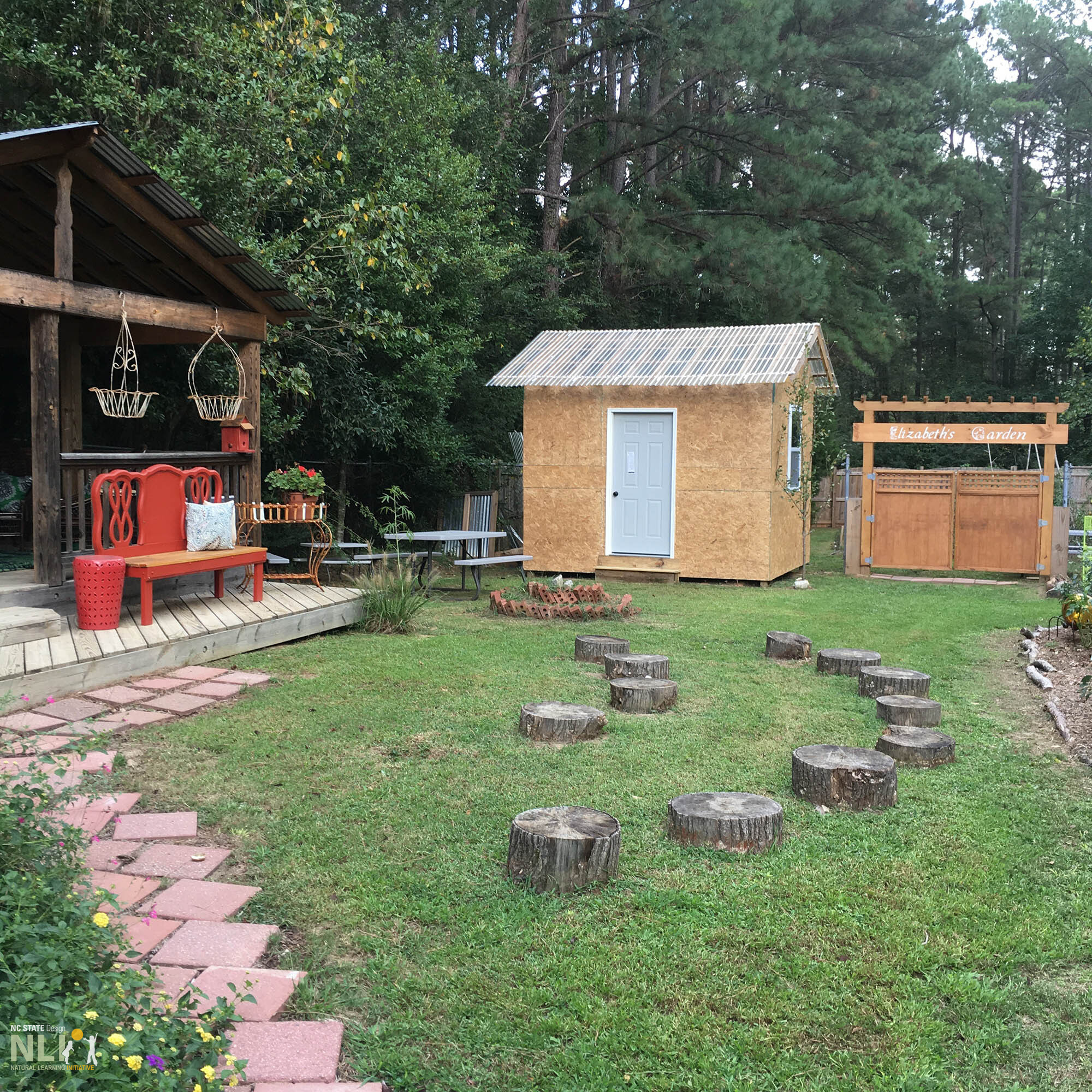
Log seating creates a gathering place and small amphitheater.
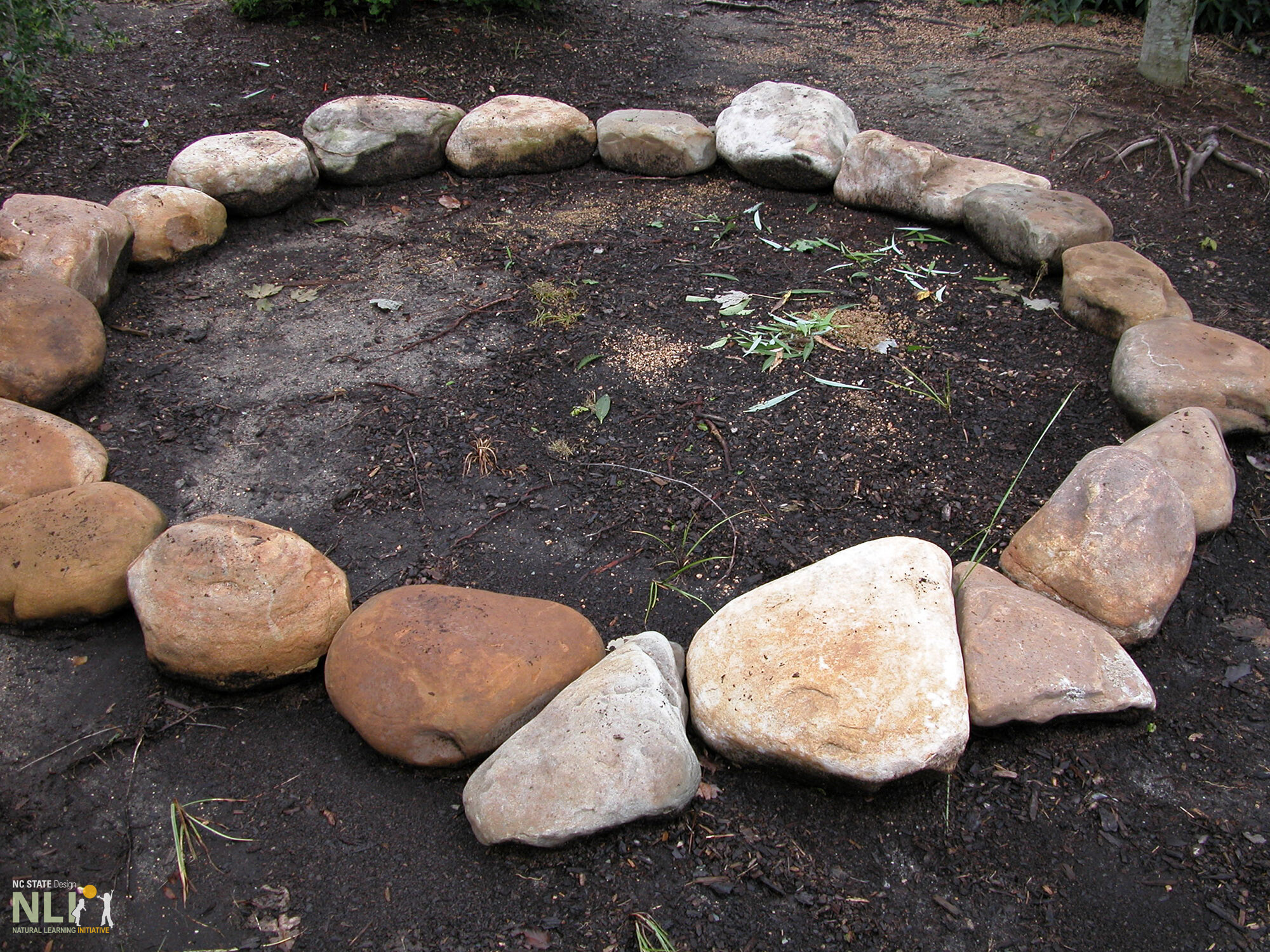
A stone circle gathering place.
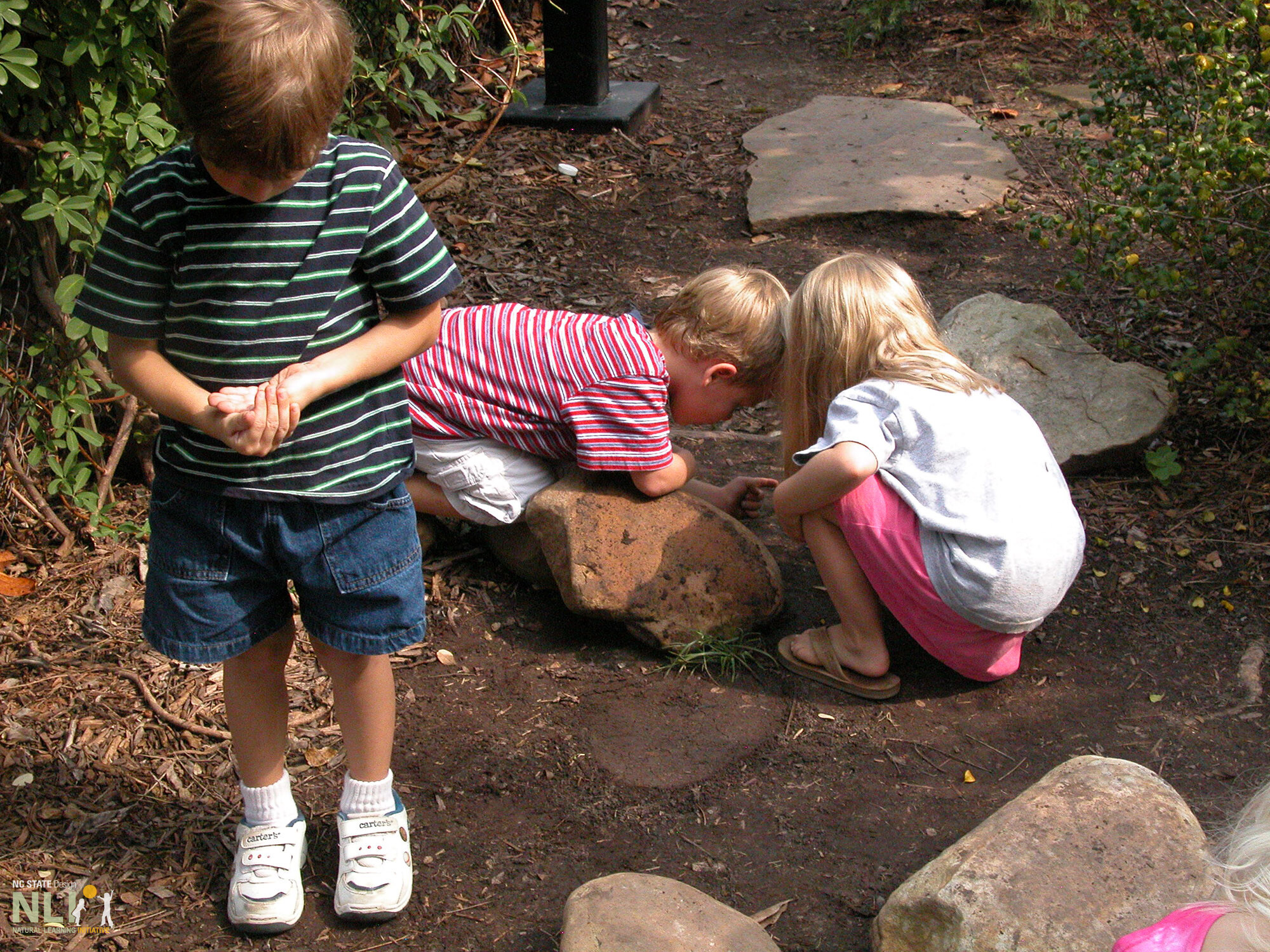
Turnover stones invite discovery.
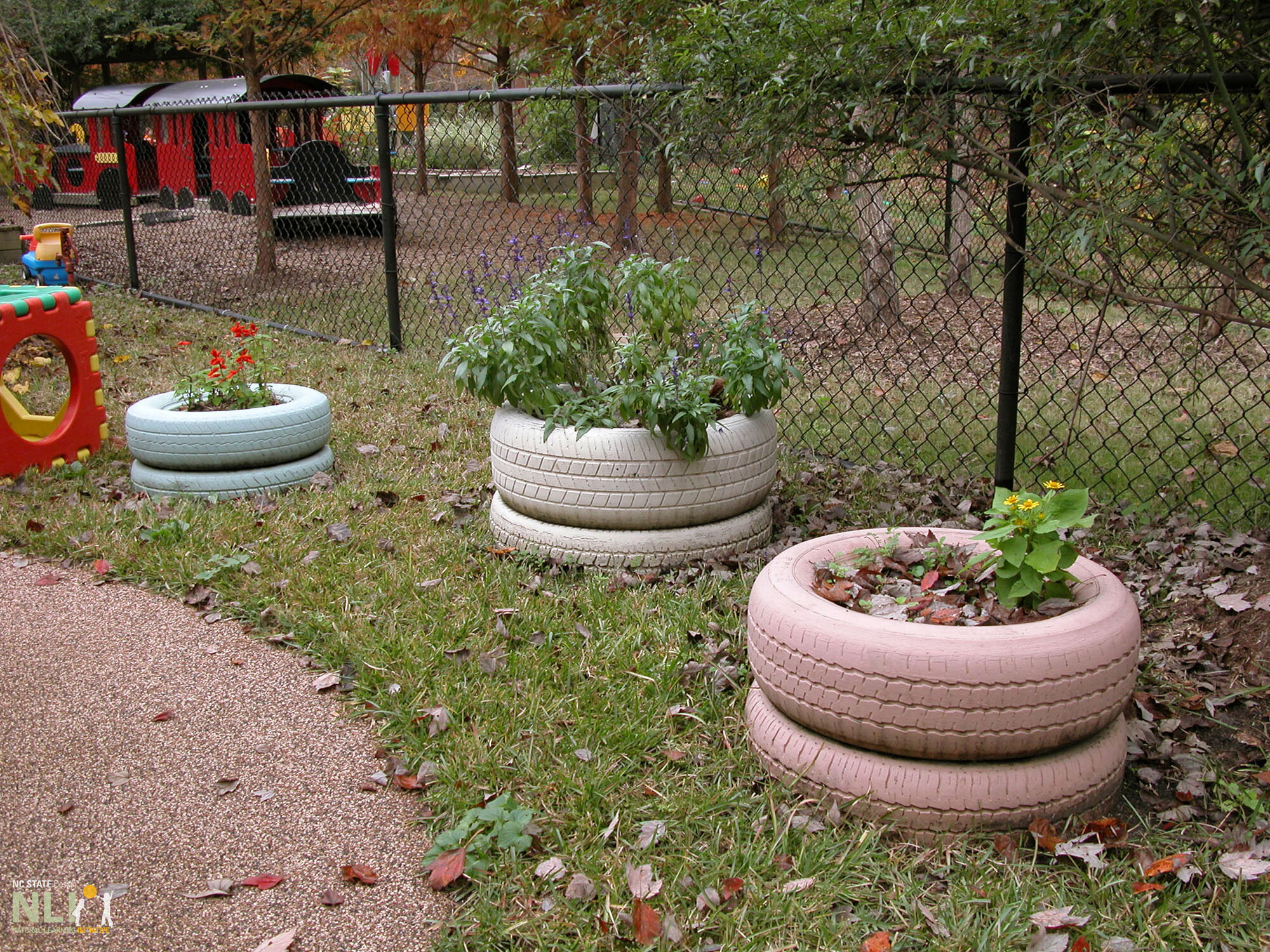
Stacked tire planters, painted with light colors to deflect heat.
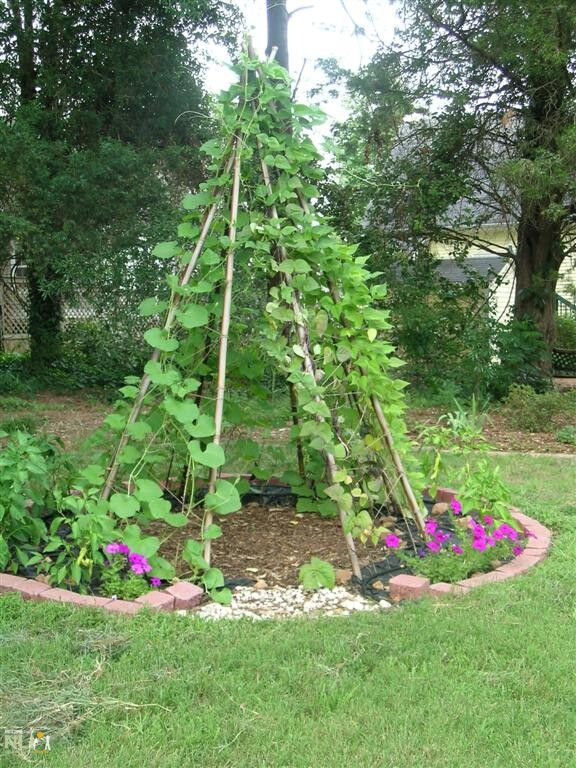
A teepee growing supporting vines.
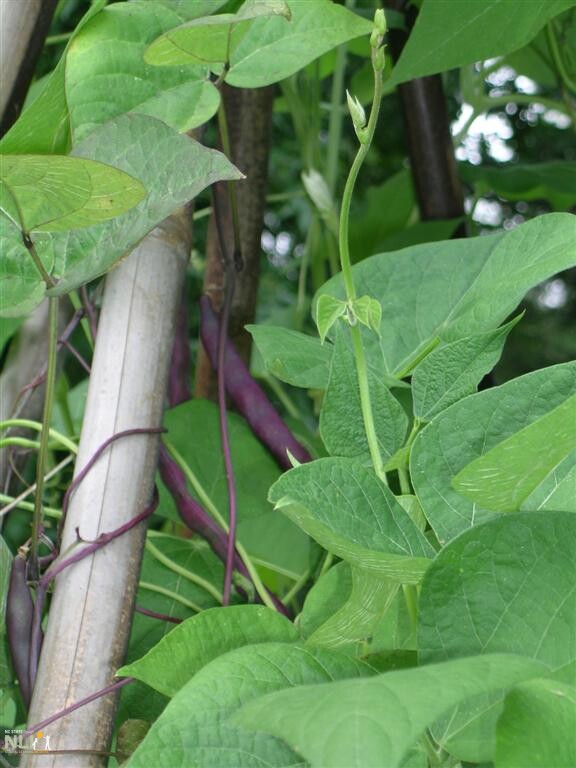
Teepee vine beans.

Logs have been carved and cut into outdoor furniture.
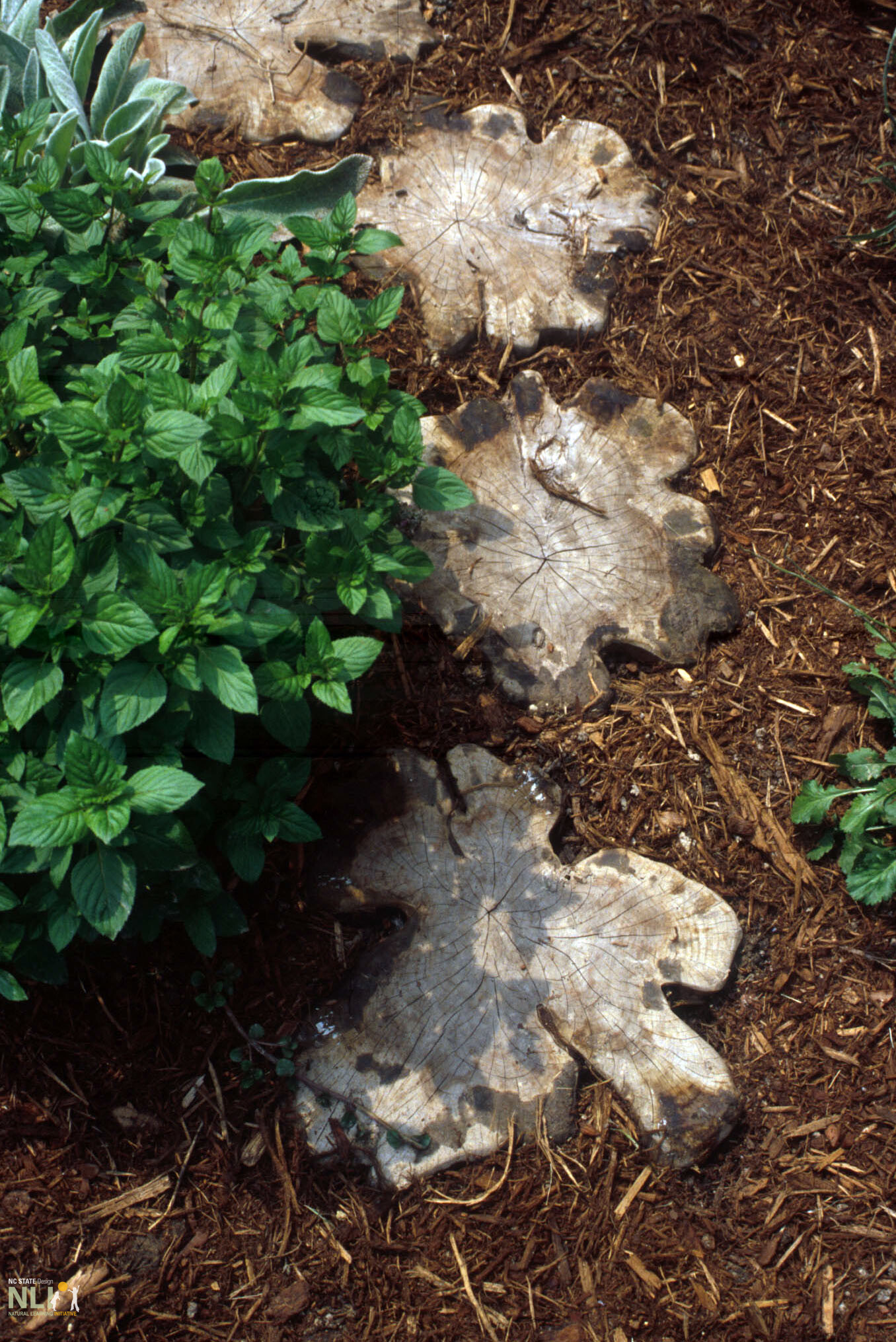
Tree cookies form a secret, sensory pathway.

Semi-enclosed natural construction setting with tree cookies.
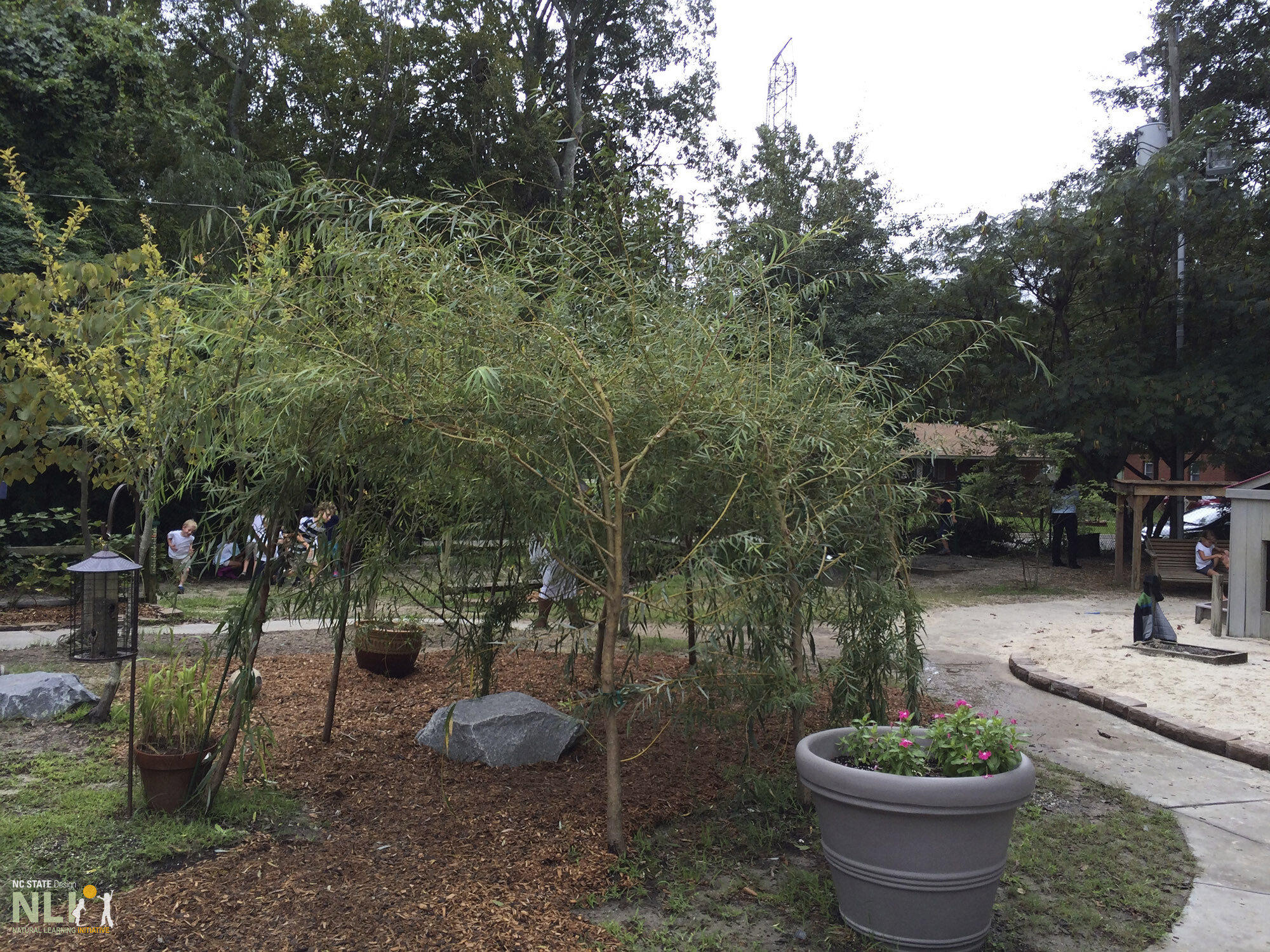
Natural playhouse made from willow trees woven together.
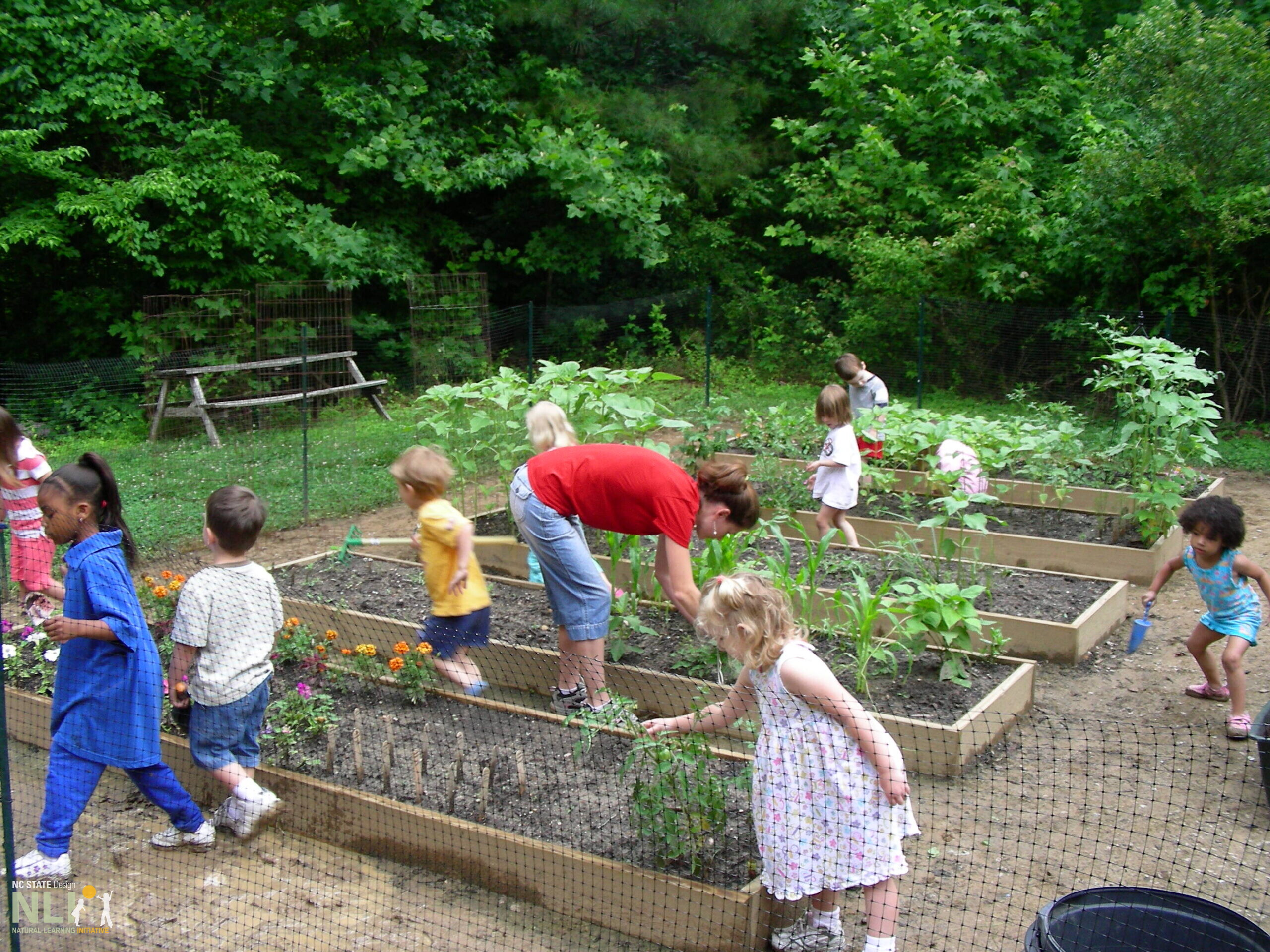
Raised bed gardens connect children to healthy eating.
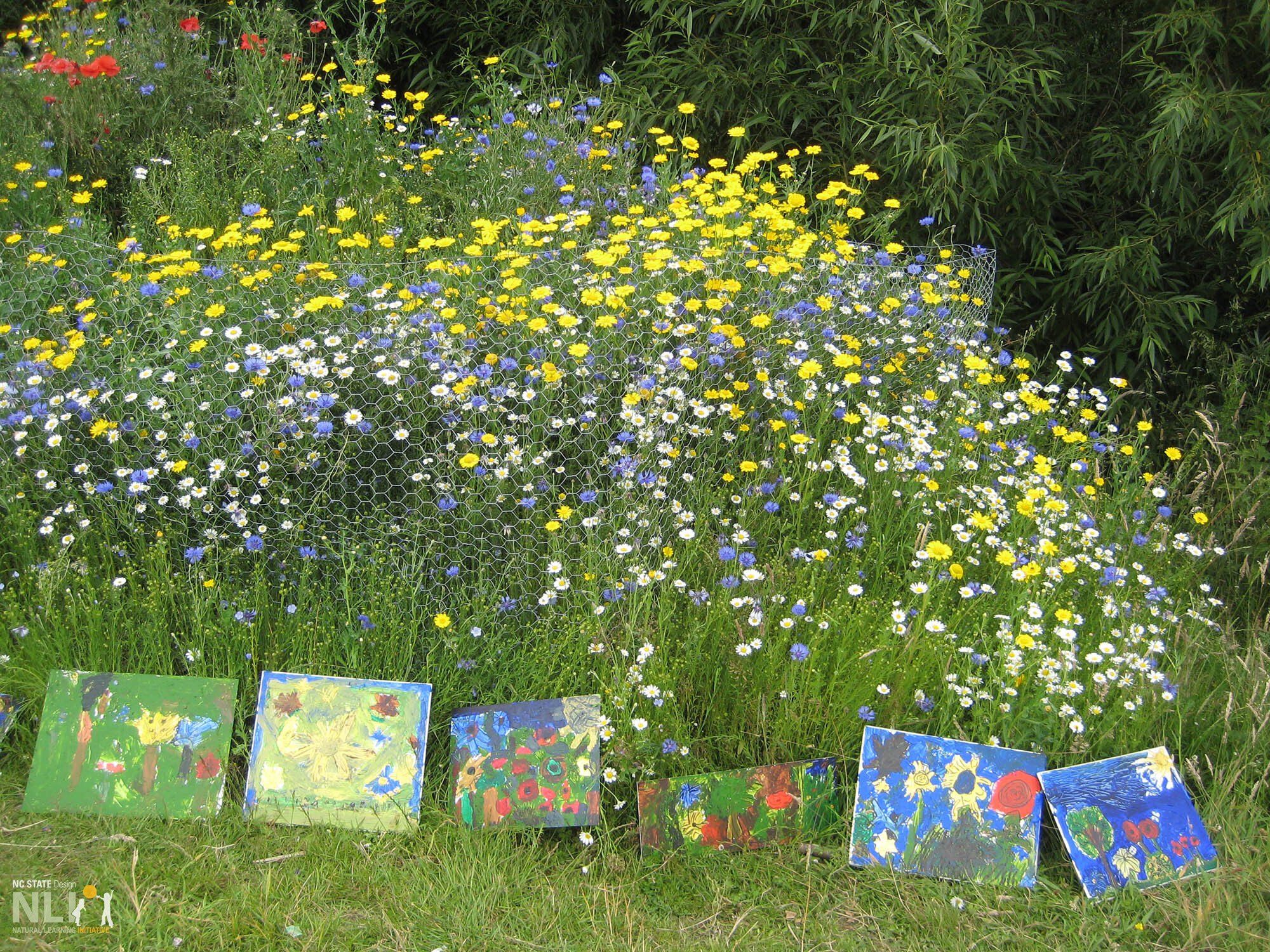
Wildflower gardens inspire art expression.
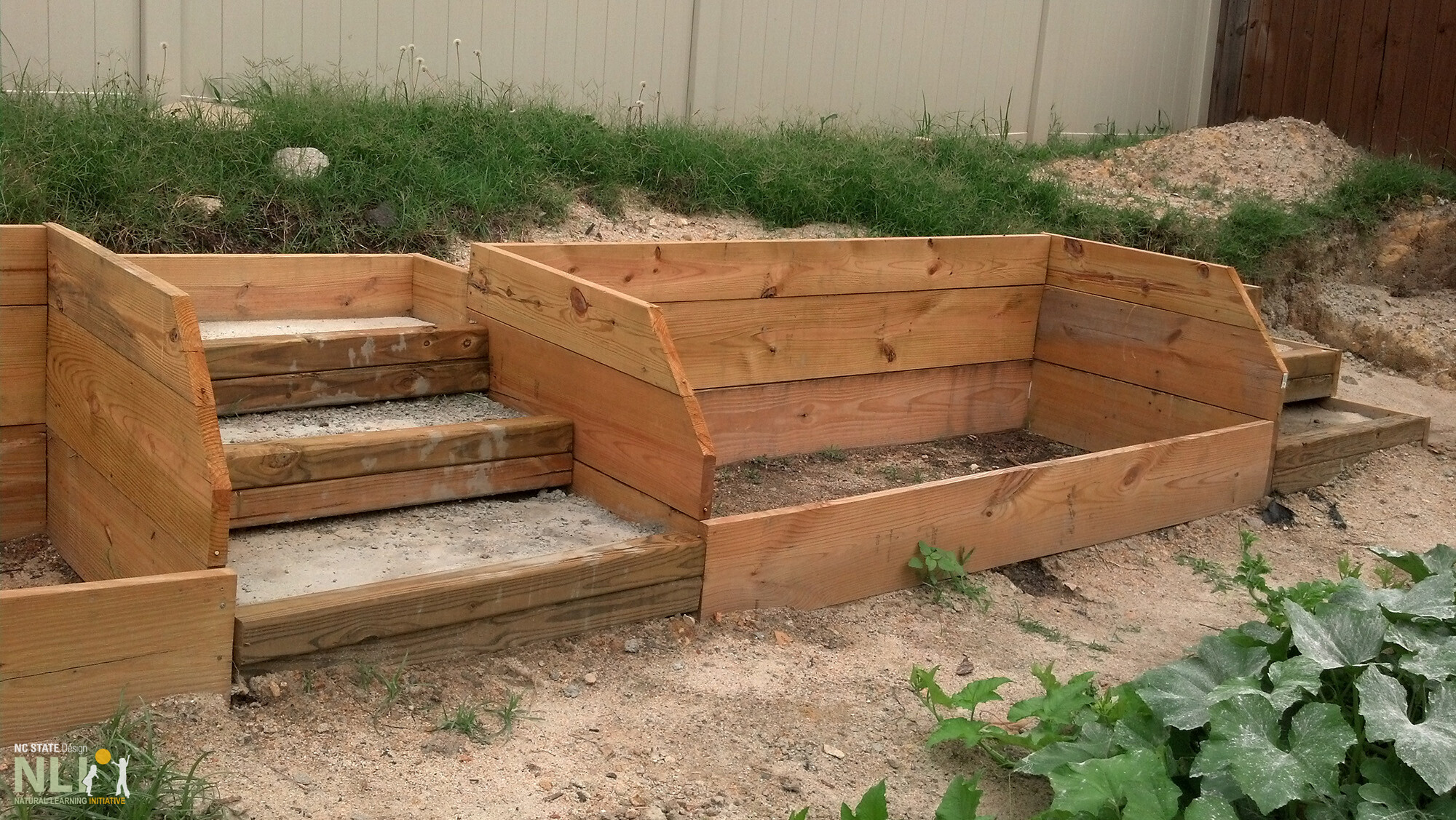
Terraced beds allow for gardening in elevated or uneven areas.
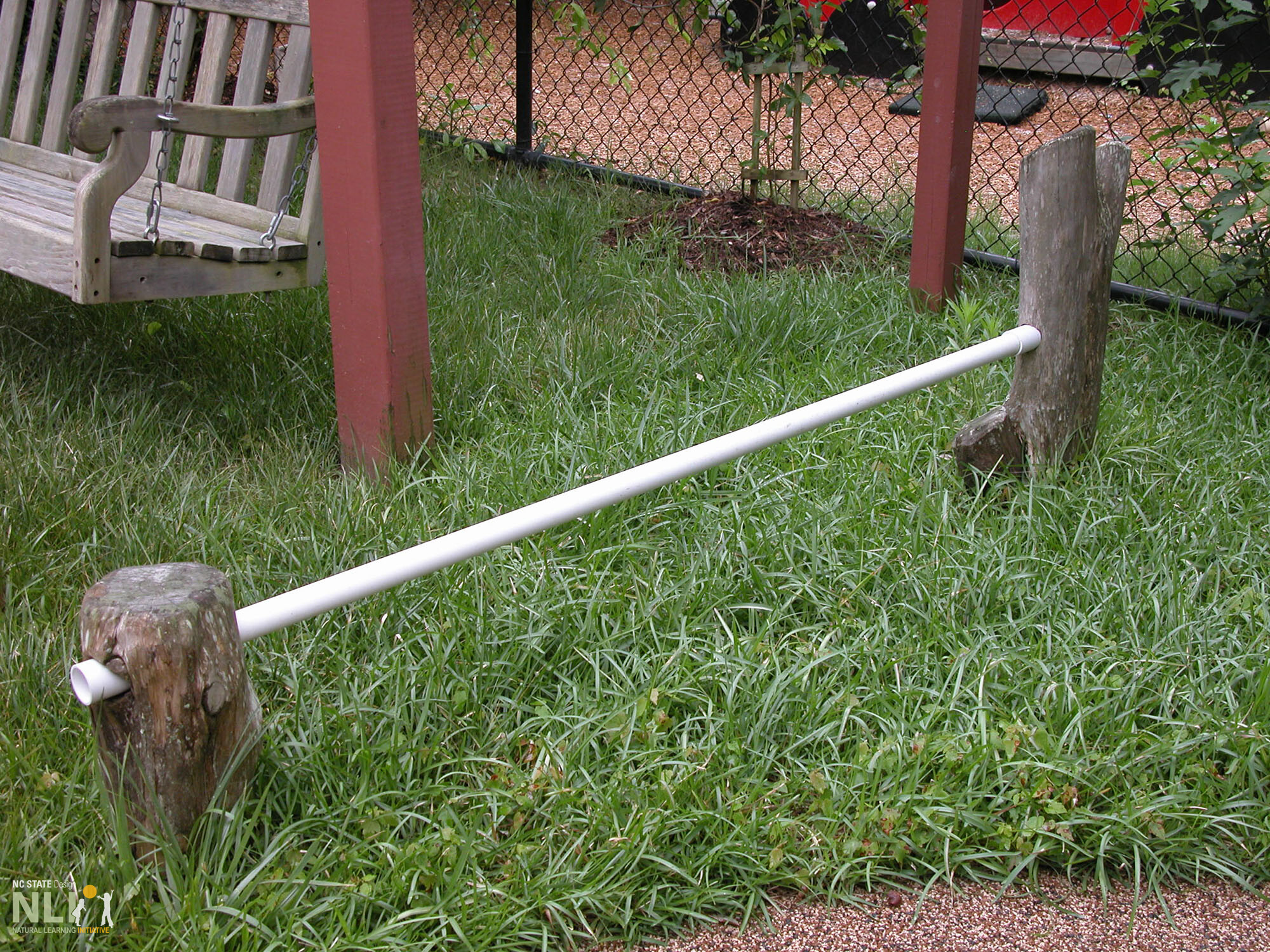
A pull-up bar made from PVC pipe and hardwood logs.
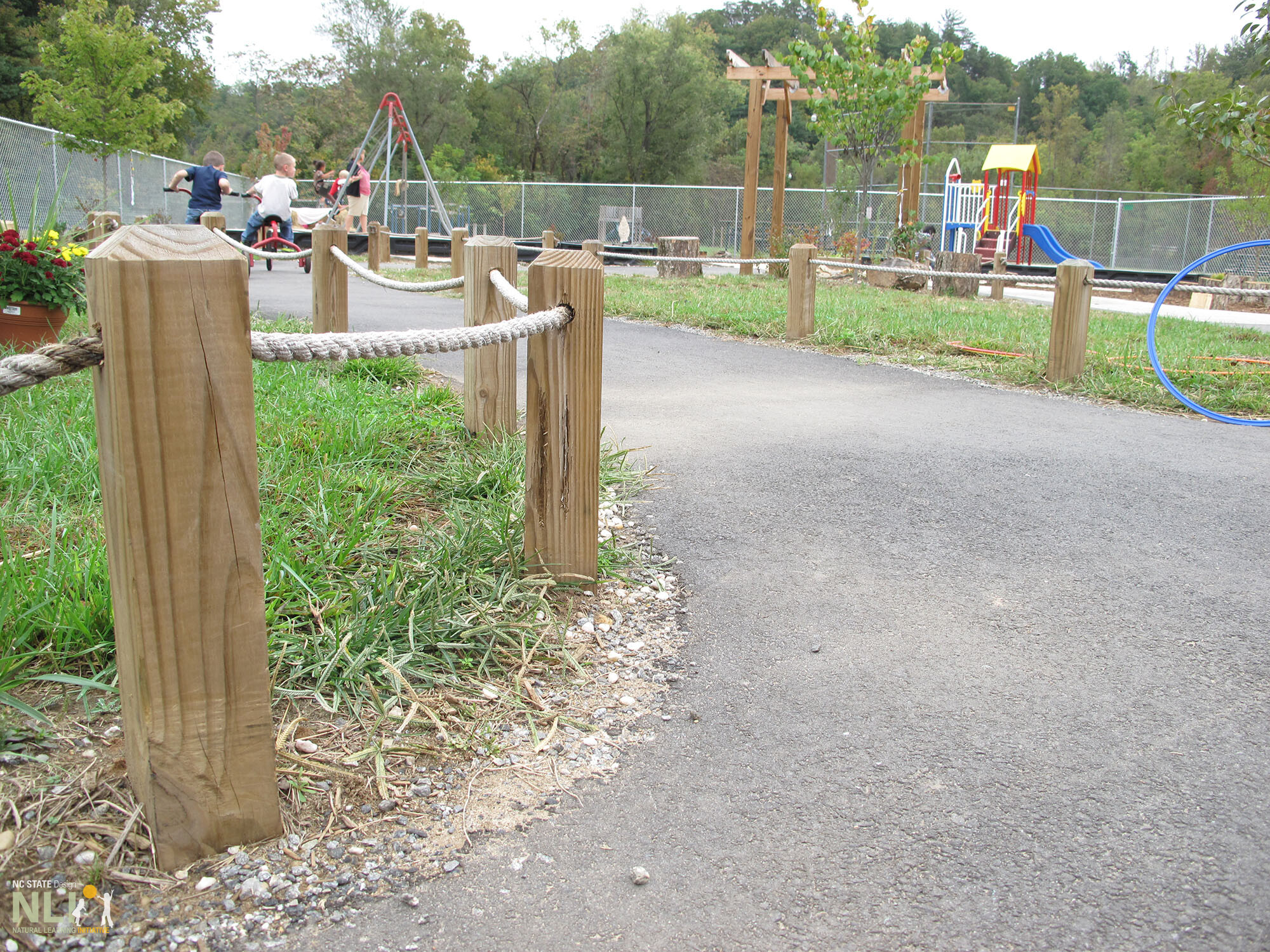
Plant protection made from ropes and posts.
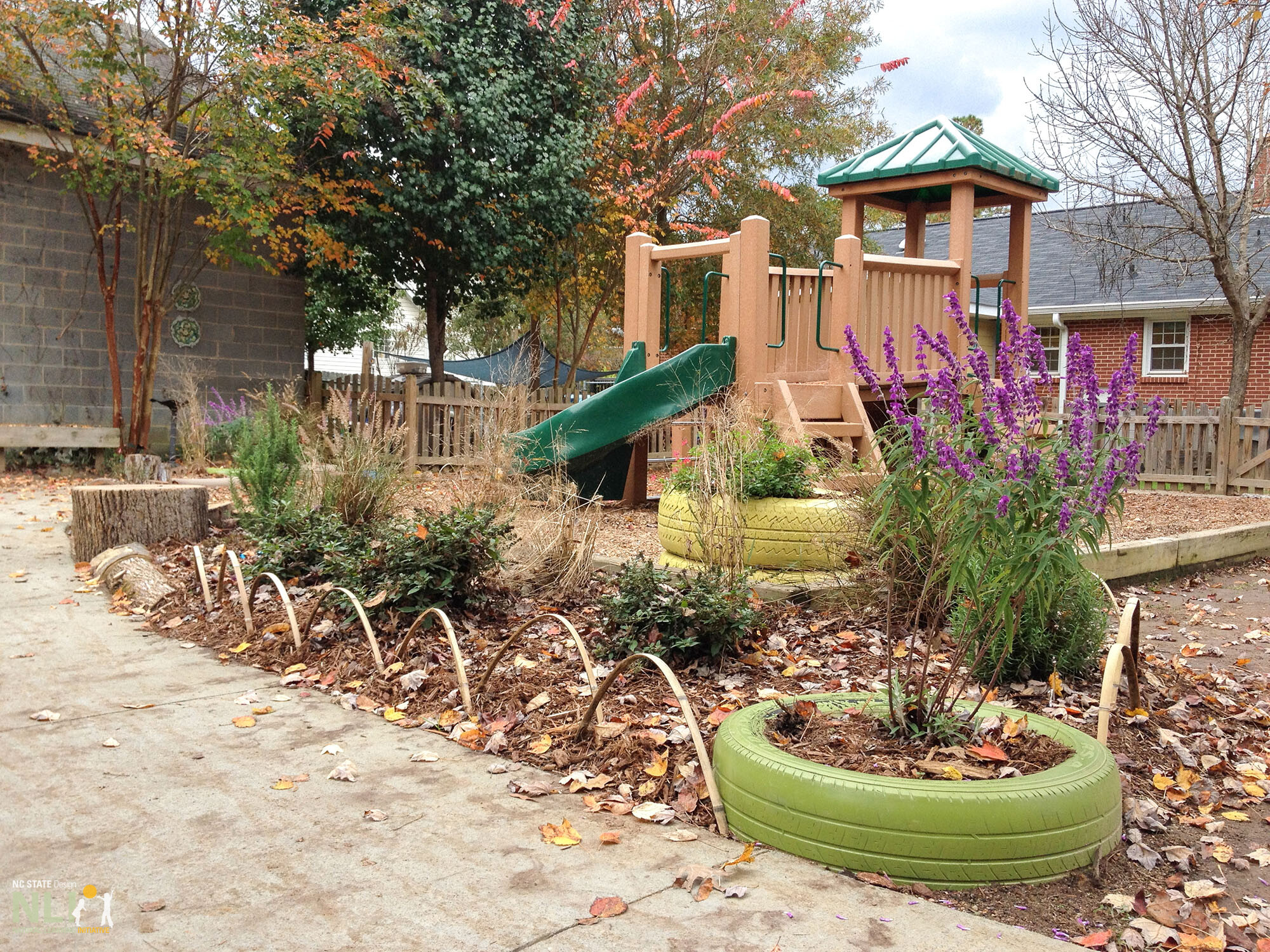
Rounded bamboo hoops protect plants adjacent to path.

Leave a Reply