DCDEE Naturalizing NC Childcare
Supporting Naturalized Outdoor Play and Learning Environments in North Carolina Child Care Facilities
The Natural Learning Initiative (NLI) and the Division of Child Development and Early Education (DCDEE) have relaunched the Creating a Supportive Network project to promote the health and social-emotional benefits of nature-based learning in North Carolina child care facilities. This effort focuses on strengthening the network of child care professionals, exploring ways to integrate nature-based programs into state policies, and increasing outdoor learning opportunities for both center-based and family child care providers. Through professional development, hands-on training, and shared resources, the project aims to give educators the knowledge and support they need to create high-quality outdoor learning environments for young children. See the tab “2024 Year-End Short” below for more.
NLI has developed a collection of publicly available resources designed for dissemination. These materials provide guidance, research, and practical tools to help child care providers implement nature-based strategies effectively. By making these resources accessible, the project continues to expand its reach, equipping educators with the knowledge needed to create enriching outdoor experiences for young children. See the tab “Resources” below for more.
Download the 1-Pagerto learn more about the NLI-DCDEE Naturalizing NC Childcare project:
NLI Hosts DCDEE Regional MeetingsSee the tab “Resources” below for more.
A statewide kickoff webinar introducing the two-year project, Supporting Naturalized Outdoor Play and Learning Environments in North Carolina Child Care Facilities, was followed by regional meetings. From April through May 2024, NLI partnered with the Department of Child Development and Early Education (DCDEE) to host four, one-day regional events: South Central in Pinehurst, East in Greenville, North Central in Raleigh, and West in Asheville.
The meetings brought together licensing consultants, investigations consultants, environmental assessors, and DCDEE leadership. The aim was to increase awareness of the health and wellness benefits of nature-based outdoor play and learning environments in NC early childhood facilities and to share progress on the ground. Each meeting featured an inspiring natural learning environment with a guided tour to strengthen the case for nature engagement.
At each meeting, participants were welcomed by the NLI and DCDEE teams and the site host, before presentations and discussion.
Nilda Cosco, PhD, NLI Director of Programs and NLI Cofounder, reminded participants of the first statewide project to create a supportive network in 2011, now relaunched as “Supporting Naturalized Outdoor Play and Learning Environments in North Carolina Child Care Facilities.” Nilda introduced NLI as a research professional development design assistance and communications unit at the College of Design, NCSU, celebrating 25 years of progress in 2025. She discussed the concept of “One Health,” underscoring the benefits of outdoor time and the impact of interaction with nature on healthy child development – the primary aim of the new project.
Robin Moore, NLI Cofounder, emphasized biophilic design and environmental diversity for increasing target health impacts: time outdoors, physical activity, gardening, and healthy eating, and social-emotional learning, and introduced NLI best practices and evaluation tools. He discussed the need to engage the green industry, landscape design professionals, and other potential partners in system change to scale up progress and support high-quality naturalized environments for young children.
Julieta Sherk, Department of Horticultural Science, NCSU, demonstrated how her landscape design students engage with childcare centers to install cost-effective improvements to their outdoor play and learning environments. As a proof of concept, the Desing/Build Studio completed installations in two local centers.
Linda Hestenes, PhD (Department of Human Development and Family Studies, UNC-G) discussed different types of nature-based early childhood programs, presented highlights from a recent national survey, and shared findings from interviews conducted with established providers across the state.
A post-lunch natural learning environment tour offered inspiration and mental and physical refreshment before a debrief and review of NLI’s best practice measurement tools, including POEMS (Preschool Outdoor Environment Measurement Scale) and COLEQT (Childcare Outdoor Learning Quality Tool). Each meeting concluded with an open discussion among participants who shared valuable stories and insights from day-to-day experiences in the field.
By the end of the regional meetings, there was no doubt that early childhood professionals in the State of North Carolina understand the need for children to be in contact with nature and are enthusiastically making progress to support high-quality outdoor environments within the parameters of current regulations.
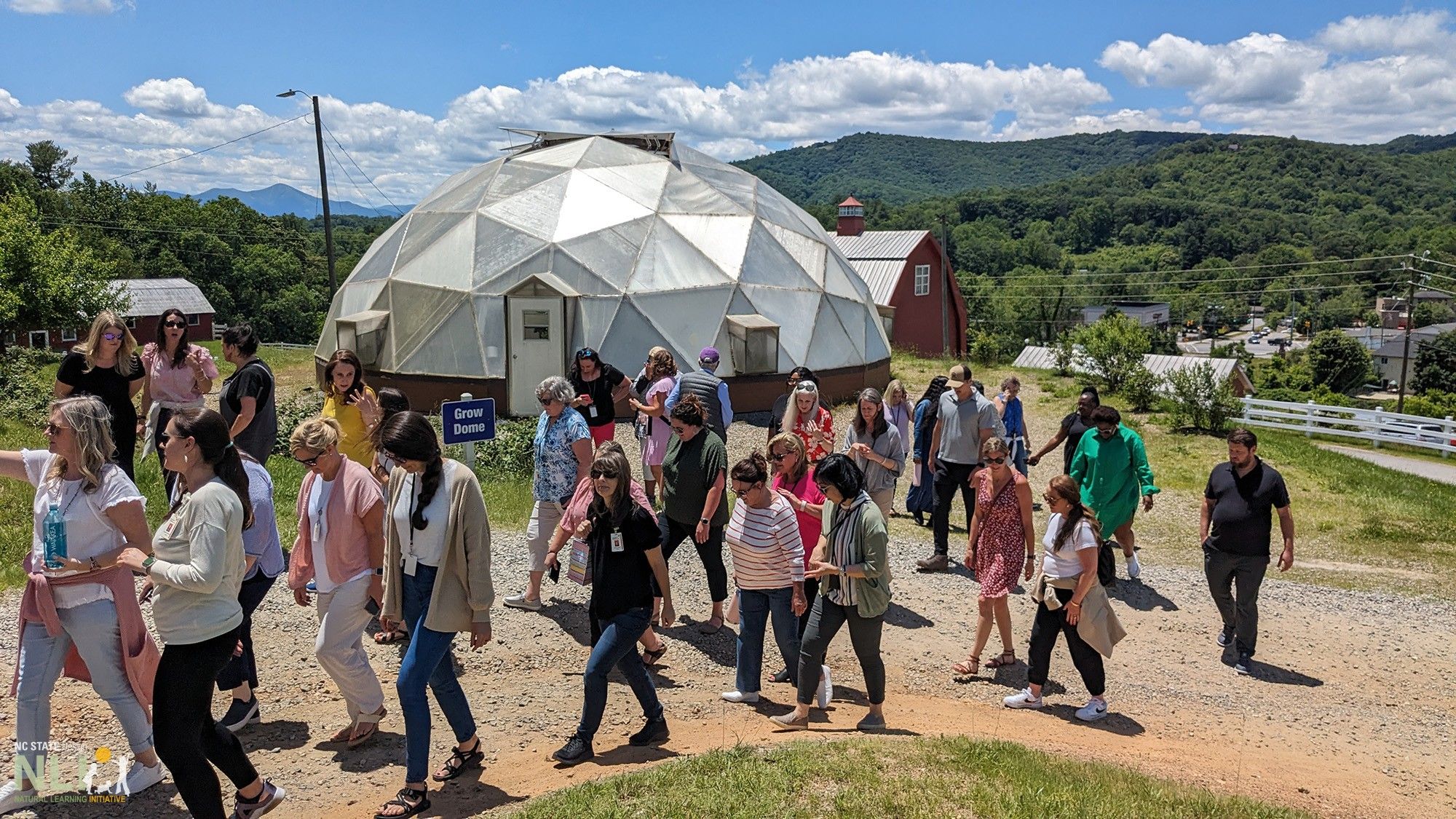
Each regional meeting featured a guided tour of an innovative outdoor learning environment located at the venue, exemplified here at Eliada House, where the Western Regional Meeting was held.
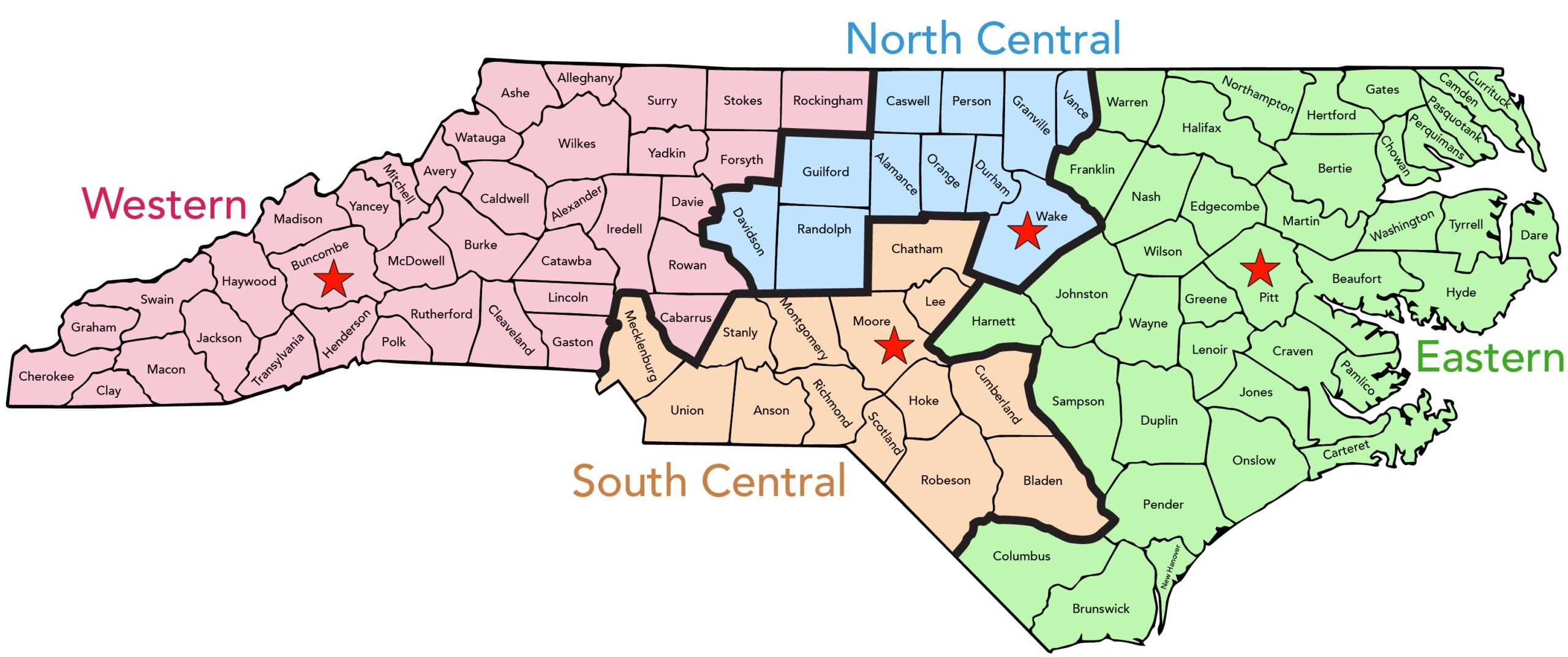
South Central – Sandhills Community College, Pinehurst, NC
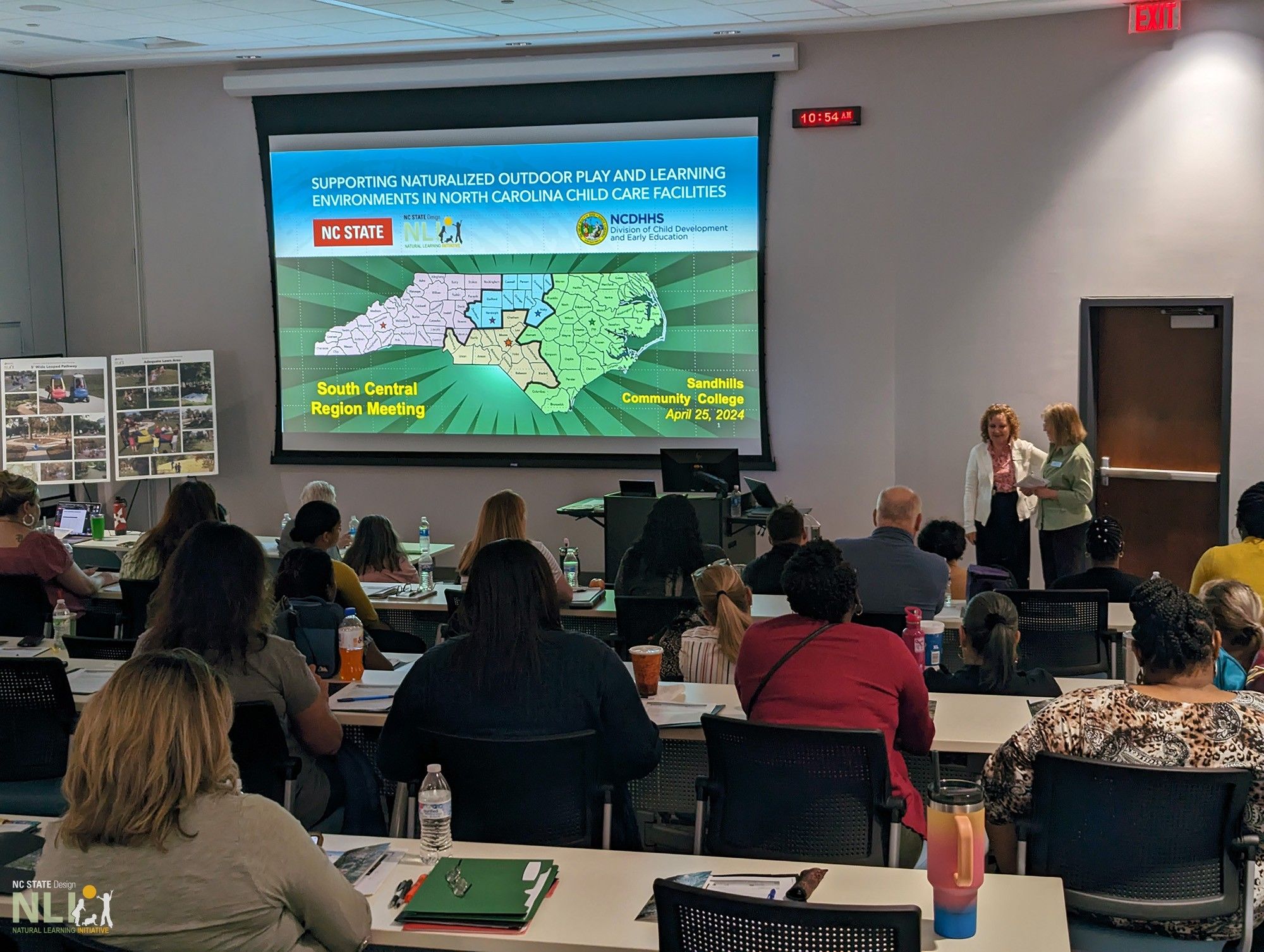
Nilda Cosco, NLI, and Julieta Sherk, Professor of Horticultural Science, welcome participants to the DCDEE South Central Regional meeting.

Ronda Hawkins, Professor of Early Childhood Education, Sandhills Community College, showcases the outdoor classroom for teachers, including the storage for toys and interactive activities, and explains the easy access from the primary looping pathway.
Eastern – Pitt County Arboretum, Greenville, NC
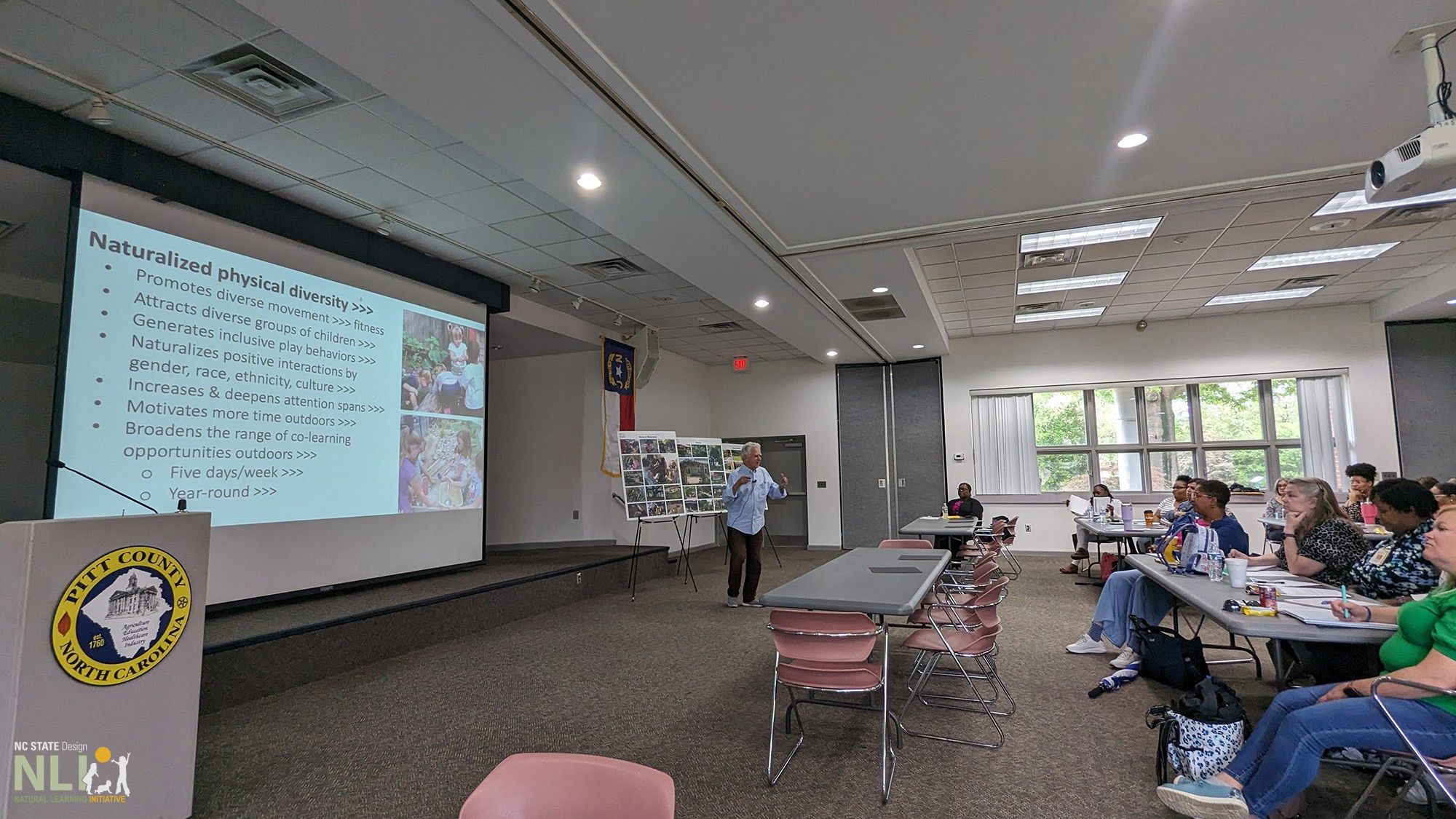
Robin Moore, NLI, delivers a presentation on creating natural childhoods using a biophilic design approach.
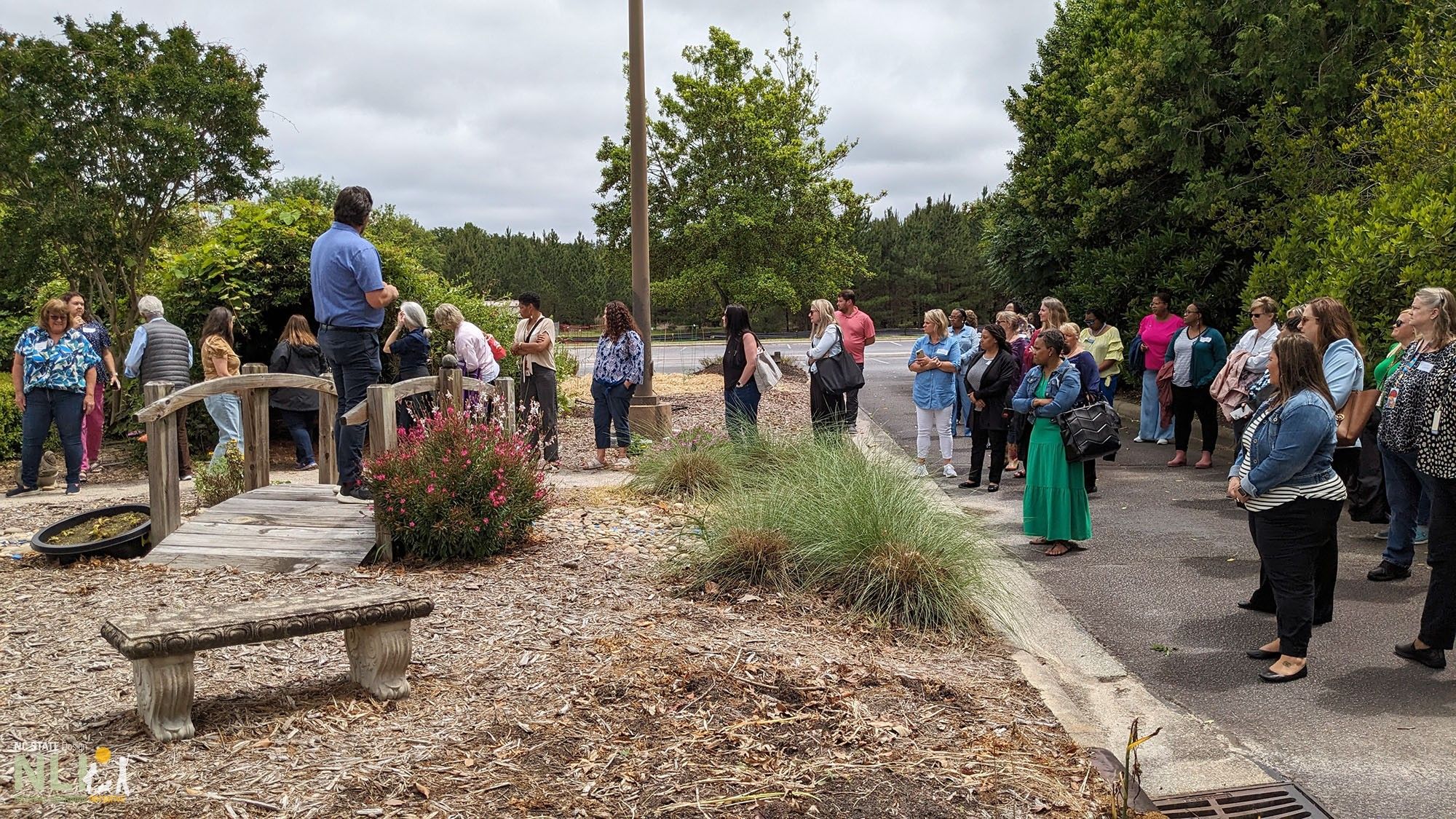
Matt Stevens, Pitt County Extension Director, gives an interpretive tour of the Children’s Garden at the Pitt Co Arboretum.
North Central – Department of Horticulture Science, NC State University, Raleigh, NC
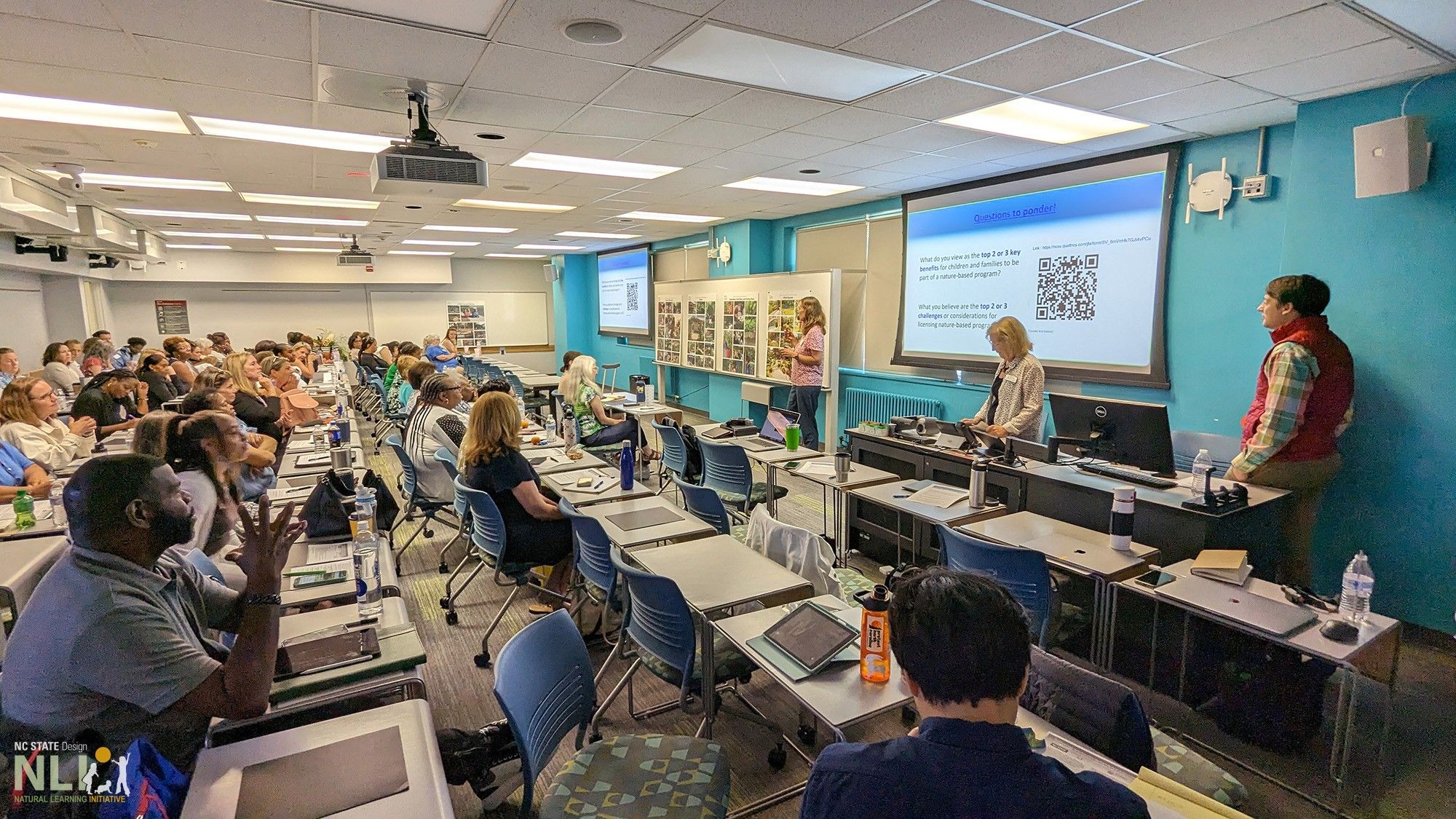
Linda Hestenes, Professor of Human Development and Family Studies, discusses the Nature Preschool Visioning Process, outlining its key benefits and challenges.
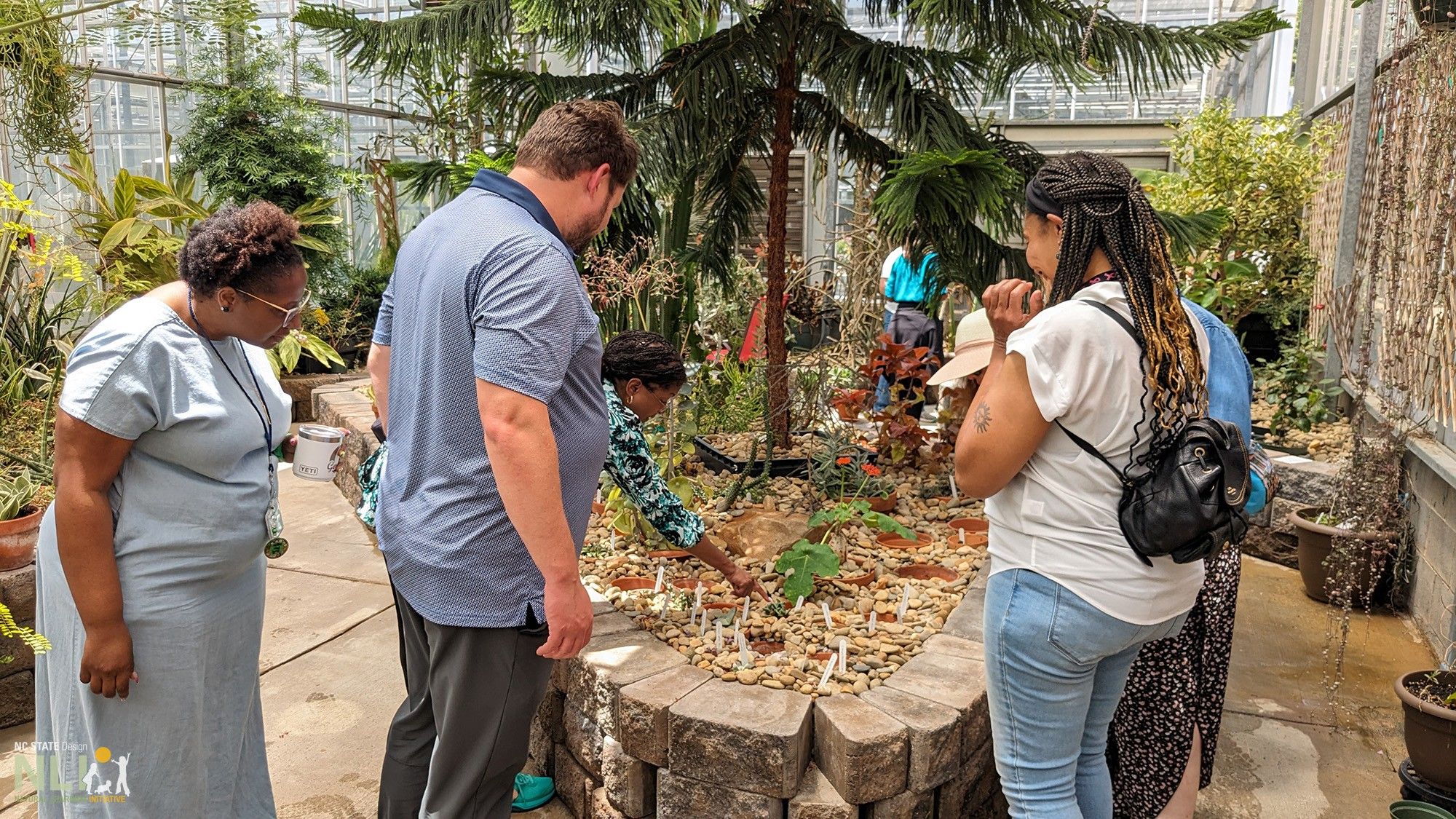
DCDEE staff explore the Arid and Tropical Conservatories, Department of Horticulture Science with the helpful guidance of Diane Mays, Conservatory Curator.
Western – Eliada Homes, Asheville, NC
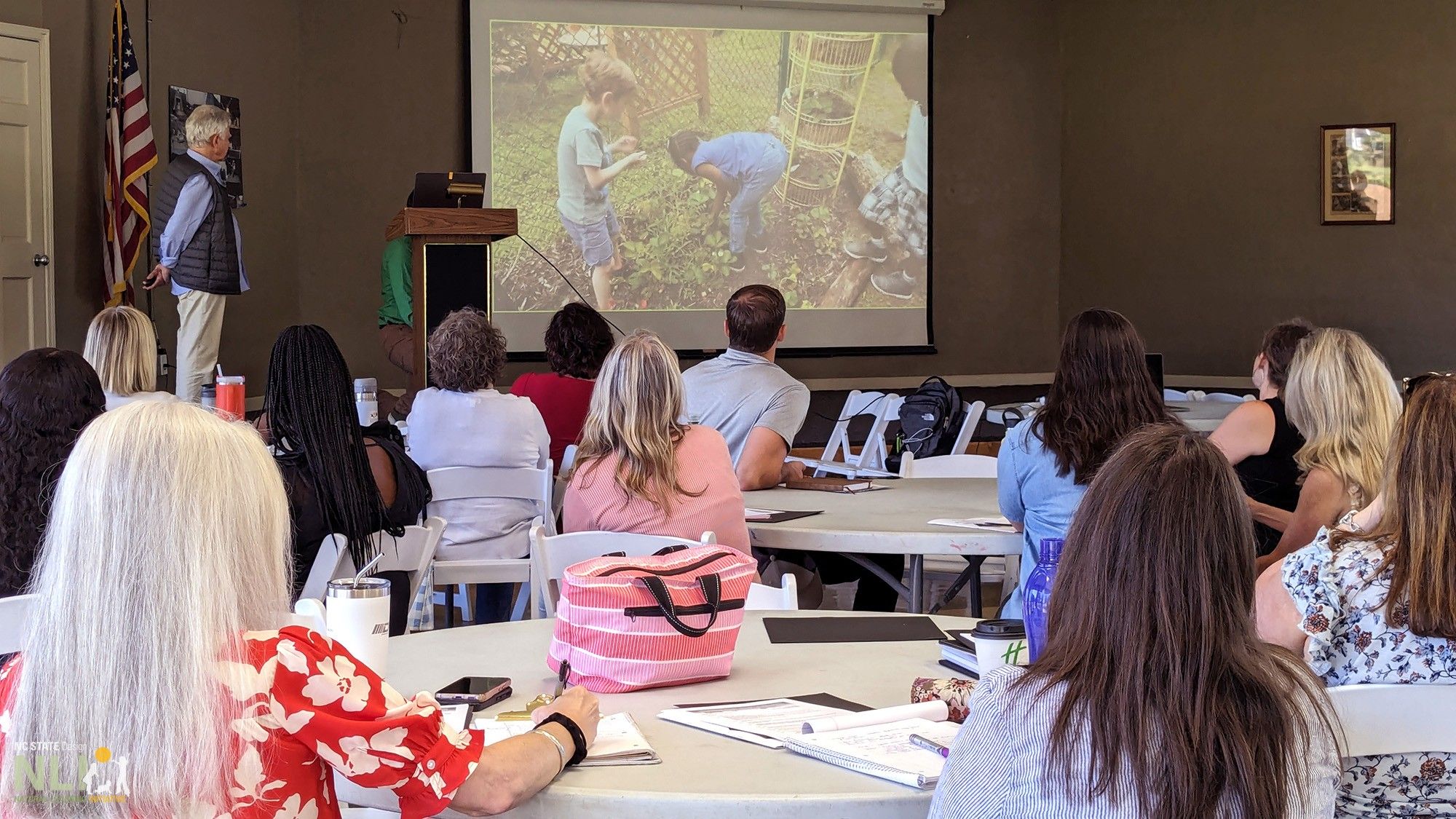
NLI presents an engaging OLE video titled “We Change the Culture Here,” showcasing the impact of an OLE at one of the Wake County demonstration sites located in Raleigh, NC.
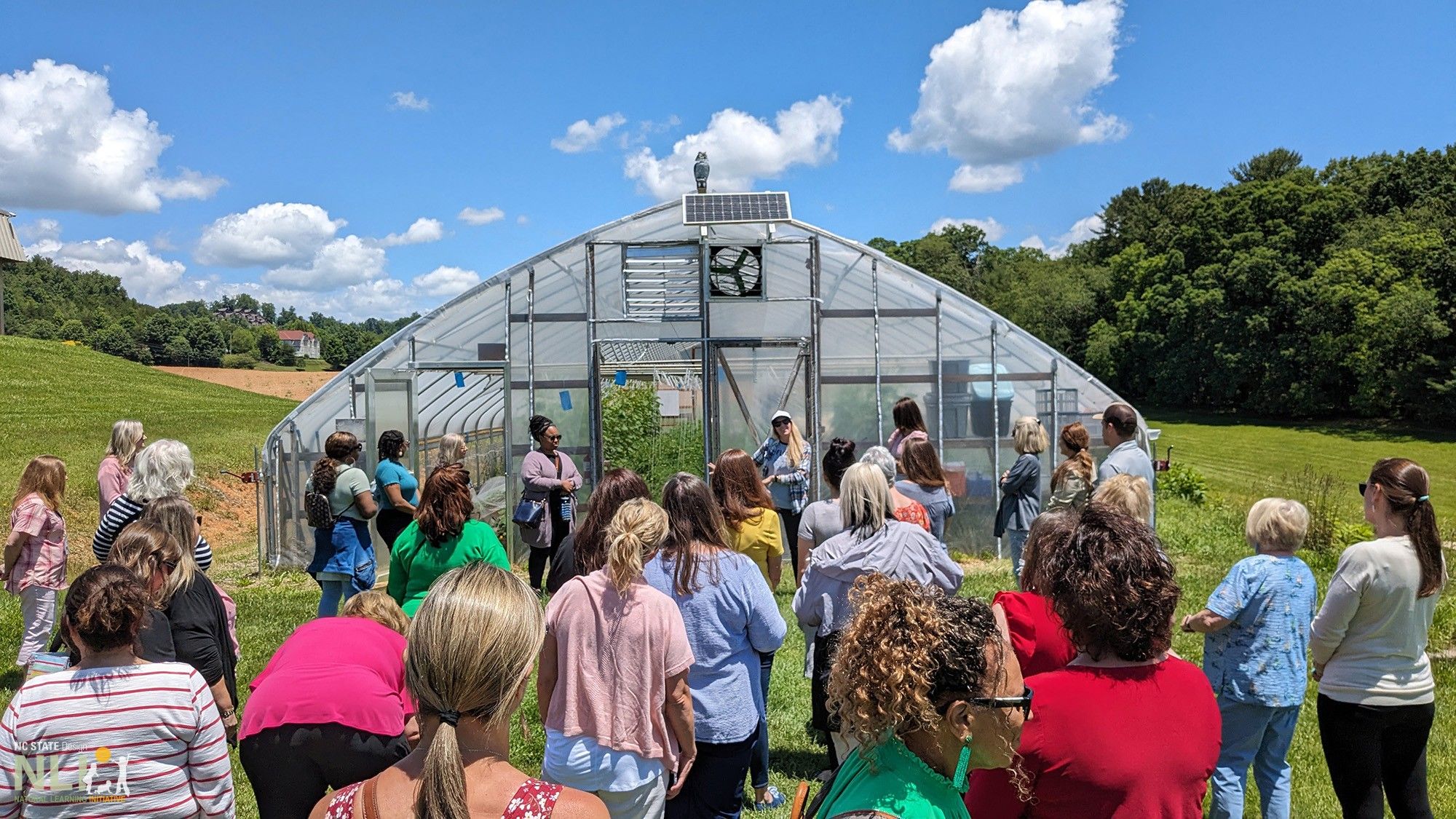
Erica Blumenfeld, Eliada Farm Director and NC State graduate, guides participants through the campus production farms and greenhouses.
Statewide Summit – North Carolina Zoo & Kidzone, Asheboro, NC
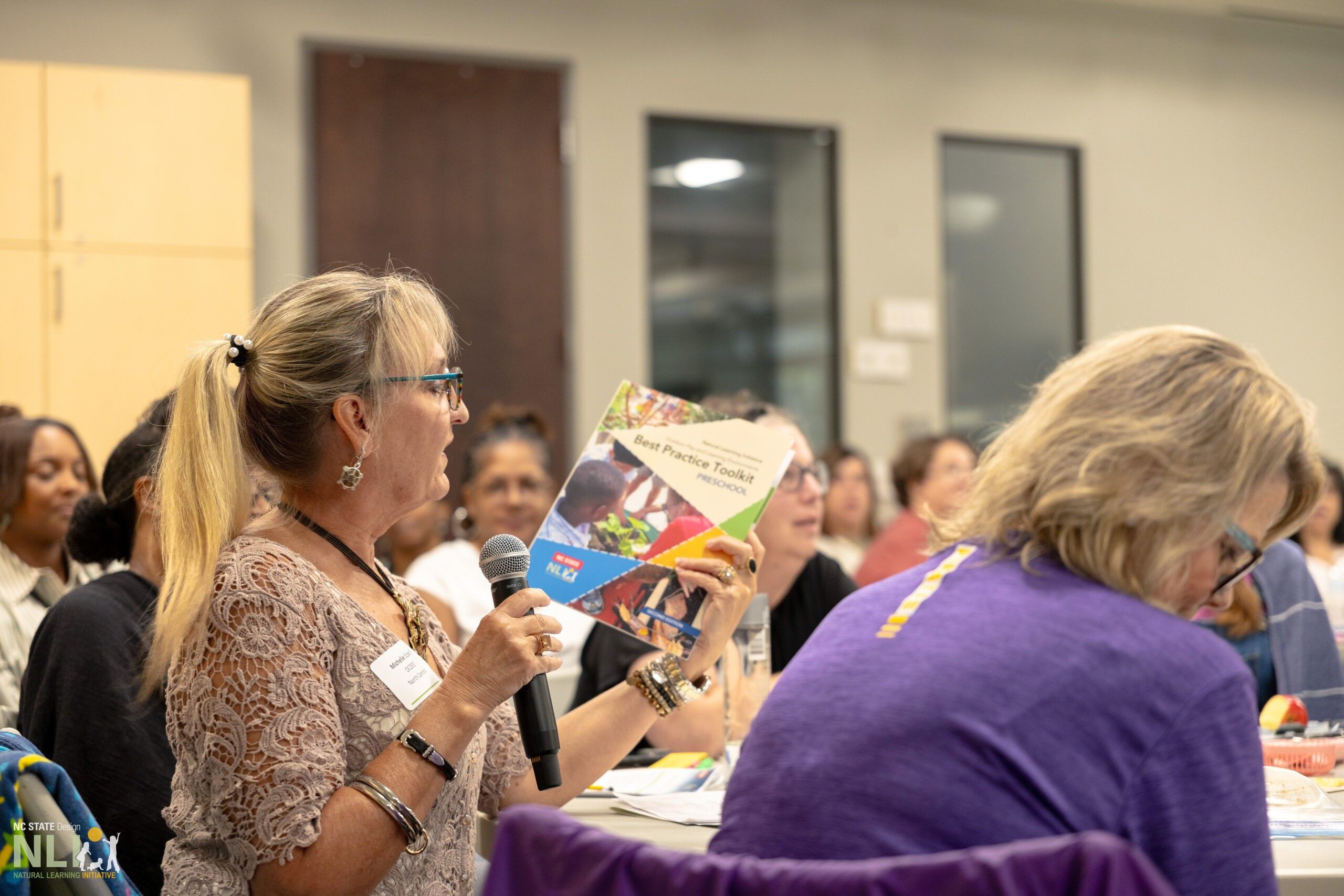
Enthusiastic participant refers to NLI’s Preschool Outdoor Play & Learning Environment Best Practice Toolkit.
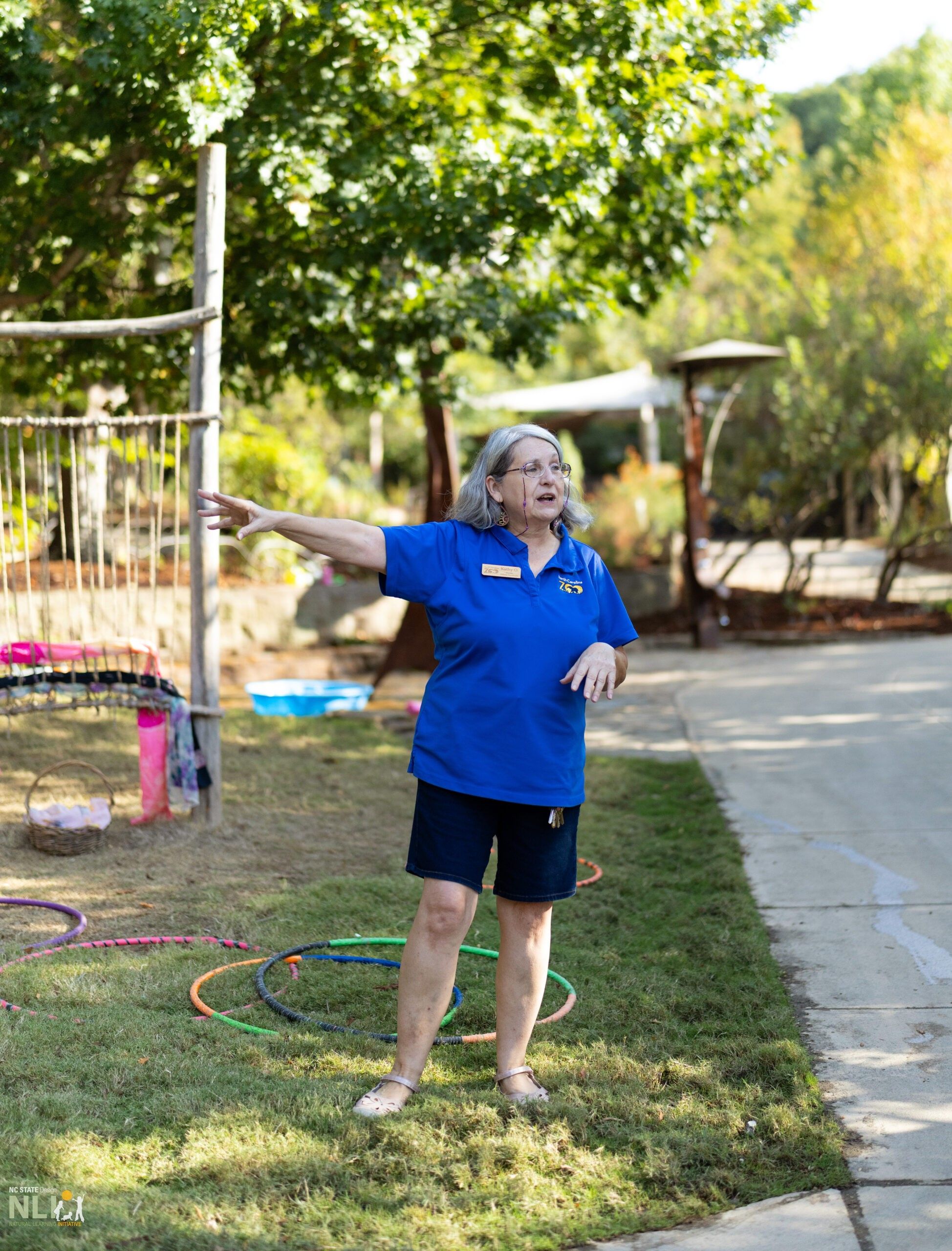
Kathy Osborne, Kidzone Coordinator, briefs participants on the history of Kidzone and the NLI connection.
Statewide Virtual Gathering & ToursSee the tab “Resources” below for more.
As part of the two-year project, Supporting Naturalized Outdoor Play and Learning Environments in North Carolina Child Care Facilities, a series of statewide Gathering & Tour videos was produced to support childcare providers across North Carolina. Organized and developed by NLI, the initiative featured tours at Sandhills Children’s Center, Trogdon’s Daycare, Verner Center for Early Learning, and The Growing Place. Each tour was produced as a virtual experience to increase accessibility and allow providers statewide to explore best practices in outdoor play and learning environment (OPLE) design and management.
Each participating center demonstrated its own approach to creating and sustaining naturalized outdoor environments that support daily learning and play. The statewide Gathering & Tours aimed to inform and inspire childcare providers about the physical, emotional, and cognitive benefits of naturalized environments. Presentations emphasized core OPLE principles, supported by research and real-world examples from NLI-designed sites. By observing how daily activities are intentionally integrated into thoughtfully designed outdoor spaces, participants gained practical ideas and inspiration to implement or advocate for similar approaches within their own programs across North Carolina.
Learn why trees are so important and how to plant and care for them. Small, child-friendly trees provide shade and outdoor comfort. They increase biodiversity, play and learning value, and beautify the space, along with shrubs, vines, perennials, and ground covers.
Webinar 1 Resources
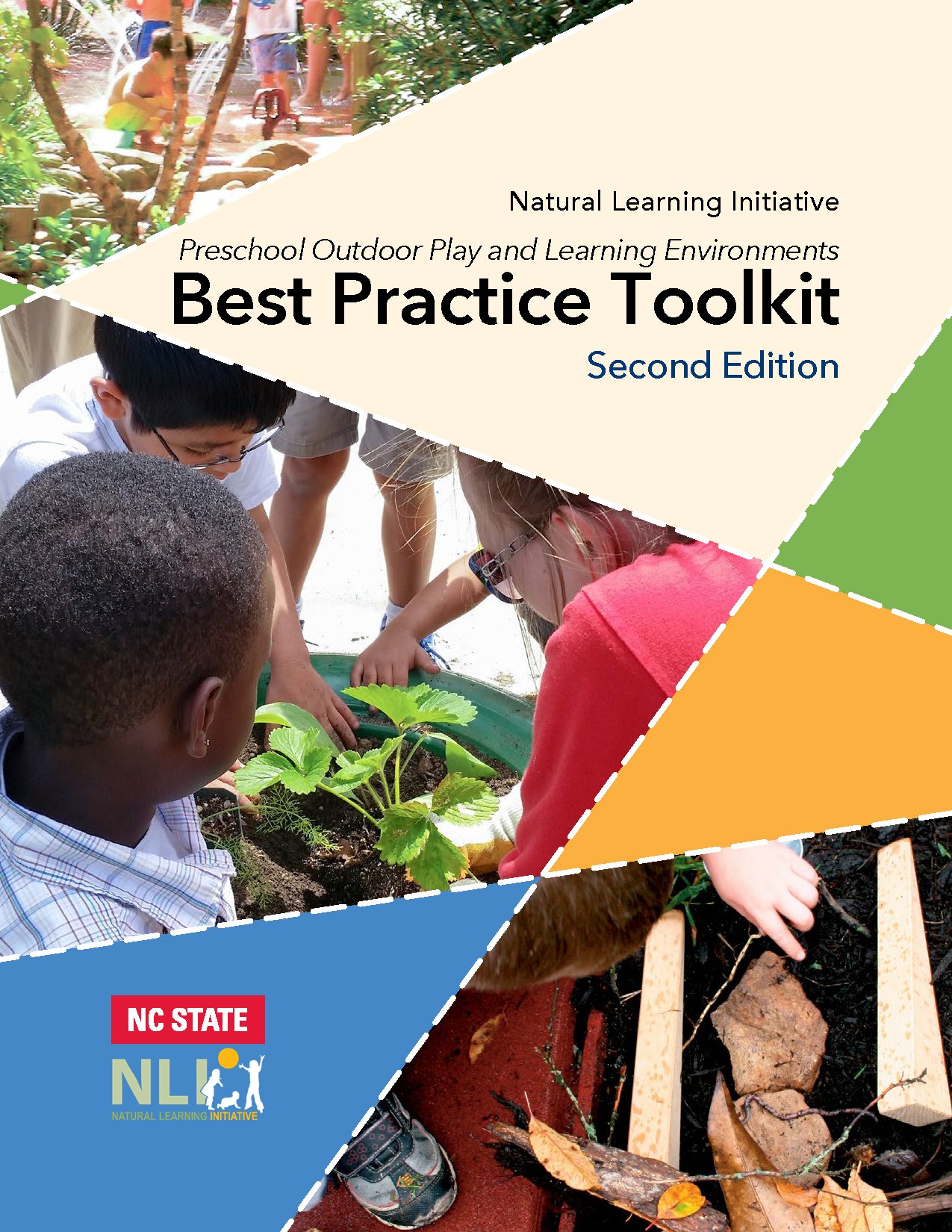
Preschool Outdoors: Best Practice Toolkit (2nd Ed.)
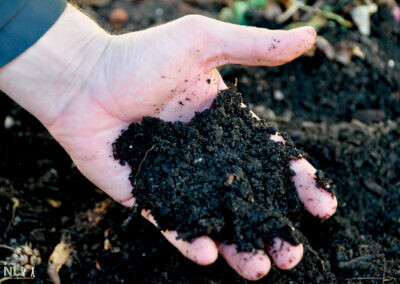
Stormwater Management
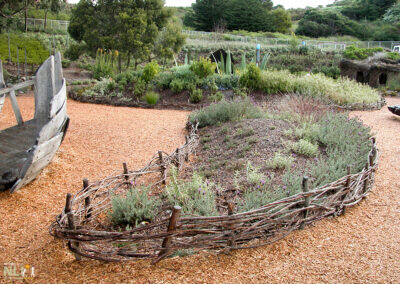
Plant Bed Protection
Plants for Play (PDF)
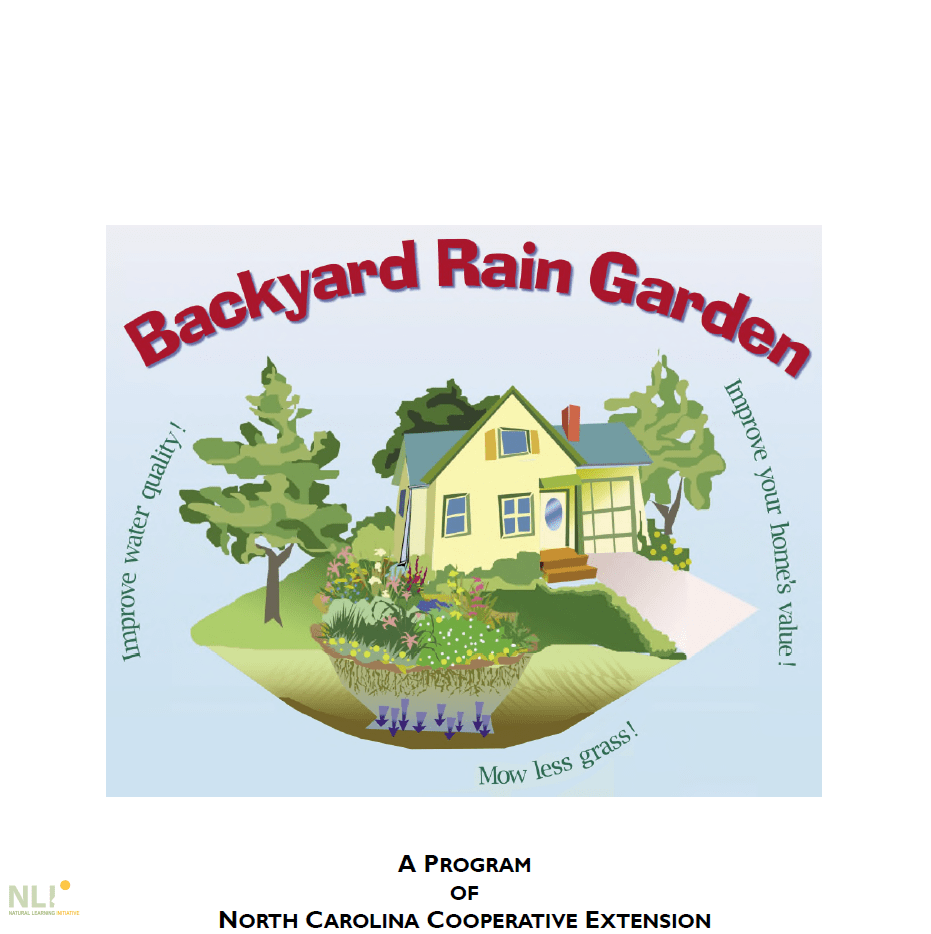
Backyard Rain Garden (PDF)

Sun Safety Facts
Plant Database

Plant Toolbox
Based on more than 25 years of research and practice, the NLI best practice indicators offer a structured, evidence-based/informed tool, including concepts, definitions, terminology, and assessment measures for increasing the quality of outdoor play and learning environments in childcare centers, including naturalization
Webinar 2 Resources
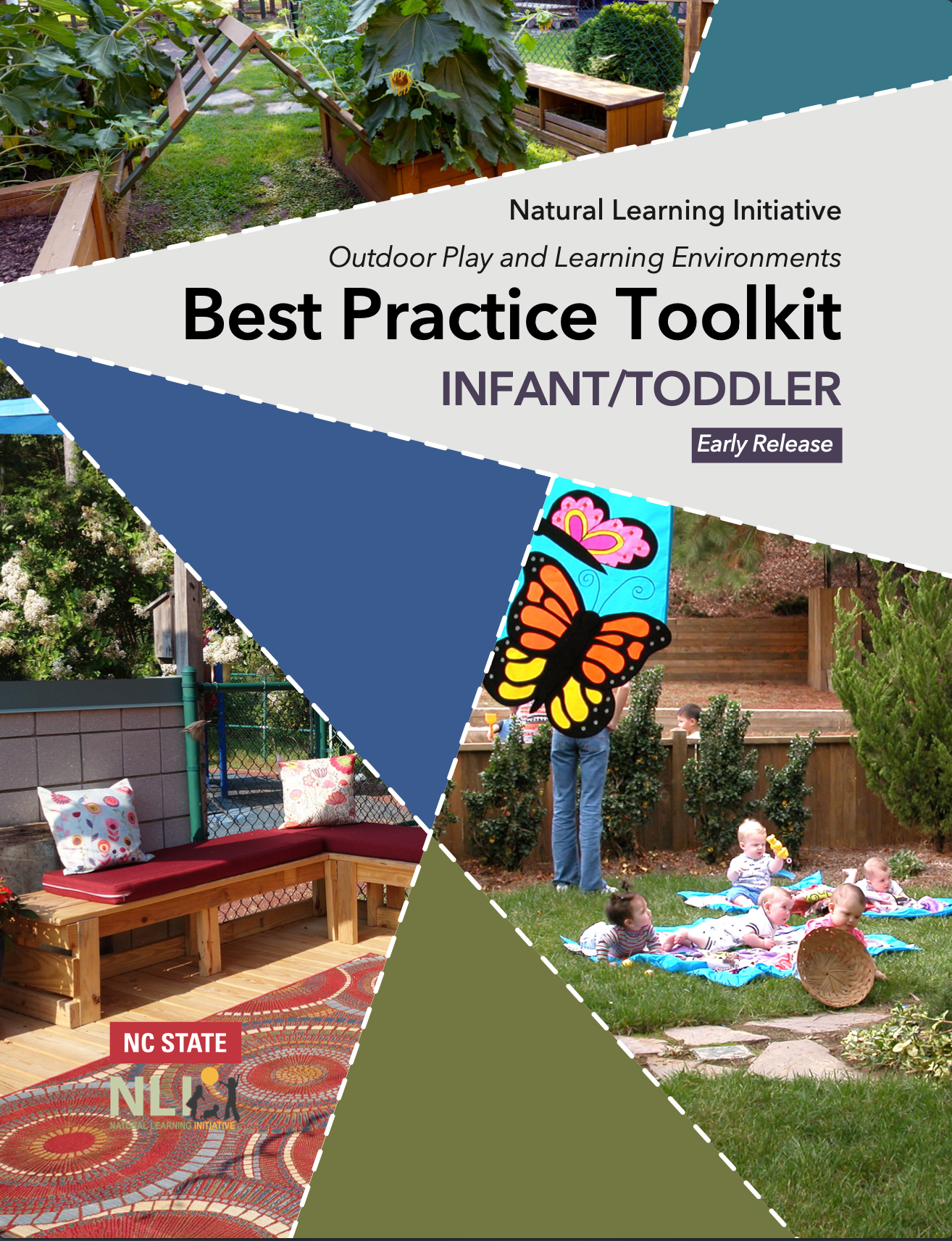
Infants & Toddlers Outdoors: Best Practice Toolkit (partial)
Shepherd’s Way Infant Parklet
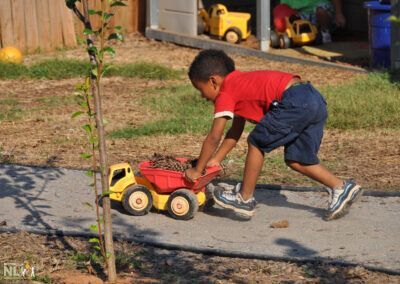
Top Ten Activity Settings For Outdoor Learning
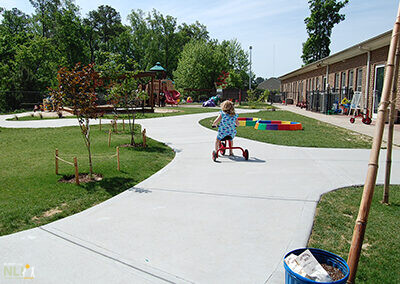
Pathway Designs
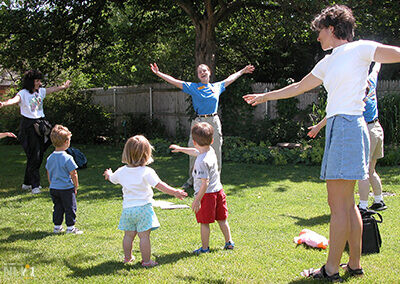
Multi-Purpose Lawns
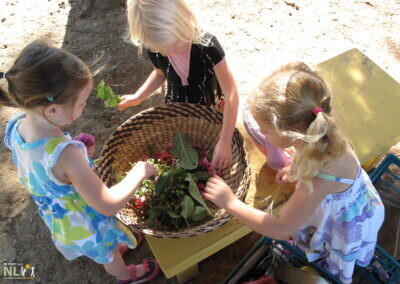
Loose Parts Settings
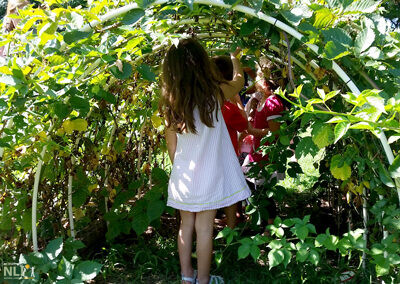
Shade Solutions
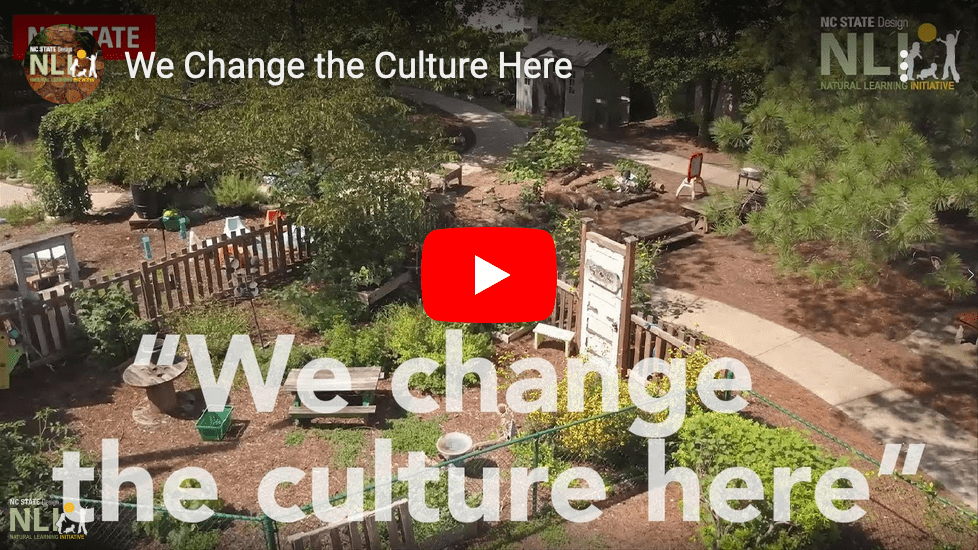
We Change the Culture Here
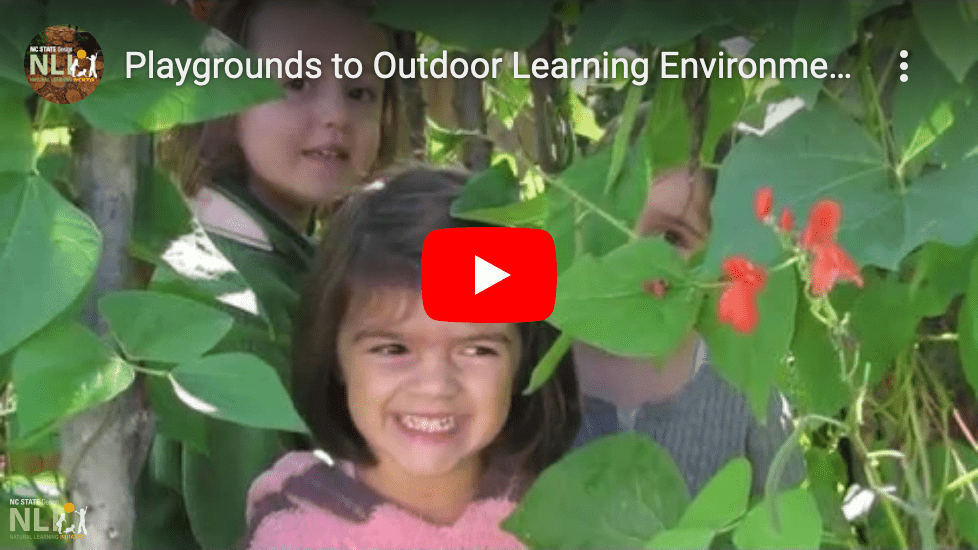
Playgrounds to Outdoor Learning Environments
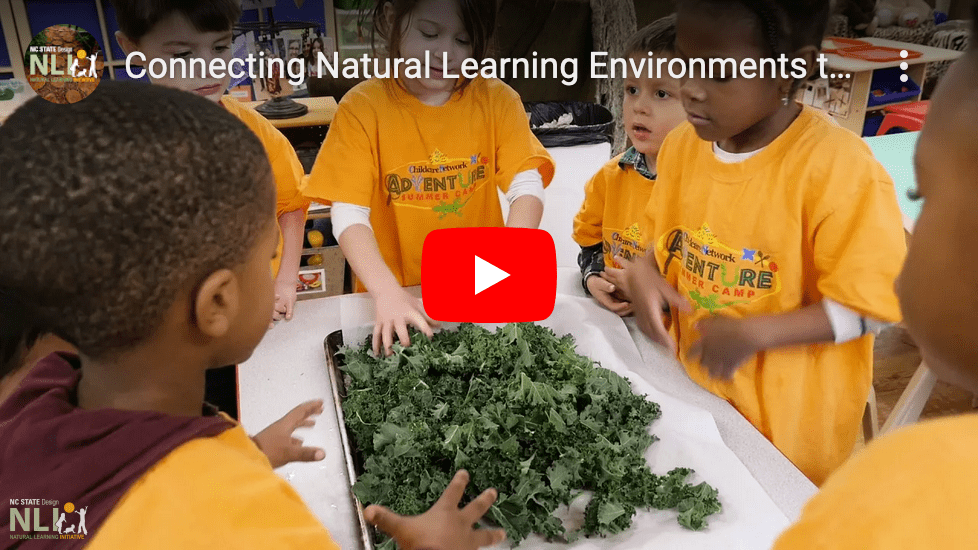
Childcare Network #61, Wanda Davis, Director
NLI Community-Based Design Process
Boosting children’s health through outdoor play and learning in naturalized childcare spaces, where children move more, learn fruit and vegetable gardening, and develop positive social relations. Here, they enjoy the freedom of scientific discovery in an open, continuously changing, naturalized environment, while being protected from overexposure to sunlight.
Webinar 3 Resources

Trying & Tasting New Flavors
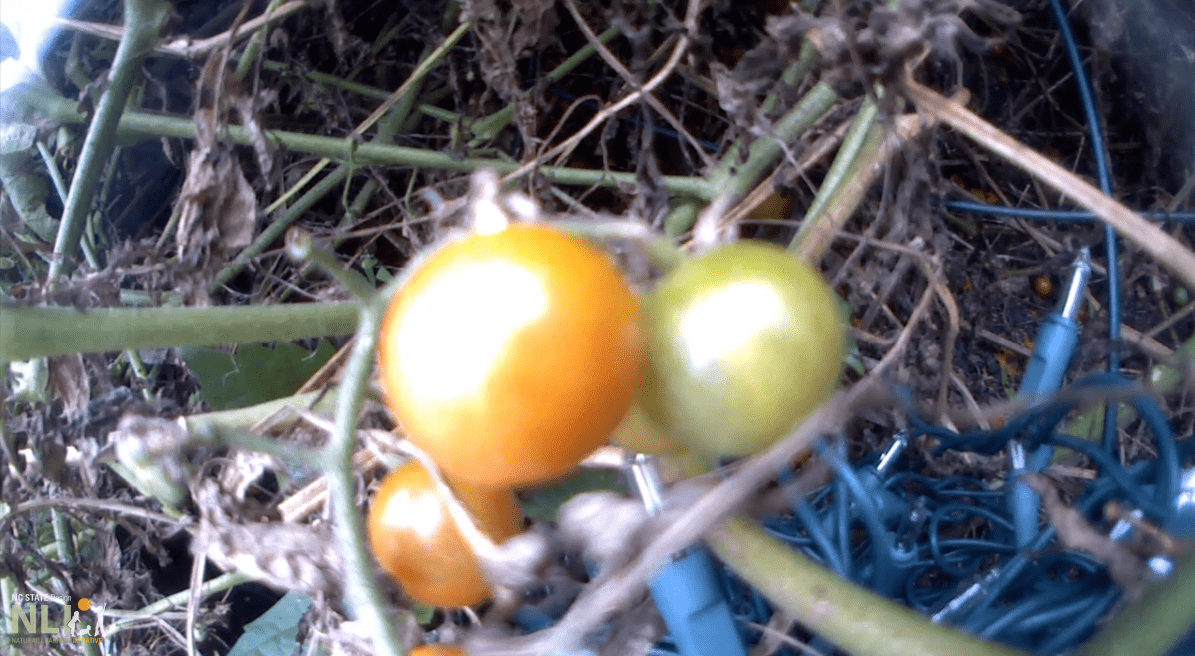
Observing Tomato Growth
Benefits of Engaging Children with Nature
Fire Ant Prevention and Treatment
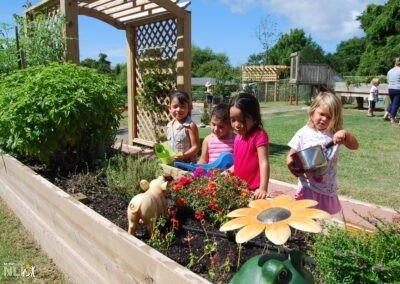
Early Childhood Fruit and Vegetable Gardens
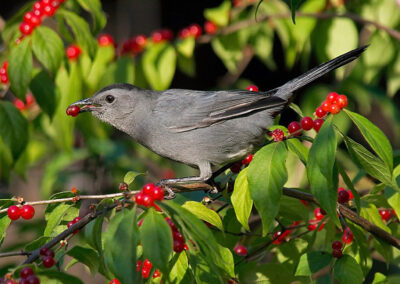
Attracting Birds to Outdoor Learning Environments
Promoting children’s health through hands-on gardening activities that encourage healthy eating, social-emotional growth, and physical well-being. Participants will explore garden types, easy steps to get started, and NLI resources like the Gardening Activity Guide and video series. Gardening offers children the joy of discovery, builds their confidence, and seamlessly integrates into classroom activities for year-round learning and development.
Webinar 4 Resources
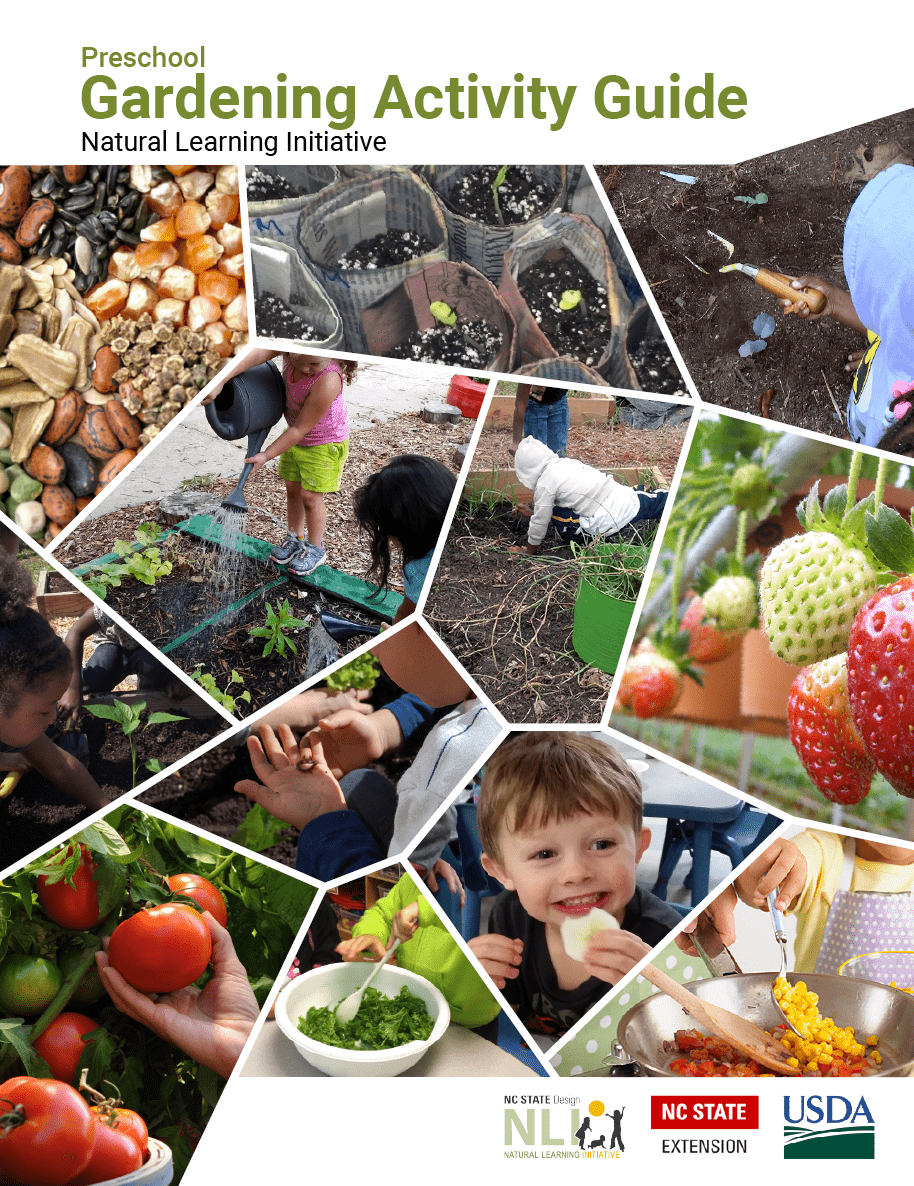
Preschool Gardening Activity Guide
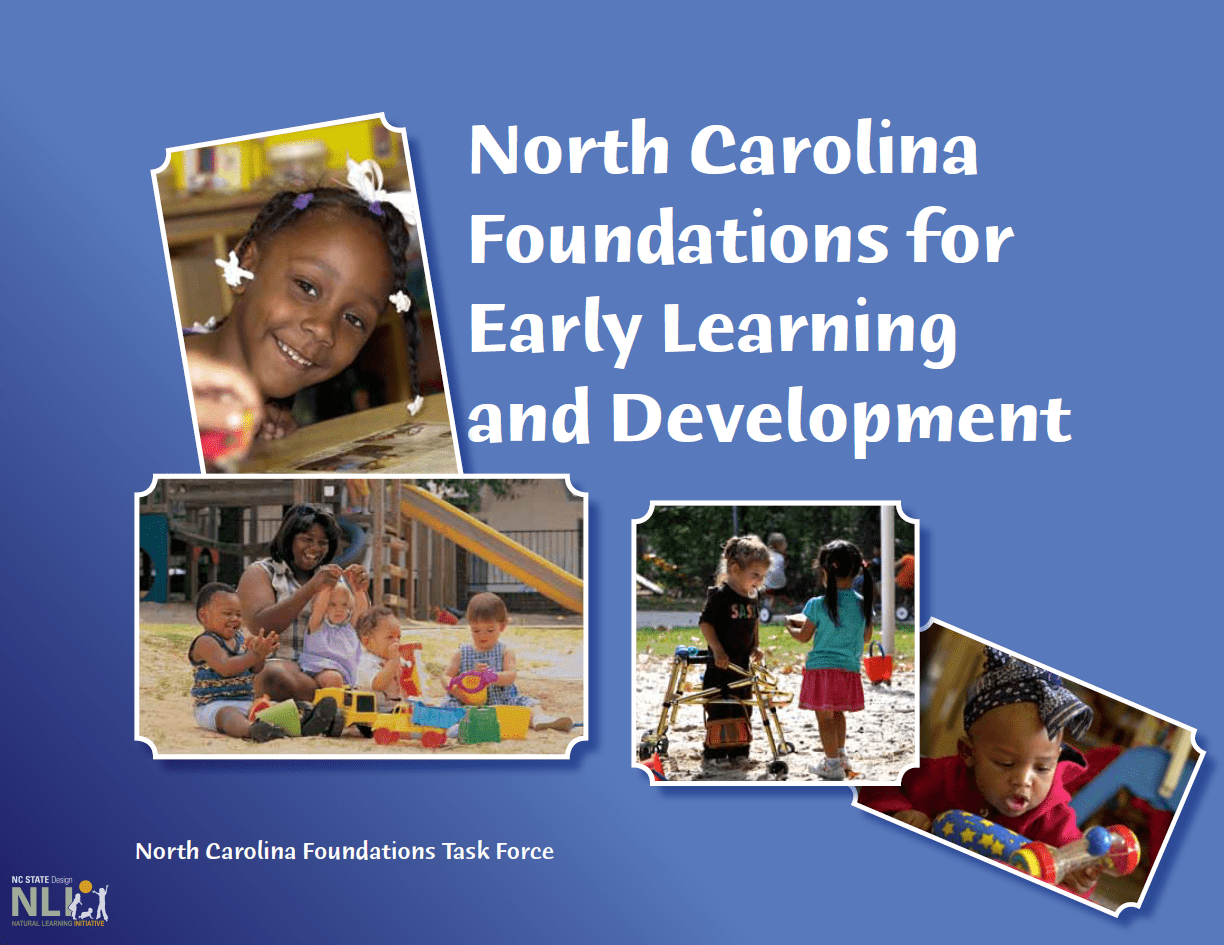
North Carolina Foundations for Early Learning and Development
North Carolina Foundations Task Force
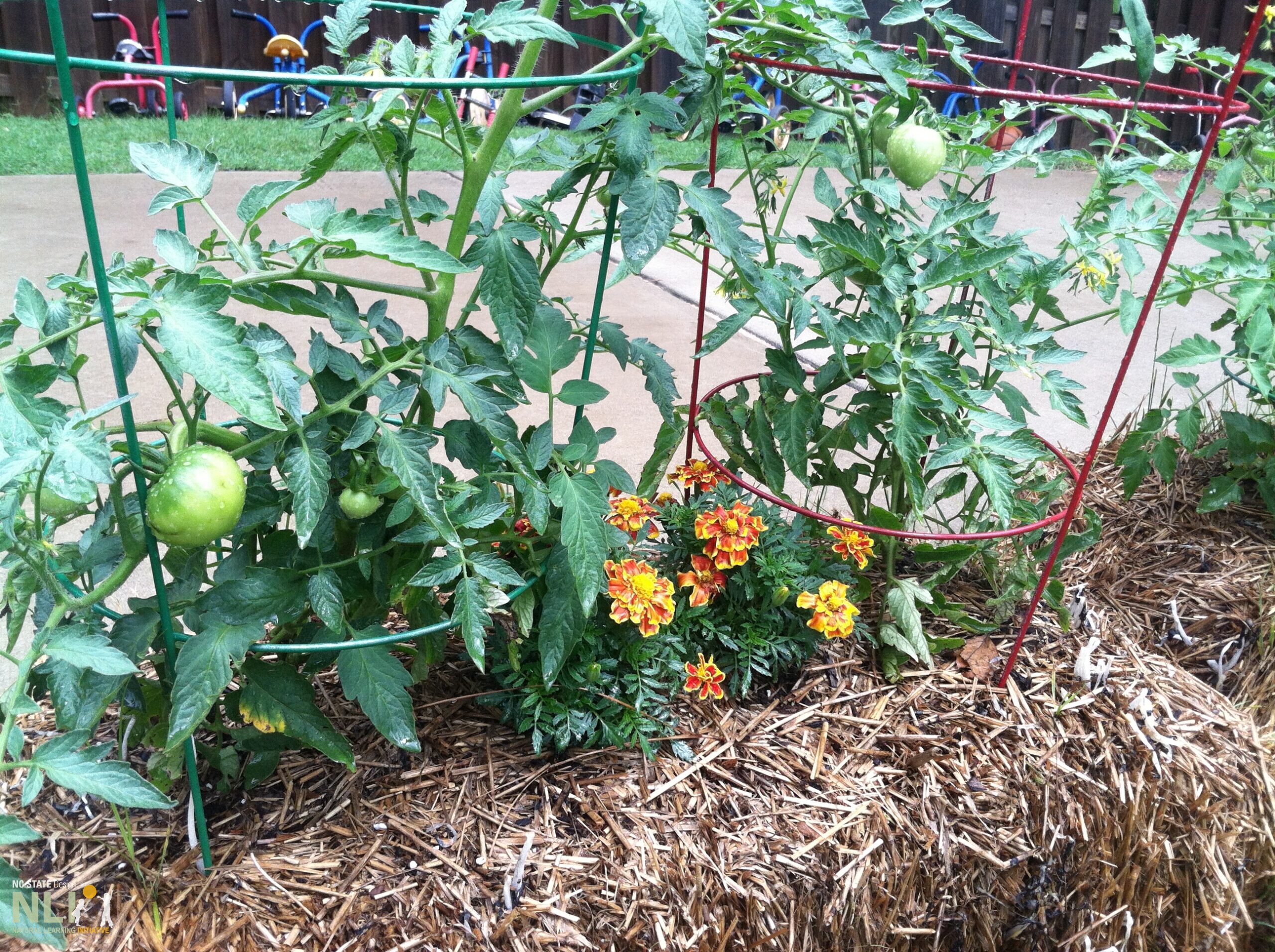
NLI Infosheets
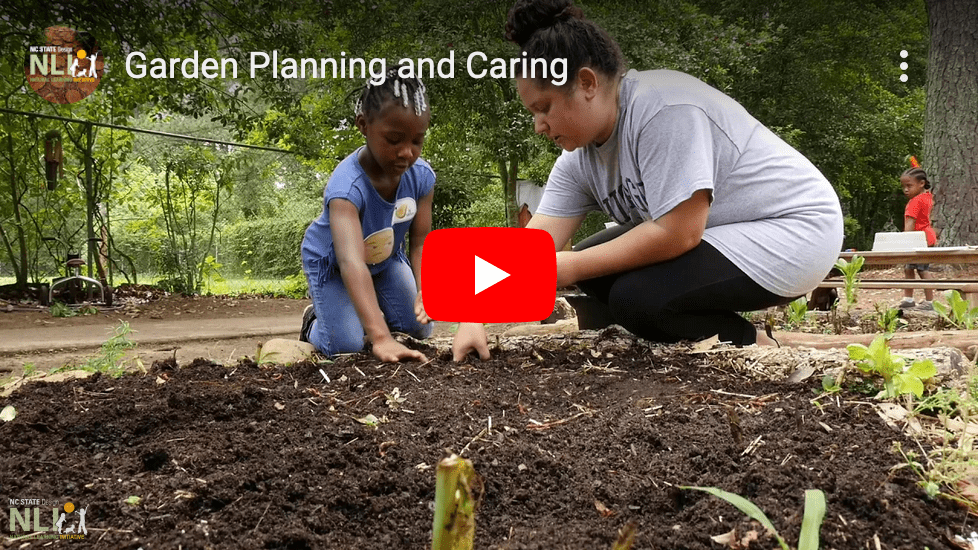
NLI Gardening Shorts
Join an informed conversation with licensing consultants, environmental assessors, and policy makers about naturalized play and learning environments. Please come prepared with your questions and concerns.
Webinar 5 Resources
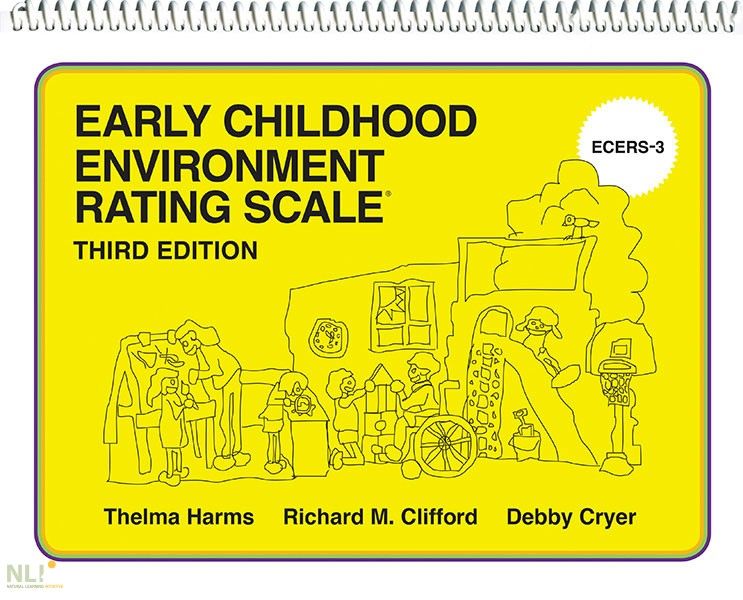
Get ready for the 3s (ECERS-3, ITERS-3, FCCERS-3)

Materials for Understanding Flu, COVID-19 and RSV
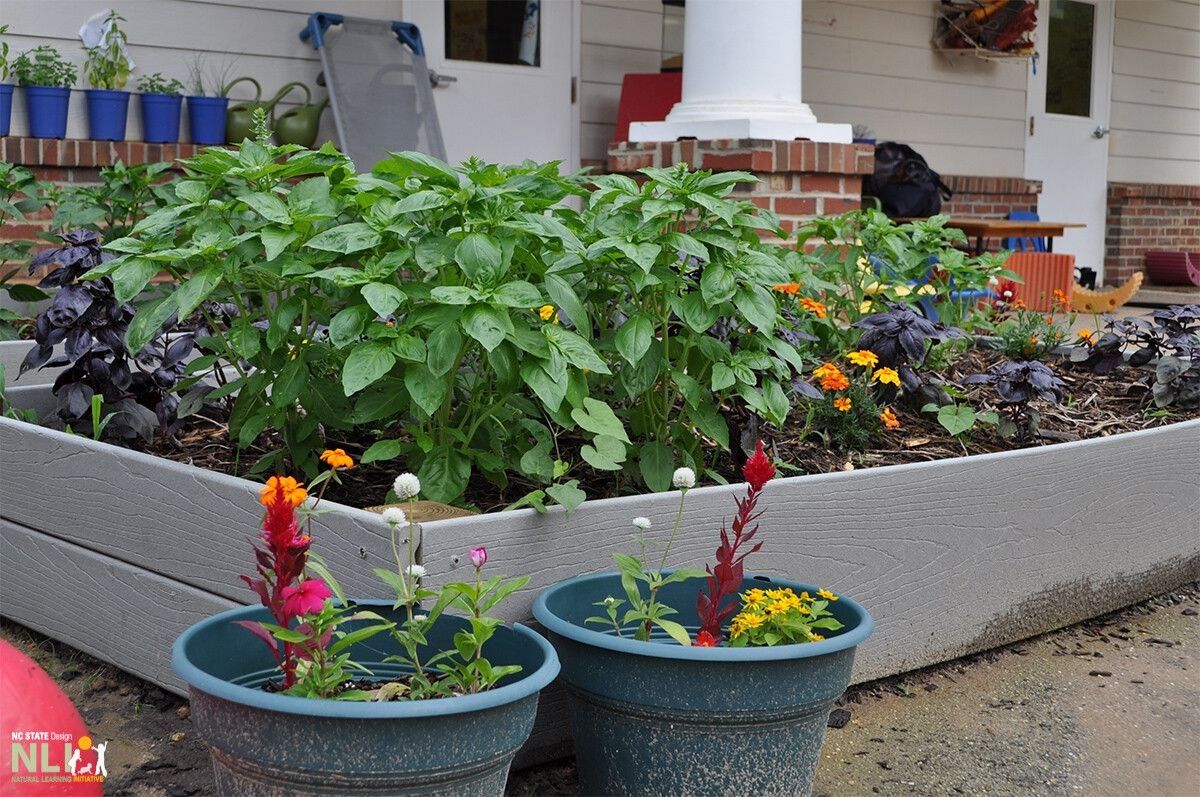
Spring Outdoor Play: Making the Most of the Season
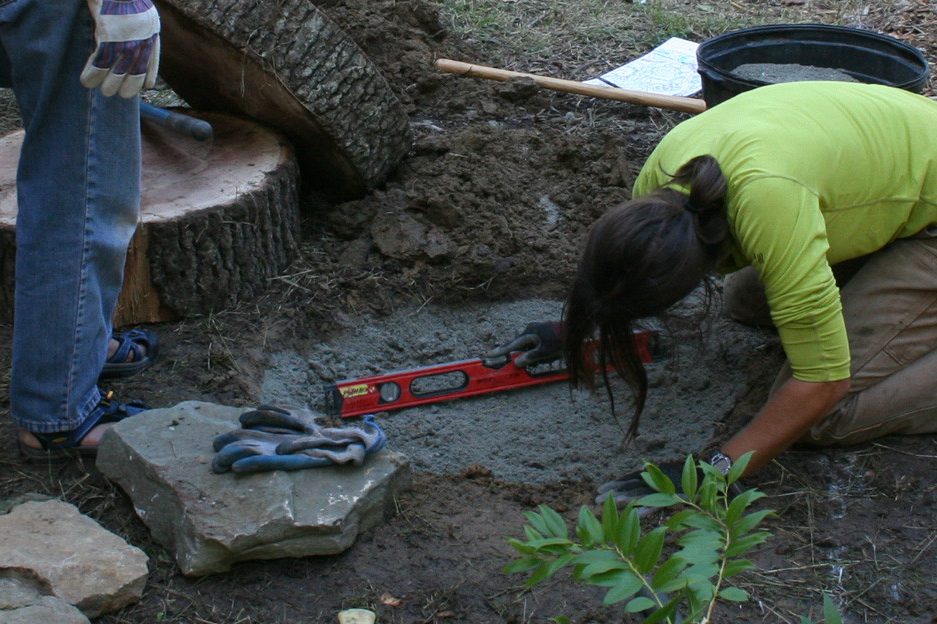
Installing Stepping Stones
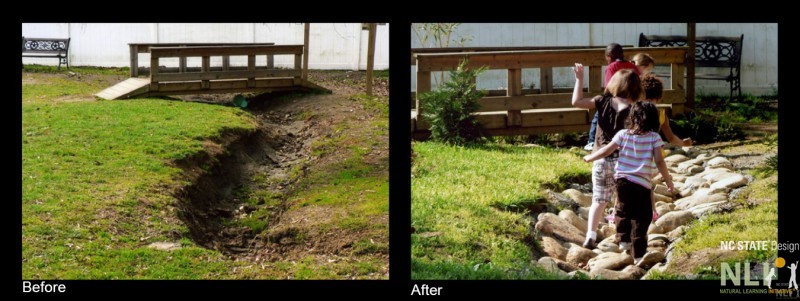
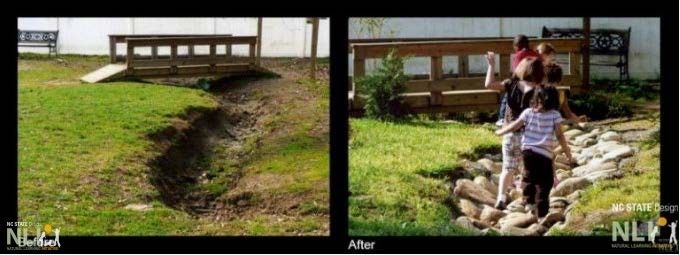
Draining Wet, Muddy Areas
North Carolina Child Care Health and Safety Resource Center

NCDHHS Environmental Health Section
Recognizing that financial resources are usually scarce and money is tight, what are the strategic first steps for creating sustainable, cost-effective, high value, shady settings that irresistibly “pull” children and teachers outdoors?
Webinar 6 Resources
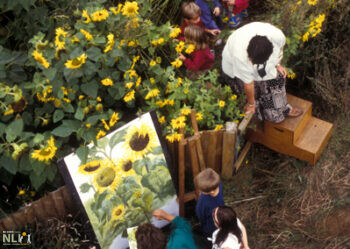
Affordable Settings and Components
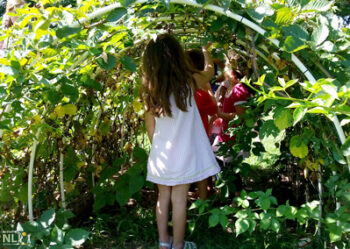
Affordable Shade Options
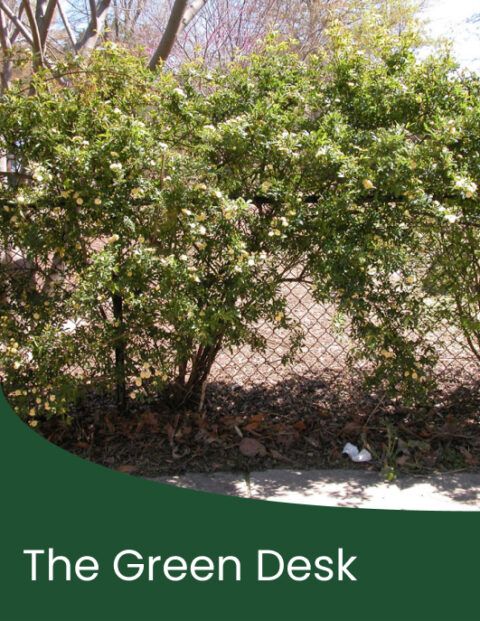
Naturalizing Chain link Fences
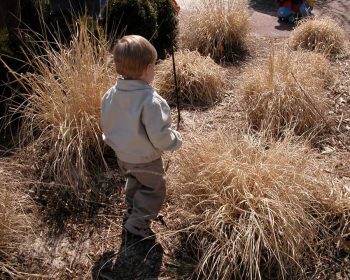
Grass Mazes
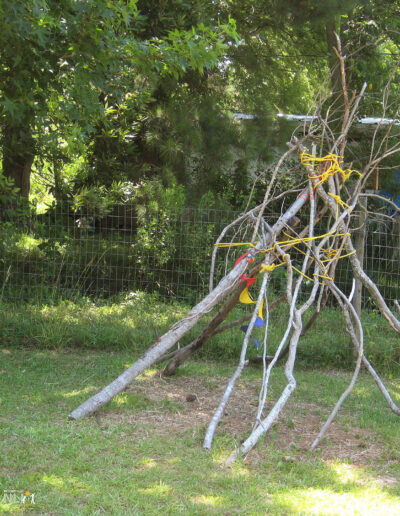
Natural Construction Settings
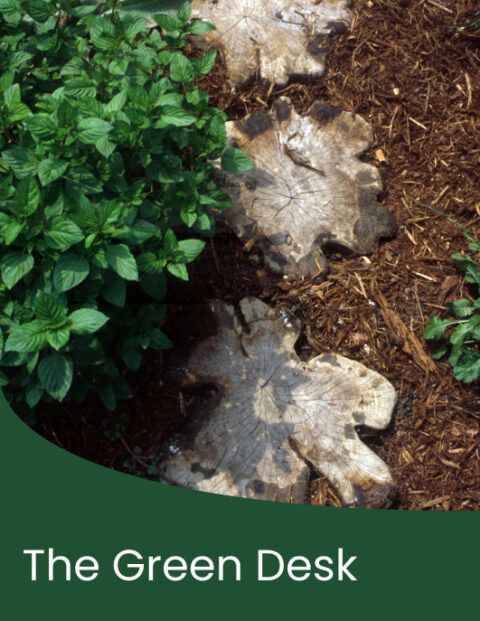
Tree Cookies for Play and Learning
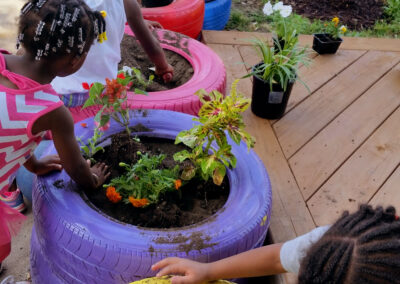
Tire Planters
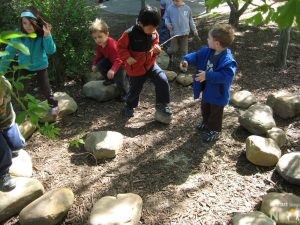
Sittable Stones and Boulders
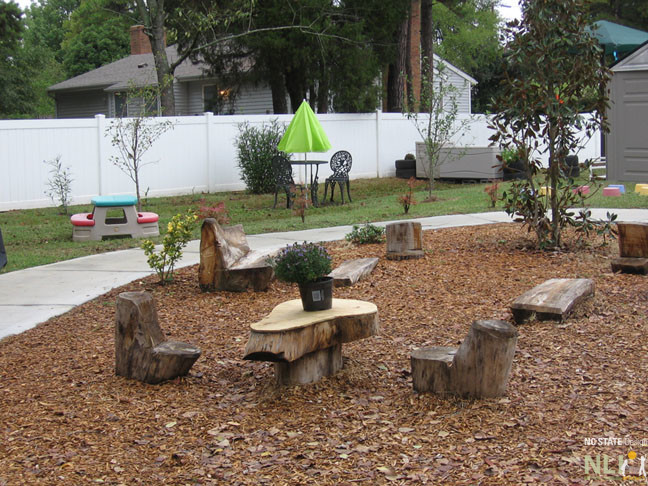
Log Seats
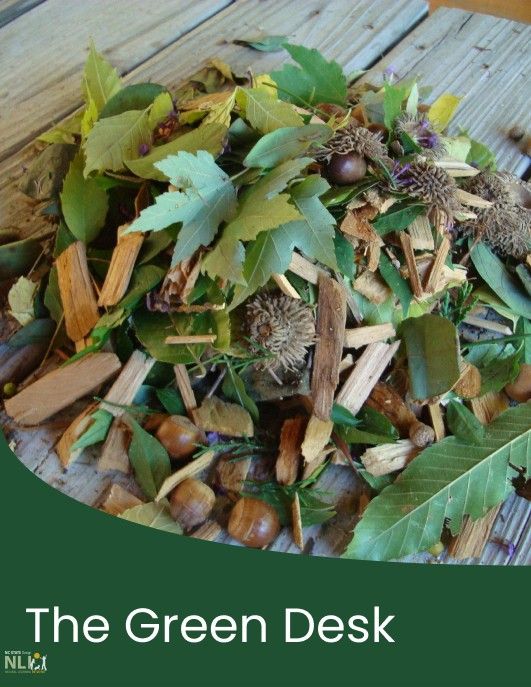
Natural Materials for Play and Learning
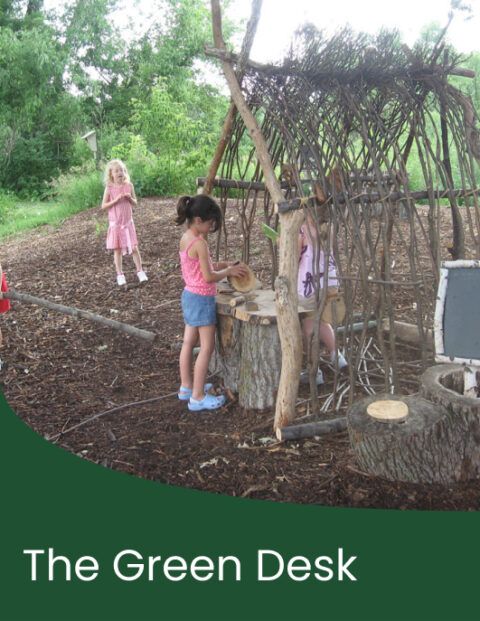
Natural Playhouse
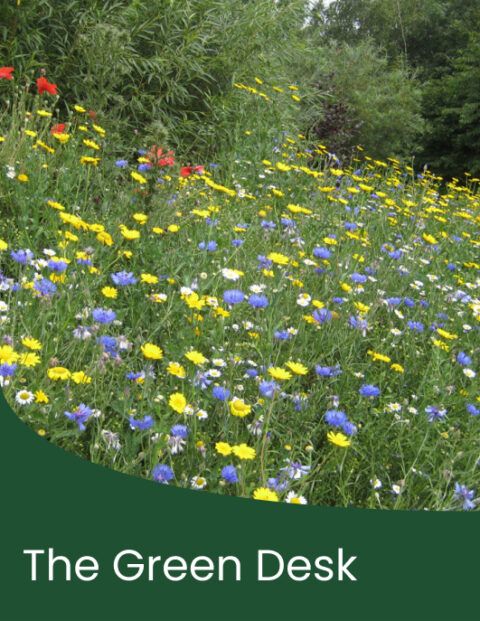
Wildflower Patch
What are the most effective strategies, materials, and methods for increasing the quality of outdoor play and learning environments using incremental developments that match center cash flow, installation priorities, and potential volunteer assistance.
Webinar 7 Resources
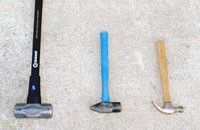
Tools & Equipment for OLE Installation
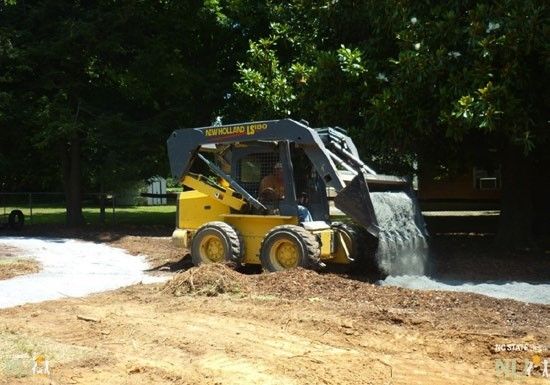
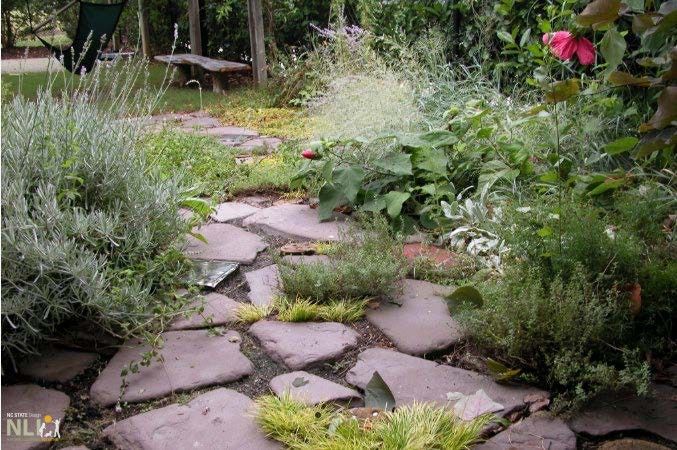
Pathway Installation: Concrete Alternatives
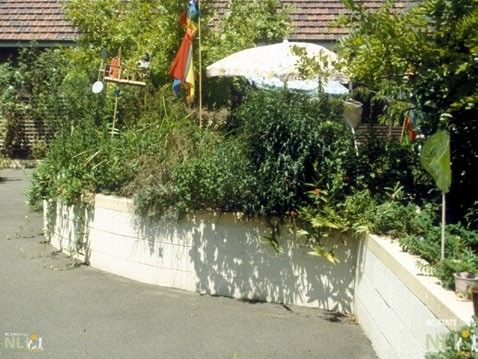
Safely Installing Planters on Asphalt
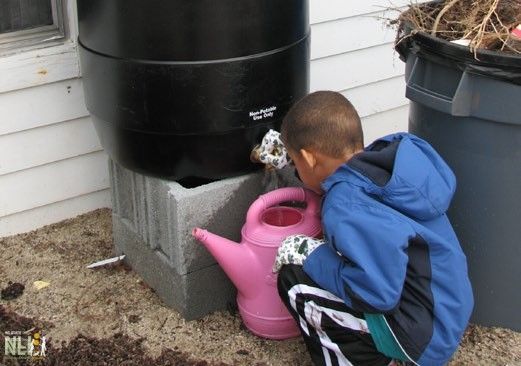
Installing a Rain Barrel

Need Gardening Help? Volunteers!
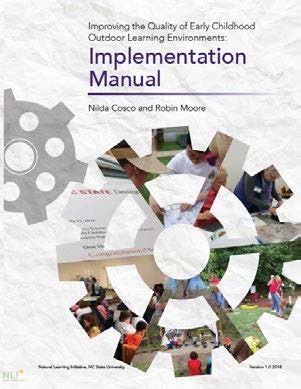
POD Installation Manual
This session is focused on clarifying “substantial part of the day,” “manips,” and other outdoor environmental assessment items that support hands-on, nature-based, outdoor learning practices. Please prepare your questions and concerns for this session.
Webinar 8 Resources
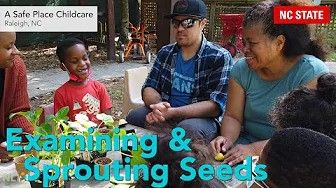
Examining & Sprouting Seeds
Leave a Reply