Research
Research Brief: Impact of Naturalized Early Childhood Outdoor Learning Environments
Download the PDF – English
Introduction
THE NATURAL LEARNING INITIATIVE (NLI) WAS FOUNDED IN 2000 to create high-quality environments for healthy childhood development in vulnerable communities in the spaces of everyday life (homes, early childhood centers, schools, afterschool programs, parks, special education centers, zoos, museums, botanical gardens, nature centers, and neighborhoods).
THE NATIONAL WILDLIFE FEDERATION partnered with NLI in 2016 to launch the Early Childhood Health Outdoors ECHO Colorado program (based on the POD model —see right) with planned ECHO National Expansion.
THE OUTDOOR LEARNING ENVIRONMENT (OLE) MOVEMENT STARTED IN 2007 in North Carolina when the Department of Child Development and Early Education replaced “playground” with Outdoor Learning Environment in the state licensing regulations for childcare centers.
PREVENTING OBESITY BY DESIGN (POD) WAS LAUNCHED IN 2007 BY NLI, to implement the OLE strategy across North Carolina. POD is a health promotion, built environment intervention aimed at increasing early childhood physical activity, healthy eating, outdoor learning, and daily contact with nature. The strategy is supported by evidence-based design assistance, professional development, higher education curricular modules, and resource dissemination. OLE implementation is driven by a participatory design process using a repertoire of field-tested activity settings to create master plans that guide incremental development, implemented as funding and volunteer community assistance become available. To date, 120 model sites have been created across North Carolina, including those resulting from the 2011 adoption of POD as the built environment component of Shape NC.
Texas Department of State Health Services has adopted POD as OLE! Texas. South Carolina Department of Health and Environmental Control is also implementing POD.
Why Naturalize?
THE MAJORITY OF U.S. CHILDREN OF WORKING PARENTS ATTEND SOME FORM OF CHILDCARE, often eight to ten hours per day, which makes naturalization an important cost-benefit strategy for children’s overall healthy development. Children must attend school at age five and by choice for four-year-olds in some states. Legal obligations to attend school must be matched with societal and policy obligations to provide the best possible nurturing environments where children can excel. Research tells us that contact with nature is a required ingredient in children’s daily experiences.
TODAY’S CHILDREN AND FAMILIES FACE LIMITED OPPORTUNITIES TO CONNECT WITH THE NATURAL WORLD. In his book, Last Child in the Woods, Richard Louv (Louv, 2008), called this phenomenon “nature-deficit disorder” and opened the nation’s eyes to the historic, beneficial effects of nature for previous generations. In contrast, Louv documented the barriers that now limit children’s experience of nature, including dramatic changes in contemporary family life. Even in early childhood, children spend more time viewing screens indoors than being physically active outside. Childhood time is overly structured. Parents are apprehensive about letting kids roam outdoors. Urban crime can be a deterrent. Families are eating more processed, high-calorie foods due to their busy schedules, which reduces opportunities for family time and sit-down meals (Capizzano and Main 2005).
CHILDREN NEED TO BE SPENDING MORE TIME OUTDOORS PLAYING FREELY IN NATURAL SETTINGS. In his landmark book, Free to Learn (Gray, 2015), the evolutionary psychologist, Peter Gray, noting human dependence on nature, underscores a long list of psychological, physical, and social benefits of free, spontaneous play, and the negative consequences to children and society of “play deprivation.” In the past decade, the benefits of free play and contact with nature have been well documented in numerous scientific research studies and publications. Collectively, this body of research shows the healthy development of children is positively impacted as the following list of selected sources indicates:
NATURALIZATION IS A STRATEGIC POD COMPONENT that enhances OLE biodiversity by adding trees, shrubs, vines, and ground covers to pre-POD spaces where nature has been removed. Typically, the outdoor spaces of childcare facilities are bereft of nature because the land was cleared for building and not restored. Drainage and soil quality may also need improvement prior to planting. Naturalization broadens the diversity of children’s play and learning experience, contributes to positive physical, social-emotional, and cognitive development boosts human immune systems, exposes children to living ecosystems, and stimulates their curiosity to explore the wonders of nature early in life. The importance of naturalizing outdoor learning environments in early childhood is strongly supported by the rapidly growing research literature.
NATURALIZATION HAS BECOME INCREASINGLY IMPORTANT because the growth of cities during the industrial era left a legacy of de-naturalized urban neighborhoods, especially in low-income areas. Postindustrial development in the last few decades has seen many encouraging examples of nature restoration to barren urban lands. Although a new era of urban landscape restoration is underway, it is often located far from the daily lives of children. As the planet continues to urbanize, “nearby nature” or neighborhood common lands should be conserved where children live. Too often they are removed. Restoration of nature to the everyday spaces of early childhood must become a central goal to all who care about children’s healthy development and the experience of nature in our daily lives. The 2020 pandemic urgently highlights the foregoing statement, especially to restore nature to the places where children and youth should spend major time outside — in childcare centers, schools, and residential neighborhoods.
CULTURAL AND ENVIRONMENTAL CHANGES HAVE LED TO AN EPIDEMIC OF CHILDHOOD OBESITY, which presents serious health threats for children including heart disease, diabetes, sleep apnea, and social and psychological problems. Many US young children are considered overweight and obese (State of Obesity Report).
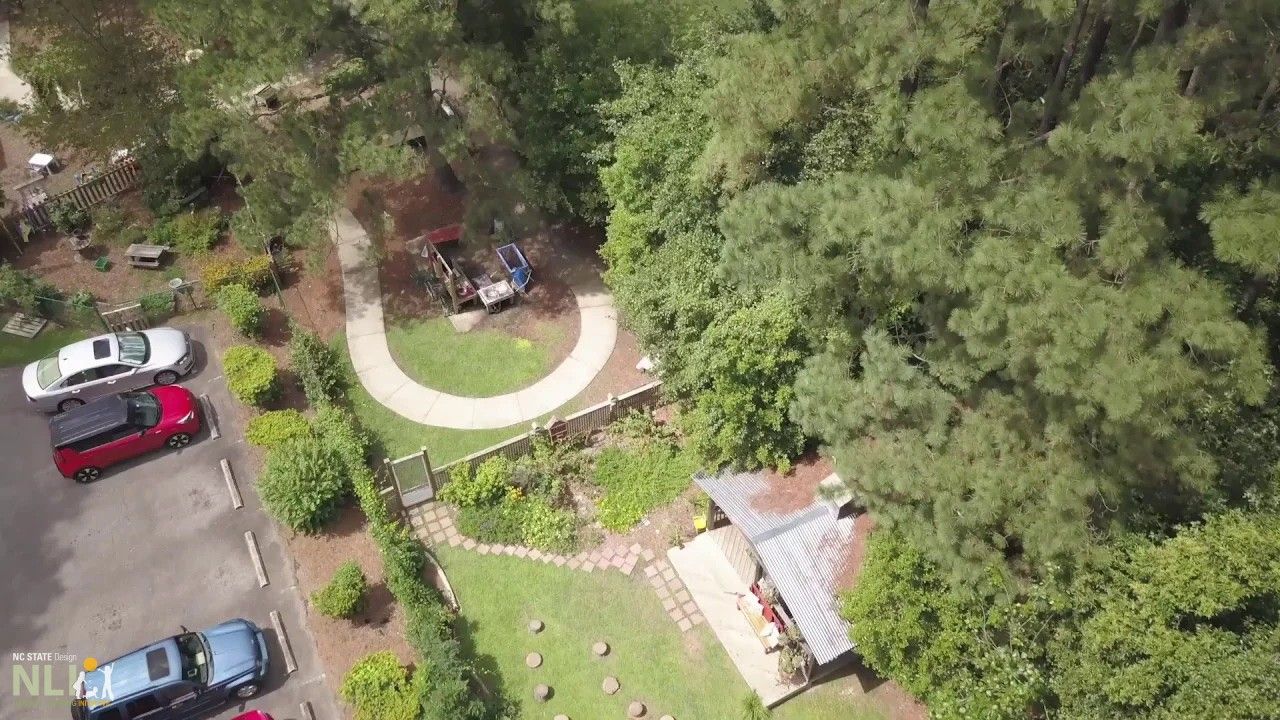
BEST PRACTICE OLE DESIGN restores nature to child development centers and primary schools by incorporating trees, shrubs, vines, flowers, grasses, edible fruits, and vegetables, together with a variety of built settings, features, and components. The goal is to create play and learning spaces that engage children with each other to share diverse, salutogenic (health-promoting) experiences every day.
“Green environments are an essential component of a healthy human habitat.”
—Frances Ming Kuo, 2010
Multiple Benefits of OLE Naturalization
(*) Research by the Natural Learning Initiative
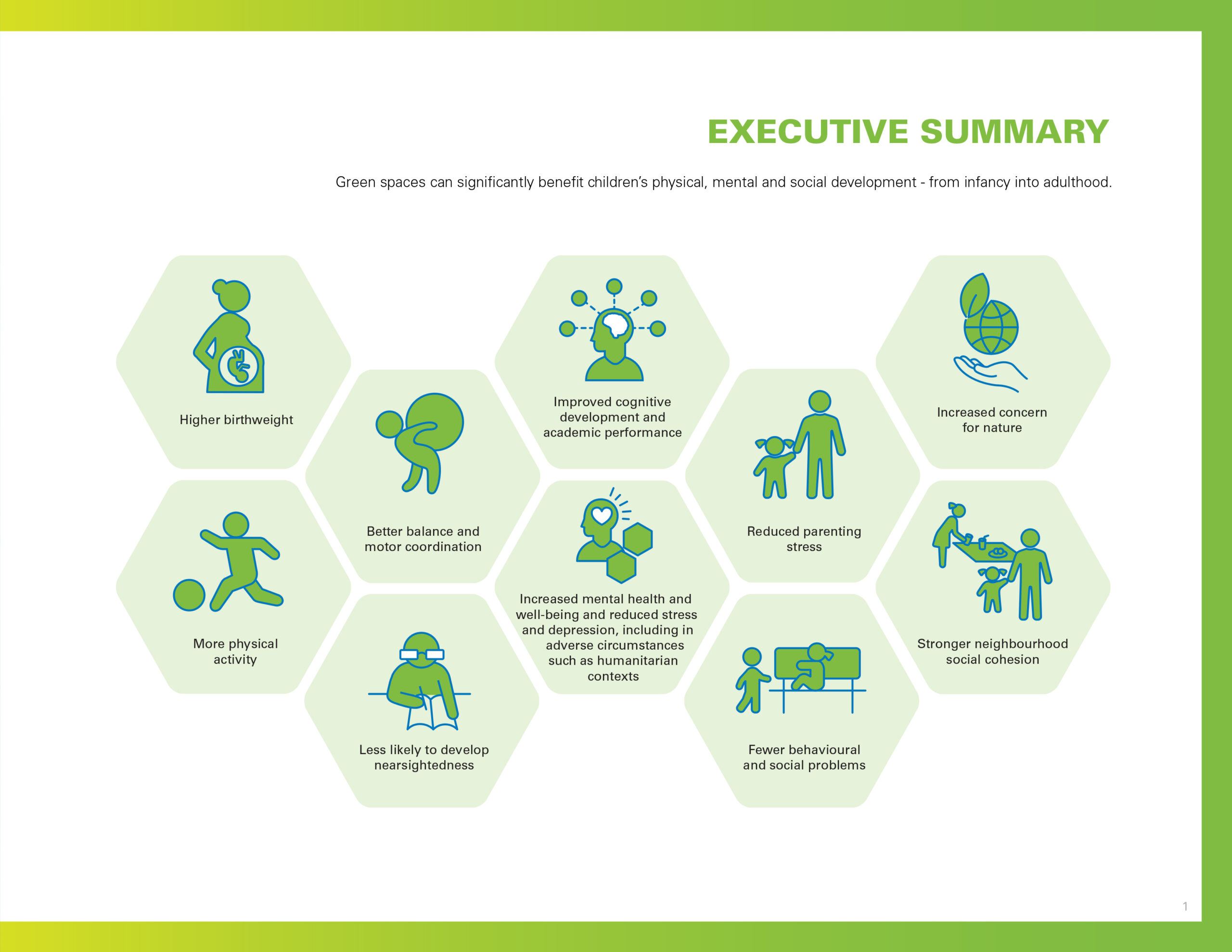
- Supports multiple development domains. Nature is important to children’s development in every major way—intellectually, emotionally, socially, spiritually, and physically (Kellert, 2005).
Physical Health Benefits
The obesity crisis is not going away. In many U.S. states, the crisis continues to worsen (Trust for America’s Health: State of Obesity Report 2019). Racial and ethnic disparities, combined with 18.5% of children being obese, is a particularly worrisome reality, now reinforced by the increased sedentary environment of COVID-19. It is now more important than ever for all children to be in naturally ventilated spaces outside, to reduce virus spread and to receive the health promotion benefits that nature has always offered.
- Increases physical activity. Children who experience play areas with diverse natural settings are more physically active, more aware of nutrition, more civil to one another, and more creative (Finn et al., 2002; Dyment and Bell, 2007). Children engage in more vigorous activity outdoors than indoors (Raustorp et al., 2011).* Lush environments support increased levels of physical activity of preschool children by motivating free-play and hands-on learning experiences (Boldemann et al., 2015).* Levels of physical activity in young children attending child care centers may be influenced by culture, geographic differences, and educational approaches (Boldemann et al., 2015).*
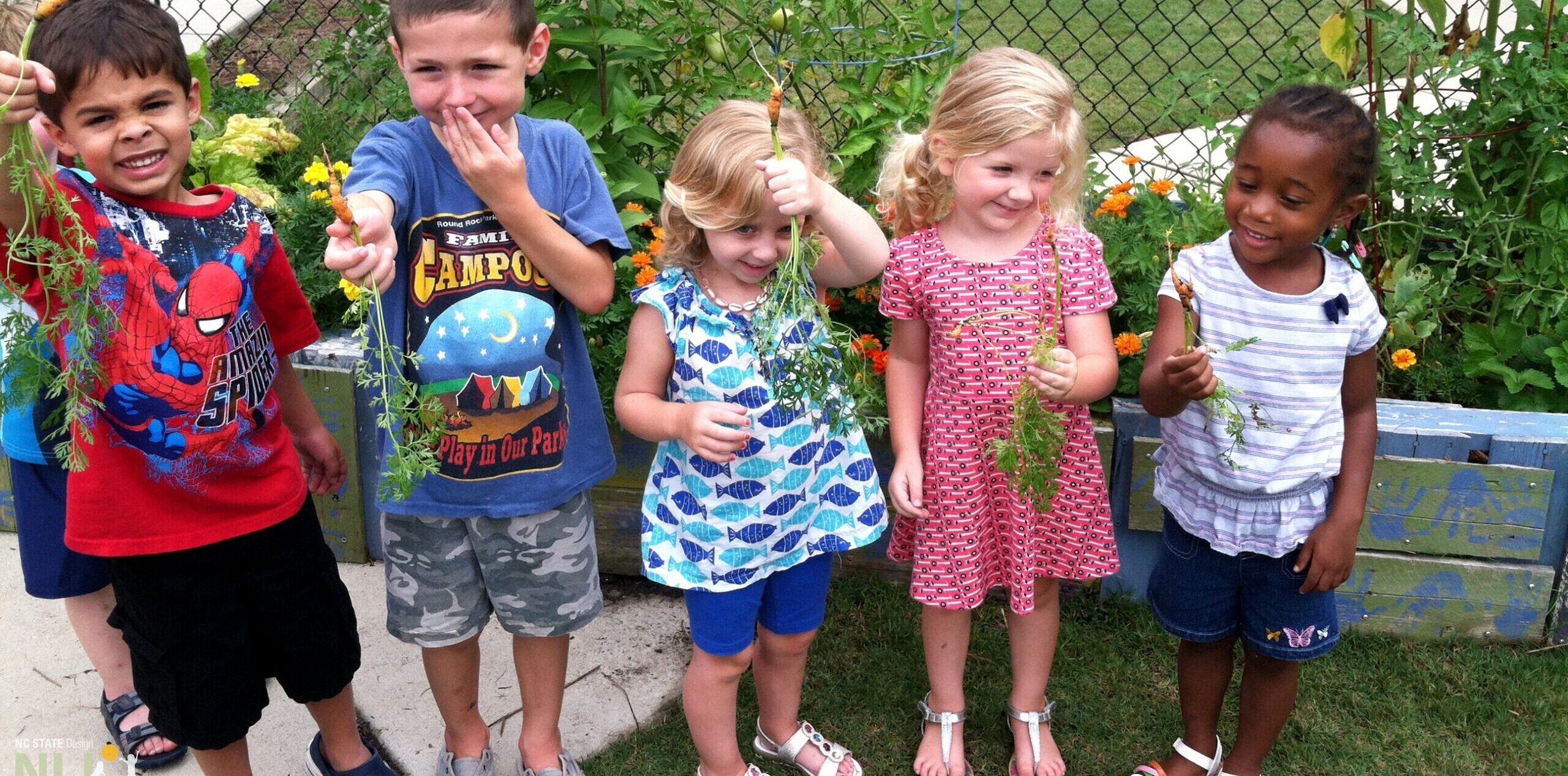
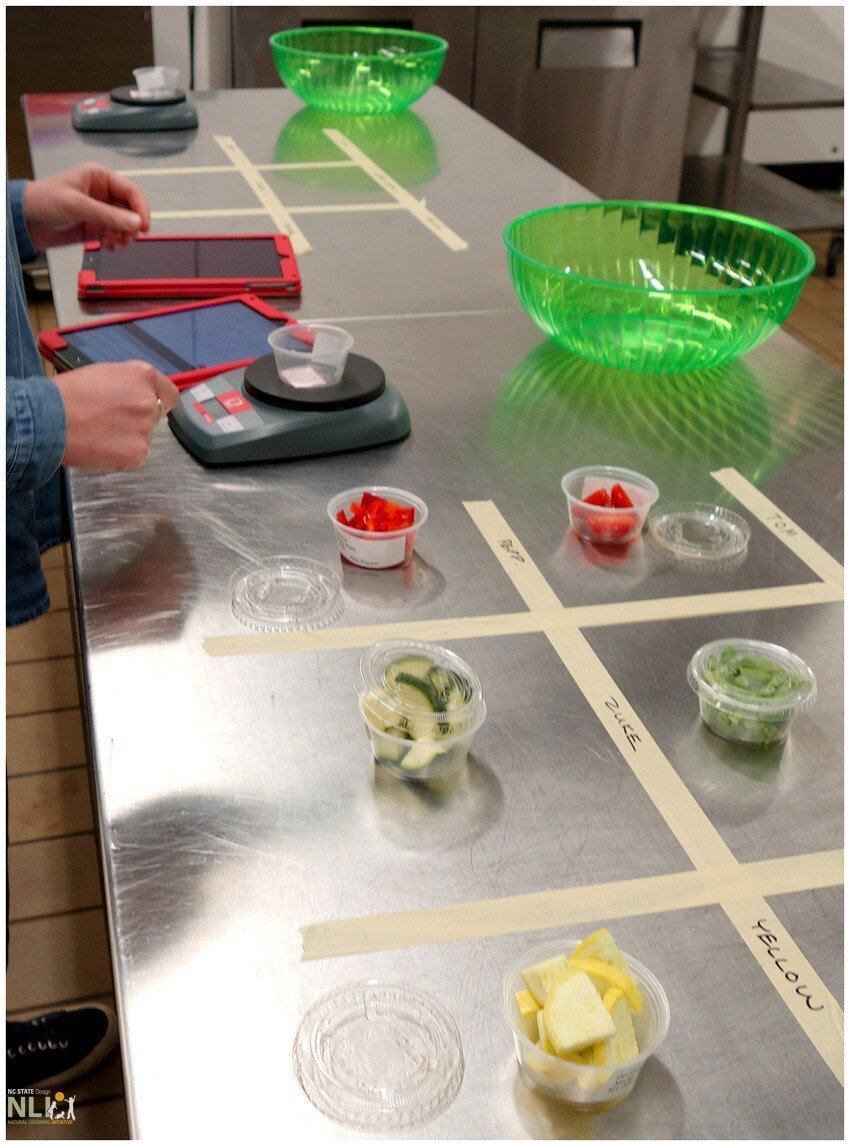
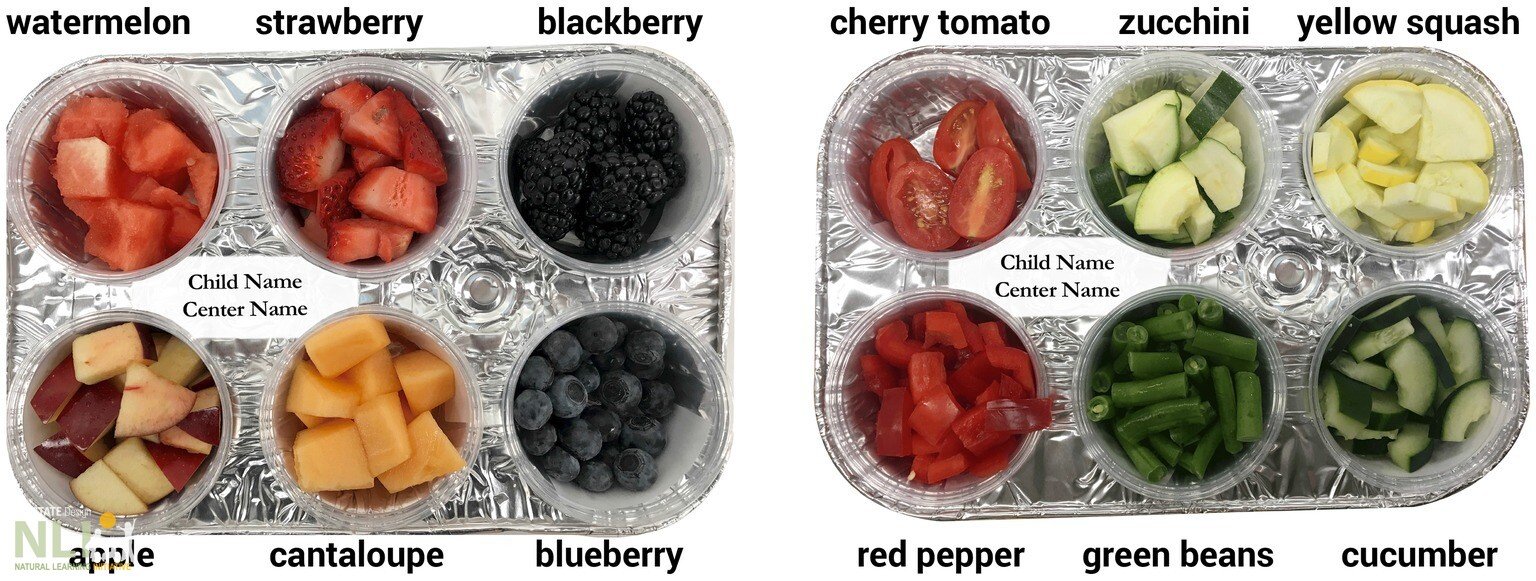
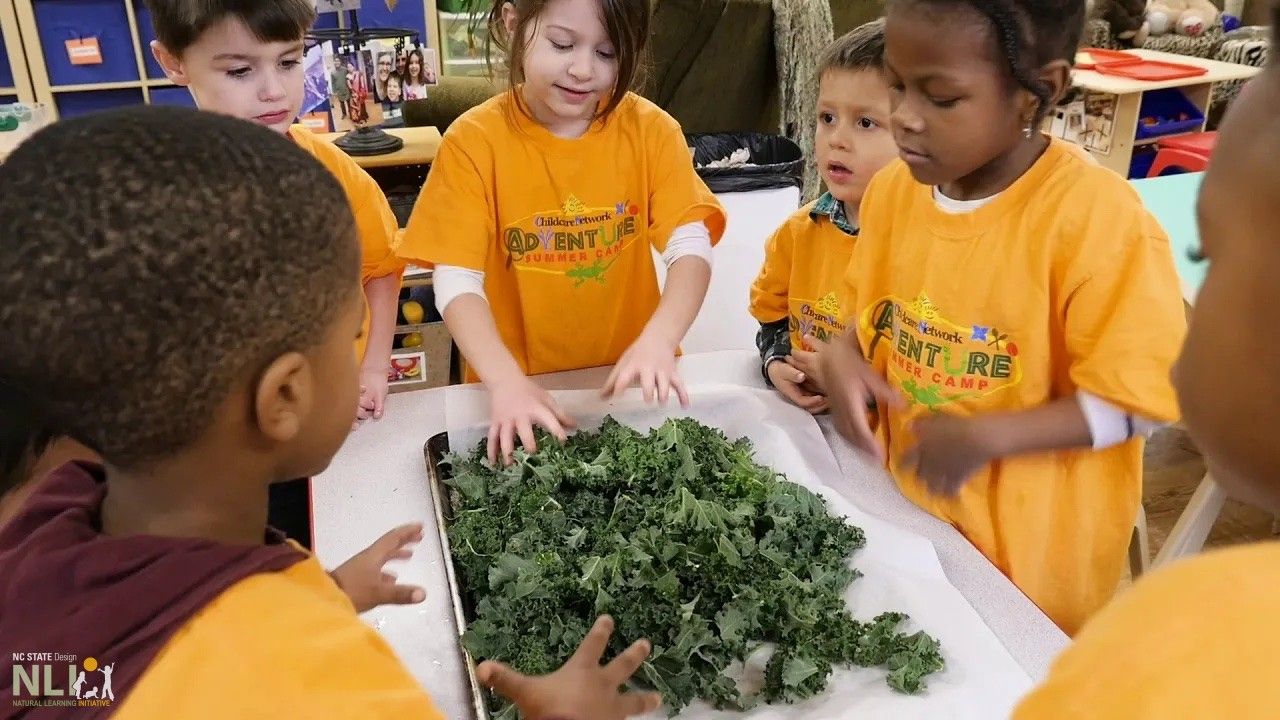
- Improves nutrition. Children who grow their own food are more likely to eat fruits and vegetables (Cabalda et al., 2011). Preschool gardening supports knowledge and consumption of fresh fruit and vegetables (Benjamin and Evans, 2011; Castro et al., 2013).
- Improves eyesight. Increased time outdoors is related to reduced rates of nearsightedness (myopia), in children and adolescents (Rose et al., 2008; Wu et al., 2013).
- Reduces risk of asthma and other allergies. Increasing biodiversity and contact with diverse living organisms from all sources of nature (plants, animals, insects, bacteria) is associated with the balance of individual microbiota, boosting the immune system, which may reduce allergies including asthma (Haahtela et al., 2013). Contact with environments rich in microbes in childhood reduces the risk of developing atopic disease later in life (Riedler et al., 2001).
Social-Emotional Benefits
- Improves social relations. Children will be smarter, better able to get along with others, healthier, and happier when they have regular opportunities for free and unstructured play in the out-of-doors (Burdette and Whitaker, 2005).
- Improves self-discipline. Access to green spaces, and even a view of green settings, enhances peaceful behavior, self-control, and self-discipline for inner-city youth, particularly in girls (Kuo and Sullivan, 2001).
- Reduces stress. Green plants and vistas reduce stress among children living under difficult circumstances. Locations with greater numbers of plants, greener views, and access to natural play areas show more significant effects (Wells, 2000). Outdoors are havens from stress (Chawla, 2014).
- Impacts positive behavior. After the outdoor renovation, 68% of center directors reported positive changes in children’s behavior and 40% mentioned edible plant installations as the greatest success (Cosco et al., 2014).*
- Increases cooperation. School studies found children played more cooperatively (Dyment and Bell, 2007).
Cognitive Benefits
- Supports creativity and problem-solving. Studies of children in schoolyards found that they engage in more creative forms of play in green areas (Dyment and Bell, 2007). Play in nature is especially important for developing creativity, problem-solving, and intellectual development skills (Kellert, 2005).
- Enhances cognitive abilities. Proximity to, views of, and daily exposure to natural settings increases children’s ability to focus and enhances cognitive abilities (Wells, 2000).
- Improves academic performance. Studies in the US show that schools using outdoor classrooms and other forms of nature-based experiential education
support, significant student gains in social studies, science, language arts, and math. (American Institutes for Research, 2005).
- Reduces Attention Deficit Disorder (ADD) symptoms. Contact with the natural world can significantly reduce symptoms of attention deficit disorder in children as young as five years old. The greener a child’s everyday environment, the more manageable are their ADD symptoms (Faber Taylor et
al., 2001; Faber Taylor and Kuo, 2009).
Conservation Benefits
- Childhood participation supports pro-environment attitudes and behavior in adulthood. Approximately 2,000 adults age 18–90 living in U. S. urban areas were interviewed regarding both their childhood nature experiences and current adult attitudes and behaviors relating to the environment. Childhood participation in “wild” nature such as hiking or playing in the woods, camping, and hunting or fishing was positively associated with pro-environmental attitudes and behaviors. Childhood participation with “domesticated” nature such as picking flowers or produce, planting trees or seeds, and caring for plants was positively associated with pro-environmental attitudes and marginally related to environmental behaviors (Wells and Lekies, 2006).
- Supports environmental protection behaviors. Positive direct experience in the out-of-doors and being taken outdoors by someone close to the child-parent, grandparent, or other trusted guardian—are the two factors that most contribute to individuals choosing to take action to benefit the environment as adults (Chawla, 2014).
- Trees are important for protecting children from harmful sun radiation. Creating habitats for plants and wildlife restores ecosystems while providing children with a health-promoting environment. Forty-eight percent of North Carolina providers mentioned trees as adequate sun protection for children in childcare centers (Natural Learning Initiative 2003 survey (N=328). Vegetation has a protective effect and supports longer stays outdoors. Naturalization is a cost-effective health promotion strategy (Boldemann et al., 2015).*
Design Impact
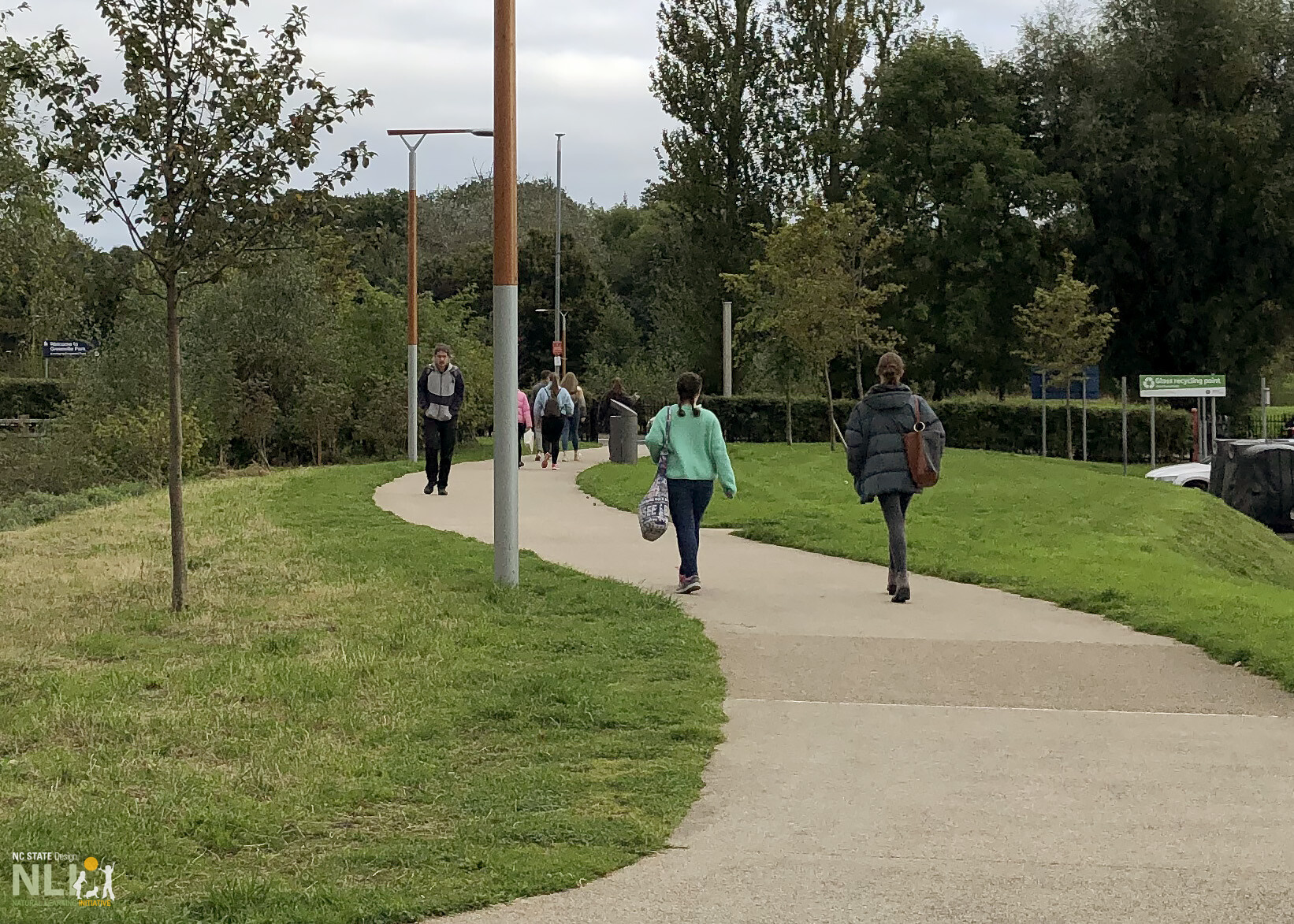
- Preschool physical activity levels are associated with the additive effect of the layout of the site, its components, and its attributes. Diverse play areas containing pathways and natural elements, and combining a range of settings sizes are expected to be most active. The most active setting is likely to be a wide, curvy, wheeled toy pathway (Cosco, 2006).*
- Preschool physical activity levels are associated with different types of behavior settings including pathways, play structures, and open areas. The same type of setting with different attributes (i.e. circular versus straight pathways) and open areas with different ground surfaces (i.e. asphalt, compacted soil, woodchips, and sand) support different levels of physical activity. Such findings guide the process of evidence-based design decisions (Moore and Cosco, 2010; Smith et al., 2014).*
- Preschool outdoor physical activity can be improved by design. The creation of compact settings that support rich play and educational programs fostering
social interactions likely support sustained moderate to vigorous physical activity (Cosco, 2006).*
- Comprehensive design and technical assistance impact preschool physical activity, healthy eating, and outdoor learning (Moore and Cosco, 2014).*
- The combined impact of preschool outdoor environments on physical activity and sun exposure, suggest that the role of the environment and policies guiding implementation are critical for healthy child development (Boldemann et al., 2011).*
- Lack of connectivity between outdoor learning environments (i.e. installation of internal fences) may limit opportunities for sustained physical activity of children motivated to explore (Cosco et al., 2010).*
- “Best practices” derived from research findings support evidence-based design (Cosco, 2006; Cosco et al., 2010; Cosco et al., 2014).*
- Site layout attributes, such as the form of pathways (i.e., ‘‘single loop’’ and ‘‘double-loop’’ functioning as accessible circulation routes and wheeled toy settings), were associated with higher levels of physical activity while teacher interaction was associated with decreased children’s physical activity (evaluation of POD centers, using behavior mapping) (Cosco et al., 2014).*
- Environmental quality assessed using POEMS (Preschool Outdoor Environment Measurement Scale) was higher after renovation. Two of the five POEMS domains (Physical Space and Teacher/Caregiver Roles) were positively associated with increased physical activity (DeBord et al., 2005).*
- Built environment renovation of the childcare center outdoors, including looped pathways installation, coupled with teacher training, may support increased physical activity (Cosco et al., 2014).*
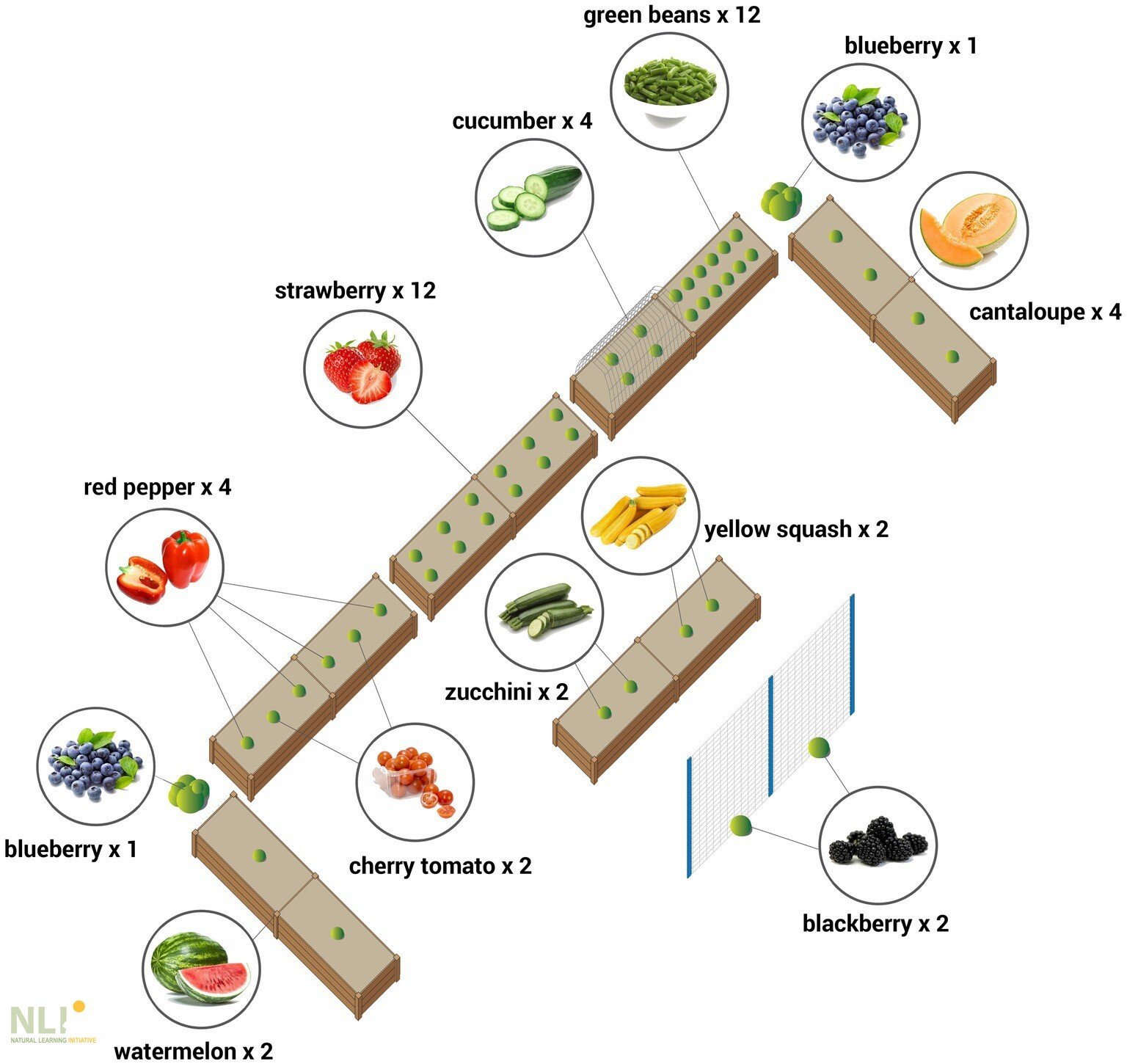
- Including food gardens is a key to success for preschool health promotion (Cosco et al., 2014).*
- Built environment evaluation results are critical to support change in childcare policy (Smith et al., 2014; Cosco, 2007).*
- The layout of outdoor learning environments (particularly the number of adjacencies between activity settings and centrality) facilitates higher levels of physical activity (Cosco et al., 2014).*
- Center educational programming (e.g. use wheeled toys and balls) and child-to-child interaction foster physical activity (more for boys than girls) whereas a teacher’s custodial actions limit it. (Smith et al., 2014).*
“Design is an essential vehicle for achieving high-quality outdoor learning environments for young children.”
—Natural Learning Initiative
In Summary:Design Can Increase the Benefits of “Vitamin G”
“Green environments are an essential component of a healthy human habitat,” according to the cognitive scientist, Frances Ming Kuo. In Parks and Other Green Environments: Essential Components of a Healthy Human Habitat (2010), a monograph produced for the National Parks and Recreation Association summarizing the research supporting the positive link between nature and human health, and social and psychological functioning. Research shows that humans benefit from exposure to green environments (parks, forests, gardens, etc.) and conversely, people with less access to green places report more medical symptoms and poorer health overall. Kuo calls this connection “Vitamin G” (G for “green”), the necessary ingredient for a healthy life taken in frequent, regular doses (Kuo, 2010).
Design is an essential vehicle for achieving the green, urban spaces that Kuo argues for based on evidence to promote health. To function effectively, spaces must be easily accessible to people of all ages and abilities, in the places where they learn, live, work, and play. They may require restoration of biodiversity to strengthen habitat quality to support both natural and human health. Design interventions to achieve this aim may have the greatest impact on children’s health and affiliation with nature if they begin in childcare centers and other spaces of everyday life. Childcare systems, in particular, are policy sensitive, meaning that early learning policies, licensing regulations, and accreditation standards may provide the environmental changes, diversification, and enhancements necessary to support positive behaviors in the daily lives of millions of children—tracking through as healthy habits in the adults they will become.
References
American Institutes for Research (2005). Effects of Outdoor Education Programs for Children in California. Retrieved from http://www.seer.org/pages/research/AIROutdoorSchool2005.pdf.
Benjamin-Neelon, S. and Evans, K. (2011). Preschool Garden Strategies to Combat Early Childhood Obesity – Brief 4. Durham, NC: Center for Child and Family Policy, Duke University.
Boldemann, C., Dal, H., Mårtensson, F., Cosco, N., Moore, R., Bieber, B., Söderström, M. (2011). Preschool outdoor play environment may combine promotion of children’s physical activity and sun protection. Further evidence from Southern Sweden and North Carolina. Science and Sports, 26: 72-82.
Boldemann, C., Sördeström, M., Mårtensson, F., Moore, R; Cosco, N., Bieber, B., Pagels, P; Raustorp, A., Wester, U. (2015). The Health-Promoting Potential of Preschool Outdoor Environments: Linking Research to Policy. In Lindsay, G. and Morhayim, L. (Eds), Revisiting “Social Factors”: Advancing Research into People and Place. Newcastle-upon-Tyne, UK: Cambridge Scholars Publishing.
Burdette, H. and Whitaker, R. (2005). Resurrecting free play in young children: looking beyond fitness and fatness to attention, affiliation, and affect. Archives of Pediatrics & Adolescent Medicine, 159(1), 46-50.
Cabalda, A., Rayco-Solon, P., Solon J.A., and Solon, F. (2011). “Home Gardening Is Associated with Filipino Preschool Children’s Dietary Diversity.” AmDiet Ass (111): 711-715.
Capizzano, J. and Main, R. (2005). “Many Young Children Spend Long Hours in Child Care.” No. 22 in Snapshots of America’s Families III series. Washington, D.C.: Urban Institute. Retrieved from http://www.urban.org/publications/311154.html.
Castro, D., Samuels, M., and Harman, A. (2013). “Growing Healthy Kids: A Community Garden-Based Obesity Prevention Program.” AmJPrevMed 44(3S3): S193-S199.
Chawla, L., Keena, K., Pevec, I., and Stanley, E. (2014). “Green Schoolyards as Havens from Stress and Resources for Resilience in Childhood and Adolescence.” Health and Place 28: 1-13.
Cosco, N. (2006). Motivation to Move: Physical Activity Affordances in Preschool Play Areas. Doctoral Thesis. Herriot Watt University/ Edinburgh College of Art, School of Landscape Architecture. London: The British Library.
Cosco, N. (2007). Developing Evidence-Based Design: Environmental Interventions for Healthy Development of Young Children in the Outdoors. In Ward-Thompson, C. and Travlou, P. (Eds), Open Space: People Space. London: Taylor and Francis.
Cosco, N., Moore, R., and Islam, Z. (2010). Behavior Mapping: A Method for Linking Preschool Physical Activity and Outdoor Design. Med Sci Sports Exerc., 42(3): 513-519. doi: 10.1249/MSS.0b013e3181cea27a.
Cosco, N., Moore, R., and Smith, W. (2014). Childcare Outdoor Renovation as a Built Environment Health Promotion Strategy: Evaluating the Preventing Obesity by Design Intervention. AmJ Health Promotion, 28(3): S27-S32. doi: 10.4278/ajhp.130430-QUAN-208.
DeBord, K., Hestenes, L., Moore, R., Cosco, N., and McGinnis, J. (2005). Preschool Outdoor Environments Measurement Scale (POEMS). Lewisville, NC: Kaplan Early Learning.
Dyment, J. and Bell, A. (2007) Active by Design: Promoting Physical Activity Through School Ground Greening, Children’s Geographies, 5:4, 463-477, DOI: 10.1080/14733280701631965.
Faber Taylor, A. and Kuo, F. (2009). “Children with Attention Deficits Concentrate Better after Walk in the Park.” J of AttDis 12(5): 402-409.
Faber Taylor, A. F., Kuo, F., Sullivan, W. (2001). Coping with ADD: The Surprising Connecting to Green Play Settings. Environment and Behavior, 33(1), 54.
Finn, K., Johannsen, N., and Specker, B. (2002). “Factors Associated with Physical Activity in Preschool Children.” J Pediatr 140(1):81–5.
Gray, P. (2015). Free to learn: Why Unleashing the Instinct to Play will Make our Children Happier, More Self-Reliant, and Better Students for Life. New York: Basic Books.
Haahtela, T., Holgate, S., Pawankar, R., Akdis, C. A., Benjaponpitak, S., Caraballo, L. Biodiversity. (2013). The biodiversity hypothesis and allergic disease: world allergy organization position statement. World Allergy Organization Journal, 6(1), 1-18. doi:10.1186/1939-4551-6-3.
Kellert, S. (2005). Building for Life: Designing and Understanding the Human-Nature Connection. Washington, DC: Island Press.
Kuo, F. E.; Sullivan, W. (2001). Aggression and Violence in the Inner City. Effects of Environment via Mental Fatigue. Environment and Behavior, 33(4), 543-571.
Kuo, M. (2010). Parks and Other Green Environments: Essential Components of a Healthy Human Habitat. Ashburn, VA: National Recreation and Park Association.
Louv, R. (2008). Last Child in the Woods: Saving Our Children from Nature-Deficit Disorder. Chapel Hill, NC: Algonquin Books.
Moore, R. and Cosco, N. (2010). Using behaviour mapping to investigate healthy outdoor environments for children and families: conceptual framework, procedures and applications. In Ward Thompson, C., Aspinall, P. and Bell, S. (Eds), Innovative Approaches to Researching Landscape and Health: Open Space People Space 2. London: Taylor and Francis, (33-72).
Moore, R. and Cosco, N. (2014). Growing Up Green: Naturalization as Health Promotion Strategy in Early Childhood Outdoor Learning Environments. Children, Youth & Environments Journal. 24(2):168-191.
Raustorp, A., Boldemann, C., Cosco, N., Söderstrom, M., and Mårtensson, F. (2011). Accelerometer Measured Level of Physical Activity Indoors and Outdoors During Preschool Time in Sweden and the United States. J. Physical Activity and Health, 9:801-808.
Riedler J., Braun-Fahrländer C., Eder, W., Schreuer, M., Waser, M., and Maisch, S. et al. (2001) Exposure to Farming in Early Life and Development of Asthma and Allergy: A Crosssectional Survey. Lancet; 358:1129–1133.
Rose, K. A., Morgan, I.G., Kifley, A., Huynh, S., Smith, W., and Mitchell, P. (2008). “Outdoor Activity Reduces the Prevalence of Myopia in Children.” Ophthalmology 115(8):1279-1285.
Smith, W., Moore, R., Cosco, N., Wesoloski, J., Danninger, T., Ward, D., Trost, S., and Ries, N. (2014). Increasing Physical Activity in Childcare Outdoor Learning Environments: The Effect of Setting Adjacency Relative to Other Built Environment and Social Factors. Environment and Behavior. 48(4): 550-578. doi:10.1177/0013916514551048
Trust for America’s Health (2020). State of Obesity Report (2019). Better Policies for a Healthier America. Retrieved from https://www.tfah.org/wp-content/uploads/2019/09/2019ObesityReportFINAL-1.pdf.
Wells, N. (2000). At home with nature. Effects of “Greenness” on Children’s Cognitive Functioning. Environment and Behavior, 32(6), 775-795.
Wells, N. and Lekies, K. (2006). Nature and the Life Course: Pathways from Childhood Nature Experiences to Adult Environmentalism. Children, Youth and Environments, 16(1):1-24.
Wu, P. C., Tsai, C. L., Wu, H. L., Yang, Y. H., and Kuo, H. K. (2013). Outdoor Activity during Class Recess Reduces Myopia Onset and Progression in School Children. Ophthalmology, 120(5), 1080-1085. doi:10.1016/j. ophtha.2012.11.009