The NLI Professional Development Team surveyed past participants of the Early Childhood Outdoor Learning Environments Certificate to assess the course contributions to their practice and promotion of naturalized early childhood environments and how NLI could support their work in the future.
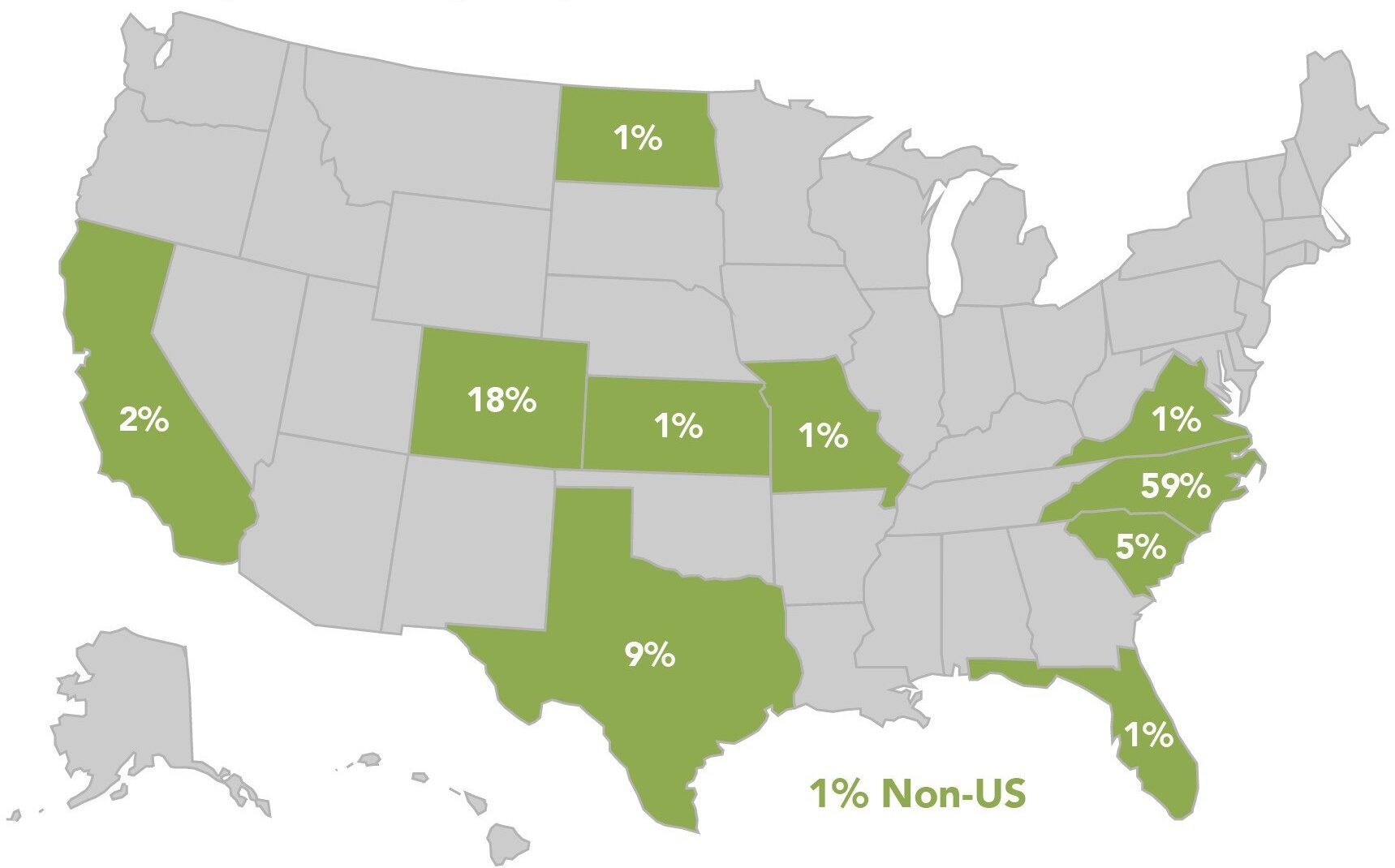
A total of 141 responses were received from 10 states in the US (19% response rate polled from 742 participants).
Ninety-five percent of respondents rated the course as useful or very useful.
(N = 141)
In answering the questions, respondents showed a high degree of agreement on the impact of the course on their practices:
Learned about the importance of Outdoor Learning Environments (99.29%)
More aware of the health implications of outdoor play and learning for young children (97.17%)
Used what I learned to promote early childhood outdoor play and learning (92.91%)
Used what I learned to promote naturalization of early childhood outdoor environments (89.36%)
Modified my practices inspired by the certificate content (85.81%)
Included content or resources from the course in my current practice (83.68%)
82% of respondents used the course content to improve their environment at home, work, neighborhood, or community.
93% of respondents reported having worked to improve the quality of their outdoor space and/or education.
Estimated reach
Respondents cited extraordinarily high community outreach to improve the quality of outdoor space and/or outdoor education. They have worked with almost 700 facilities, 1,136 organizations, and offered training and technical assistance attended by approximately 5,000 participants.
Additionally, a major national organization reached 5,000 facilities, 4,500 organizations, and 20,000 participants.
States represented by respondents
Changes to our OLE have been incredible and parents love our space! We even welcomed a bald eagle to our OLE this fall!
I am greatly inspired by all that NLI seeks to accomplish for young children and their families and hope to one day play a significant role in reaching more children and families to increasingly discover the wonders and mysteries of our awesome natural world.
I think I was the first cohort for this certificate program in 2016 […] but I do know it was the beginning of my new journey into this world of OLE and it was the inspiration.
This is a wonderful course and should be a part of training for all early years professionals.
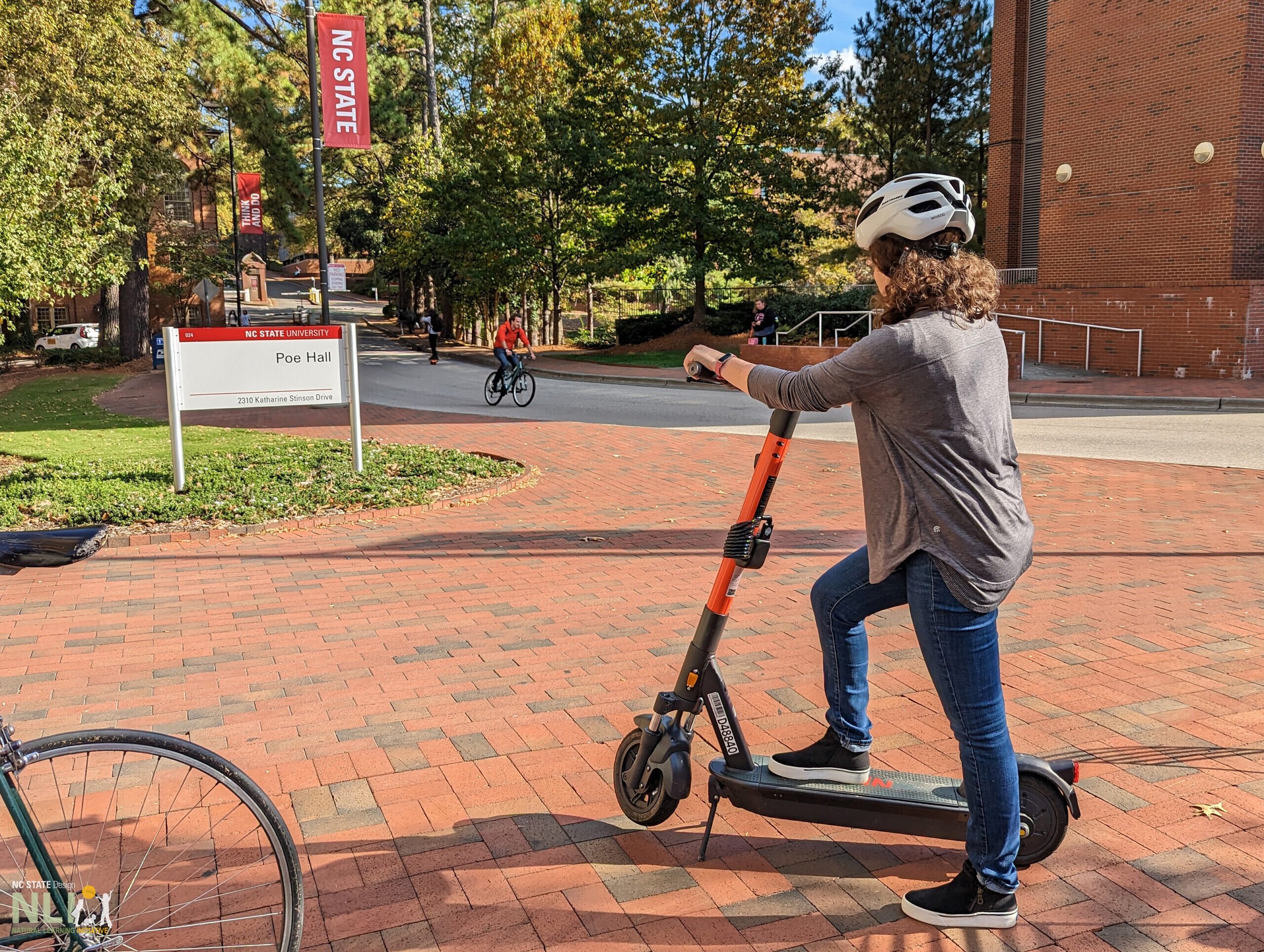
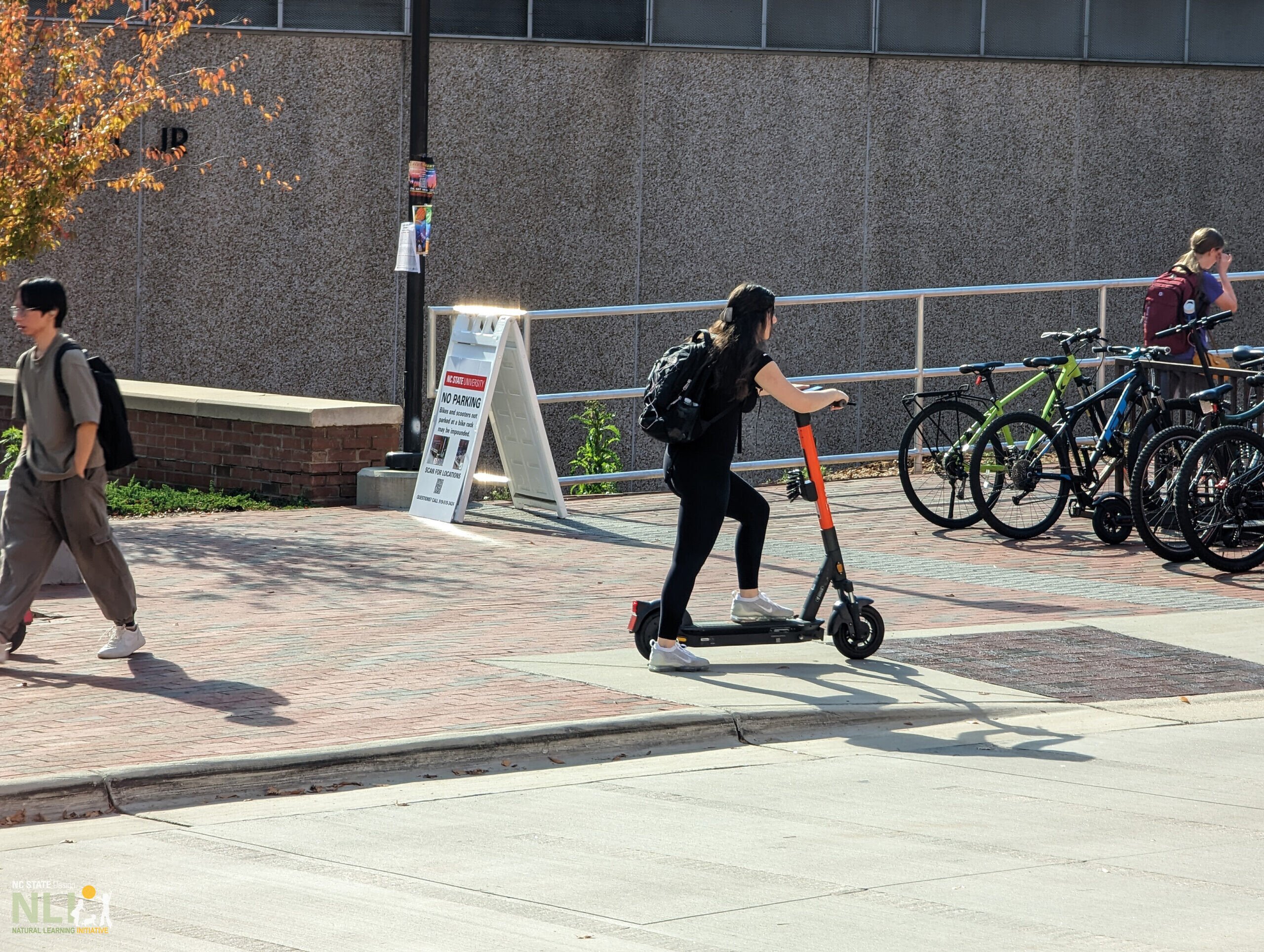
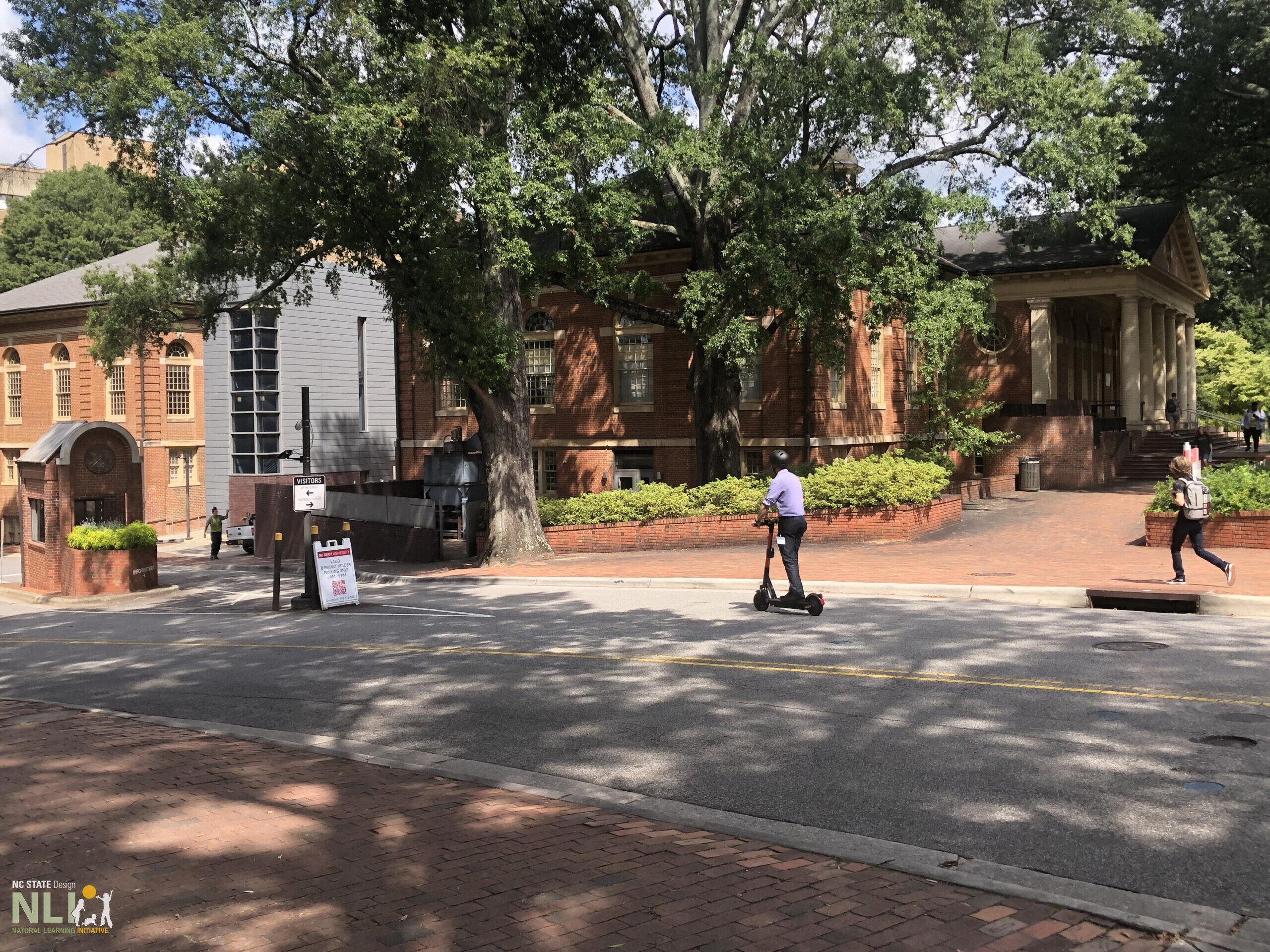
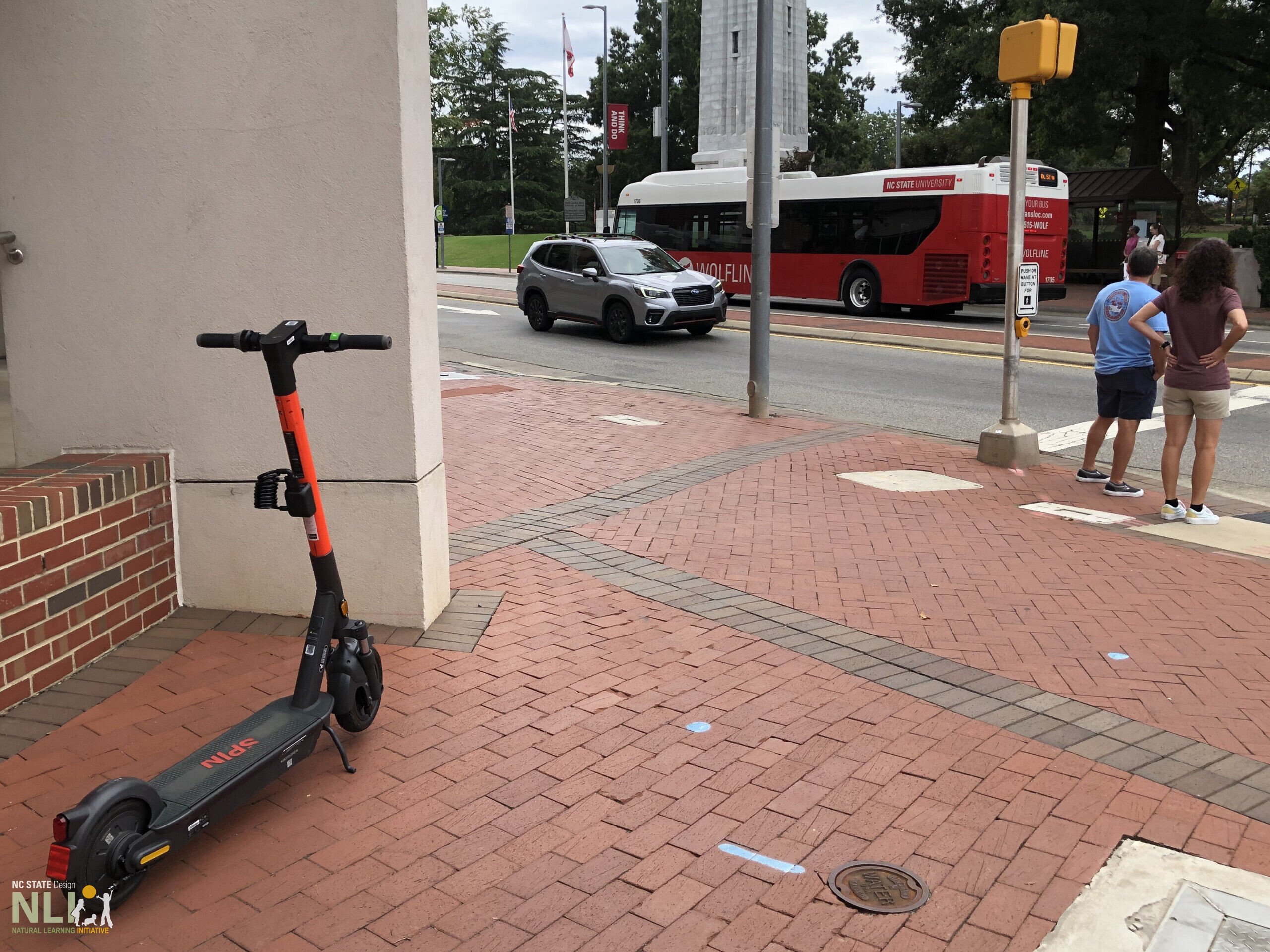
NLI Director Deepti Adlakha has been awarded a research contract to study micromobility across the NCSU campus alongside fellow colleagues Aaron Hipp in CNR, Eleni Bardaka in engineering, and Waugh (John) Wright in ITRE. This study will focus on the behavior of both drivers and e-scooter riders with the goal of developing improvements to safety and the user experience. Student ambassadors will assist with data collection and provide education to users.
NCSU has partnered with SPIN to fully deploy e-scooters and bikes across the campus due to SPIN’s experience implementing successful campus programs and their consistent focus on safety and regulations. The use of these products serves to cut the carbon footprint generated by short trips in half.
NLI session at the 2022 NC Extension State Conference
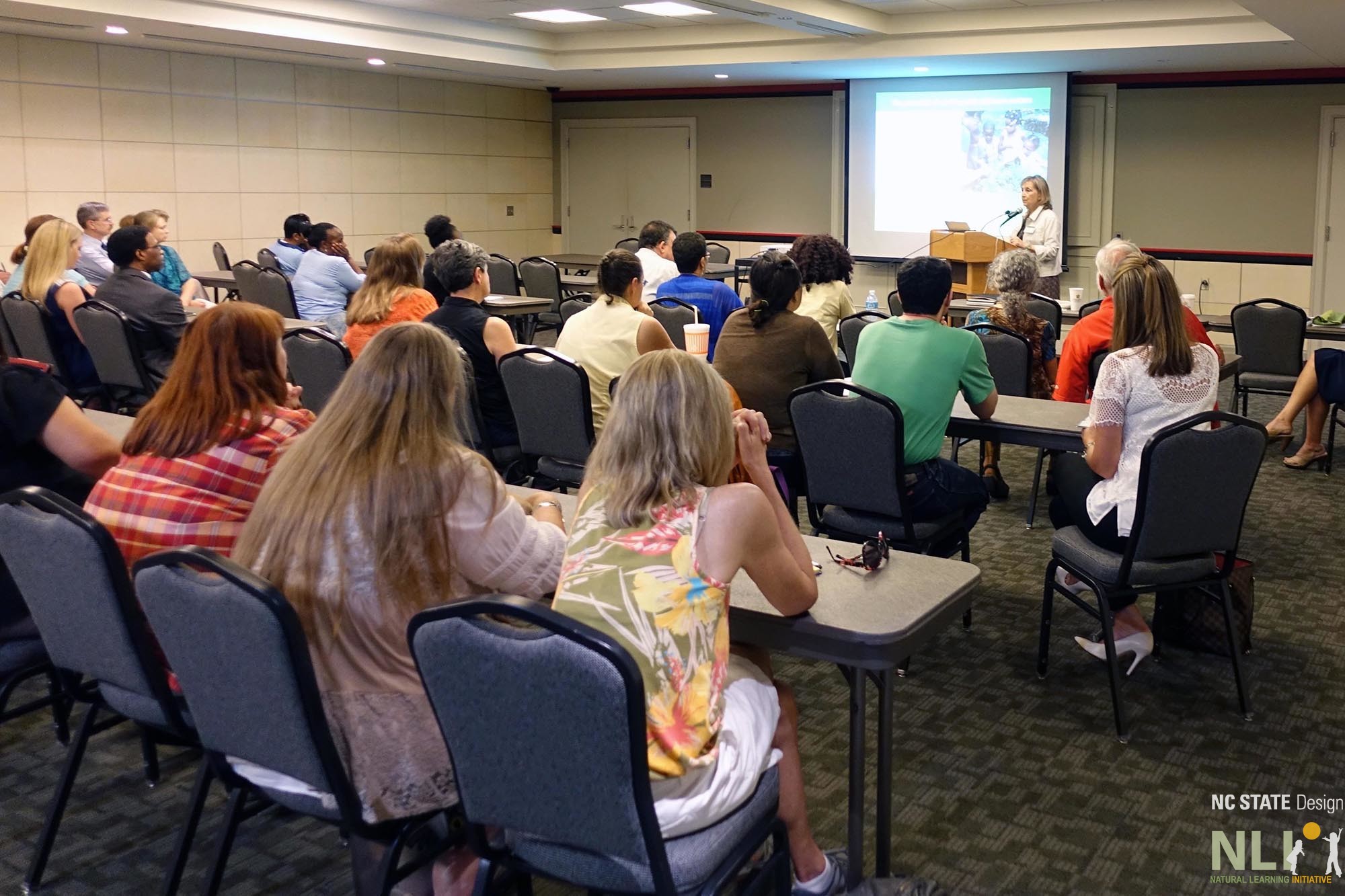
NLI presented a session led by Laura Lloyd and Bria Sledge at the 2022 Extension State Conference, Greensboro, NC, in October 2022. Aimed at demonstrating the impact of diverse, naturalized environments in early childhood facilities, the session emphasized healthy eating, increased physical activity, and outdoor play and learning. Almost 40 Extension Agents from across North Carolina attended.
Associated Resources:
NLI has produced many helpful resources that are available for download. Check out these from the presentation!
The goal of the Preventing Obesity by Design (POD) Transferring Know-how: Design Assistance and Train-the-Trainer Series is to support the development of demonstration outdoor environments for physical activity and healthy eating of young children attending childcare centers in Texas.
Using the Preventing Obesity by Design (POD) intervention strategy, design solutions were recommended to improve physical activity, nutrition, and learning outcomes for young children attending selected centers.
A constructive review of current Texas policies conducted in collaboration with DSHS to determine how high-quality OLE’s can be created across Texas. Peer reviewed document.
Goals:
Clarify terms and requirements of current childcare Texas policies.
Collect data from early childhood education providers and regulators to understand their needs related to OLE risk and regulatory compliance.
Disseminate information about compliant creative solutions to improve childcare outdoor environments.
The Regulatory Framework for Outdoor Learning Environments in Texas Childcare Facilities
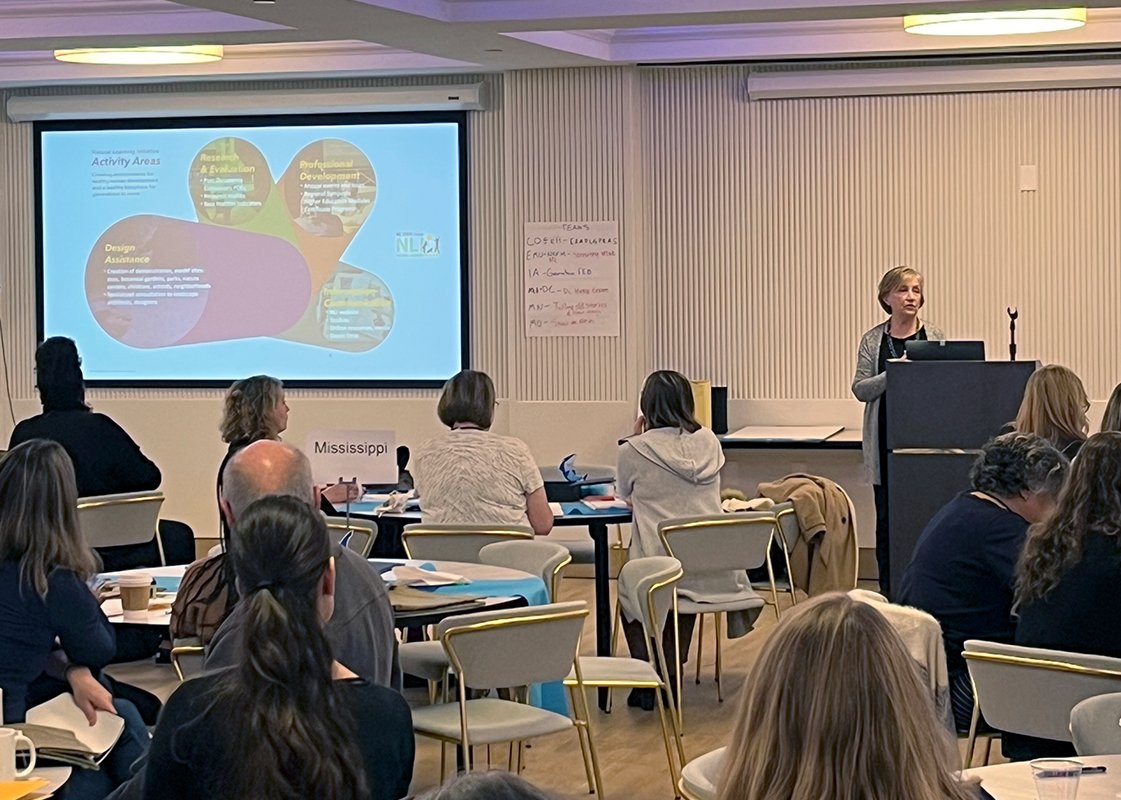
This preschooler quote introduced Dr. Nilda Cosco’s closing keynote to the Association of State Public Health Nutritionists (ASPHN). Subtitled, “Outcomes of the Randomized Control Trial on Childcare Outdoor Learning Environments as Active Food Systems (COLEAFS),” Cosco’s address introduced “environment & behavior” hands-on gardening design and management principles for farm to early care and education participants and others interested in the COLEAFS research findings.
Nilda Cosco, PhD, is Research Associate Professor and Director of Programs, Natural Learning Initiative, Department of Landscape Architecture and Environmental Planning, College of Design, North Carolina State University, Raleigh, NC.
The ASPHN conference was held on December 5-8, 2022, in Washington, DC, supported by the Centers for Disease Control (CDC).
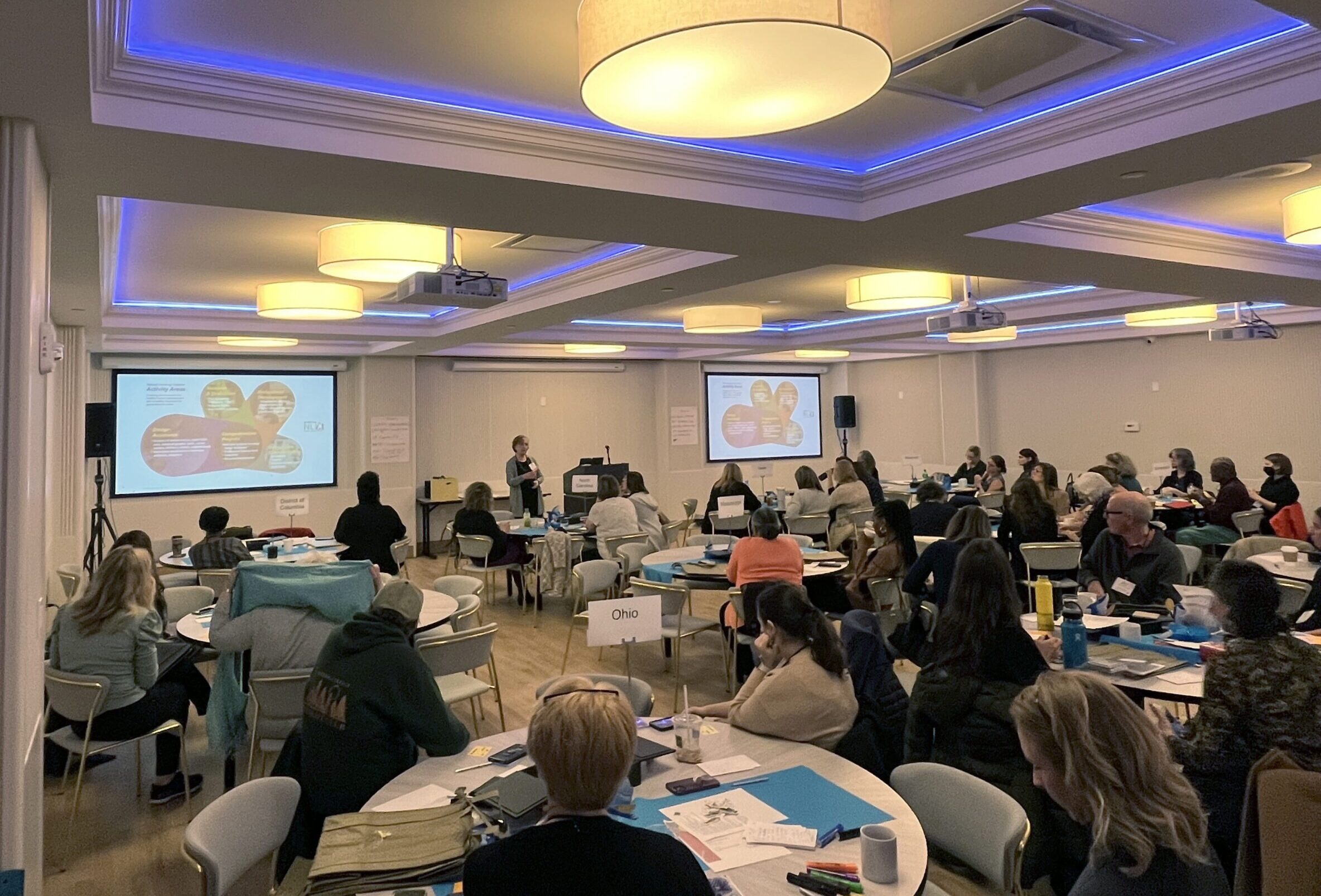
Nilda Cosco introducing to state nutrition experts the integrated activity areas of NLI: research, design assistance, professional development, and dissemination/communications.
NLI’s Early Childhood Professional Development Program on a roll!
In 2022, NLI offered five Early Childhood Outdoor Learning Environments courses to designers and educators. The 170+ participants left energized and ready to share what they learned as both seasoned and beginning practitioners.
What participants had to say:
This has been an eye-opening course to learn what is possible by using the outdoors and returning to how we behaved before modern life brought us inside and promoted sedentary behavior. While I am not in a classroom setting this is a program to support throughout the community so more will be aware of how to promote good health at a young age.
I have truly enjoyed this course and recognize the work being completed to provide more opportunities for children to thrive. All individuals involved with childcare in any manner should take the course to continue the movement.
Thank you for sharing all this wonderful information. I have found such valuable resources and learned a lot. I am so excited to bring this to the programs I work with!
Early Childhood Outdoor Learning Environments (ECOLE) certificate.
Designing Early Childhood Outdoor Environments (DECOE) certificate.
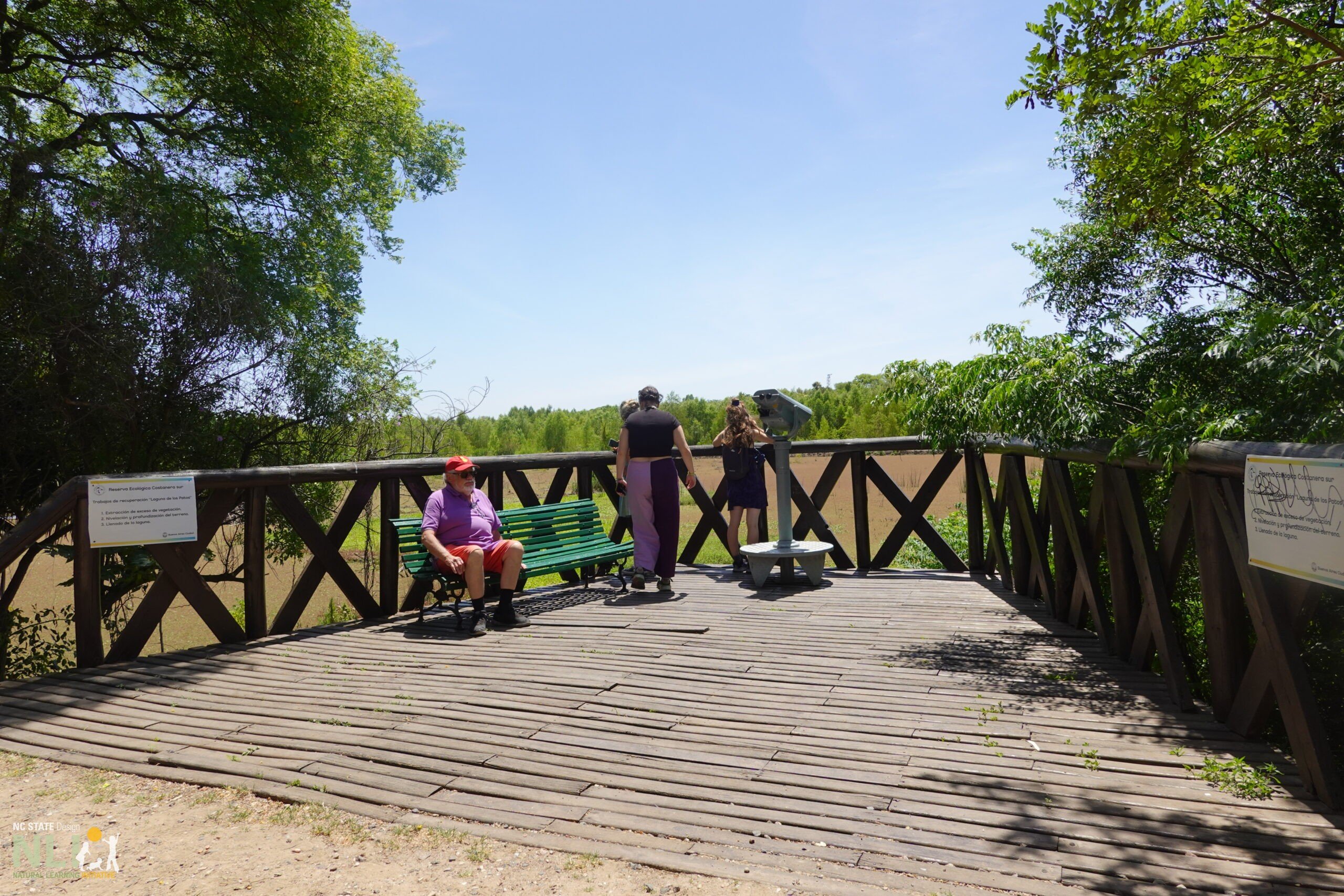
In 1986 the city council granted protection for the evolving ecosystem. Nonetheless, a new mayor proposed filling in the lagoons to implement the original concept, fortunately unsuccessfully before he left office. Recognizing the Reserve’s vulnerability, in 1994 Vida Silvestre (national wildlife conservation organization), commissioned Moore and Cosco to engage stakeholders in creating the first site documentation and master plan proposing modest infrastructure improvements. Focal settings included entrances, trails, and a series of 19 balcony lookouts or miradores penetrating the thickly vegetated lagoon edges, enabling visitors to relax, de-stress, and observe otherwise invisible wildlife.
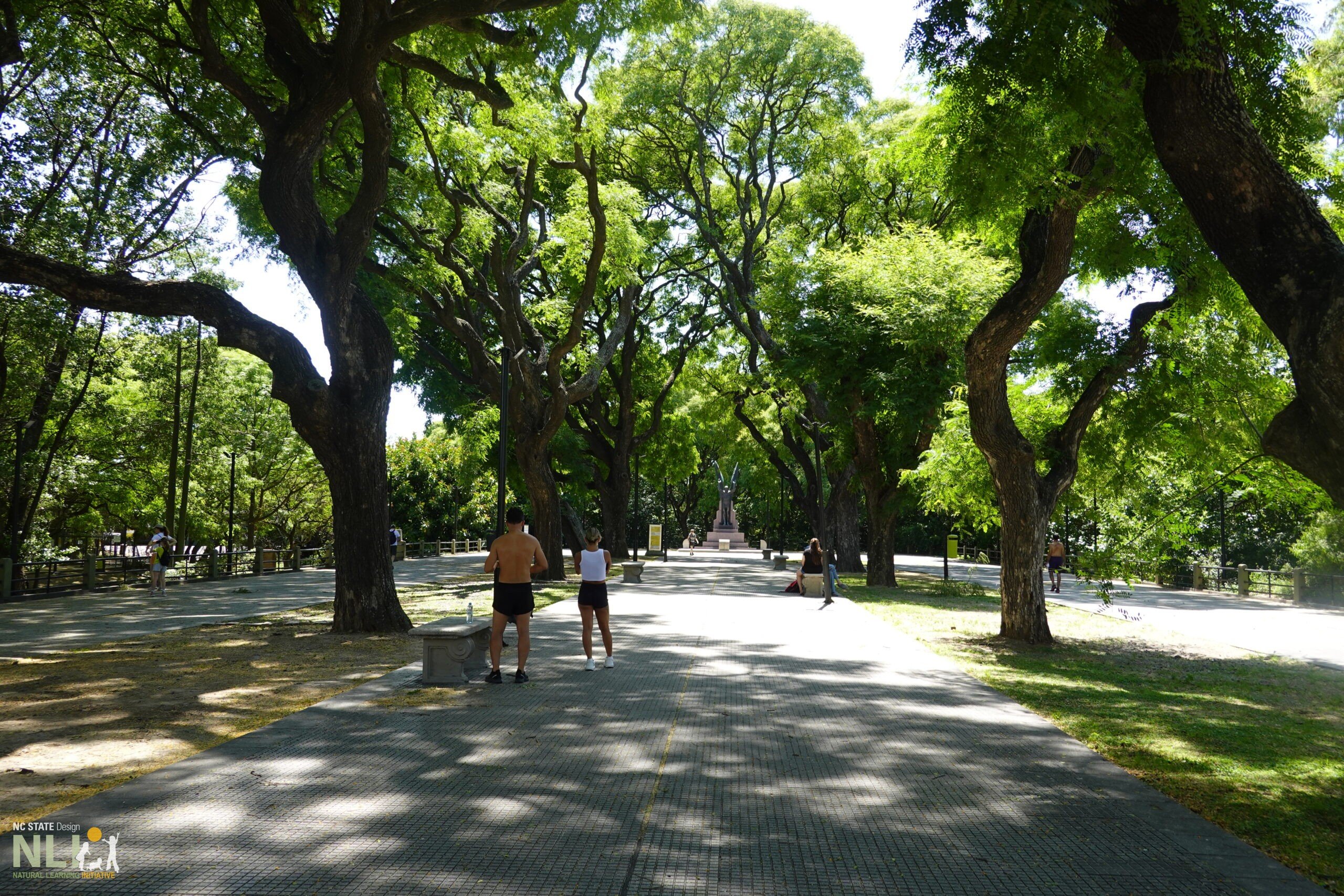
During a 2022 end-of-year summer sojourn in Buenos Aires, 30 years later, we mingled with a cross-section of city residents strolling, jogging, and biking along the elevated polder trails, now enclosed in cool, green canopy tunnels. Timeless miradores still afforded rest, immersion in nature – and tranquility in utter contrast to the Reserve’s birth during a dark chapter of Argentine history.
Télam drone flyover of the Ecological Reserve
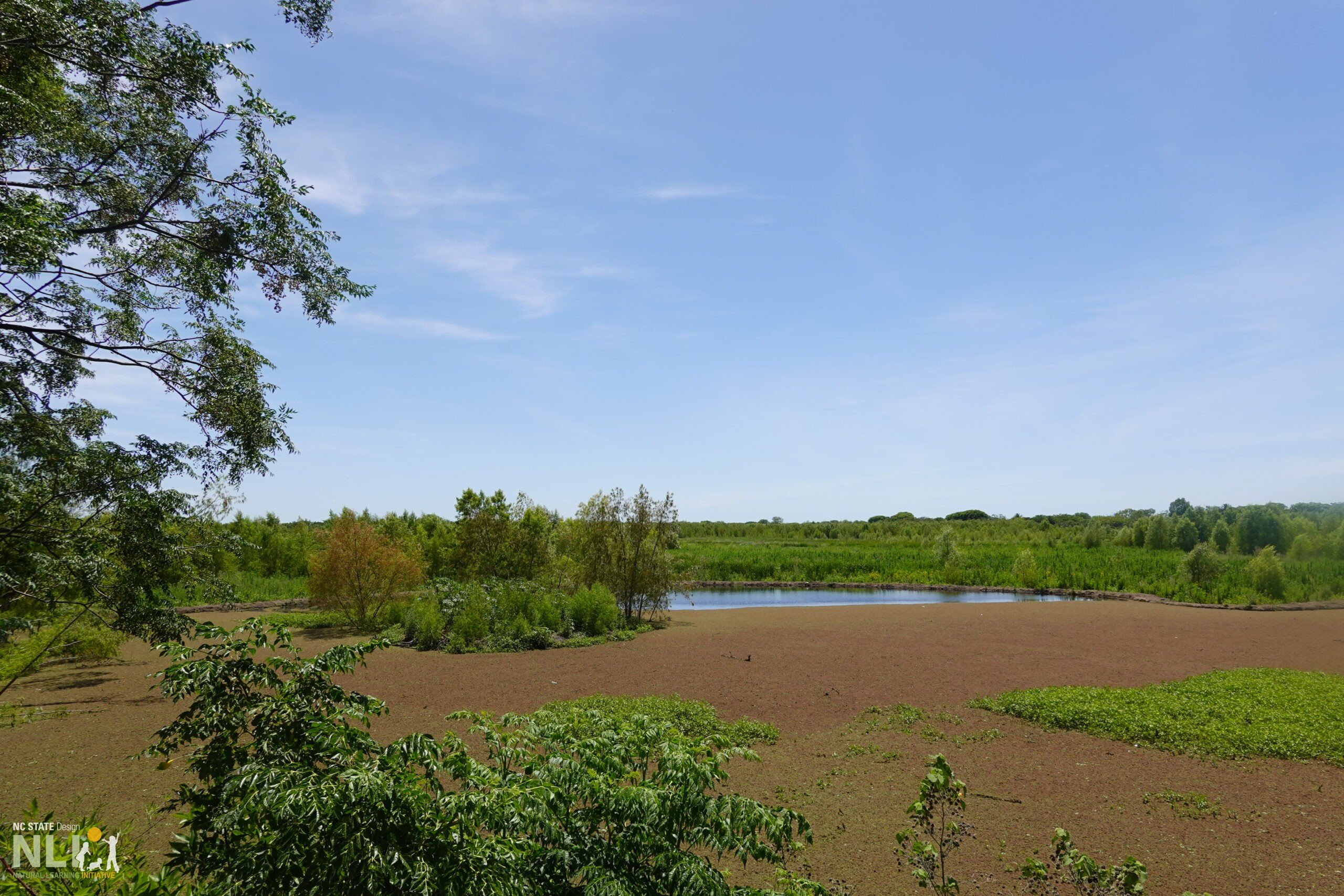
View across one of the Ecological Reserve freshwater lagoons to high-density Buenos Aires central city.
1. Historic entry to the Ecological Reserve.
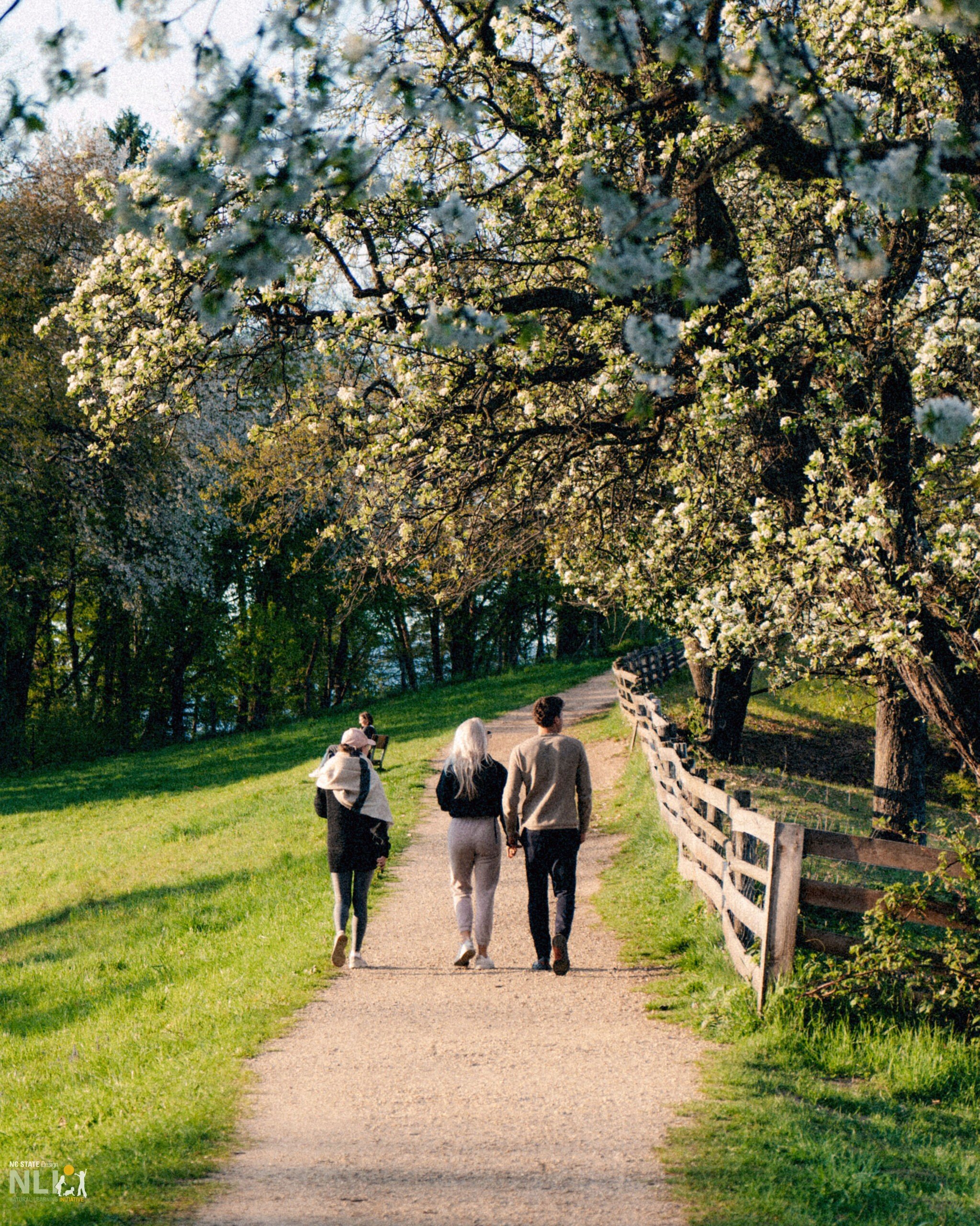
2. Elevated polder trail, broad enough for walkers, joggers, and cyclists to safely mix.
3. Mirador balcony, poking through edge vegetation, elevated above the lagoon.
Need and Interest in Nature Prescriptions to Protect Cardiovascular and Mental Health
A Nationally-Representative Study With Insights for Future Randomised Trials
NLI Director, Dr. Deepti Adlakha worked alongside Australian researchers to release their latest research work in Volume 31, Issue 12 of the Heart, Lung and Circulation journal. This journal publishes articles integrating clinical and research activities in the fields of basic cardiovascular science, clinical cardiology, and cardiac surgery, with a focus on emerging issues in cardiovascular disease. The journal promotes multidisciplinary dialogue between cardiologists, cardiothoracic surgeons, cardio-pulmonary physicians, and cardiovascular scientists.
Objective
“Nature prescriptions” are increasingly being adopted by health sectors as an adjunct to standard care to address health and social needs. We investigated levels of need and interest in nature prescriptions in adults with cardiovascular diseases, psychological distress, and concomitants (e.g. physical inactivity, sedentary behavior, obesity, loneliness, burn-out).
Methods
A nationally-representative survey of 3,319 adults across all states and territories of Australia was completed in February 2021 (response 84.0%). Participants were classified across 15 target groups using validated health indicators and surveyed on (1) time and frequency of visits to green and blue spaces (nature spaces), (2) interest in a nature prescription, and (3) potential confounders (e.g. age, income). Analyses were done using weighted logistic regressions.