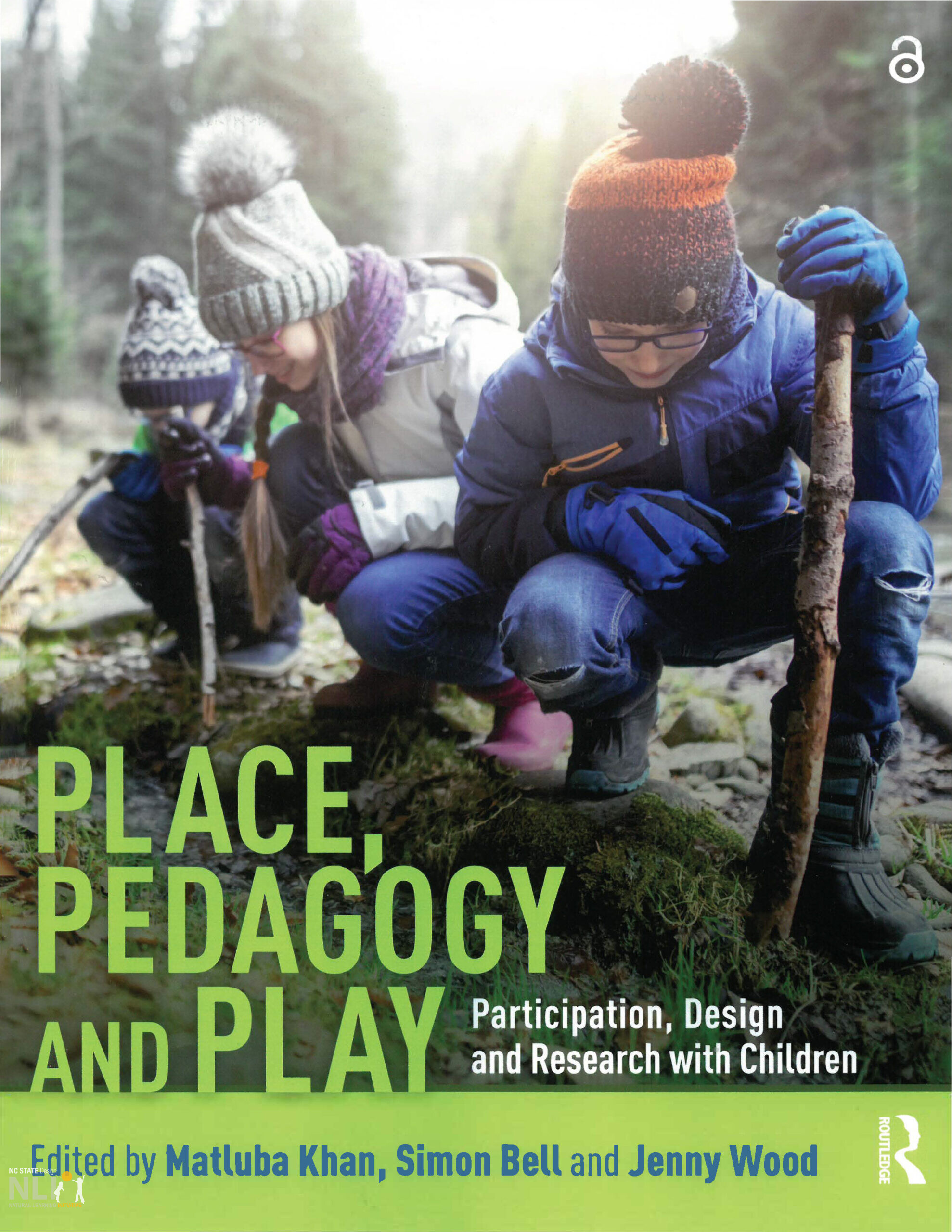
When children play, do they learn? “Yes;’ would be the expected answer from child development experts and early childhood educators, and hopefully, parents. Positive responses from professionals not directly engaged with children and the public at large are probably less likely. Perhaps the question should be more often asked. If we agree that children do learn through play, are where they play and the physical characteristics of those places important? This question is seldom asked and poorly understood.
“Outdoor Settings for Playing and Learning: Designing School Grounds to Meet the Needs of the Whole Child and Whole Curriculum” is a journal article by Robin Moore that advocates for the comprehensive development of school landscapes for the sake of active learning and free play. “The more hours that children spend at school, the more choices the environment must offer them,” he writes. He presents a selective list of imaginative design options for optimal outdoor learning as well as intimate contact with nature leading to the understanding of earth stewardship from a very young age.
This article brings to the layperson the language of designing outdoor environments for a wide variety of special needs. Montessorians will notice correlations between the designers’ professional vocabulary and Montessori concepts. Territorial development, for example, is akin to the prepared environment’s providing layers of learning for “expanding the ‘known’ world by pressing against the ‘unknown.’” Drawing on a solid research base, Cosco and Moore suggest both guiding principles and specific applications (including illustrative photos) to create environments that promote physical and mental health, attention, cognitive functioning, and motor development for an inclusive community of learners.
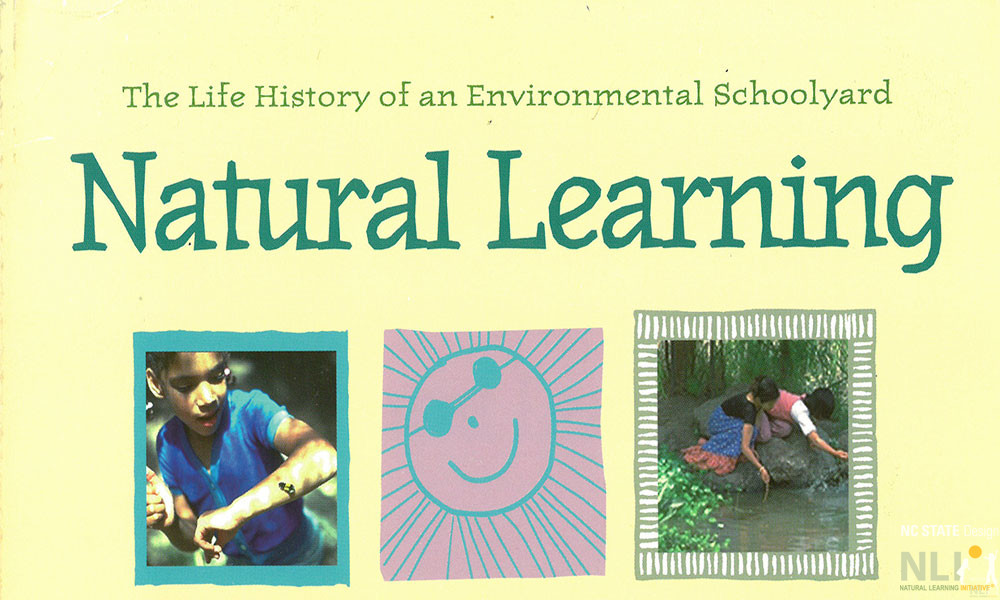
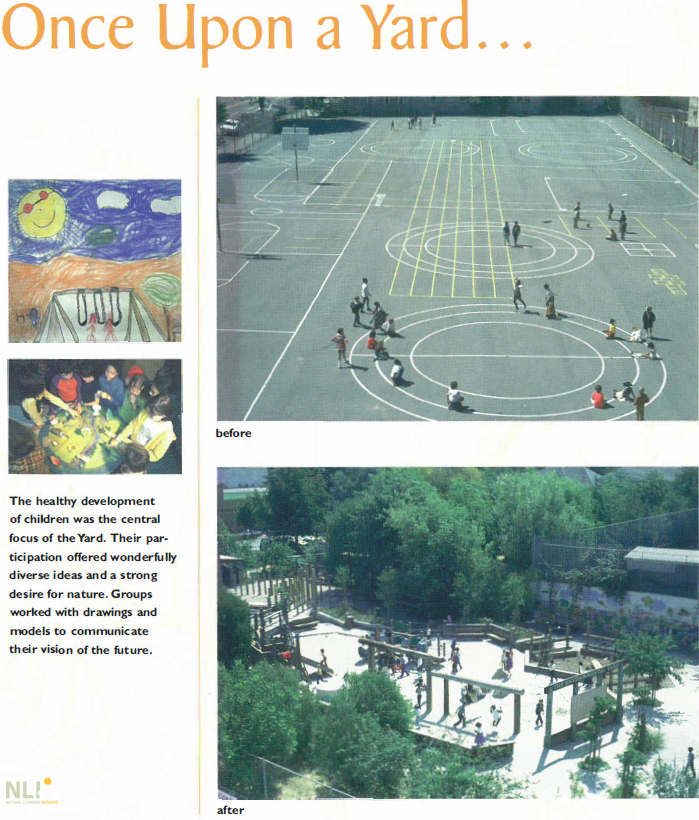
We took a fragment of the Earth’s surface, where nonhuman life was extinct, and through design demonstrated the power of nature to restore itself. This super-rich playing and learning environment brought nature back into the daily lives of city children.
InNatural Learning, Once Upon a Yard,MIG Communications, December 1997
The Need for Nature enumerates recent factors restricting access to the outdoors, including motorized traffic, parental fears, lack of space and time, and others, and the resulting reduction of children’s contact with nature, particularly where urban children spend their daily lives: schools and neighborhoods. Issues are framed within a social-ecological model reviewed in relation to the international environmental movement and children’s rights, concluding with suggestions for an action agenda and policy developments that may lead to a new sense of child-biosphere relations. Supportive research needs are noted.
Moore, Robin C. 1997. The Need for Nature: A Childhood Right. Social Justice 24(3): 203-220.
Although the epidemics and infectious diseases targeted by public health agencies during the last 130 years have largely been eradicated in the Western, industrial world, preventable lifestyle diseases have replaced them. Postmodern childhood is facing entirely new health threats resulting from rapid, massive cultural changes, including the impacts of new technologies on behavior. More and more of children’s time is being “pulled” indoors away from nature by homework, video and computer screens, parental anxiety about stranger danger, and the dangers of automobile traffic CT ago et al. 2005). Richard Louv’s book Last Child in the Woods has helped to focus public attention on the possible negative consequences for childhood health of these new risk factors. To protect children and support healthy lifestyles, new forms of “inoculation” are required, including changes to the built environments of children’s daily lives.
Stimulated and emboldened by the many-layered, wide-ranging contents of Children and Nature (Kahn and Kellen 2002) and the empowering thrust of the biophilic building design symposium from which the present book derives, this chapter presents examples of designed environments that support or have the potential to support children’s daily outdoor contact with nature and thus ensure the biophilic evolution of our planet and its human citizens. This chapter draws on the latest research findings, which suggest that a healthy, therapeutic effect is experienced by children who are directly exposed to nature (Wells and Evans 2003; Wells 2000; Kuo et al. 1998) and explores the role of physical design in improving the quantity and quality of exposure to nature by integrating it into the built environment. The majority of children worldwide live in urban environments, approximately half of them in urban centers of less than 500,000 population (Satterthwaite 2006), Thus our focus is the everyday life of urban children and concern for the quality of the environments where they spend most of their time, where “biophilic design” (supporting and stimulating children’s biophilia) has most potency, where access to nature can be guided by design policy in childcare centers, schools, residential neighborhoods, and community facilities such as parks, museums, zoos, and botanical gardens. These topics will be addressed within the scope of this chapter because the fact is that they are not receiving adequate attention in current urban design practice.
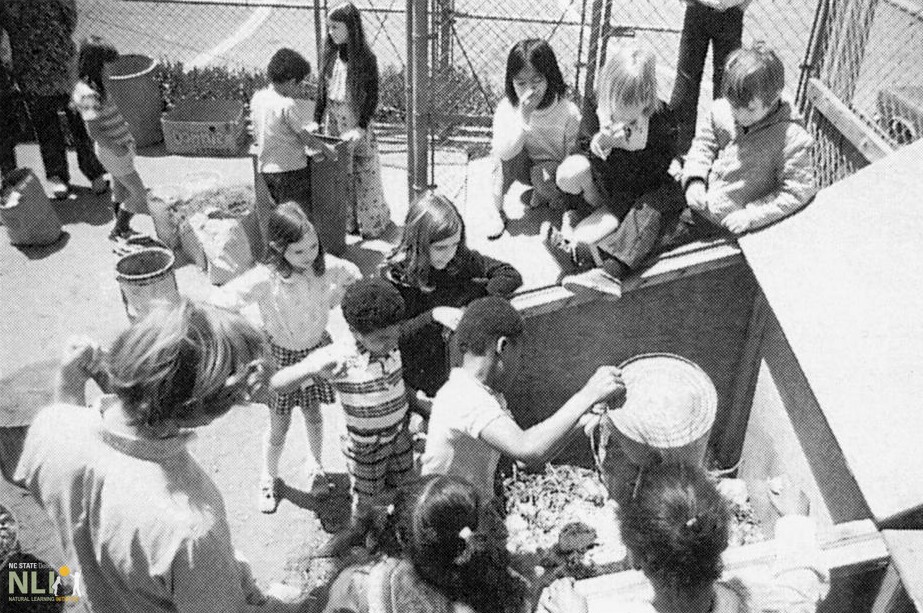
Children’s gardening is introduced within the broader frame of reference of sustainable development, regenerative design, and bio-design. If these fine-sounding principles accompanying the newly emerging environmental movement are to have a permanent cultural impact, it is argued that children (future consumers and participants in a democracy) must interact daily with an educational environment containing a diversity of living ecosystems. Gardening in the primary grades is proposed as one of the most feasible pedagogical approaches for ensuring this type of daily learning experience, and for reversing a worrisome trend in the opposite direction. A case example of children’s gardening is presented that was documented during the 1970s and early 1980s as part of a larger regenerative design project implemented on an urban schoolyard in the California Bay Area. In this case, gardening became a common thread in the process of regeneration and evolution of the habitat over many years. It was the most popular component with the teachers and the one aspect of the environmental education program that survived over the years, as the dwindling resources in public education forced the reduction or elimination of many
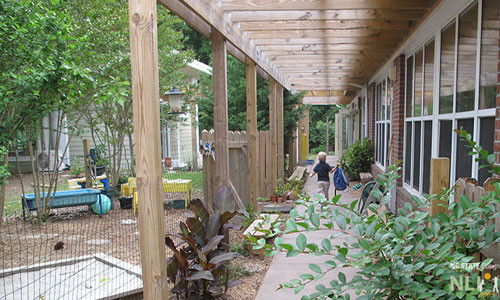
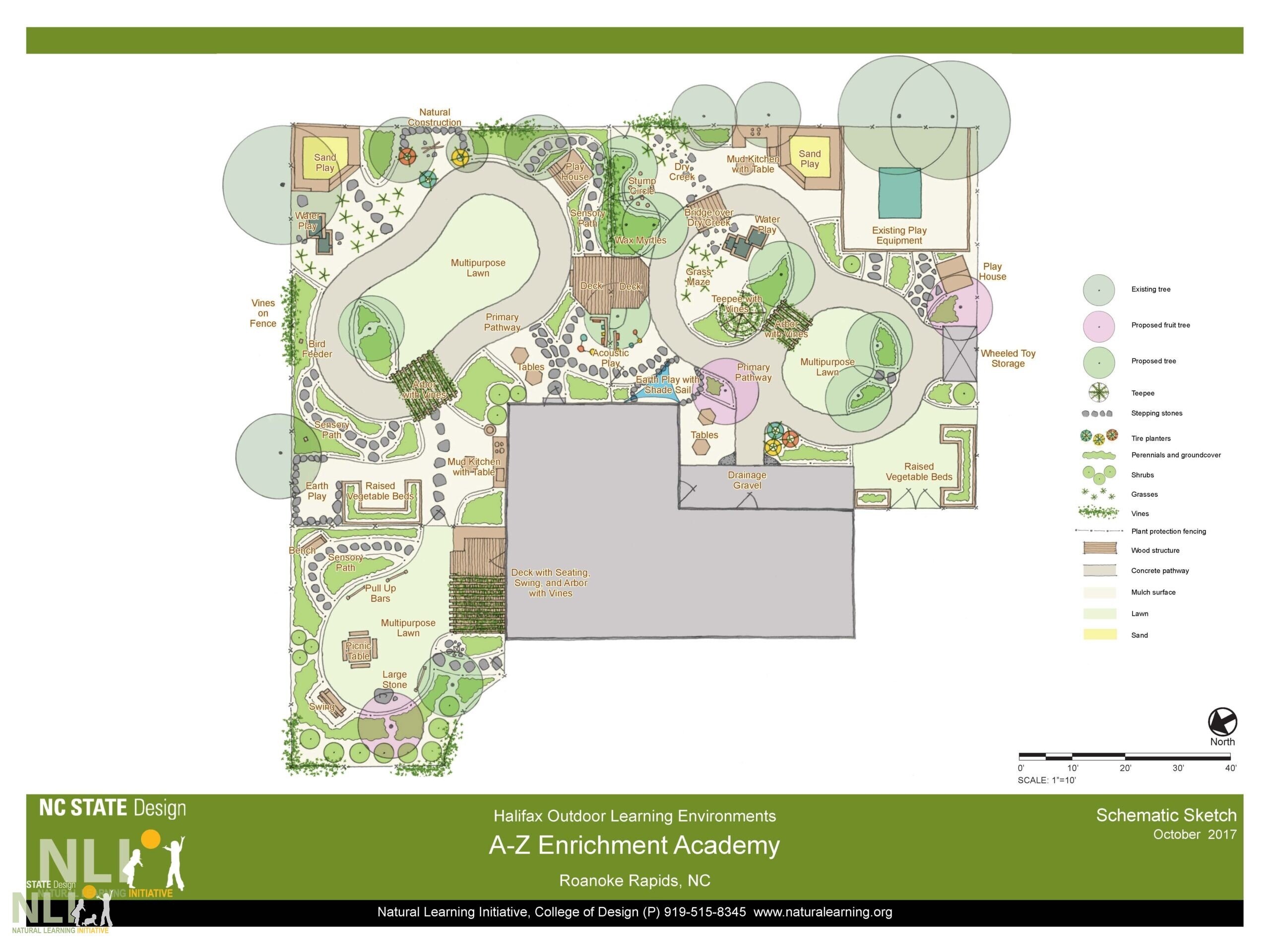
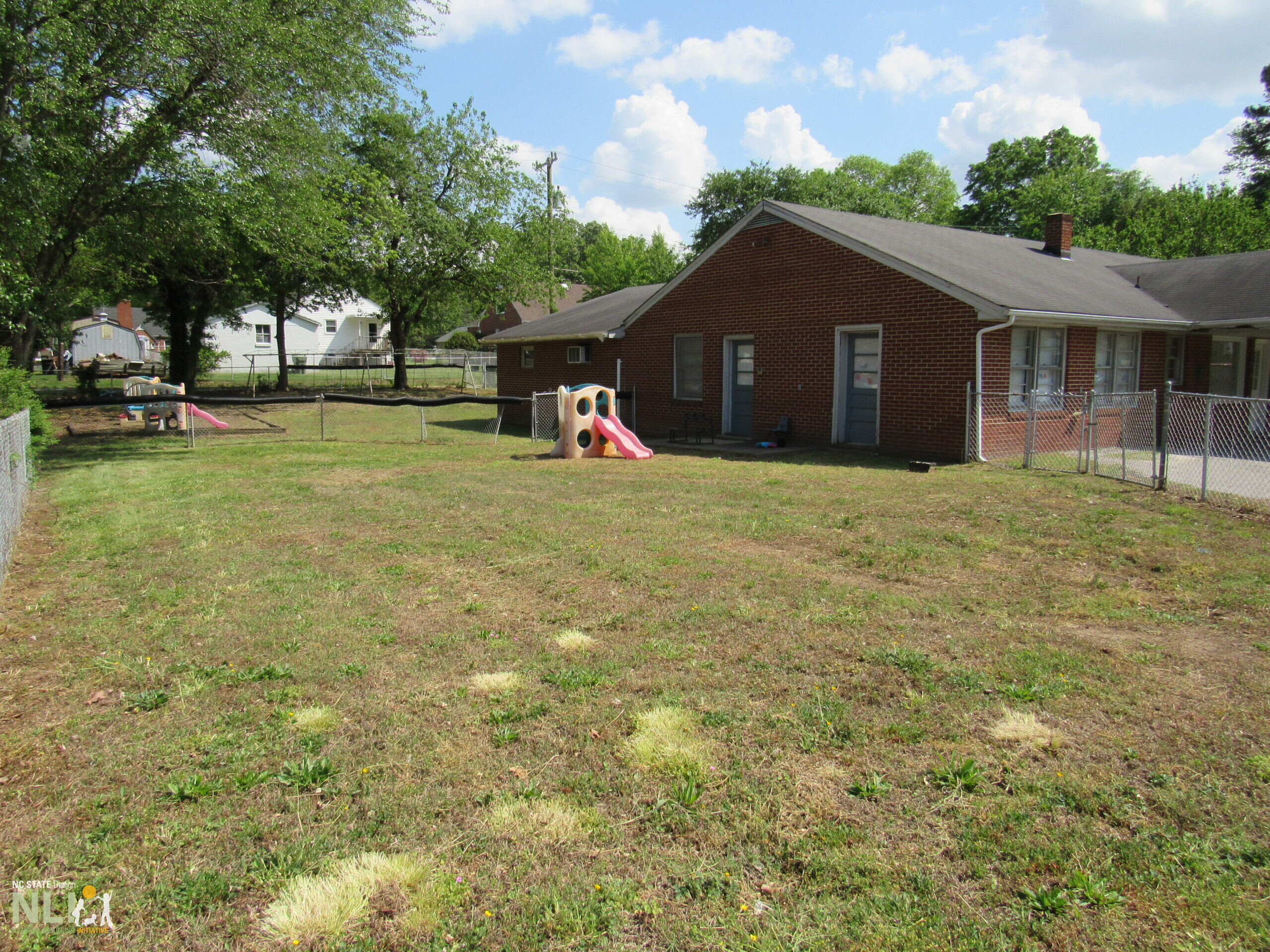
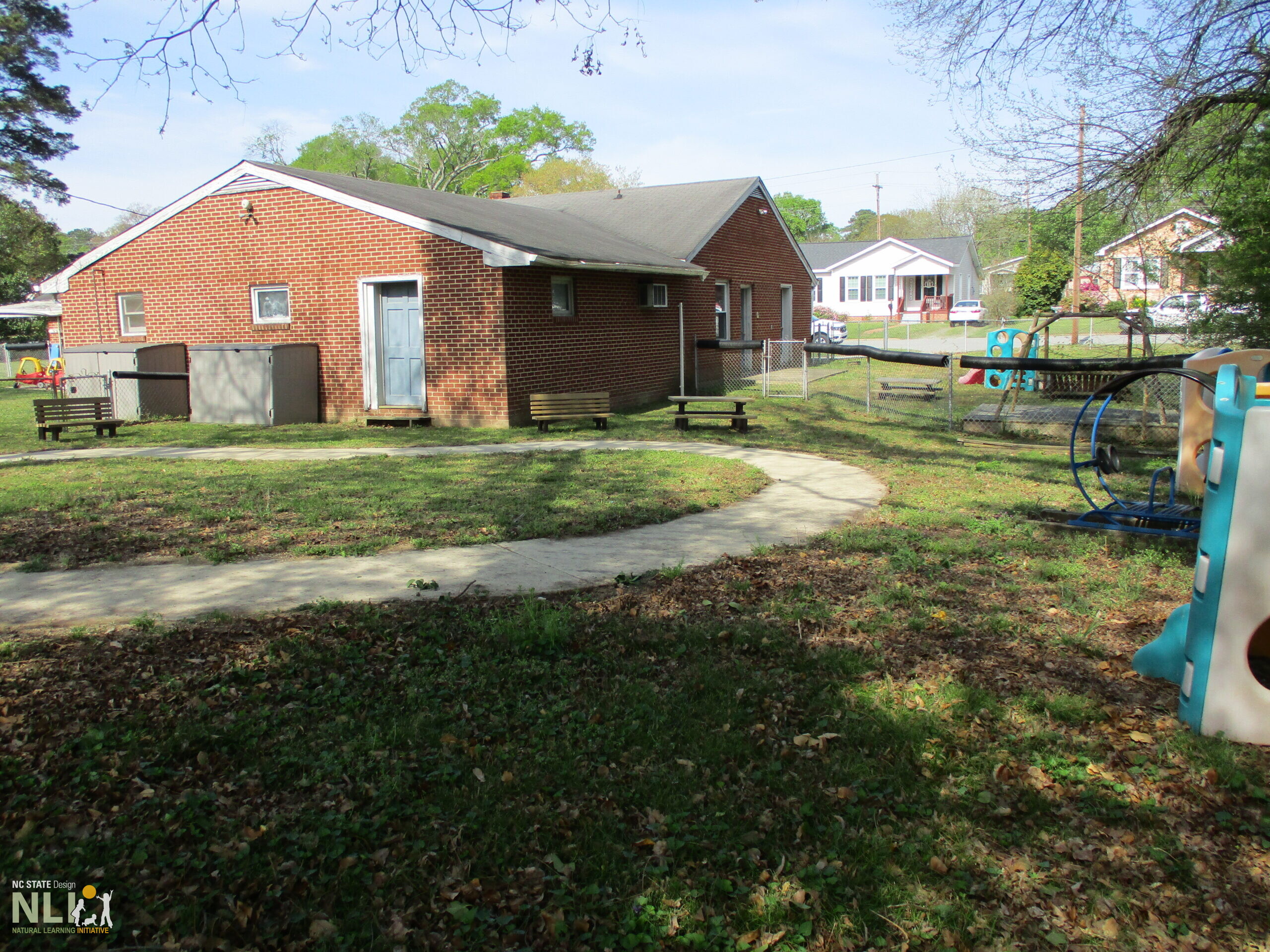
A to Z Children’s Enrichment Academy is located in Roanoke Rapid, NC. The center has several existing trees that provide natural shade and play value. The area, freestanding swing, and raise deck are a welcome addition to the grassy OLE, a place where infants can enjoy their outside environment. For the older children’s play area, a looping primary pathway was installed, as well as a sand play area, water play table, mud kitchen, children’s picnic tables, child-sized benches, playhouse, and several storage bins.
Address: 310 Charlotte Street, Roanoke Rapids, NC 27870
Phone Number: (252) 519-1019
County: Halifax Local Partnership: Halifax-Warren Smart Start Partnership for Children
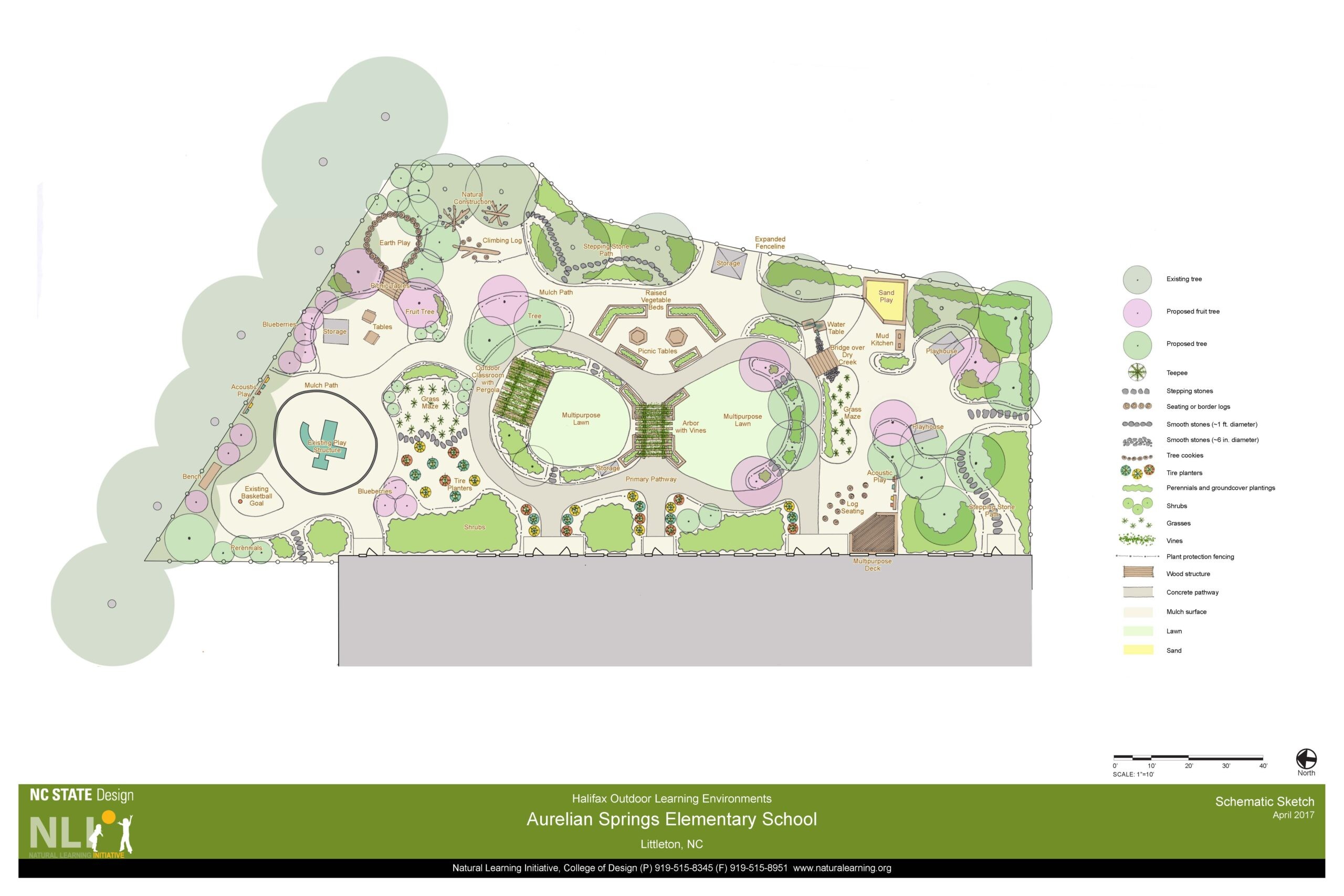
Aurelian Springs Institute of Global Learning planted thirteen trees and constructed an arbor to offer more shading for the children. A primary pathway was installed, among other settings and components including a multipurpose deck, trikes, wheeled toy storage, a raised garden bed, tire planters, mulch and borders, a teepee, a music wall, and natural construction setting with storage.
Address: 10536 Hwy 48, Littleton, NC 27850
Phone Number: (252) 586-4944
County: Halifax Local Partnership: Halifax-Warren Smart Start Partnership for Children
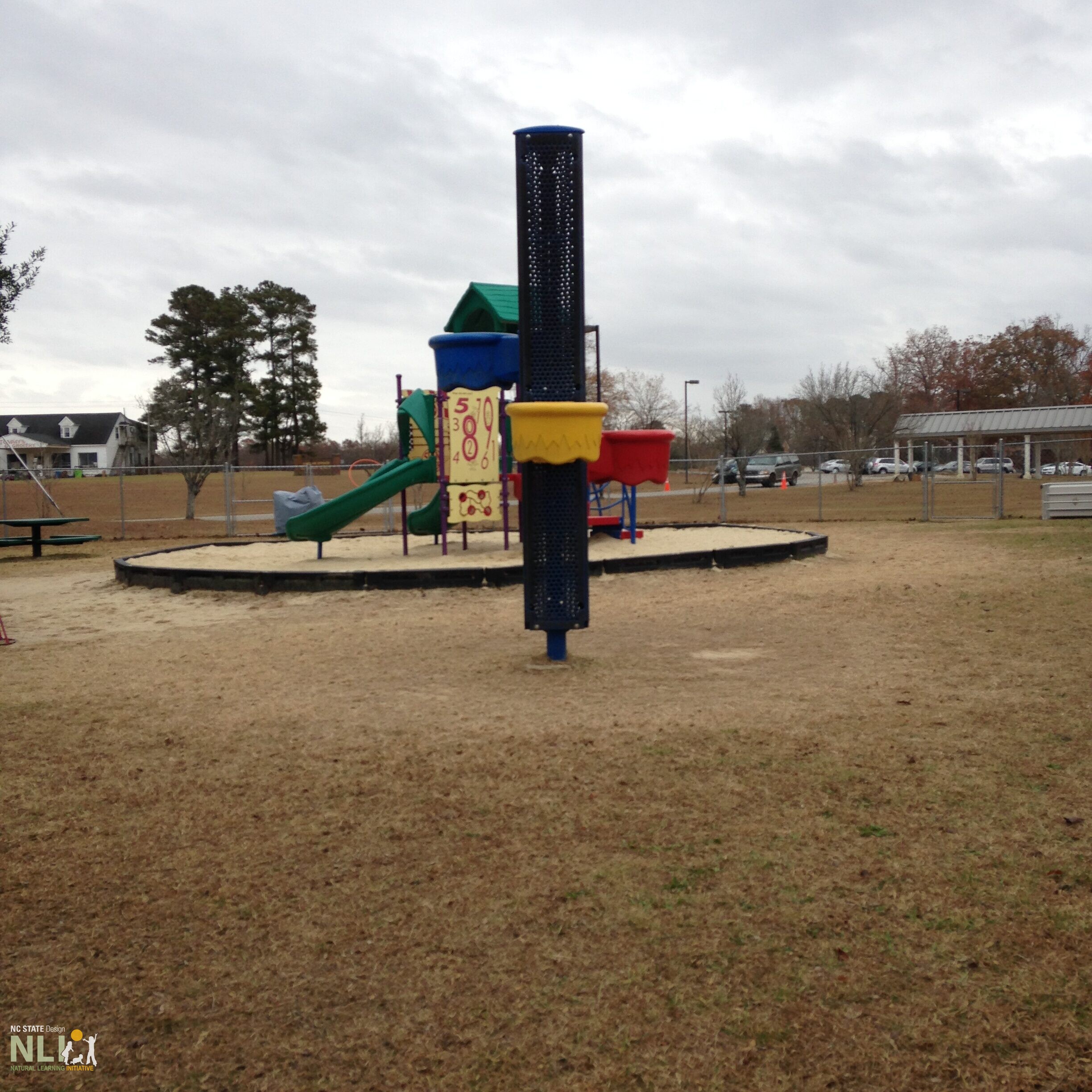
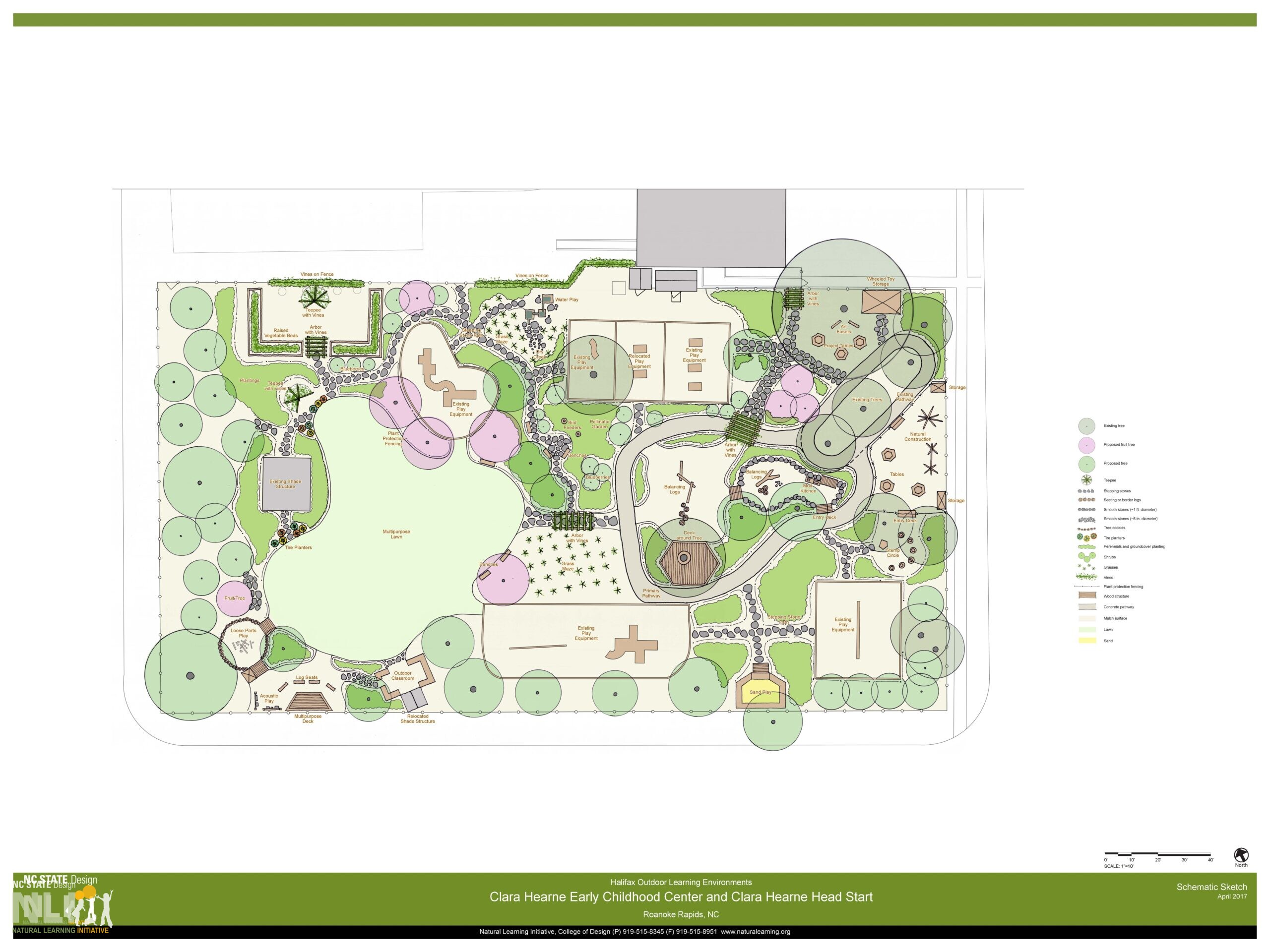
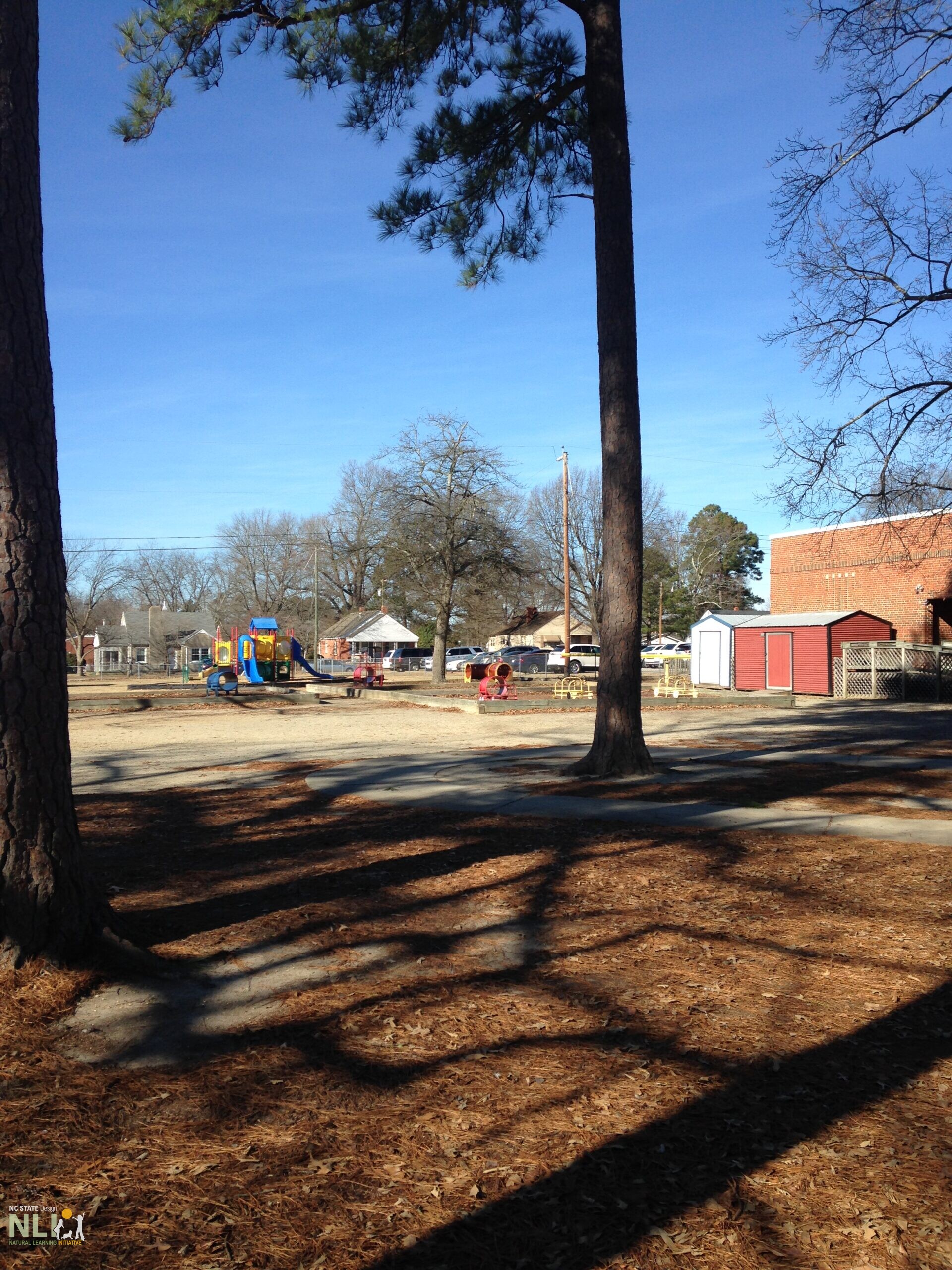
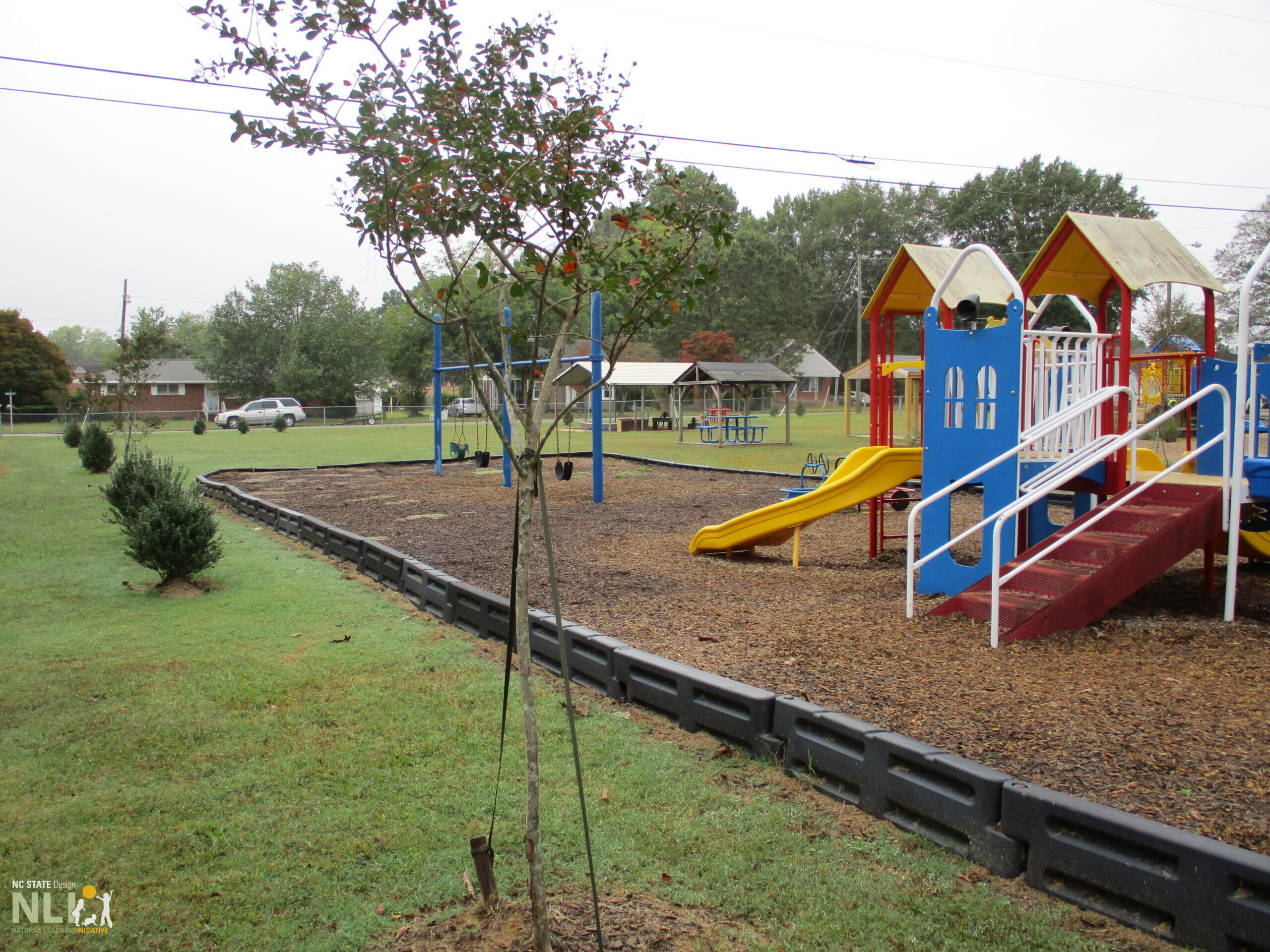
At Clara Hearne Early Childhood Center, half the outdoor space was shaded by mature trees and the other half was full sun. A primary pathway, multipurpose deck, playhouse, and natural construction area were added to the shaded section. In the sunny section, trees were added as well as a large grassy mound. Under an existing shade structure, a mud kitchen, canoe, and water play were added for imaginative play.
Address: 731 Cedar Street, Roanoke Rapids, NC 27870
Phone Number: (252) 519-7700
County: Halifax Local Partnership: Halifax-Warren Smart Start Partnership for Children