Blog

  • NLH May

    Natural Learning at Home®

    May
    Parent Engagement- May Header

    To view other newsletters in the Natural Learning at Home series, click here

    Download the PDF

    DESCARGA EL PDF – ESPAÑOL

    ACTIVITY:Animal and Nature Yoga

    Yoga is a great exercise and a fun way for children to enhance their physical development! For this activity provide your child the option to do either animals or nature-inspired yoga poses. Encourage them to be independent thinkers by choosing different poses to do during the activity.

    You can do animal yoga poses with your child to build positive family engagement. Some poses could include cat, cow, downward dog, as well as lizard; or nature yoga poses such as mountain, tree, butterfly, and sun salutations. Read Rachel’s Day in the Garden by Giselle Shardlow for inspiration.

    PLANT OF THE MONTH:Lady Banks (Rosa banksiae lutea)

    Lady Banks are a beautiful flowering plant to have in your garden. Known for their thornless vines, these roses can be trained to climb on outdoor structures providing a decorative element during the spring months. In addition, the yellow roses produce small multi-petal blooms with a slight fragrance to entice children’s sensory development. As a fun activity, Lady Banks can be used for wreath making or preparing rose bunches with your child.

    RECIPE:Kale Chips

    Ingredients

      • 1 bunch kale
      • 1 tablespoon olive oil
      • 1 teaspoon salt

    Instructions

    1. Heat oven to 300F.
    2. Line a baking sheet with parchment paper. Wash kale and dry well.
    3. Remove and discard the thick stems from the kale.
    4. Tear leaves into bite-sized pieces.
    5. Drizzle kale with olive oil and sprinkle with salt. Toss to coat.
    6. Arrange kale pieces in a single layer on the baking sheet.
    7. Bake 10 minutes or until edges are slightly brown but not burnt.
    8. Serve and enjoy!

    Mitchell, C. (2015). Snacking and Cooking With Cool Season Produce. LF-007-06. Raleigh: North Carolina Cooperative Extension Service.
    Rosa banksiae lutea. (n.d.). Retrieved from NCSU Plants Database

  • NLH April

    Newsletter

    Natural Learning at Home®

    April

    Parent Engagement- April Header

    To view other newsletters in the Natural Learning at Home series, click here

    Download the PDF

    DESCARGA EL PDF – ESPAÑOL

    ACTIVITY:Insect Safari

    Spring is here and what a great time to explore life in your garden! Now is the time to go on an insect safari around your backyard. Talk to your child about the benefits of pollination and how insects contribute greatly to the health of the garden. Have them learn, and identify insects outdoors. To celebrate the spring season, have a safari party to learn more about plants, pollinators, and other insects. Encourage them to act out their favorite insect or pollinator.

    Pollinators are responsible for assisting over 80% of the world’s flowering plants. Without them, humans and wildlife wouldn’t have much to eat or look at! Animals that assist plants in their reproduction as pollinators include species of ants, bats, bees, beetles, birds, butterflies, flies, and moths. Wind and water also play a role in the pollination of many plants.

    PLANT OF THE MONTH:Potato (Solanum tubersosum)

    A warm-season crop, potatoes are one of the leading vegetables in the United States. A tuberous crop grown from the perennial plant Solanum tubersosum, they contribute about 15 percent of farm sales for vegetables. According to the North Carolina Potato Association, North Carolina alone produces approximately 16,000 acres of potatoes, most notably in the coastal plain counties of Camden, Hyde, Pamlico, and Washington to name a few. April is the perfect time to plant potatoes so you can have a bountiful harvest in late summer!

    RECIPE:Garlic Mashed Potatoes

    Ingredients

      • 8 Potatoes, peeled and quartered
      • 2 Garlic cloves, minced
      • ½ cup Milk
      • ¼ cup Butter
      • Pinch of pepper (optional)
      • Salt to taste

    Instructions

    1. Boil potatoes in a large pan, until they become soft but firm.
    2. Drain the water and let them cool.
    3. Add milk, butter, garlic cloves, salt, and pepper to the potatoes and mash them using a masher or an electric mixer.
    4. Mash it to your desired consistency.
    5. Serve and Enjoy!

    NC Potato Association. (n.d.). Retrieved from http://ncpotatoes.org/
    Pollinators. (n.d.). Retrieved from https://www.fs.fed.us/wildflowers/pollinators/

  • NLH September

    Natural Learning at Home®

    September

    Parent Engagement- September Header

    To view other newsletters in the Natural Learning at Home series, click here

    Download the PDF

    DESCARGA EL PDF – ESPAÑOL

    ACTIVITY:Apple Twister

    Get ready to monkey around! A fun spin on the classic twister game. This game is made with cut-out paper to look like apples. Place the cutouts in a grid pattern on the floor (using tape or sticky putty) for this version of the game. Make your own spinner or simply call out colors and right (hand or feet) or left (hand or feet) for your child to enjoy this engaging activity. First one to fall down is out and the last person standing is the winner.

    PLANT OF THE MONTH:Radishes, (Raphanus raphanistrum subsp. sativus)

    Harvest this cool-season vegetable that grows in the spring and fall. In the fall season, harvest in late September until the first frost for best results. Varieties that are successfully grown and produced in North Carolina are Easter Egg, Cherry Belle, and Sparkler. This plant is appropriate to cultivate with children because of the quick maturity (4-6 weeks after planting) and harvesting time. Like carrots and potatoes, children love to harvest in-ground vegetables and fruits to see what delicious treats they will yield. Radishes are also a great container plant!

    RECIPE:Warm Baked Apples

    Ingredients

      • 1 to 2 teaspoons of oil
      • 6 Golden Delicious, Granny Smith, or Macintosh Apples
      • 2 tablespoons frozen orange juice concentrate
      • 8 tablespoons dried cherries, raisins, or any other fruit
      • 6 teaspoons honey

    Instructions

    1. Turn the oven on to 375 degrees.
    2. Lightly coat the muffin tins with oil to prevent the apples from sticking to the tins.
    3. Remove the core of the apples by using a melon baller or a spoon.
    4. Lightly prick around the tops of the apples with a fork (this prevents the apples from splitting).
    5. With the help of your child, put the apples in the muffin tins and then fill each apple with 1 teaspoon orange juice concentrate, 1 tablespoon dried fruit, and 1 teaspoon honey.
    6. Put the muffin tin in the oven and bake until the apples are soft, about 30 minutes.
    7. Serve warm and enjoy!

    Sanders, D. (n.d.). Radish. Retrieved fromhttps://content.ces.ncsu.edu/radish

    White House Warm Baked Apples with Dried Cherries and Raisins. (2017, April 04). Retrieved from https://www.healthyplymouth.org/recipes/white-house-warm-baked-apples-dried-cherries-and-raisins

  • NLH August

    Natural Learning at Home®

    August

    Parent Engagement- August Header

    To view other newsletters in the Natural Learning at Home series, click here

    Download the PDF

    DESCARGA EL PDF – ESPAÑOL

    ACTIVITY:Cooking With Nature

    Imaginative play can be a lot of fun for all who are involved. Why not cook with nature? With your child, enjoy creating mud pies or stone soup as a delicious treat. Use baking trays, bowls, spoons, and other kitchen utensils to make recipes from items found outdoors.

    Need a recipe? Try “Stone Soup”. An easy recipe to make use a pot or bucket, water, and stones. Mix stones, a bit of water, and other nature items to enjoy. End the activity with a great “feast” where your child can enjoy their creations with you or others. Read Stone Soup by Jon J Muth, to encourage your child to create their very own stone soup!

    PLANT OF THE MONTH:Lamb’s Ear (Stachys byzantina)

    Grown for its soft, fuzzy foliage, Lamb’s Ear is a wonderful addition to your garden, and can even be grown in container pots! Originally from Iran, this perennial plant provides excellent ground-cover; producing bright purple or pink flowers in mid-summer. In addition to being an attractive plant, the soft leaves also provide a great sensory experience for children, helping to develop children’s appreciation for plant diversity.

    RECIPE:Watermelon Agua Fresca

    Ingredients

      • 4 cups cold, chopped seedless watermelon
      • 1 cup cold water
      • 1 tablespoon fresh squeezed lemon juice or lime juice
      • 1 1/2 tablespoon honey
      • Fresh mint leaves (optional)

    Instructions

    1. Put the watermelon pieces, water, lime or lemon juice, mint and honey into blender.
    2. Blend ingredients until the mixture is smooth.
    3. Serve right away or cover and refrigerate up to 4 hours. Make sure to stir before serving.
    4. Enjoy!

    Stachys byzantina. (n.d.). Retrieved from https://plants.ces.ncsu.edu/plants/all/stachys-byzantina/

  • NLH October

    Natural Learning at Home®

    October

    Parent Engagement- October Header

    To view other newsletters in the Natural Learning at Home series, click here

    Download the PDF

    ACTIVITY:Leaf Rubbings

    Collect leaves of different shapes and sizes from the outdoor learning environment. Use paper and any form of writing utensil such as pastels, crayons, or colored pencils to complete the activity. Put the leaf under the paper and lightly use the writing utensil to rub against the paper, creating an imprint of the leaf shape and intricate details. During this fun activity, investigate leaves shape, size, texture, and colors, to celebrate the fall season.

    PLANT OF THE MONTH:Pumpkin (Cucurbita pepo)

    Used by Native Americans and early settlers for food and decoration, pumpkins have become a staple in American households and culture during the fall season. For best results, grow from seed, providing 110-120 days to reach full maturity. Pumpkins should be harvested only after the shell has hardened completely. Create a fun activity or even celebrate a holiday by making a recipe or carving a pumpkin.

    RECIPE:Pumpkin Hummus

    Ingredients

      • 2 tablespoons lemon juice
      • 2 tablespoons tahini
      • 3 cloves garlic
      • ¾ teaspoon salt
      • 2 cans garbanzo beans, drained
      • 2 teaspoons olive oil
      • 1 can pumpkin puree
      • 1 teaspoon ground cumin
      • ¼ cup toasted pumpkin seed kernels
      • 1 pinch paprika

    Instructions

    1. Blend lemon juice, tahini, garlic, and salt together in a food processor or blender until smooth.
    2. Add garbanzo beans and olive oil and pulse until smooth.
    3. Add pumpkin, cumin, and cayenne pepper.
    4. Process until well blended.
    5. Transfer hummus to a container with a lid and refrigerate at least 2 hours.
    6. Lastly, fold pumpkin seeds into hummus.
    7. Garnish with paprika and serve with pita bread or sliced vegetables.

    Gardening Tips: Growing Pumpkins. (n.d.). Retrieved from https://halifax.ces.ncsu.edu/2012/10/gardening-tips-growing-pumpkins-2/

    Llewellyn, G. J. (2012, December 19). Savory Pumpkin Hummus Recipe. Retrieved from https://www.allrecipes.com/recipe/230466/savory-pumpkin-hummus/

    Schultheis, J. (n.d.). Growing Pumpkins and Winter Squash. Retrieved from https://content.ces.ncsu.edu/growing-pumpkins-and-winter-squash

  • NLH December

    Natural Learning at Home®

    December

    family playing in the snow

    To view other newsletters in the Natural Learning at Home series, click here

    Download the PDF

    DESCARGA EL PDF – ESPAÑOL

    ACTIVITY:Penguin Waddle

    For the penguin waddle, make this engaging activity a fun race or try it out one at a time. For this activity, each person will need a ball, as well as a start and finish line. Each person will need to hold the ball between their knees and waddle like a penguin. Whoever reaches the finish line first wins!

    PLANT OF THE MONTH:Fraser Fir (Abies fraseri)

    According to the North Carolina Christmas Tree Association, The North Carolina Christmas Tree industry is ranked second in the nation in the number of trees harvested each year. Of Christmas trees, Fraser Fir is the most recognized and associated in the region representing over 99.4% of all species grown in North Carolina. To grow, they prefer cooler temperatures, so the mountains of North Carolina are suited perfectly for growing them. In addition, North Carolina Fraser fir is the most popular Christmas tree in North America and is shipped all over the U.S and internationally.

    RECIPE:Kale Slaw

    Ingredients

      • 6 large kale leaves, washed, the excess water shaken off
      • 2 tablespoons fresh lemon juice (from half a lemon)
      • 2 tablespoons olive oil
      • ¼ cup dried cranberries
      • 1 garlic clove, peeled and minced
      • ¼ teaspoon kosher salt
      • ¼ cup freshly grated parmesan cheese

    Instructions

    1. Strip the leaves off from the kale’s stems by grasping the bottom of each stem and pulling your hand up along it forcefully. The leaves will come off and leave behind the tough stems, which you can throw away.
    2. Stack and bunch the leaves together on the cutting board and use the knife to cut across the stack so that you end up with skinny slivers of kale.
    3. Put the lemon juice, oil, garlic, and salt in the large bowl, then add the kale and toss it all around with the tongs.
    4. Add Parmesan cheese, cranberries and serve right away.

    Stachys byzantina. (n.d.). Retrieved from https://plants.ces.ncsu.edu/plants/all/stachys-byzantina/

  • NLH November

    Natural Learning at Home®

    November

    Parent Engagement- November Header

    To view other newsletters in the Natural Learning at Home series, click here

    Download the PDF

    DESCARGA EL PDF – ESPAÑOL

    ACTIVITY:Acorn Throwing

    Use the plethora of acorns that have fallen this fall to make a fun game. You can make your own targets or simply use buckets with assigned point values. Whoever gets the most acorns wins.

    PLANT OF THE MONTH:Broccoli (Brassica oleracea var. italica)

    Broccoli, a cool-season crop, is an easy plant to grow in the fall season. Related to cauliflower, cabbage, and kale, broccoli is known for its high nutritional value and anti-cancerous properties according to the American Cancer Society. For best results, broccoli should be grown in soils that are fertile, well-drained, and have texture ranging from sandy loam to clay loam. The variety that grows well in North Carolina is Packman Hybrid (standard variety).

    RECIPE:Roasted Sweet Potatoes

    Ingredients

      • 2 to 3 medium sweet potatoes, peeled
      • 1 tablespoon olive oil
      • ½ teaspoon curry powder
      • ¼ teaspoon ground cumin
      • 1/8 teaspoon ground cloves
      • ½ teaspoon salt
      • Pepper (to taste)

    Instructions

    1. Preheat oven to 425 degrees.
    2. Cut sweet potatoes in half lengthwise; cut each half into six wedges.
    3. Combine sweet potato wedges, olive oil, and spices in a bowl. Toss gently to coat.
    4. Place wedges in a single layer on a baking sheet. Bake until very tender.
    5. Serve warm and enjoy!

    Stachys byzantina. (n.d.). Retrieved from https://plants.ces.ncsu.edu/plants/all/stachys-byzantina/

  • Guided by Nature

    Montessori

    Guided by Nature

    NAMTA Journal

    Download The PDF – English

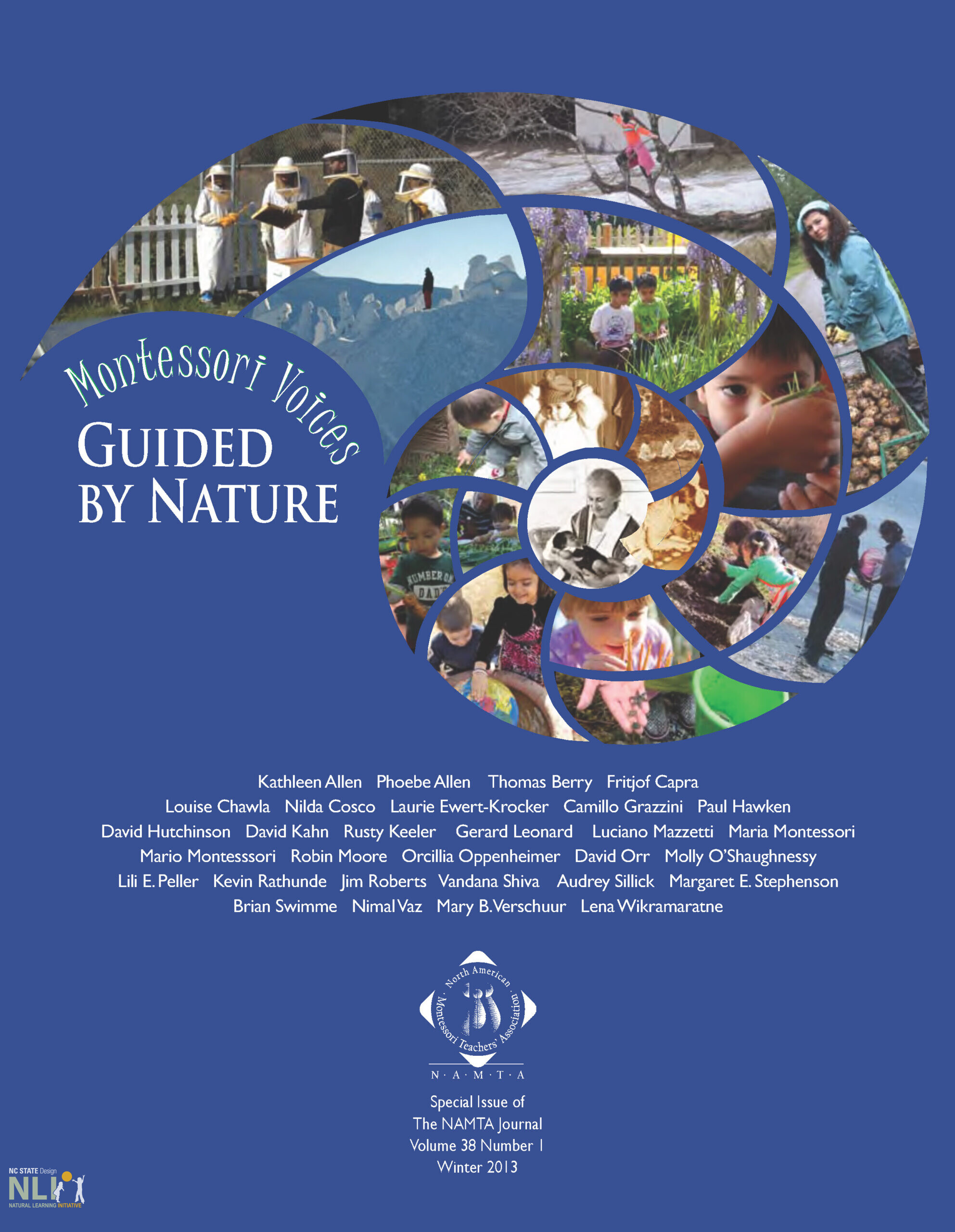
    The Guided by Nature theme for the Portland 2013 Congress reads, “The 2013 International Montessori Congress will allow us to look closer at how Montessori education is guided by children’s natural development and how that growth fosters a respectful relationship with the environment.” The chorus of voices that you will hear in this publication represents the Montessori legacy of the child and nature as an evolving vision of lifelong learning (early childhood, childhood, and adolescence) that was integral to an evolving pedagogy that is now 106 years old. What is the Montessori book of nature that scrutinizes these two natures: one nature belonging to the developing human and the other nature to the changing natural environment? Maria Montessori discovered the unfolding nature of childhood within the literal framework of a house and a garden. An ordered and prepared environment inside contrasted with a changing, evolving, prepared environment filled with living things on the outside. The children’s house fully integrates the two natures of childhood with two surrounding and complementary physical environments, one man-made and the other natural.

    2. Guided By Nature Revised Namta Jnl. Vol.38 No.1 2013 Lo Page 001 Scaled
  • Child in Nature Video

    Child in Nature Video

    Thomas Berry, Robin Moore, Nimal Vaz (2006)

    The Child In Nature, 2006, features Robin Moore discussing NLI’s approach to the Montessori philosophy of outdoor design and the spatial transition between indoors and outdoors. Also featured are Montessori educator, Nimal Vaz, and theologian and philosopher, the late Thomas Berry.

    DVD Available Here

  • Greening Montessori School Grounds by Design

    Publications

    Greening Montessori School Grounds by Design

    Authors: Moore, Robin, & Cosco, Nilda.

    Download the PDF

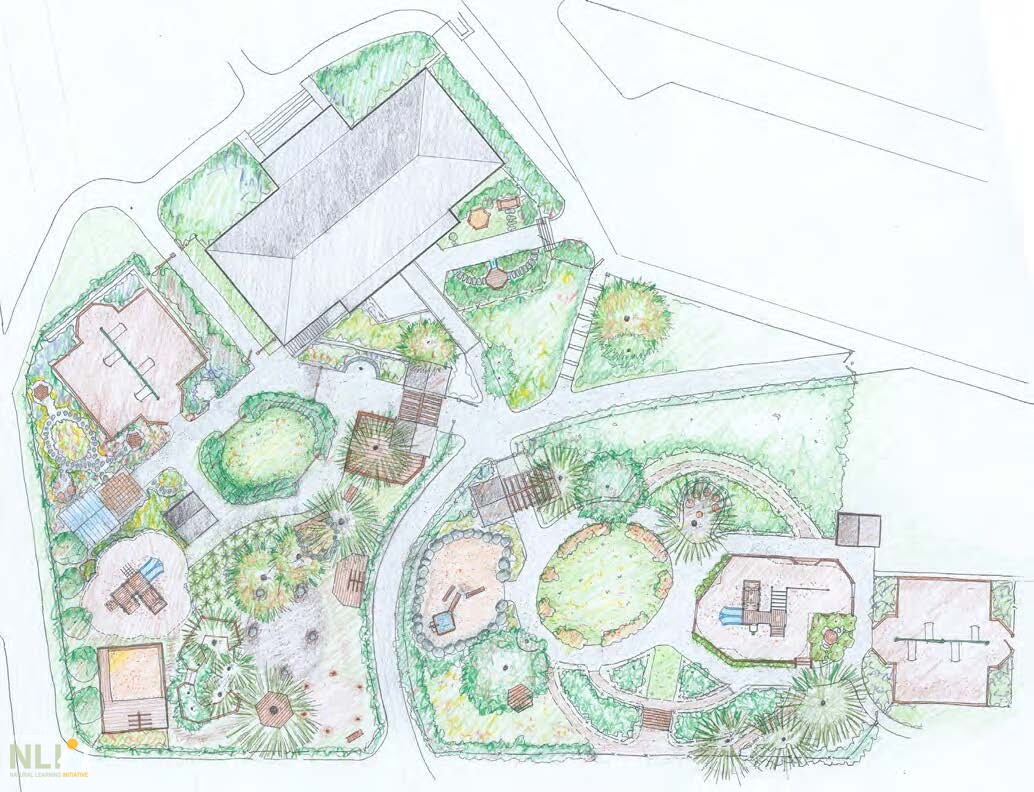
    Article authors Moore and Cosco see the Montessori approach to the prepared environment as overlapping their understanding of the naturalization of school grounds. As they present the possibilities for a naturalized setting to overcome sedentary lifestyles and maximize learning in the outdoors, they establish necessary components for success: professional design, careful attention to surface drainage, thoughtful use of a hierarchy of pathways, variety in elevation, transitional shelters and terraces, moveable parts, restoration of wild places, inclusion of fruit-bearing species, and, above all, establishing a sense of place.

    In The NAMTA Journal Vol. 38, No. 1, 2013

    the NAMTA journal logo
    drawing of Montessori School Grounds