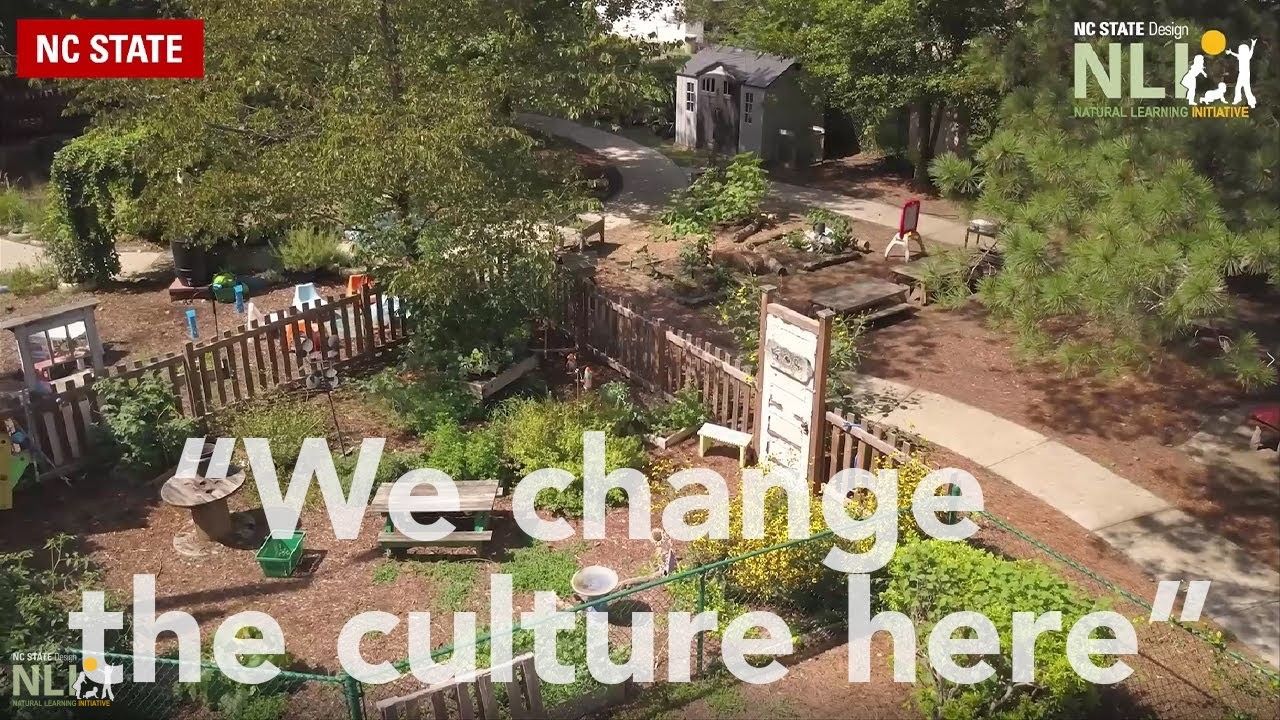
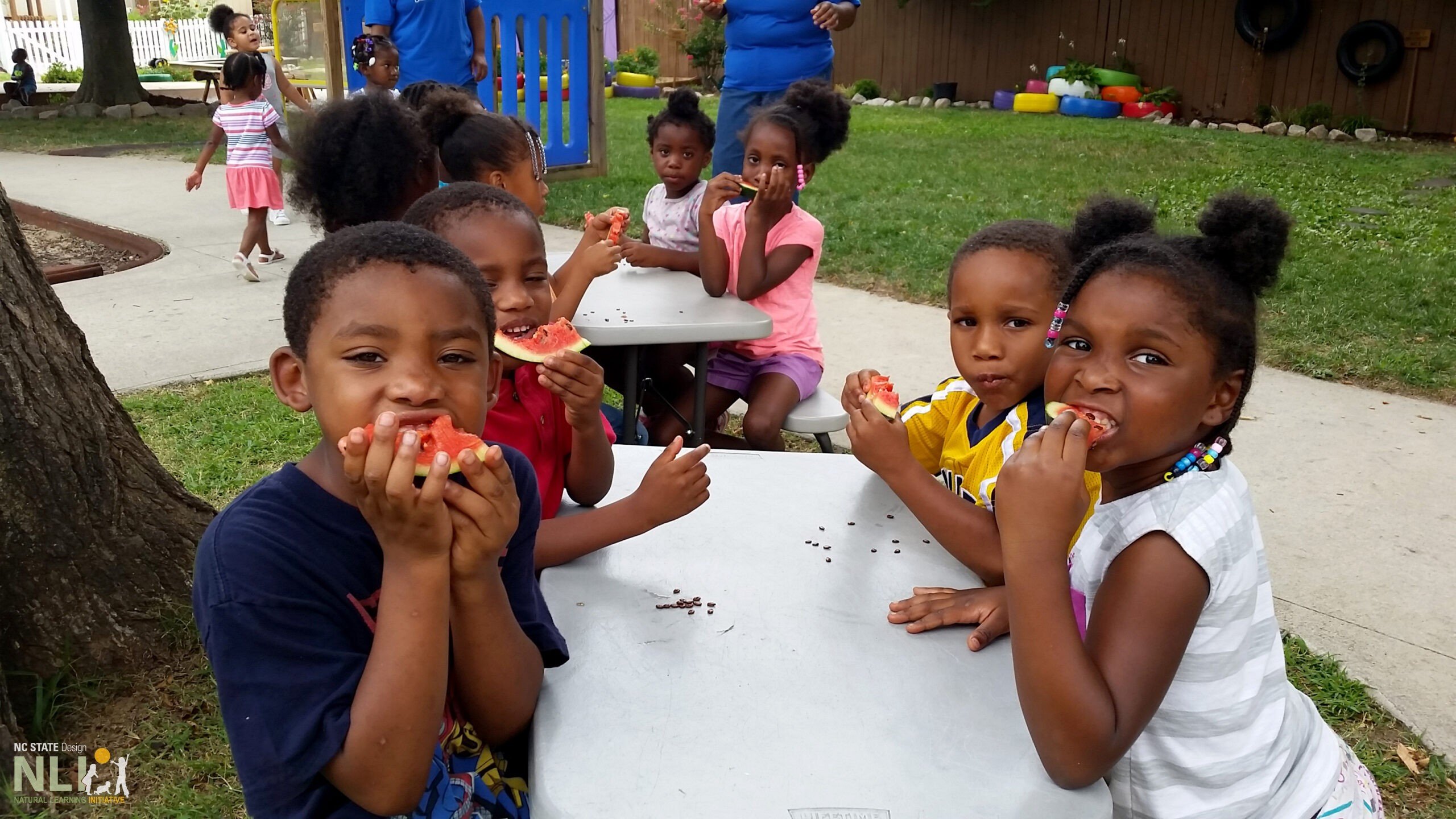
This micro-documentary YouTube “short” (2:23) features Abe Shaw from A Safe Place Child Enrichment Center in Raleigh, NC. In this video, Abe leads a lesson called “Trying and Tasting New Flavors,” guiding children as they prepare two snacks using ingredients from the center’s own garden. This short is part of a series of 2-3-minute videos produced by NLI illustrating the 12-step, hands-on, early childhood gardening process that helps activate early childhood outdoor play and learning spaces (ECOPALS). The gardening shorts align with the Gardening Activity Guide, focusing on physical activity and healthy eating. Please stay tuned for more video shorts! These shorts are part of the NLI Gardening Series: https://ncchildrenandnature.org/gardening-…
In November of 2023, NLI collaborated with the NC State University Department of Horticultural Science to deploy nature-based design interventions in two North Carolina child care centers as part of a state-wide grant with the NC Division of Child Development and Early Education. The following short is from a visit to Bright Beginnings Child Development Center in Cary, NC where Horticulture Science students helped build and implement planters and a pergola.
(Eating and Learning with Apples Video) NC Crunch this Fall celebrated NC Farm to School and Early Care and Education Month by hosting events at more than a dozen Wake County Childcare including Bambino’s Playschool and A Safe Place Child Enrichment Center, with programs that support healthy eating habits. NC Crunch recognizes how healthy eating contributes to child and family well-being, while also promoting North Carolina agriculture by crunching into locally grown fruits and vegetables! Bambino’s Playschool, a current POD site, is committed to making a shift in the way children and their families view healthy eating. The owner/director, Adria Boyd, takes great pride in only serving children fresh produce. The school’s chef, affectionately known as Mama Jenkins, makes eating healthy meals fun and inviting for children. Her passion for healthy eating is inspiring. Bambino’s is licensed for 164 children birth-K. These shorts are part of the NLI Gardening Series: https://ncchildrenandnature.org/gardening-…
During the pandemic, all involved in the care of young children (birth to age seven) are searching for evidence-based, innovative strategies for adapting daily activities, while reducing the risk of COVID-19. One high-potential strategy is to move activities with children outside, where COVID-19 risk can be substantially less and the health benefits of interacting with nature are greatly increased. The pandemic adds massive emphasis to the importance of children spending regular, substantial time outside as a health-promotion strategy, to reduce risk of transmission and improve long-term health and wellness.
The Natural Learning Initiative (NLI), NC State University, the National Wildlife Federation, their partners, and supporting entities assume no responsibility for consequences arising from physical interventions using information contained in this document. Under no circumstances will liability be assumed for any loss or damage, including without limitation, indirect or consequential, incurred during installation, management, and use of such interventions. Highly recommended is adherence to relevant local, state, and national regulatory requirements concerning but not limited to health and safety, accessibility, licensing, and program regulation.
Campus-based child care outdoor learning environments can add value to natural sites located at universities (Arlitt Nature Play- Scape), community colleges, office parks or business campuses.
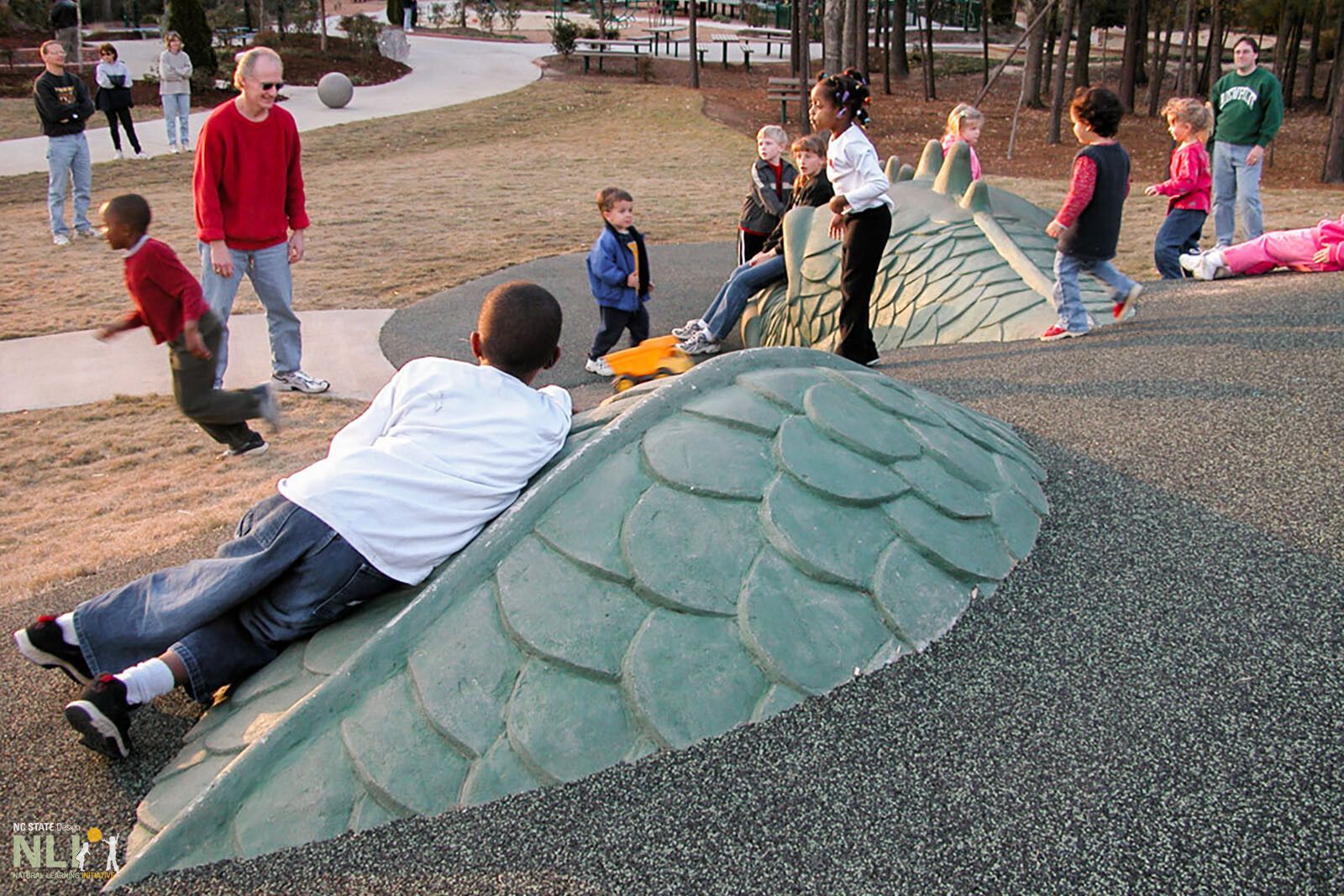
Community parks can offer inclusive, universally designed, intergenerational nature-based, diverse settings for all visitors, including sculptural settings like this “dragon” (Kids Together Playground).
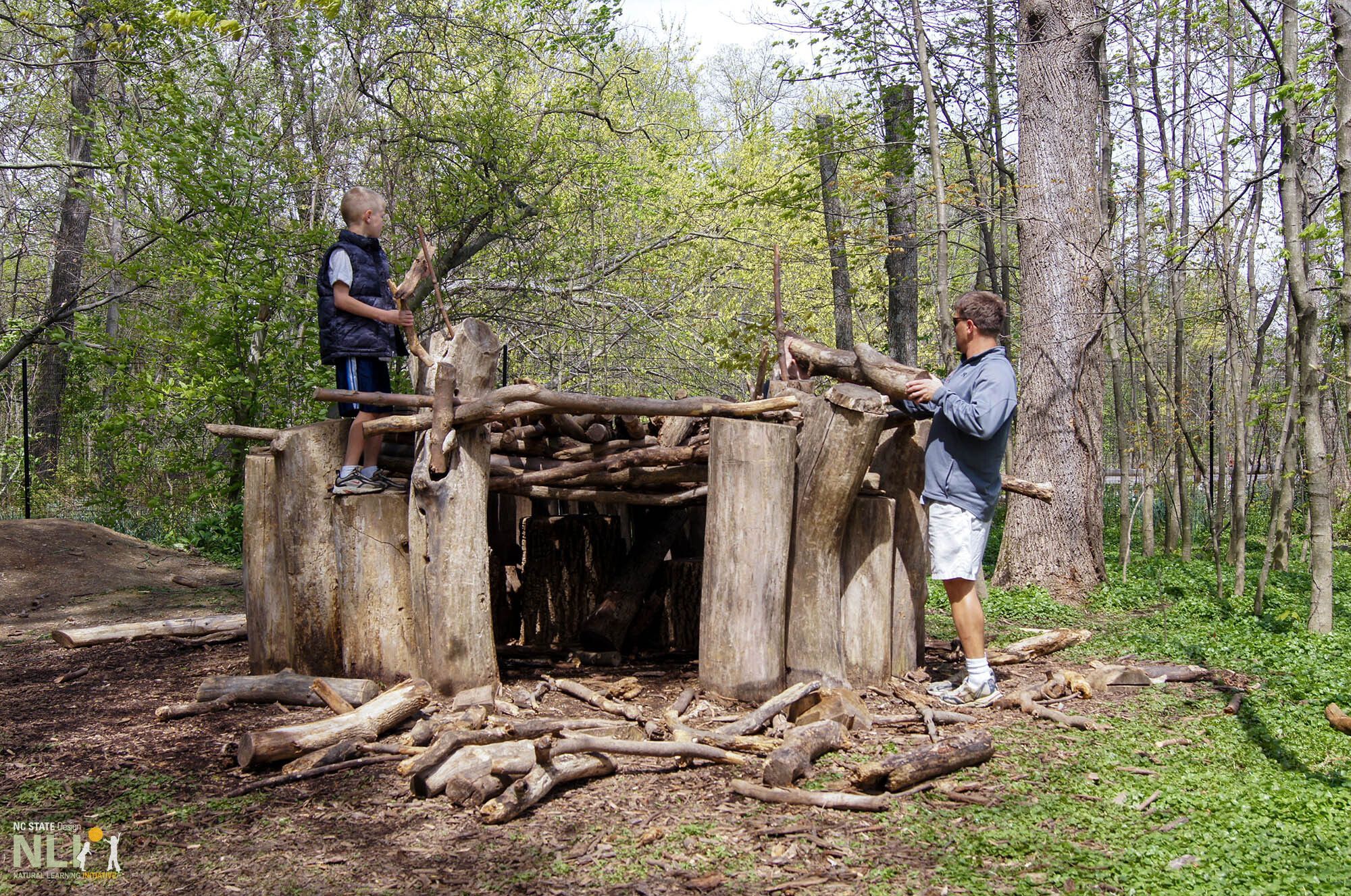
Patches of urban woodland can be designed and managed as intergenerational nature-based sites located in parks, museums, reserves, and nature centers (Schott Nature PlayScape).
Taking Action
Based on the immediate and long-term health benefits of regular time outside, increasing time outdoors is a critical strategy to support the health of young children and the safety of caregivers. Additionally, given the role that child care plays in supporting working parents and economies, this strategy may also support the viability of child care businesses and assist with economic recovery. To facilitate action that may result in the improvement and greater use of outdoor spaces in the care of young children, below are several resources that highlight practical strategies and considerations:
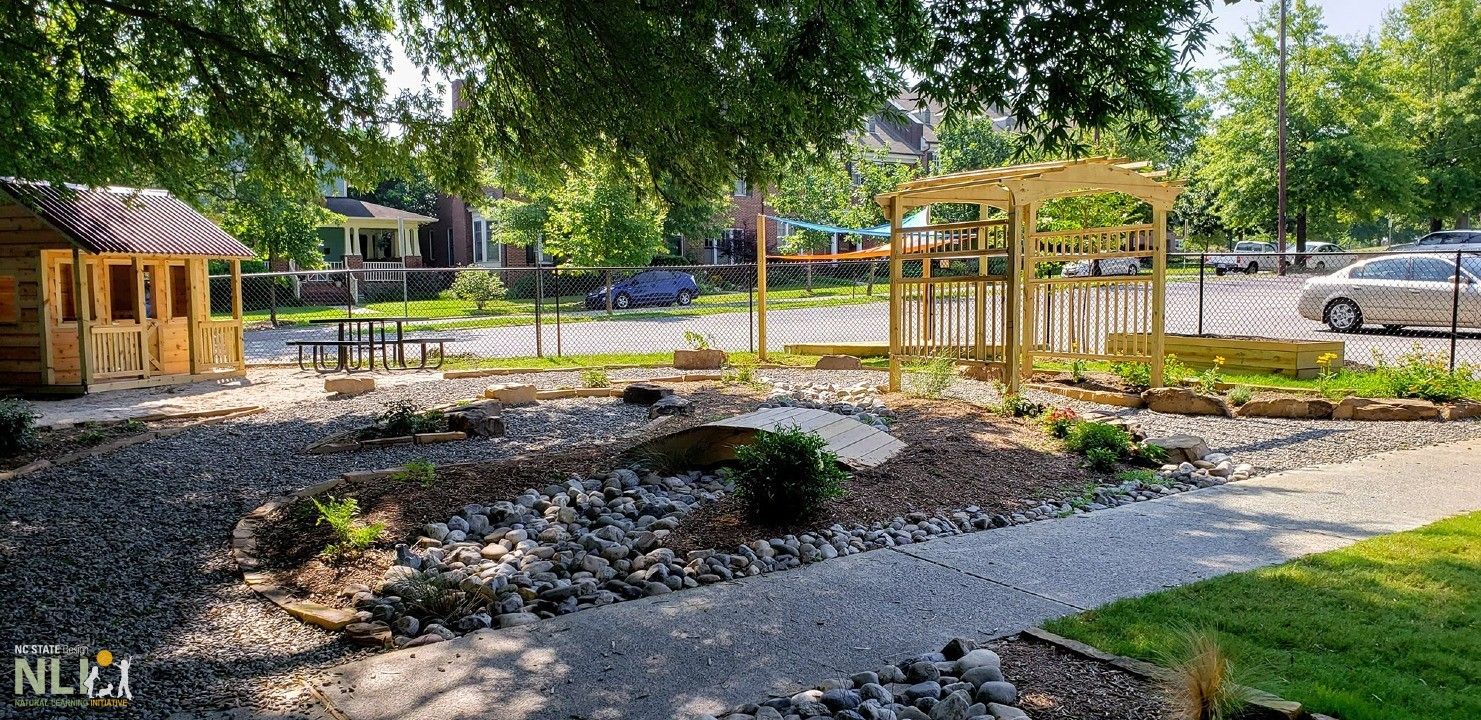
Child care providers can find practical strategies for managing and enhancing outdoor spaces while making them healthy, comfortable, and engaging for young children and caregivers.
Child care regulators and policy-makers can find considerations to provide guidance to child care providers during and after COVID-19 to support the greater use of outdoor settings in child care.
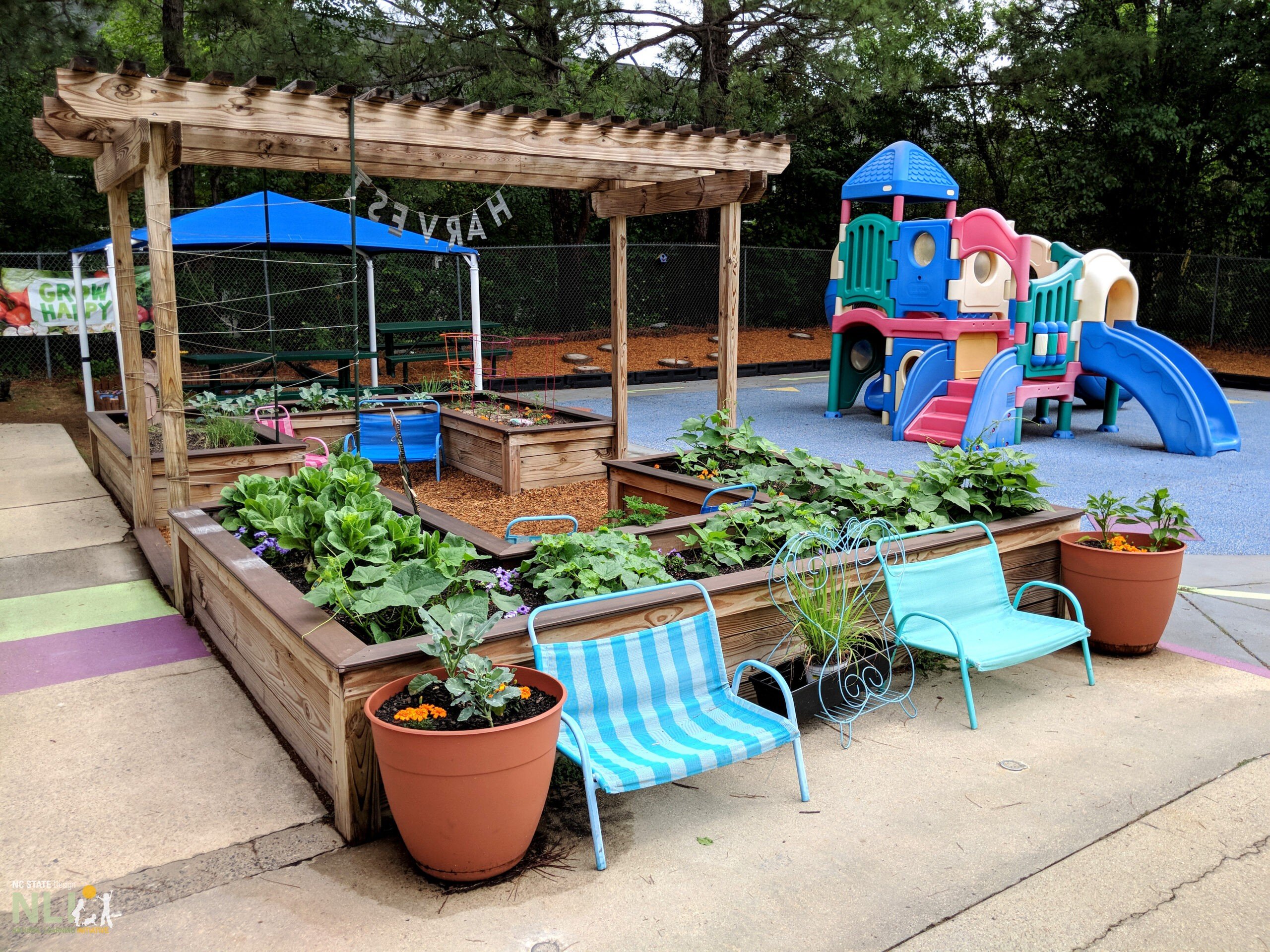
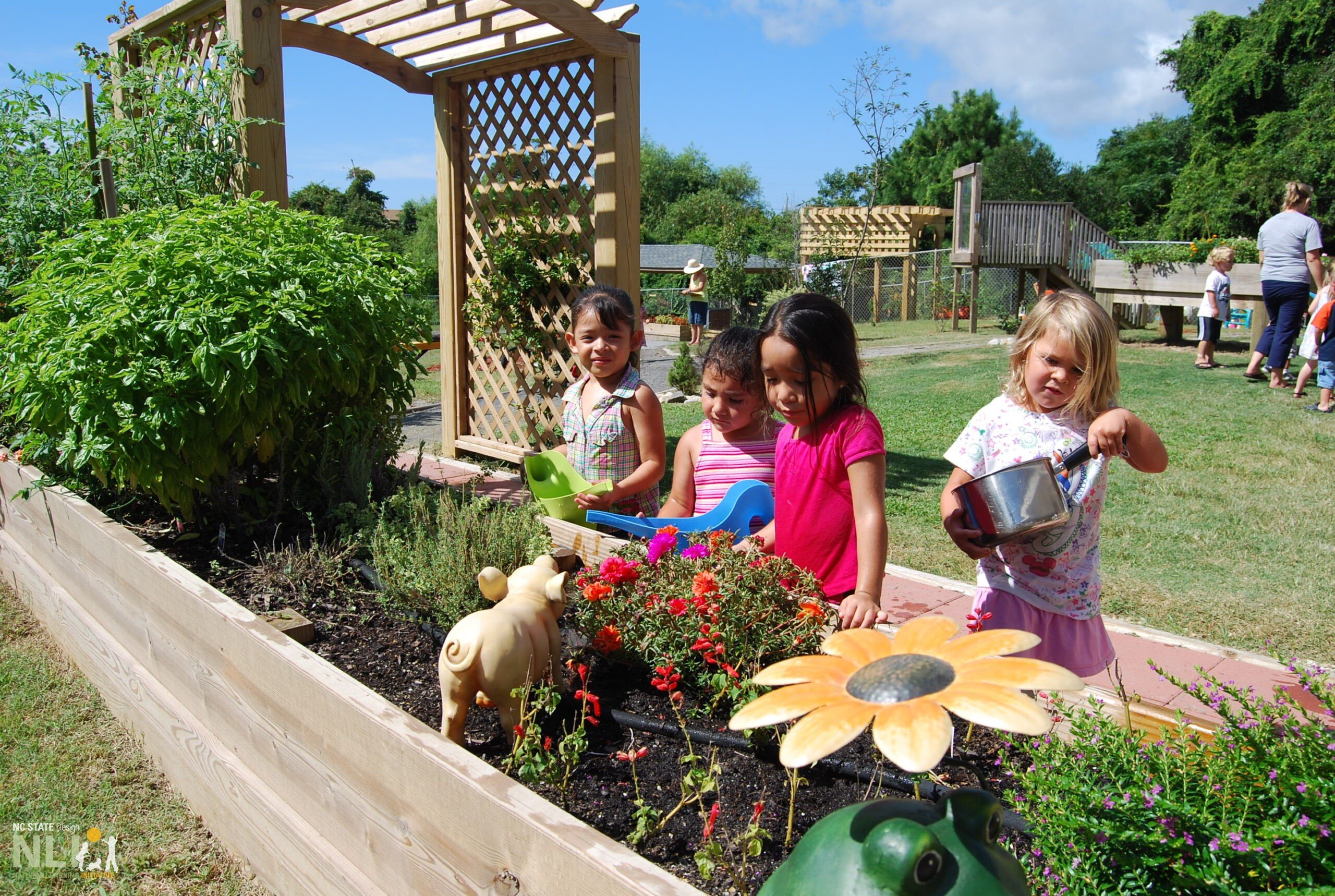
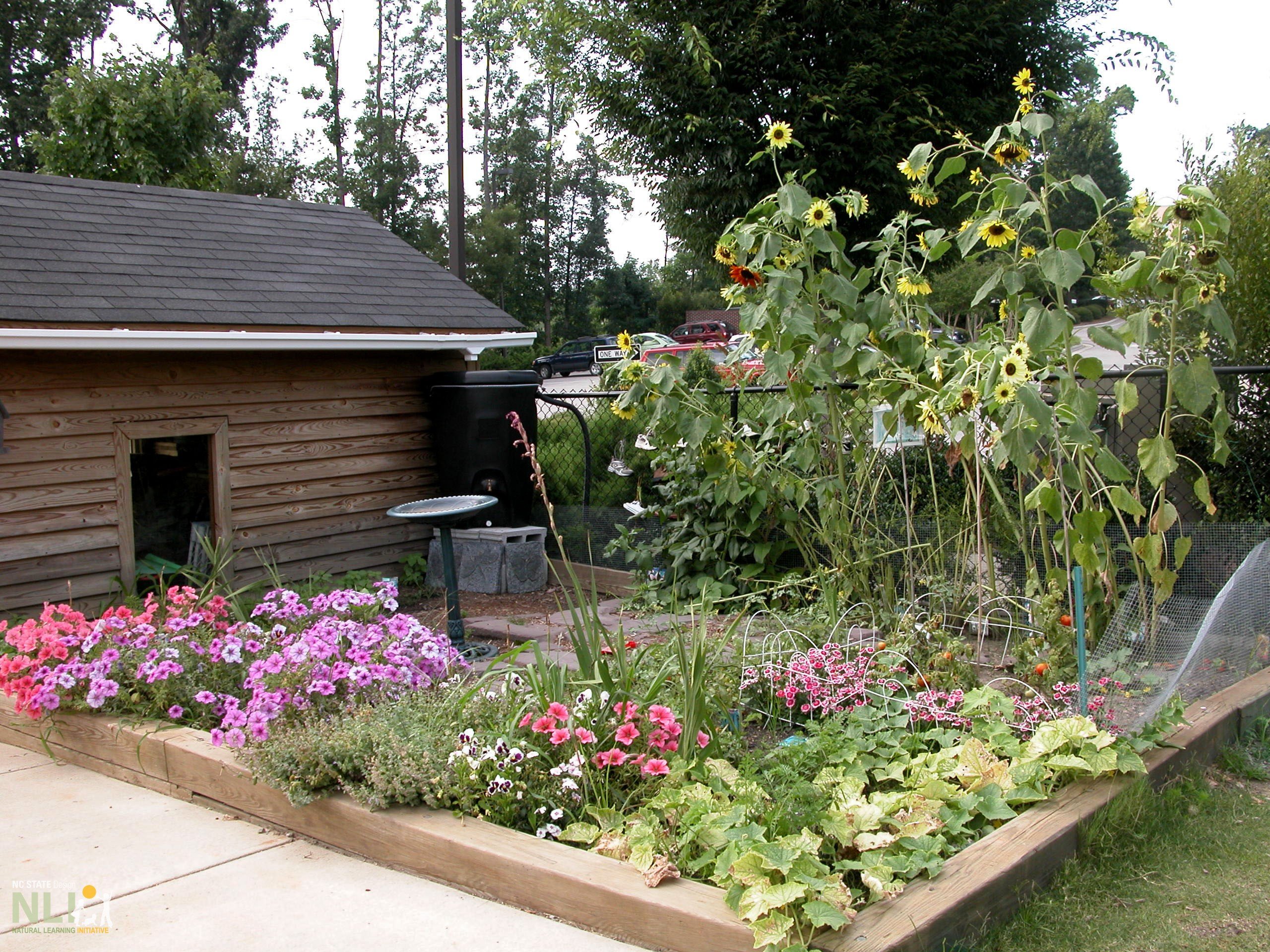
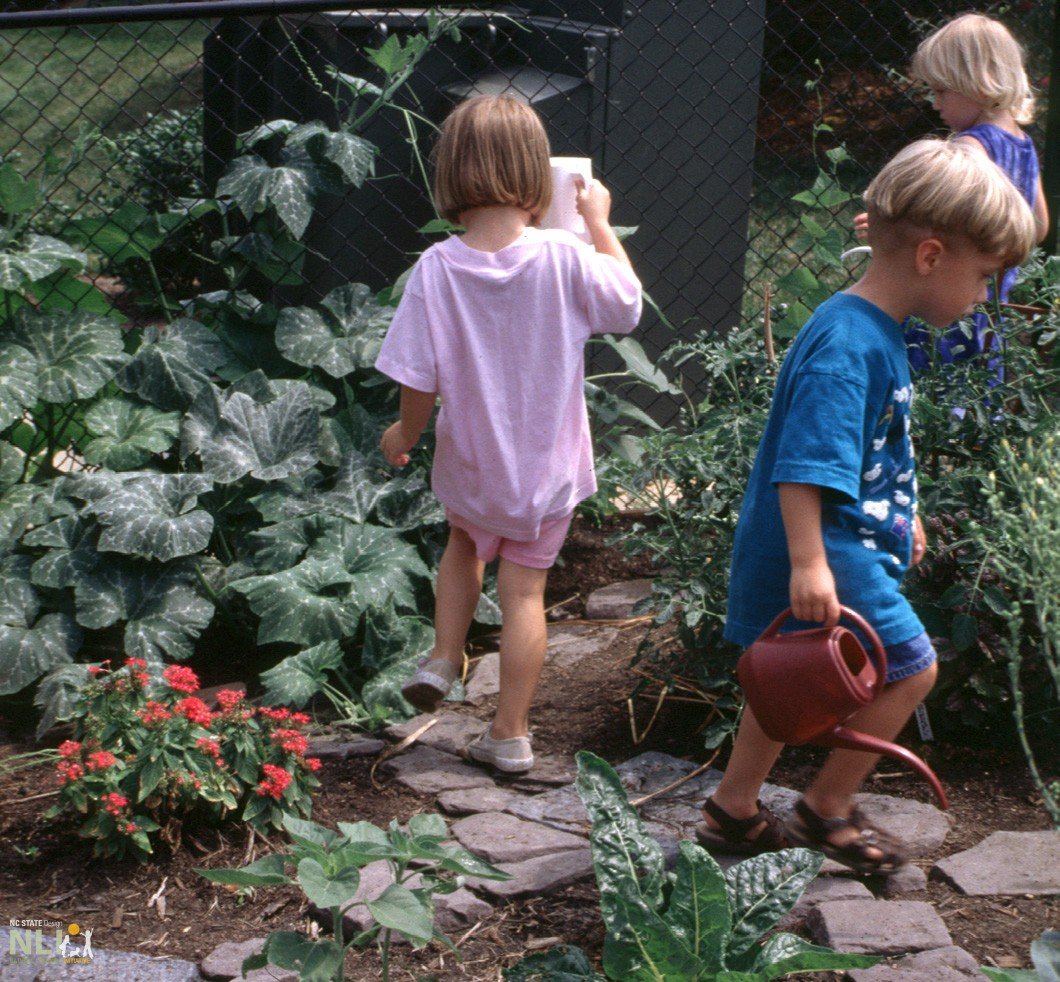
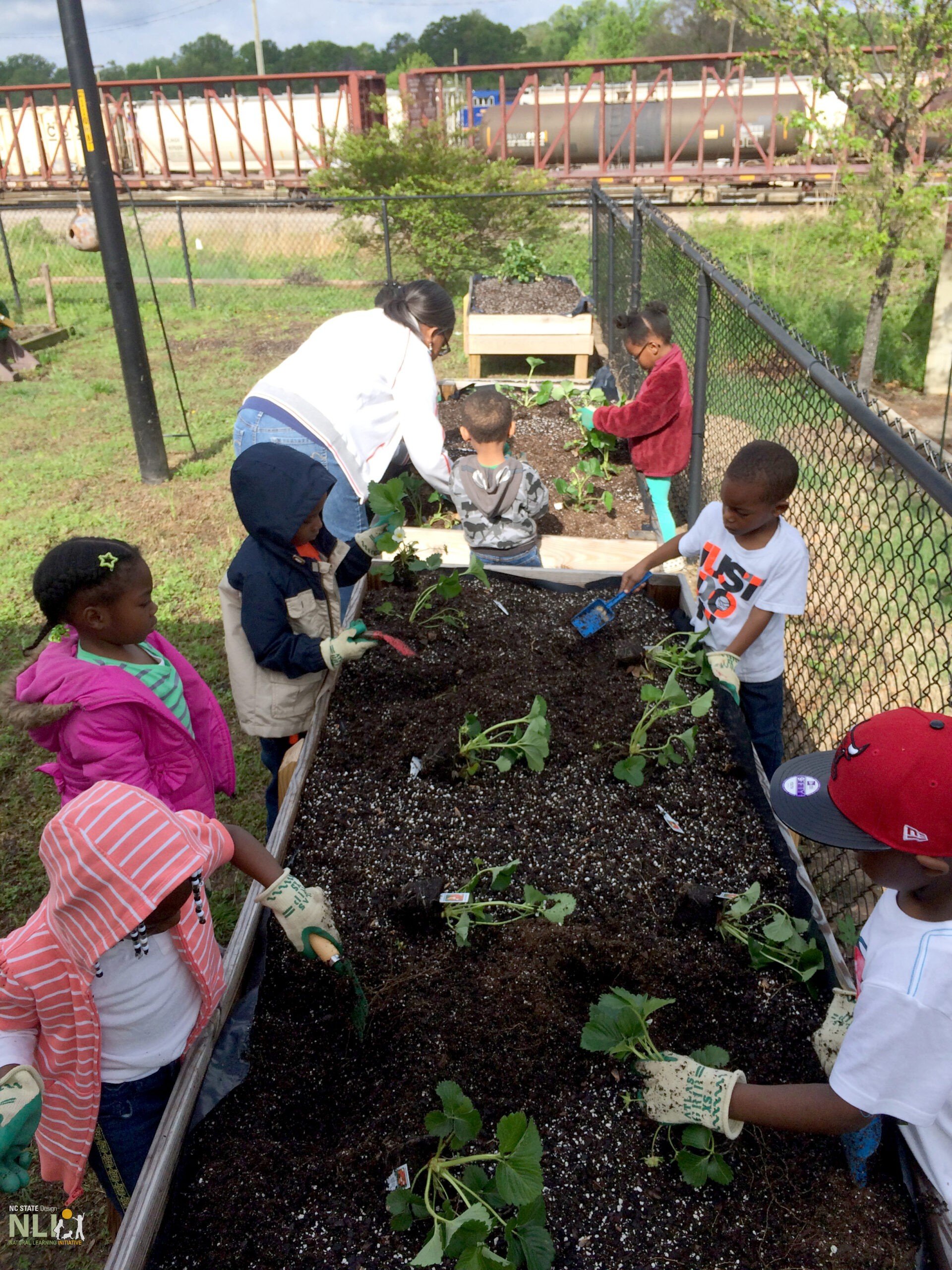
Children’s fruit and vegetable gardening can be supported by several garden types. If prior experience is lacking, container gardening is a great, confidence-building initial step. Failure is impossible if the basics are followed: fertile planting soil, sunny location, regular watering, and hardy plants like tomatoes and basil. Gardening and eating are highly sensory experiences, which in time help young children understand what plants need to thrive. Everyone, teachers and children alike, learn gardening through direct, hands-on observation and experimentation. Along the way, children also learn that caring for nature has positive results. When children grow their own food, they are more motivated to taste, eat, and enjoy the fruits and vegetables of their labor. Intentional garden planning, design, and installation will provide endless opportunities to enrich the learning environment – and potentially influence home cooking! Consider also the garden as a social/gathering setting, where users learn, share across generations, and relax, immersed in nature.
Key factors determining fruit and vegetable gardening success:
Starting Indoors. Start vegetables indoors from seed so that children experience the miracle of seed germination as the first step in the gardening process. Indoors offers an early start before the last frost. Once that risk has passed, seedlings can be gradually “hardened” before transplanting into containers or beds. For more information, refer to Making Newspaper Seedling Pots, InfoSheet #18, Starting Veggies Indoors, InfoSheet #19, and Indoor Plants for Homes and Classrooms, InfoSheet #20.
Sun. Locations should receive full sun for most of the day, throughout the year. Typically, fruit and vegetables require a minimum of 6 hours/day with 8 to 10 hours being ideal.1 Locate the garden away from trees and avoid the north side of buildings and structures. A flat, accessible space that receives afternoon sun is usually ideal for gardening.
Soil. Fruit and vegetables require nutrient-rich, well-draining soil. As childcare center sites often lack these requirements, contact local cooperative extension offices. They can provide soil sampling services to determine soil quality, advise on amendments, and if necessary share information about local suppliers.
Water. Gardens need to be close to a water source to minimize the burden of garden maintenance. If necessary, a hose can be run along fence lines from the hose bib to the garden. Important accessories are a hose bib key and a watering wand.
Location. Select a flat area with sufficient sun exposure, close to a water source, and easily accessible from classrooms. Classroom adjacency eases daily watering and checking for weeds, and makes possible daily observation of beneficial insects as well as those that might attack ripening produce. If possible, locate gardens away from high-traffic, active play spaces to help protect fragile plants. Position gardens backed by fence lines or sheltered in corners to prevent “run-throughs” by children. Fences offer vertical support for vines such as cucumbers and pole beans. Consider arbors, pergolas, trellises, and ribbed tunnels for the same purpose, including perennial vines such as thornless blackberries and grapes to immerse children in living, green settings. For more information, refer to Arbors, Pergolas & Trellises, InfoSheet #12.
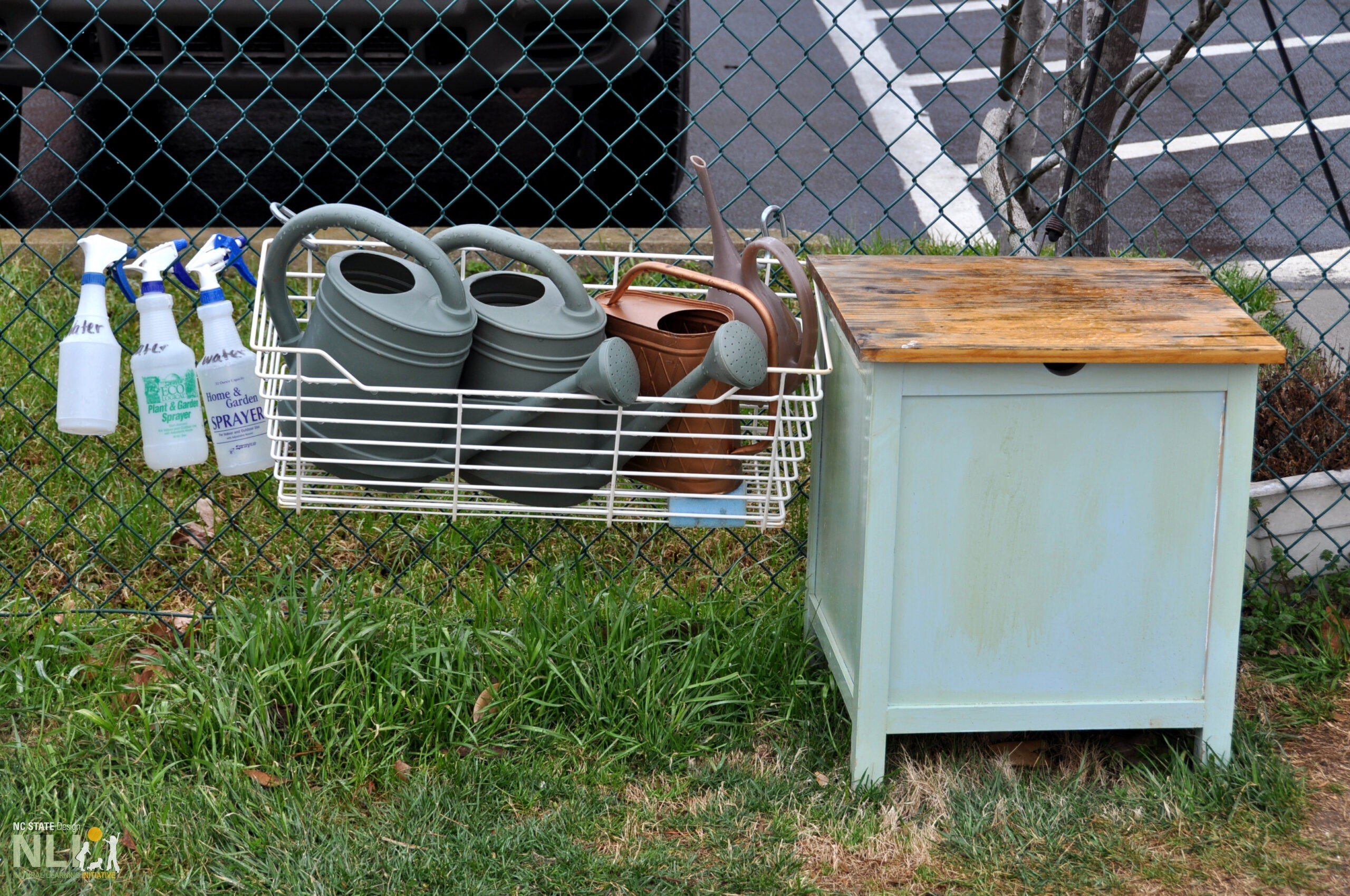
Storage. Adjacent storage is needed for ancillary items including hand tools, gardening gloves, watering cans and wands, stakes, and ties. A deck box or outdoor or waterproof coffer can serve this purpose. If possible, store spare soil and mulch in a nearby, larger storage unit. A potting shed, with sunny windows and/or roof lights for seedlings, may match equivalent gardening ambitions!
Garden Types
Consider gardening as a flexible process, modestly initiated and annually expandable. Experienced, confident gardeners may start with a fully-fledged installation. Whatever the starting point, by any measure gardening is a cost-effective investment for achieving healthy eating outcomes.2 Common garden types include:
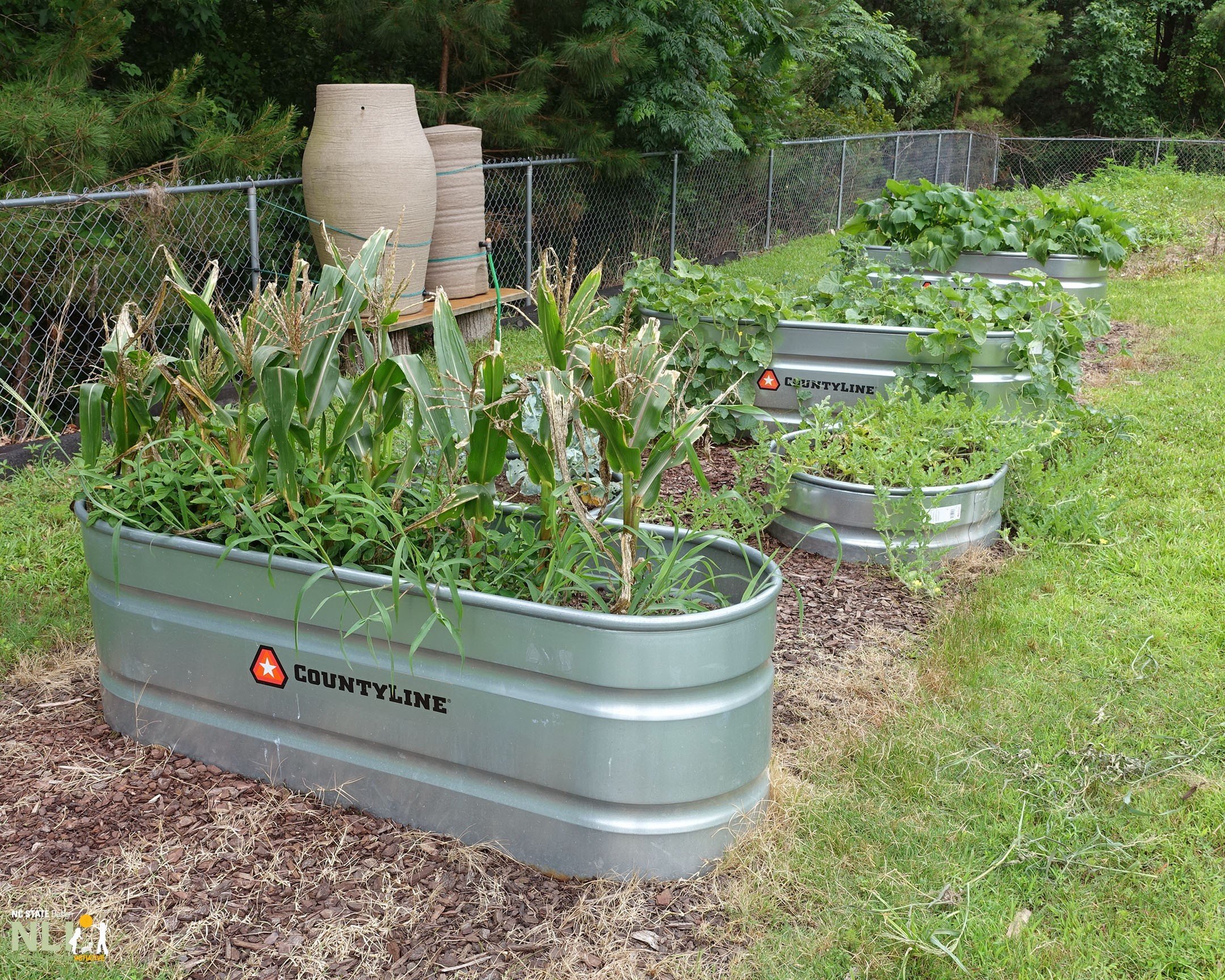
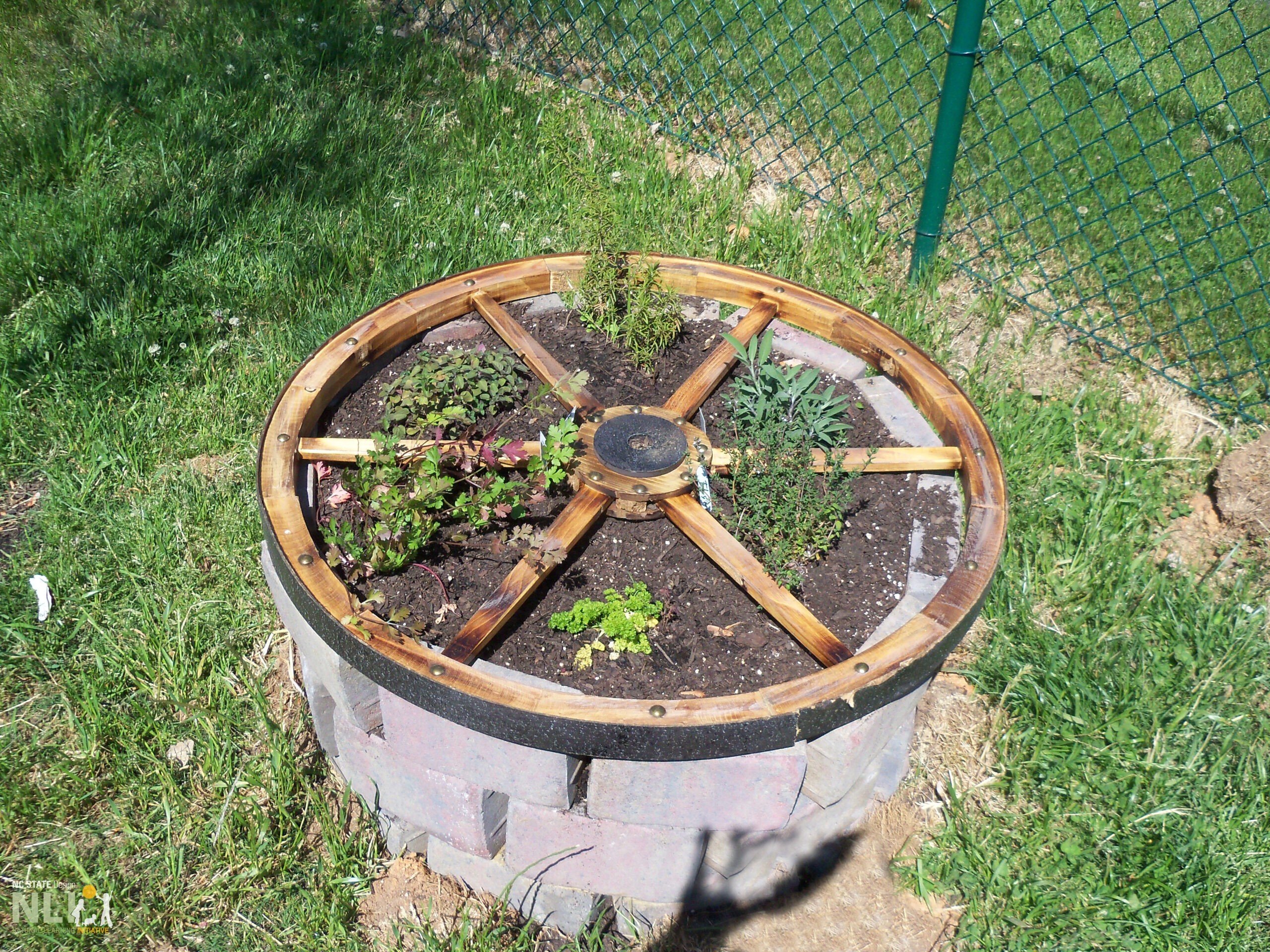
Container Gardening. Container gardening provides an affordable, flexible first step for engaging children in the growing process. The great advantage of container gardening is the flexibility offered by movable, expandable containers. Bigger is better for plant growth and water retention. Container gardens offer snacking and in sufficient numbers may contribute produce to center meal programs. For more information, refer to Growing Edibles in Containers, InfoSheet #10.
Straw Bale Gardening. Straw bale gardening provides a fun, fascinating, ephemeral, raised bed gardening option using the harvested by-product of grain production. For more information, refer to Straw Bale Planters, InfoSheet #23.
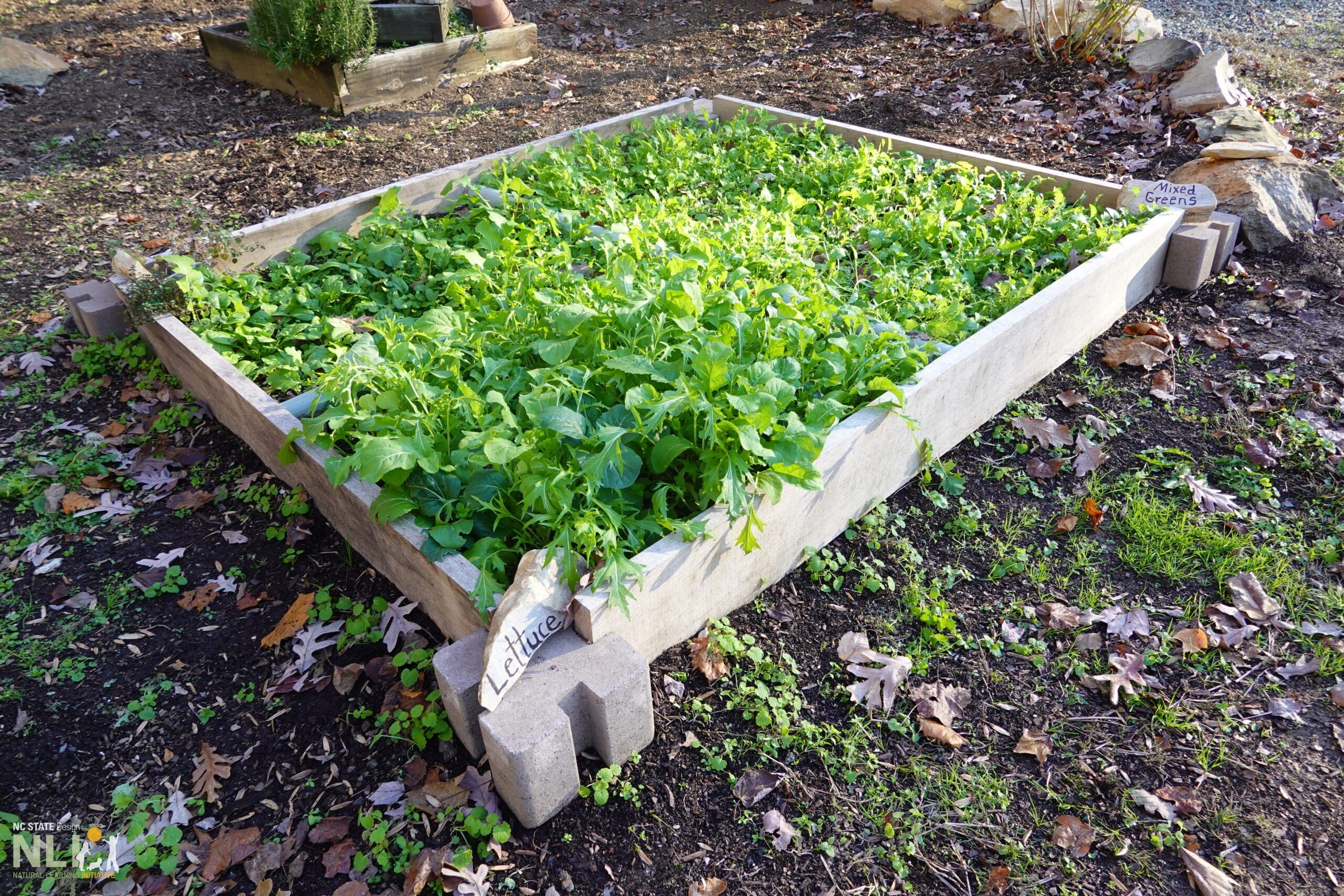
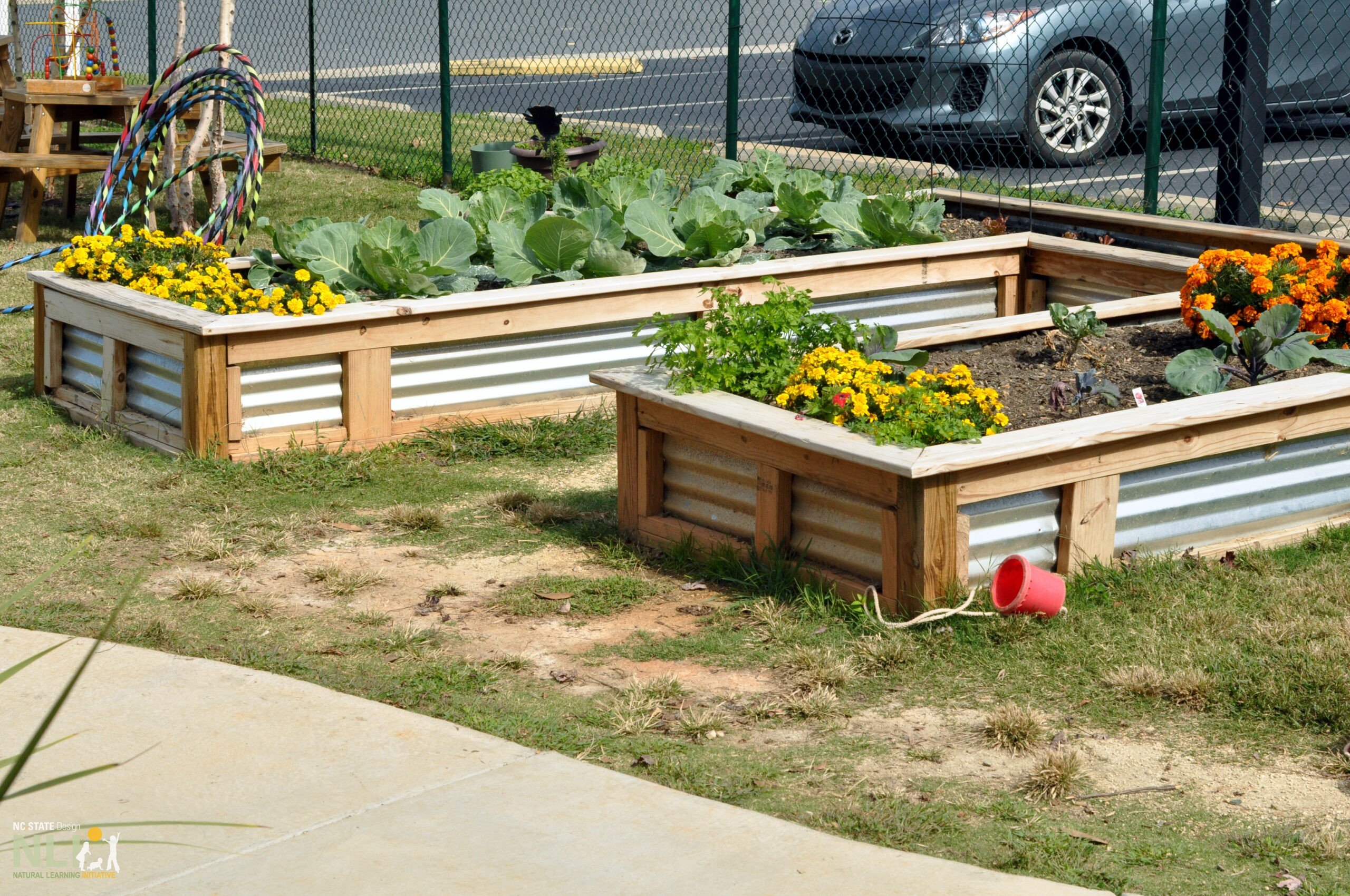
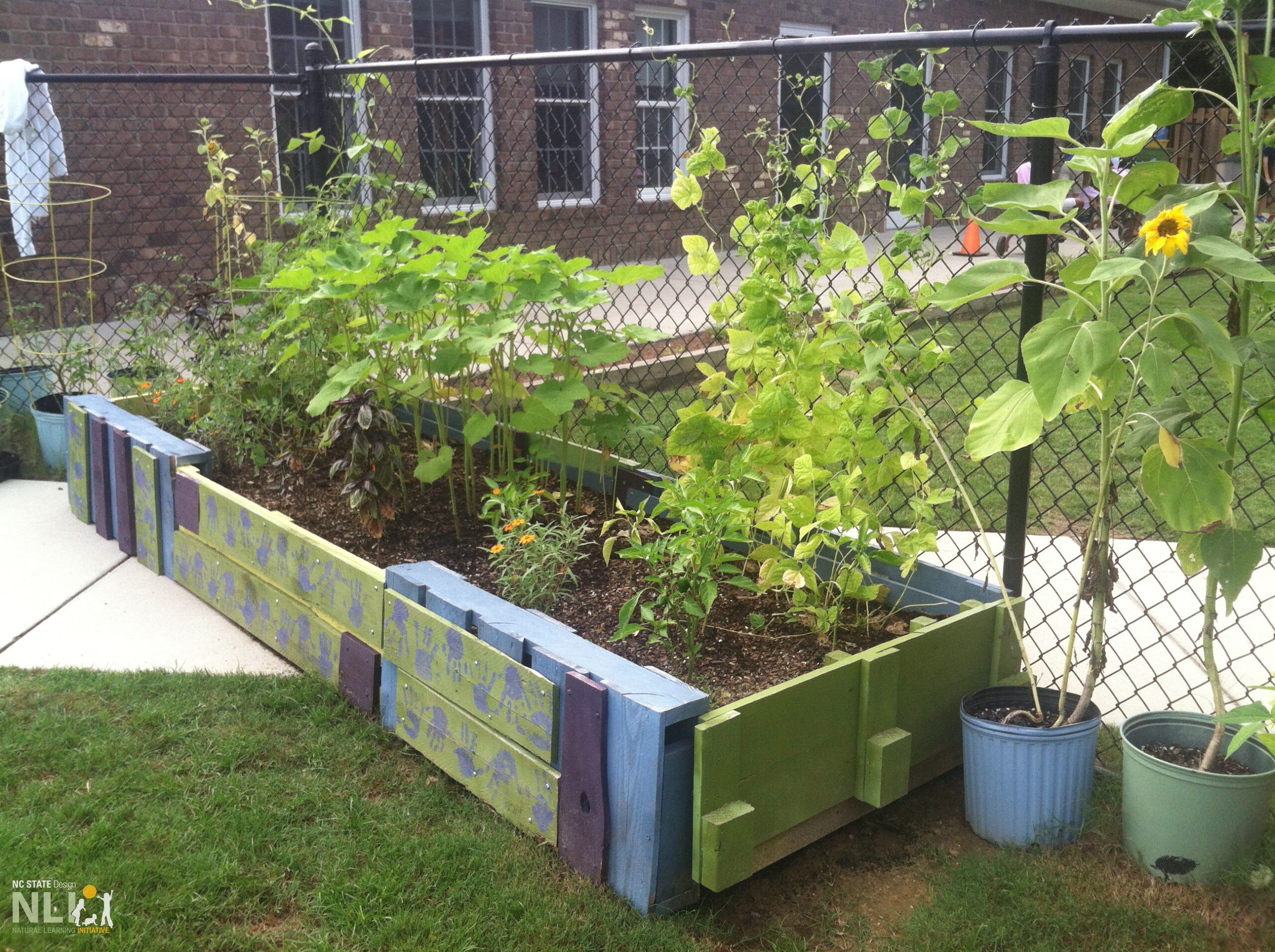
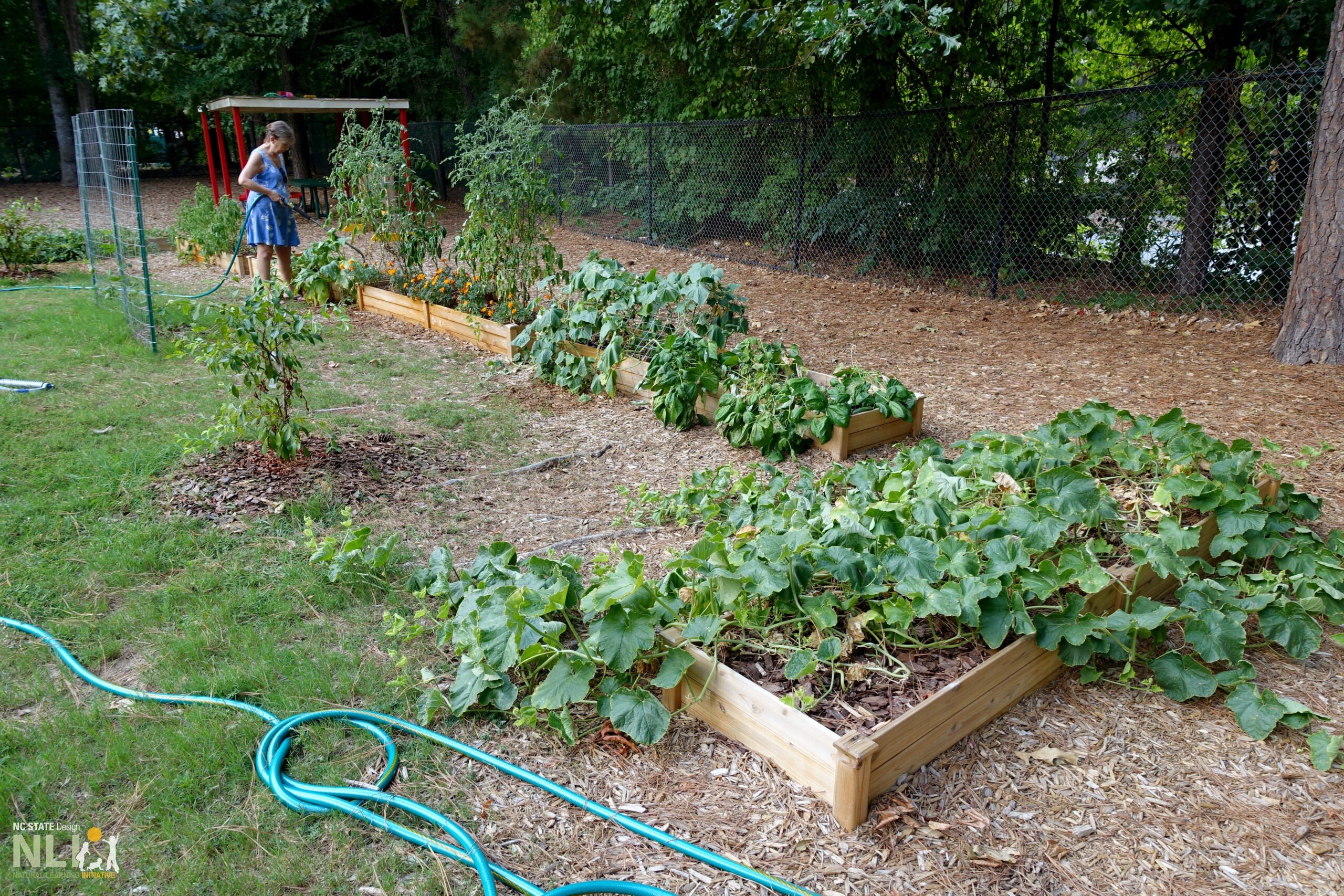
Raised-Bed Gardening. Raised bed gardening installations range from modest, single-board frames that can last for years, to more elaborate multi-board options. Raised beds have more soil depth for plant roots, hold more moisture, and are easier to work with for standing children and adults. Raised beds offer the benefits of size, production capacity, and engagement of more children. In sufficient numbers, raised-bed gardens can contribute substantially to center meal programs.
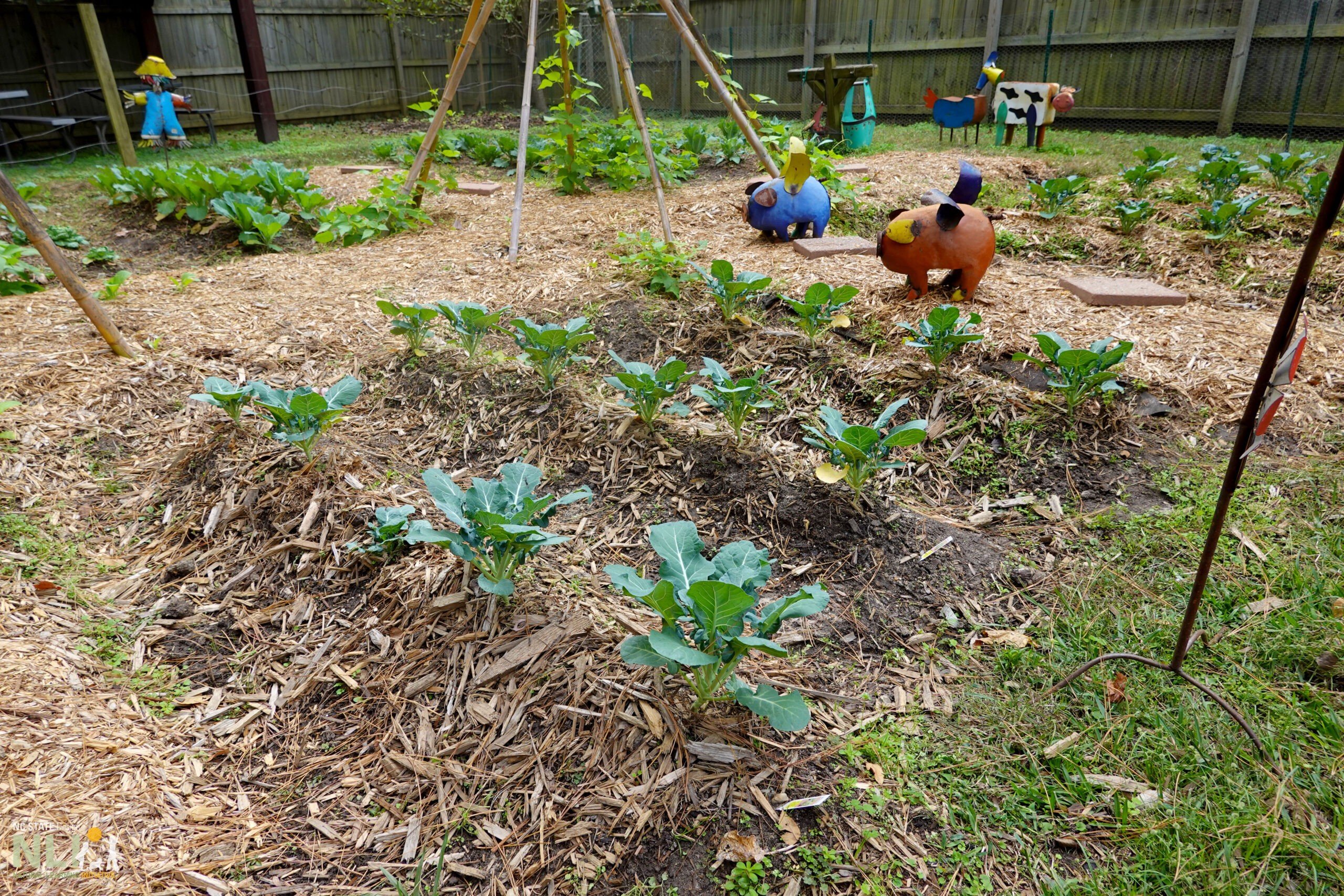
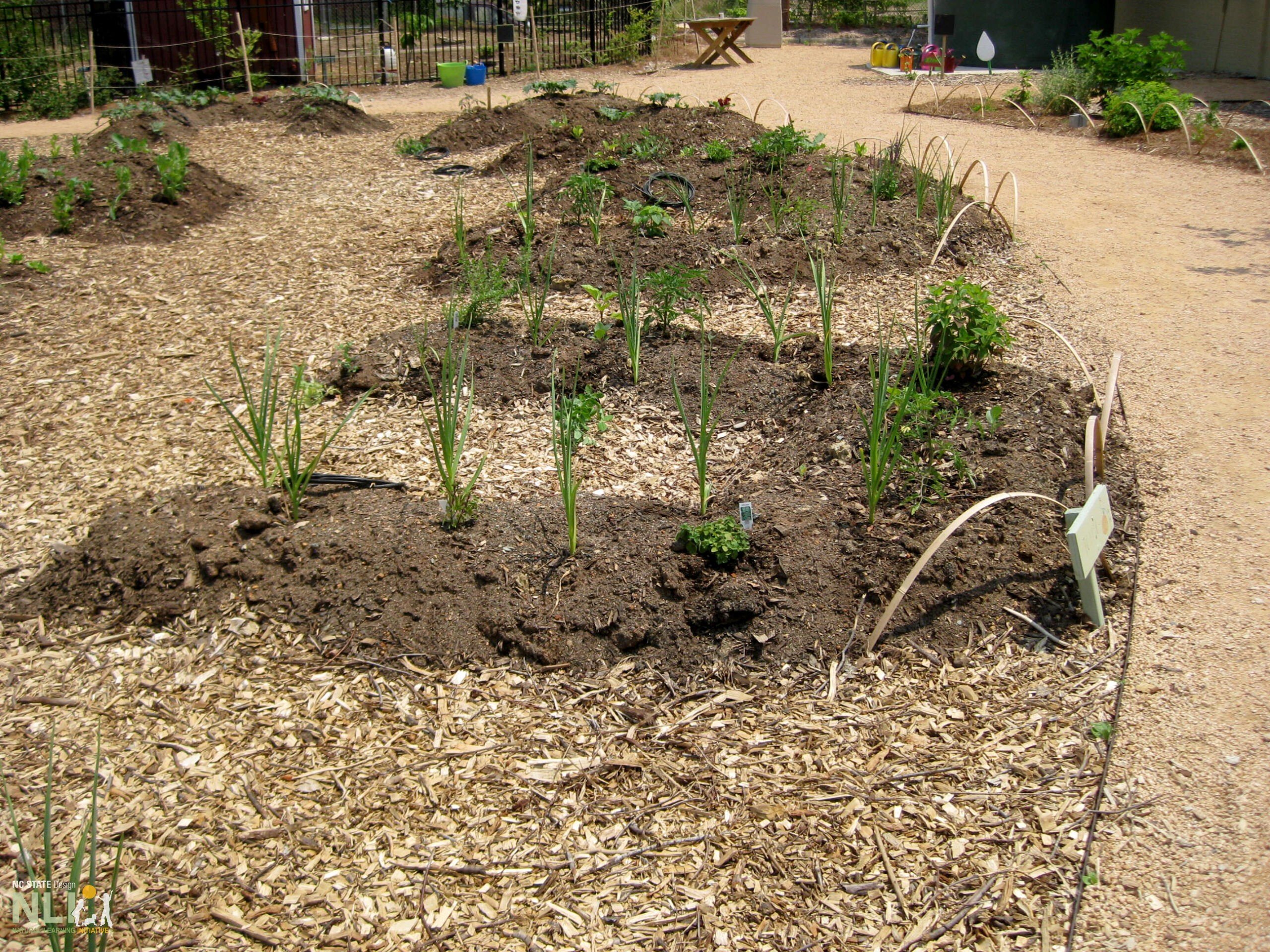
In-Ground Gardening. In-ground gardening uses beds directly in the ground, offering room for sprawling plants such as sweet potatoes, summer squash, melons, cantaloupe, and pumpkins. In-ground gardens take two basis forms: linear beds, with access paths between; and flexible walk-in beds of varied shapes and sizes. Either form may contribute substantially to center meal programs.
Layout
Once the garden location has been selected, the number, size, spacing, and layout of containers or garden beds can be decided. Design tips include:
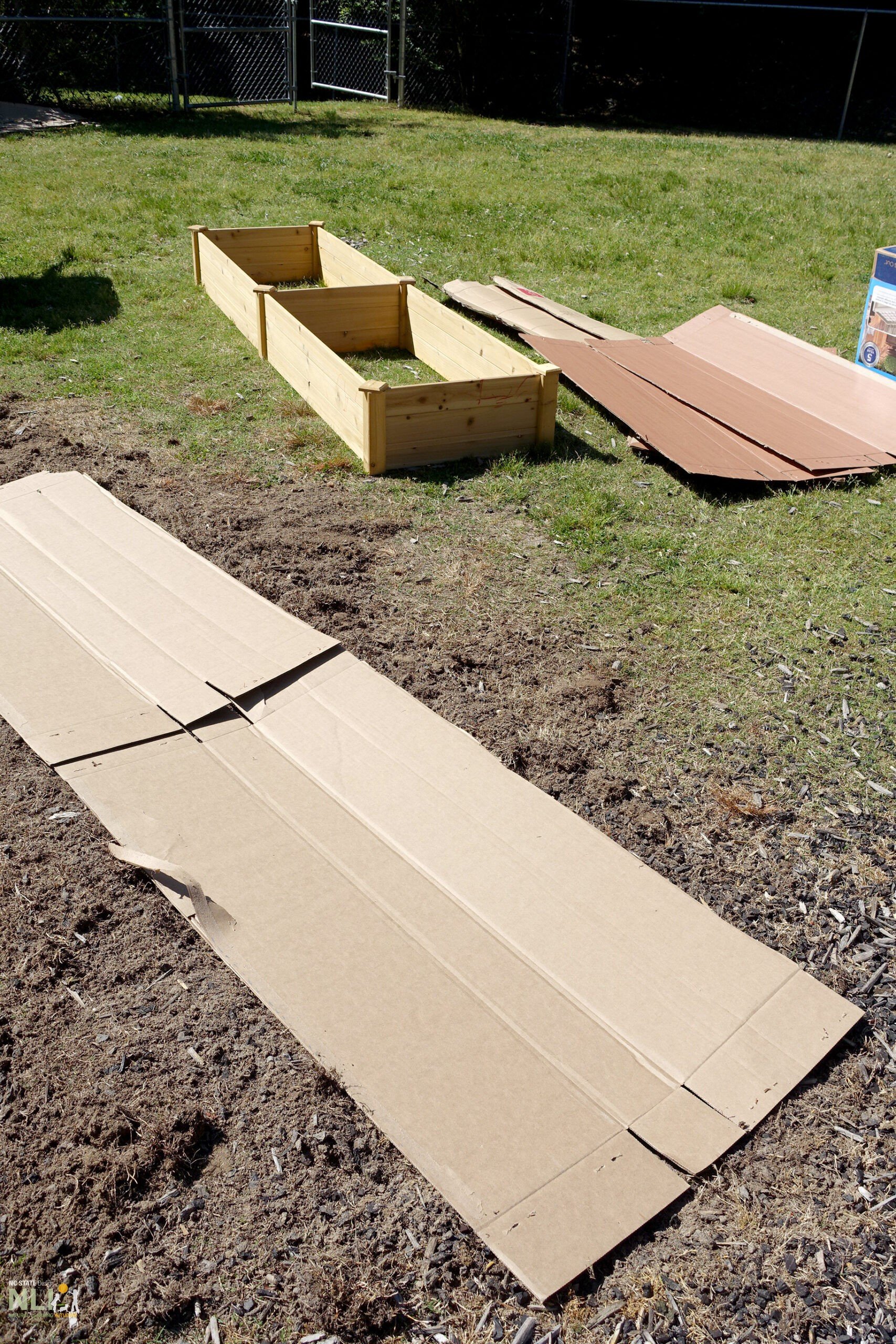
Cut and tape together sections of recycled cardboard to match the size of bed footprints. Move cardboard footprints around until the desired layout is achieved. Use spray chalk (available at hardware stores), to mark bed outlines before removing the cardboard.
Keep beds narrow so that children can reach into the middle from both sides (3 feet wide works best, 4 feet maximum).
Space garden beds far enough apart to allow room for children to walk between them (2 to 3 feet is good, 18 inches minimum).
Planting
For centers in southern latitudes, to maximize the health benefits of garden space and provide year-round learning opportunities, consider gardening in the spring, summer, and fall seasons. Refer to the resources below for lists of warm and cool-season vegetables, growing recommendations, and planting calendars. Local cooperative extension agents or nurseries can provide regional seasonal planting guides.
Management
Soil moisture levels are best checked by regularly feeling by hand if the soil is moist. Maintaining 2-3 inches of mulch will help retain moisture and also prevent weeds. Pull weeds (anything that is not a fruit or vegetable) as needed. Keep weeds out of adjacent pathways and mow grass to prevent it from spreading into the garden. Add one to three inches of compost to beds annually to replenish soil nutrients.
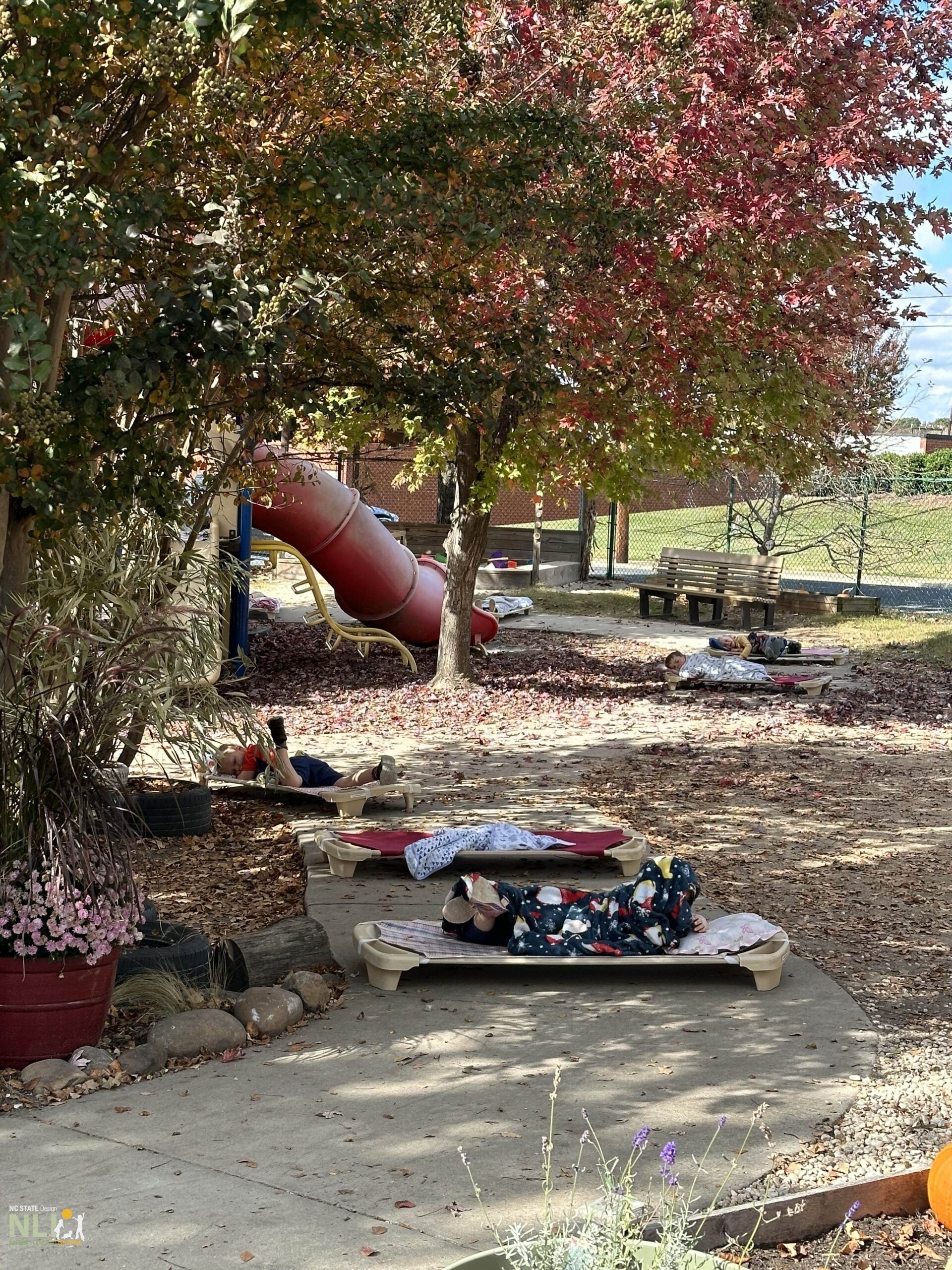
As part of the two-year project, Supporting Naturalized Outdoor Play and Learning Environments in North Carolina Child Care Facilities, the Growing Place Child Care Center, Asheboro, NC, hosted a regional Gathering & Tour organized by NLI for the regional community of interest, providing an opportunity to explore best practices for outdoor play and learning environment (OPLE) design and management. The most surprising practice that everyone learned was that the preschoolers take their afternoon nap outdoors when the weather allows!
The Growing Place began transforming its outdoor spaces in 2011 with an NLI design created through the Shape NC initiative. By building support among church and local community members, the center undertook incremental developments to create a diverse, naturalized, high quality space for children, including a safe haven for students after school.
Aims of the the Gathering & Tour included informing and inspiring childcare providers about the significant benefits that naturalized environments offer, including physical, emotional, and cognitive development through hands-on interaction with biodiverse landscapes.
Presentations included principles and advantages of outdoor play and learning environments, supported by research and real-world examples designed by NLI. Tour participants observed the integration of daily activities into diverse, well-designed outdoor spaces. Childcare providers left with practical ideas and inspiration to implement or advocate for in their own programs.
Dr. Nilda Cosco greets guests at the Gathering & Tour, sharing insights about the exciting experiences they can look forward to exploring.
Katherine Davis, Growing Place Director, shares her journey in gradually developing the center Outdoor Play and Learning Environment (OPLE).
Alberta Forney explains how an Outdoor Play and Learning Environment (OPLE) has positively impacted the health and well-being of the children at her facility, A Kind Garden.
The Trogdon family demonstrated creative, natural ways to engage children in reading using painted stones, loose parts, and other materials.
Posters highlight the developmental journey of the host center, The Growing Place.
The Growing Place posters continued.
Preschool Area
Welcome to The Growing Place’s Outdoor Play and Learning Environment (OPLE)!
Growing Place children take naps outdoors underneath shade trees, when the weather allows.
A sensory pathway is best experienced barefoot.
Bamboo cuttings and other loose parts offer intriguing materials to enhance earth play.
A curious child confidently climbs a tree, exploring and strengthening physical skills.
A corner stage provides the perfect setting for spontaneous dramatic play.
The Creekside Play and Learning Center plan contains flexible community spaces to support diverse programming, including school groups, summer camps, and overnight experiences. Educational displays highlight global and local conservation efforts, along with taxidermy specimens and related artifacts. Located around the building and along Park Creek, three dedicated outdoor play and learning areas introduce users to the waterside ecosystem, while supporting learning through playful exploration. This highly visible, easily accessible hub will offer a diverse range of play and learning opportunities serving the community and educational programs for all ages and abilities.
Before and after construction: Use the circle handle in the image slider to compare the existing and projected site conditions, before and after construction!
Shape NC 3 is an initiative of the NC Partnership for Children supported by the Corporation for National and Community Service CNCS-AmeriCorps and the Blue Shield of NC Foundation. Its focus is to promote healthy development among North Carolina’s young children offering an integrated program including healthy eating, active living, and high quality outdoor environments in child care centers. NLI offered expertise in evidence-based outdoor learning environments design and management to 60 childcare centers in Durham, Randolph, Wake, and Wilson counties.
Trees are an essential part of our planet’s ecosystem. From providing a source of food and shade to a natural playground, trees are one of the most important sustainability elements for a healthy future. Learn more about the many ways trees help our planet continue to thrive.
Mark your calendars! The 20th Anniversary NLI Design Institute – Re-Naturing Urban Childhood: Towards a Healthy, Sustainable Culture has been officially rescheduled for March 2021.
This publication includes simple seasonal recipes, activities, and facts that can be used in both childcare centers and at home. These fun resources are a great way to celebrate the end of the fall season.
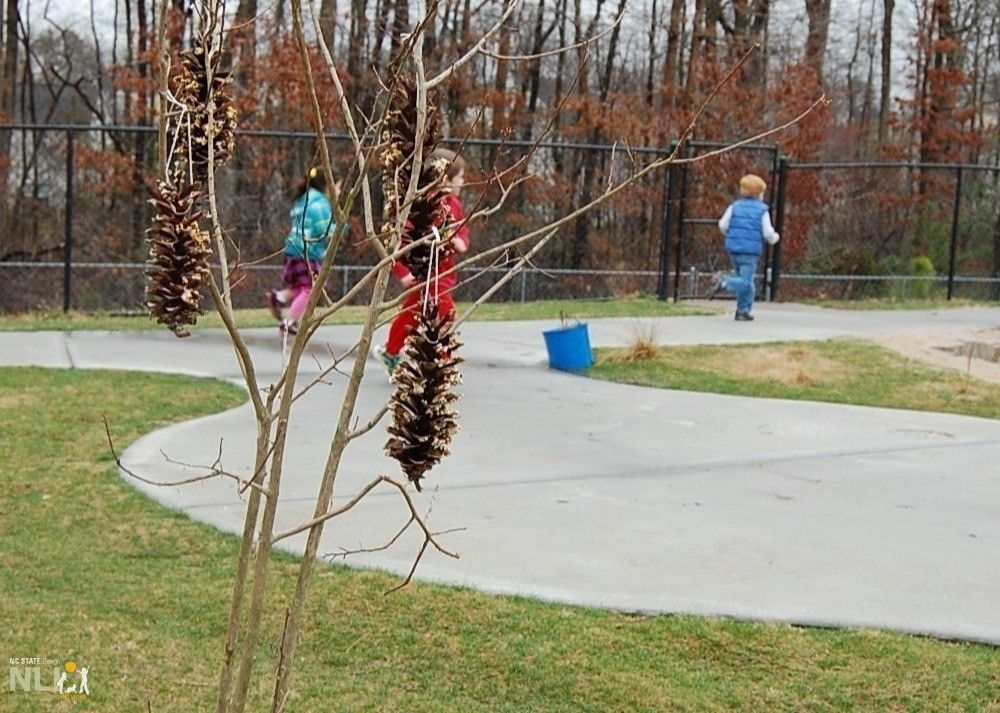
This season, make a “treat tree” for birds! A treat tree is a great way to view winter wildlife close up and provide them with the nutrition they need in the cold weather.