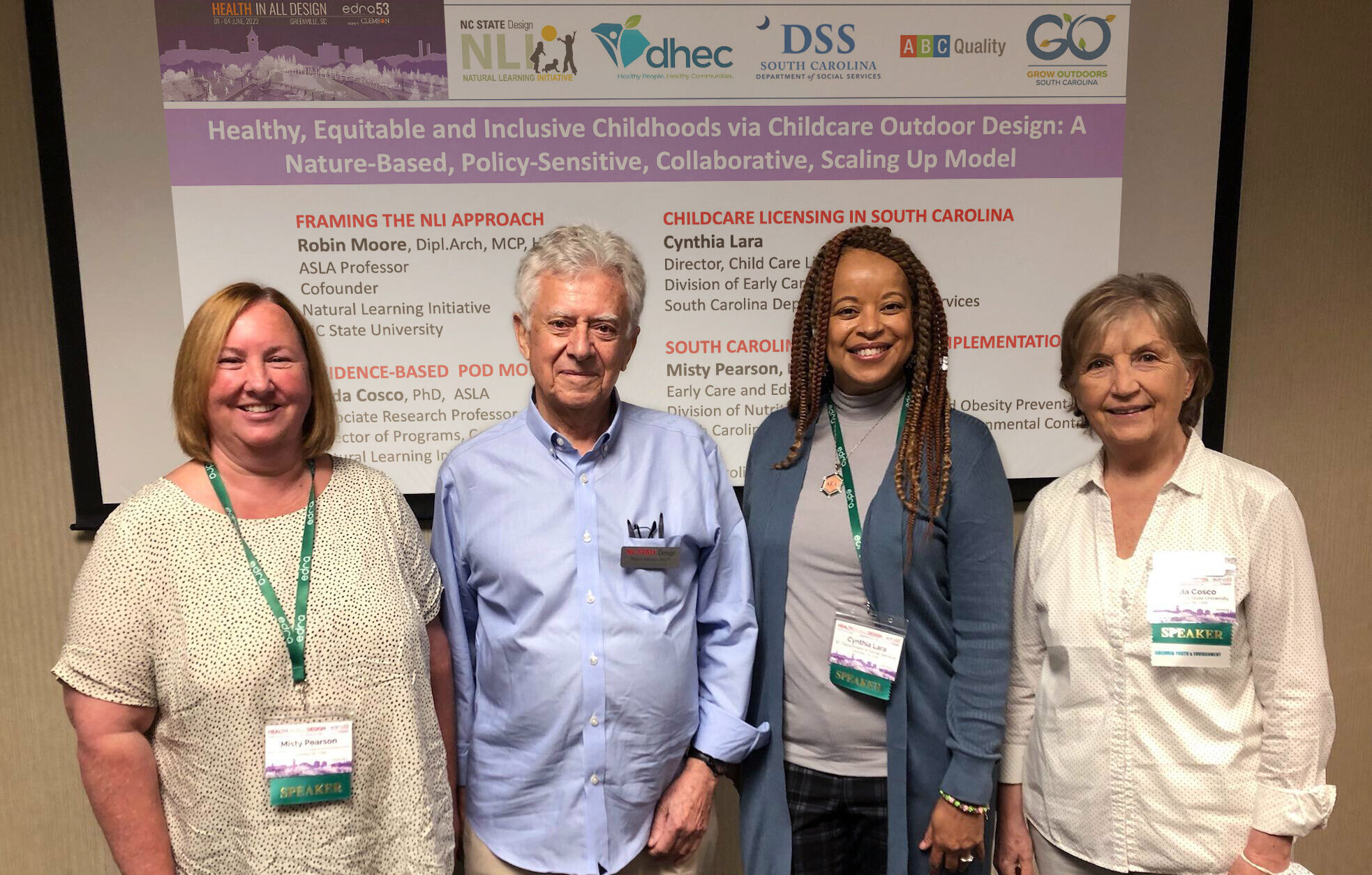
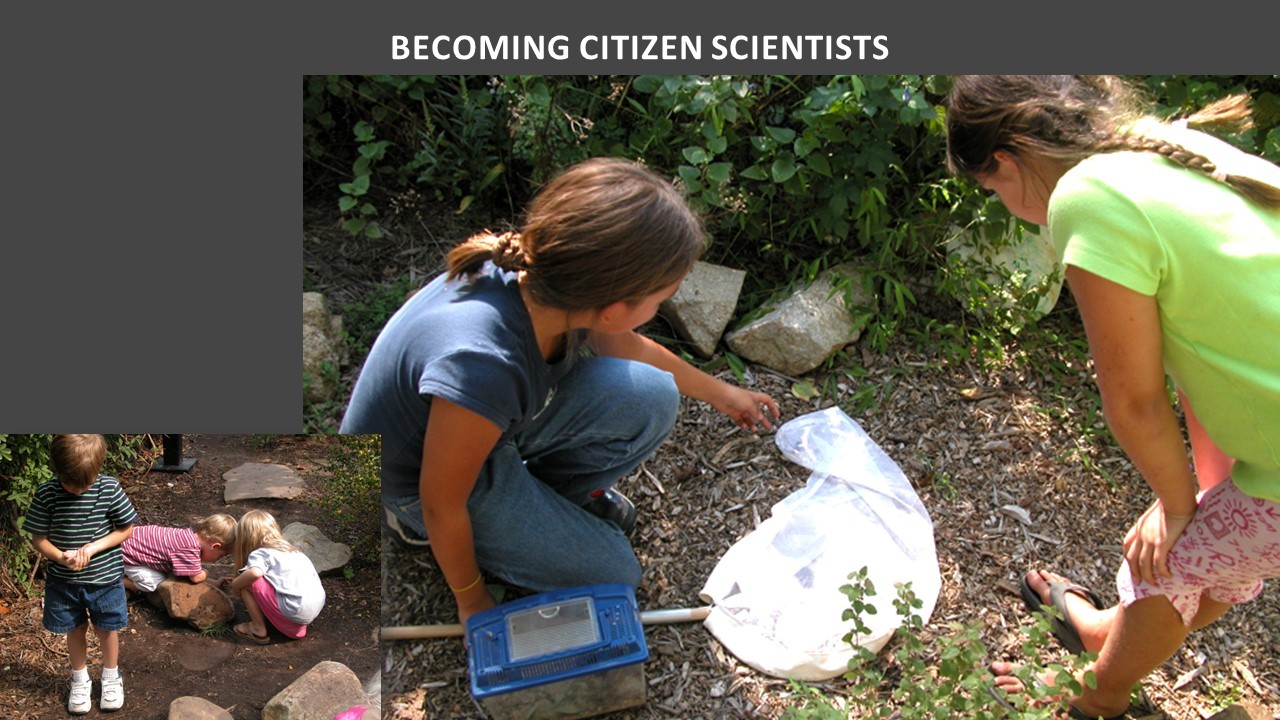
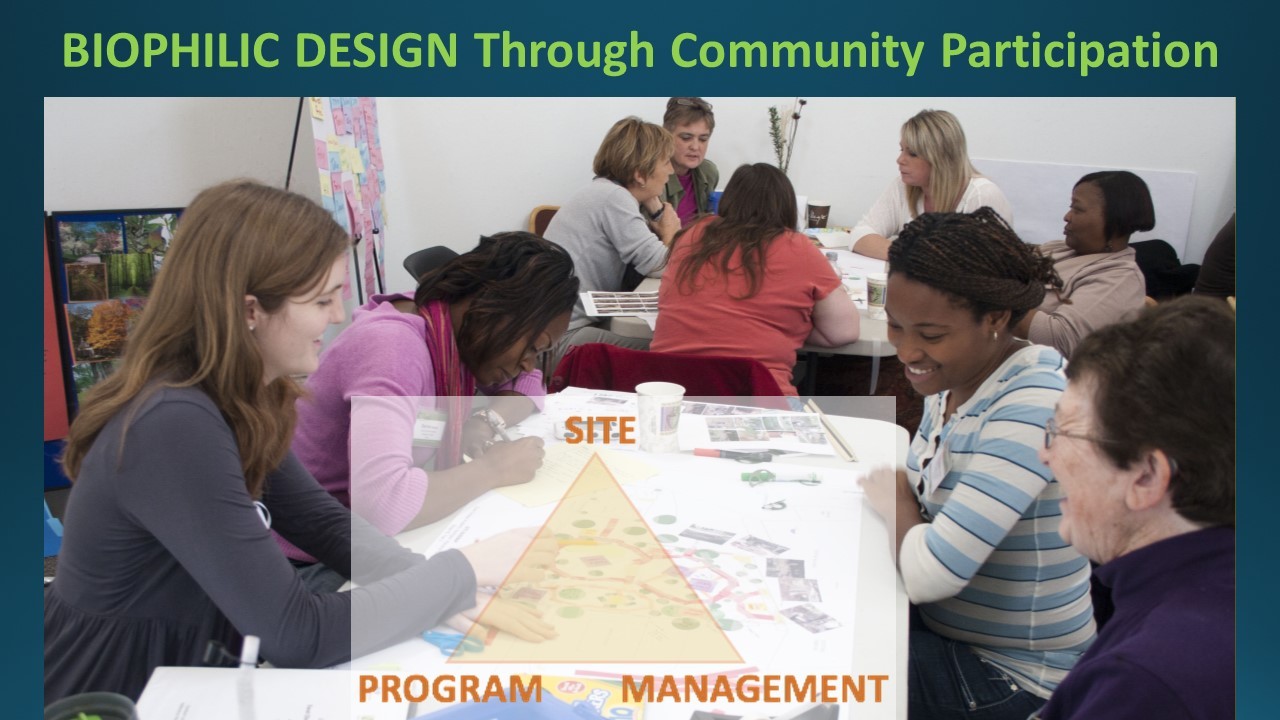
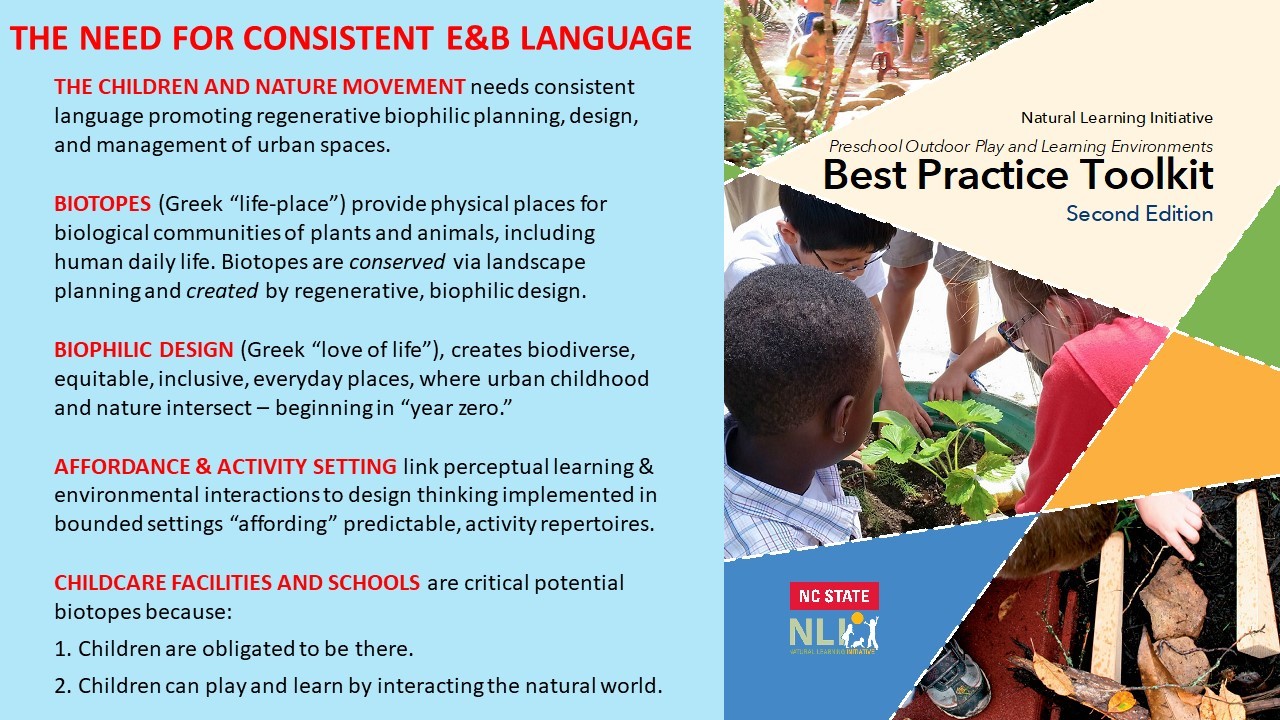
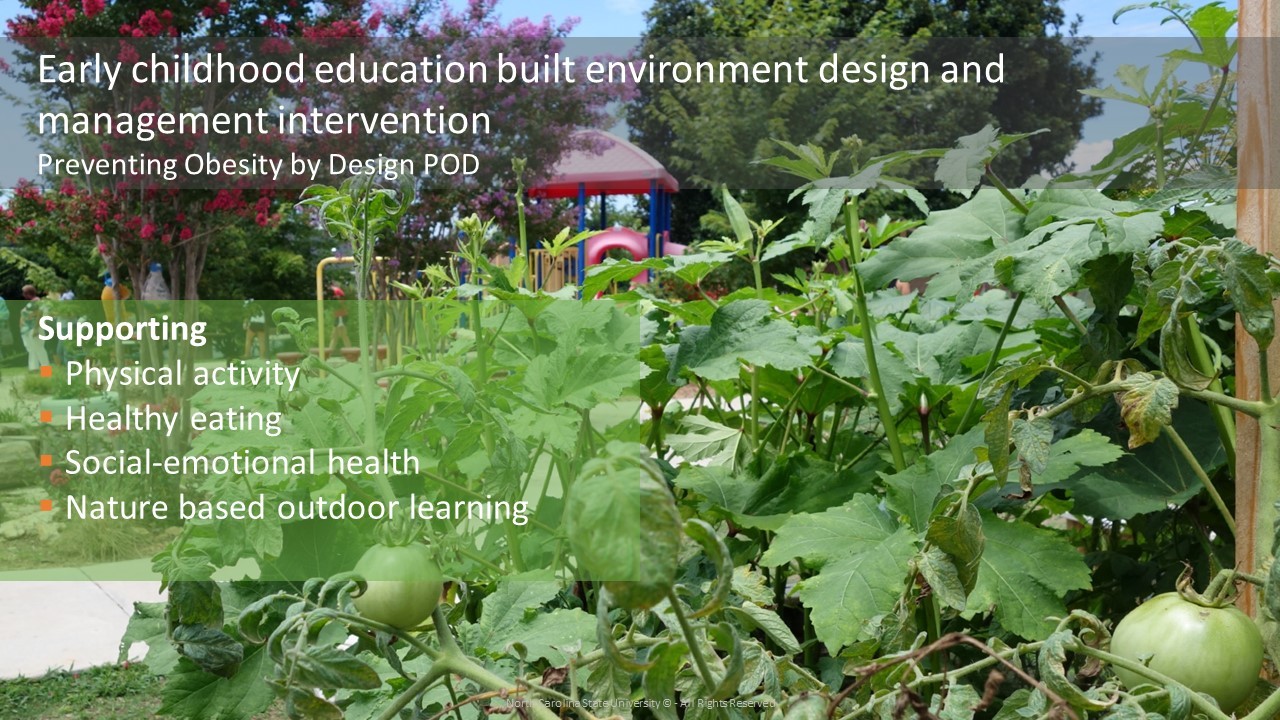
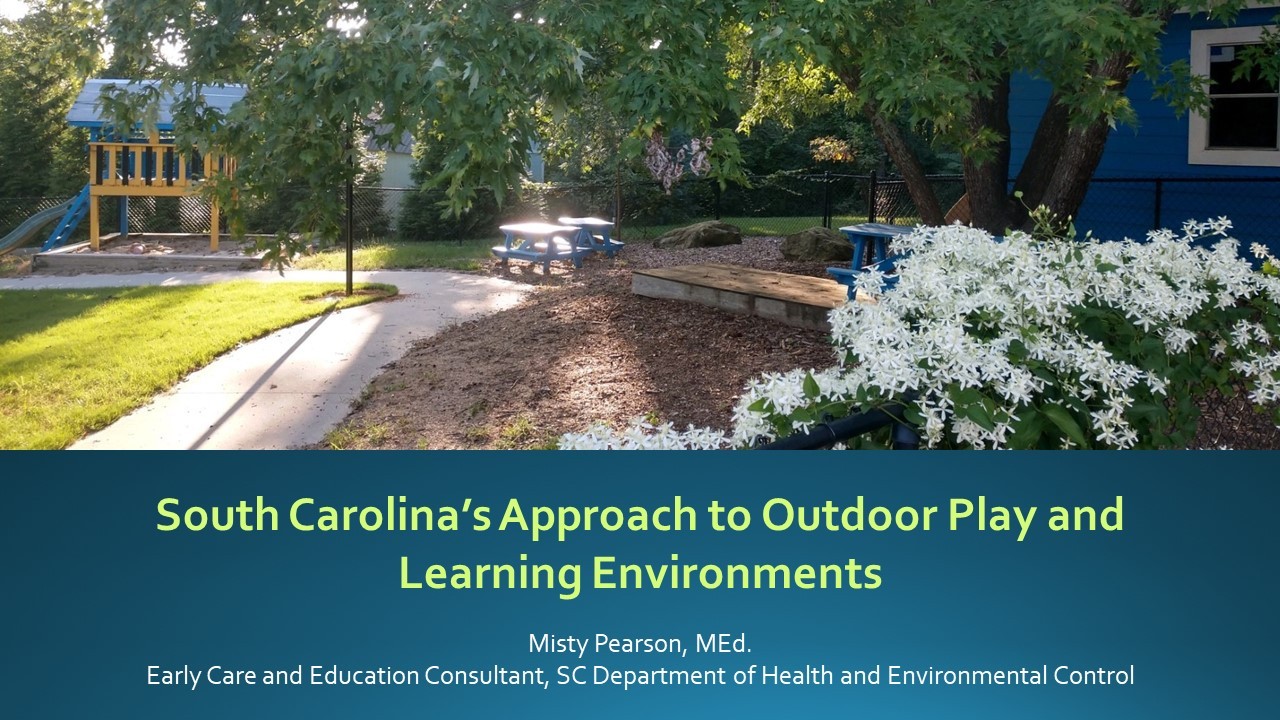
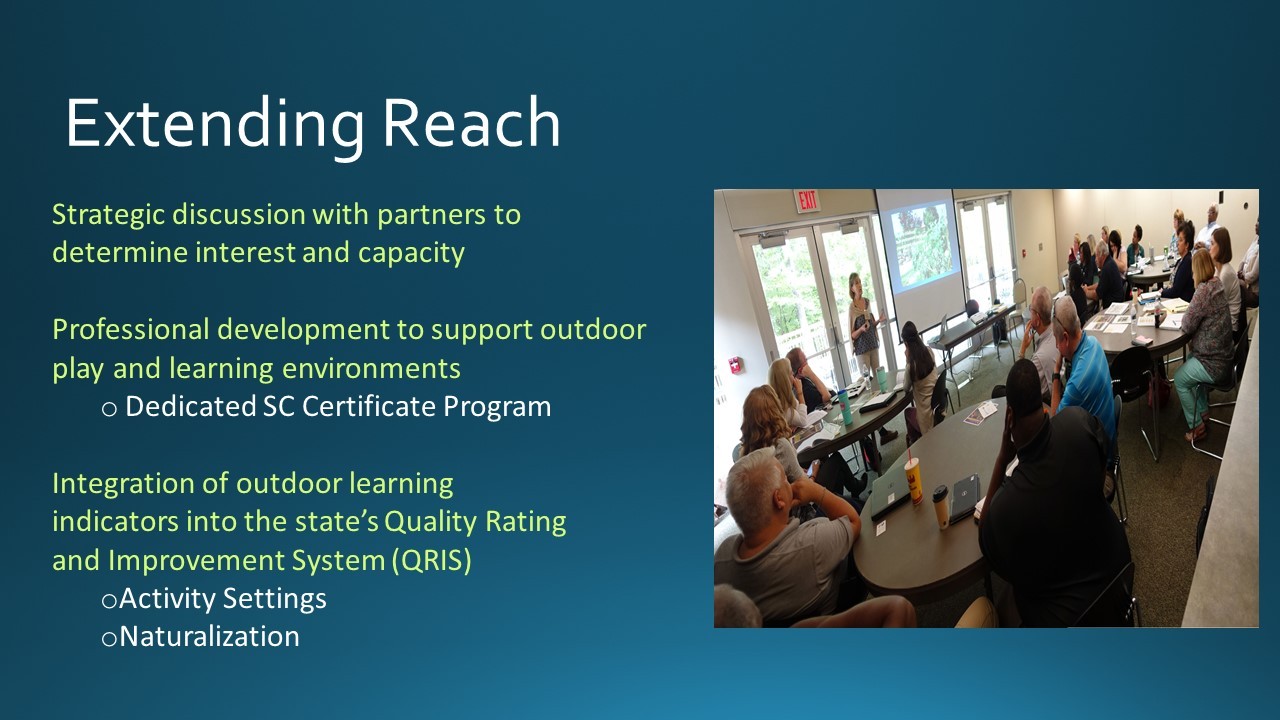
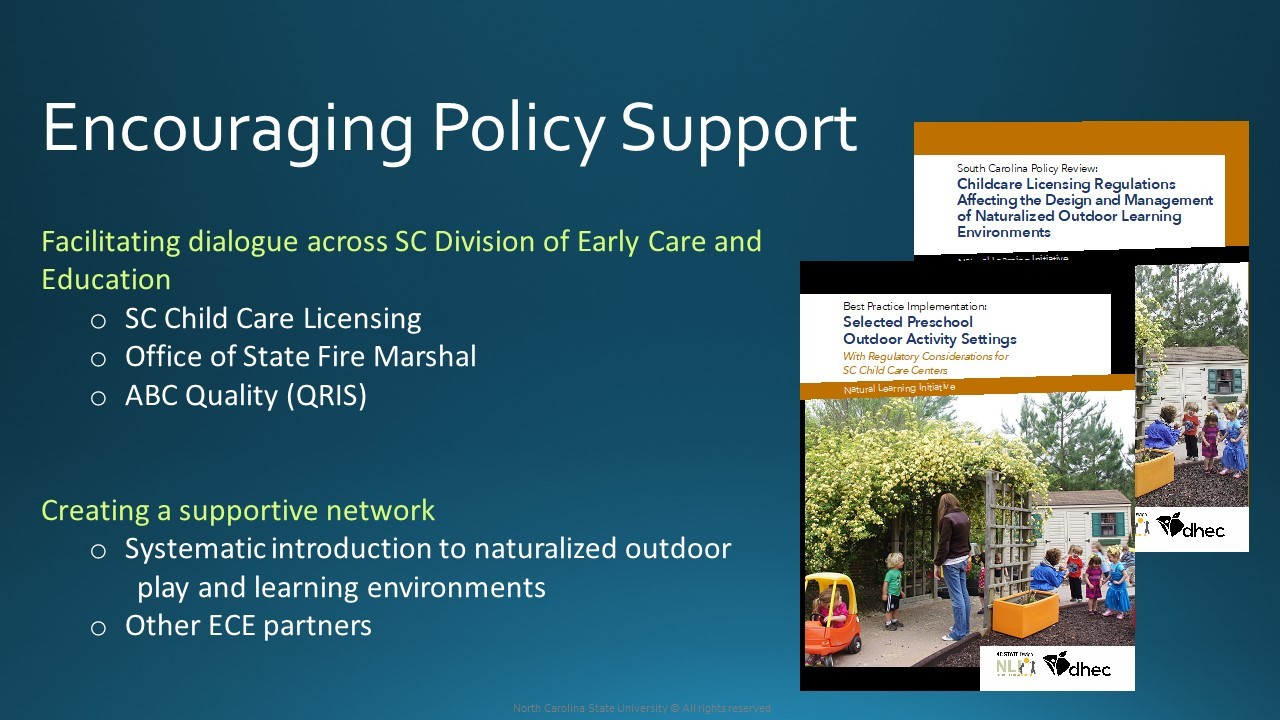
NLI and SC partners presented at Health in All Design, the 53rd Environmental Design Research Association Conference (EDRA), Greenville, SC. L-R: Misty Pearson, Early Care and Education Consultant, DHEC; Robin Moore, NLI; Cynthia Lara, Director, Child Care Licensing, and Nilda Cosco, NLI. The workshop titled, (310) “Healthy Childhoods via Childcare Outdoor Design: A Nature-Based, Policy-Sensitive, Collaborative, Scaling Up Model,” featured many topics:
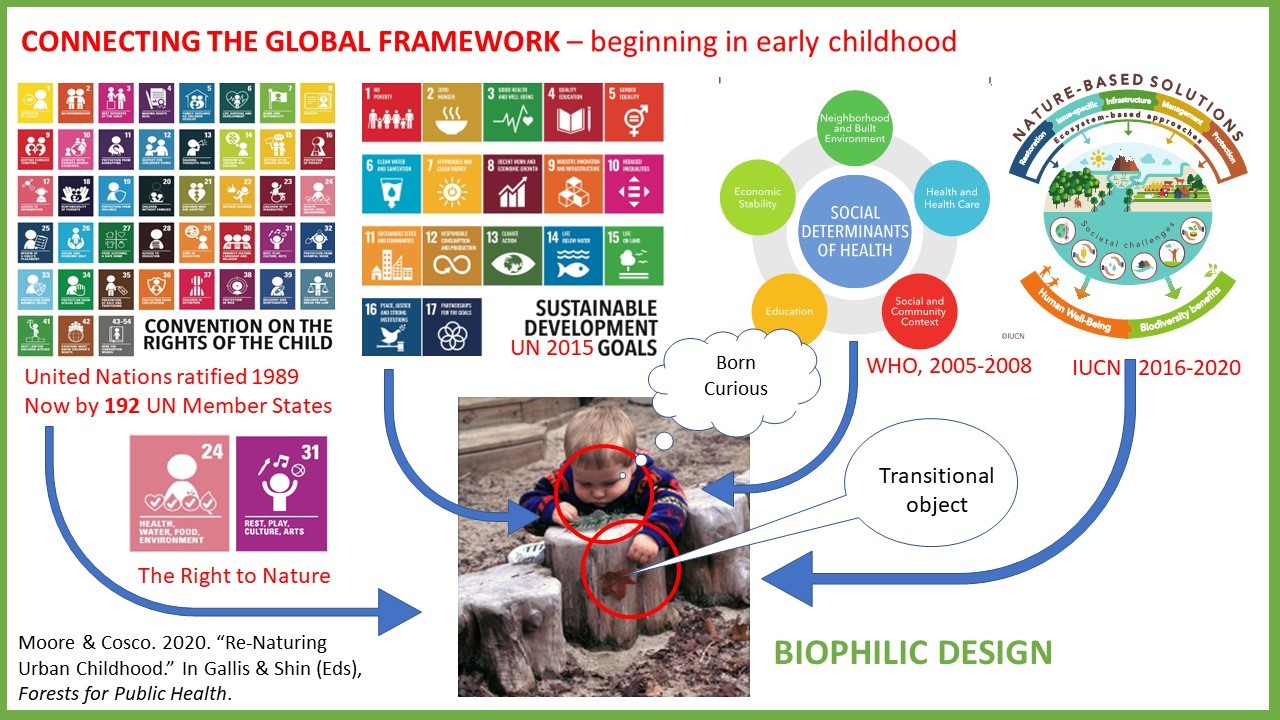
Robin spoke about how the NLI approach is framed globally. Initiated in infancy, it recognizes children’s play as a learning process and applies community-based biophilic design to support action on the ground supported with online and print resources. The presentation posed questions regarding the moral responsibility of designers to act in solidarity with the new generation of savvy young adults engaged in the politics of global species conservation and the health of the biosphere.
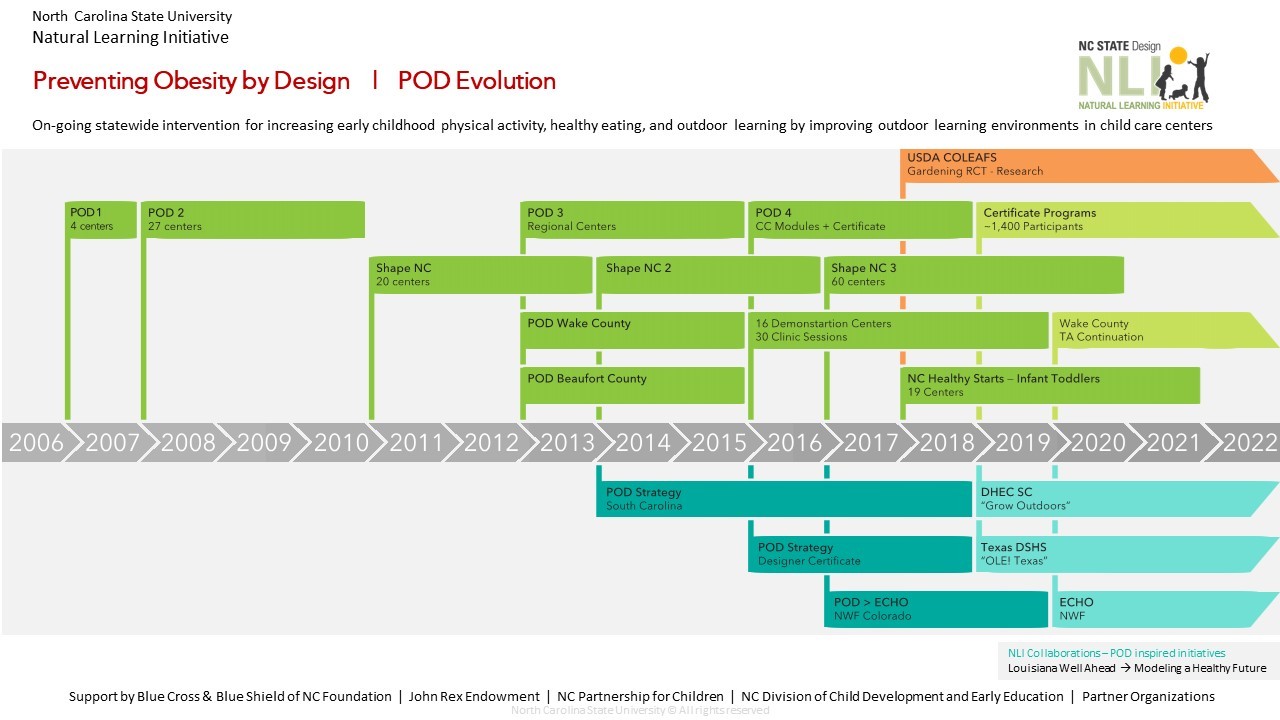
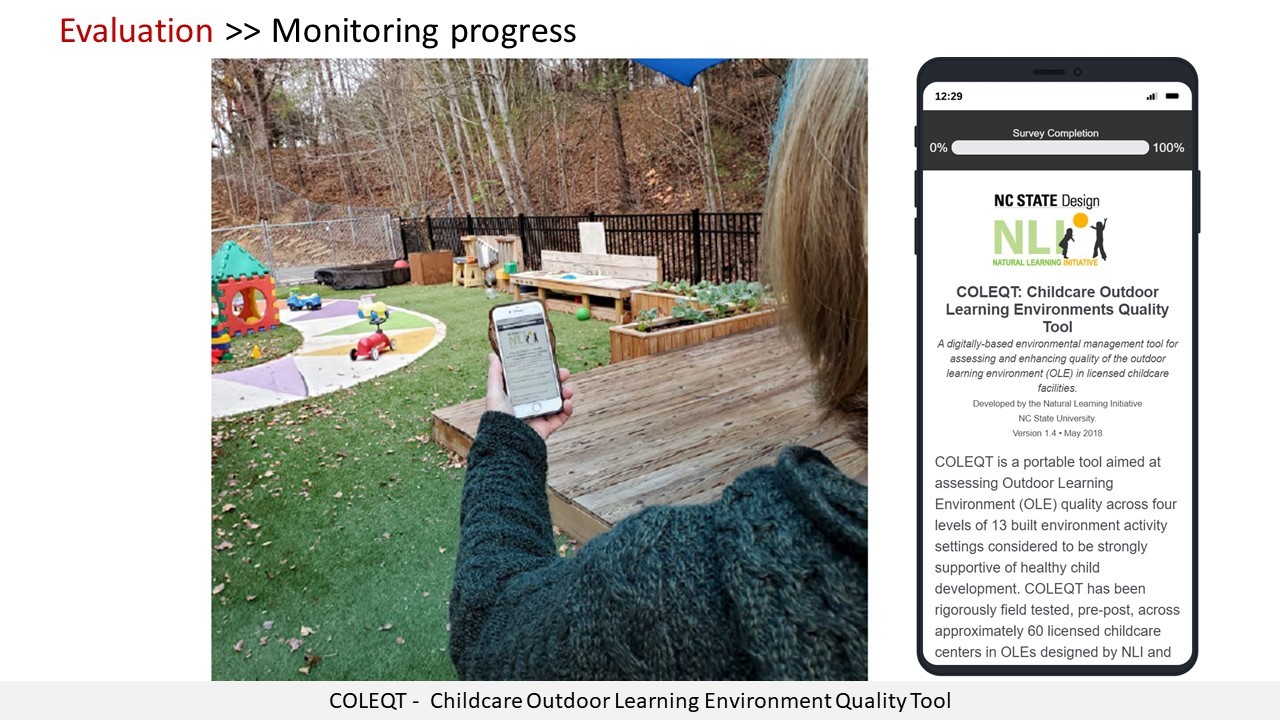
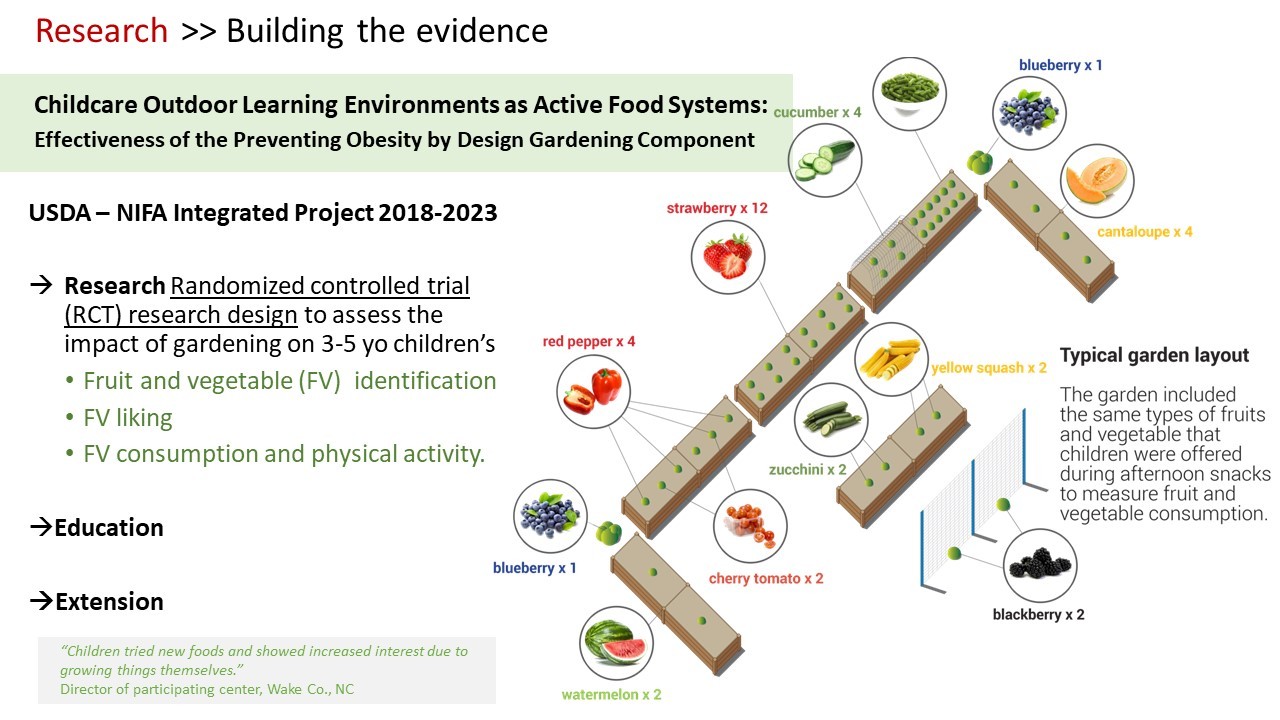
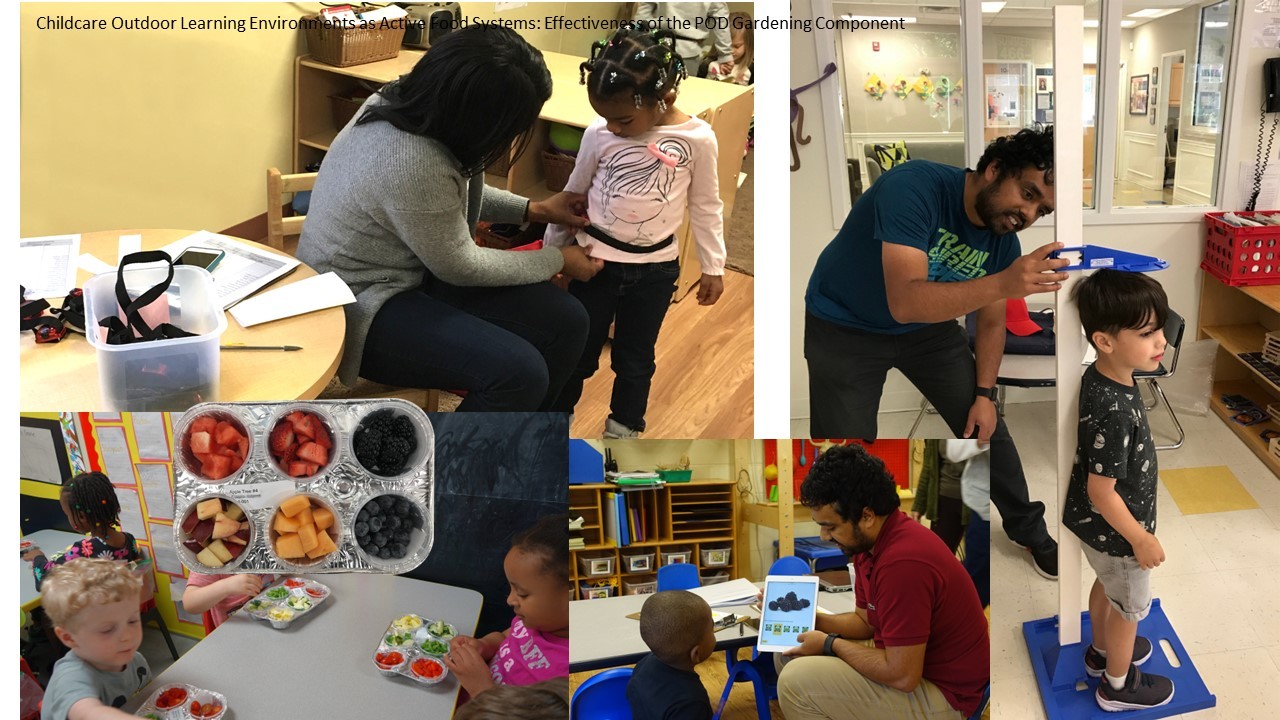
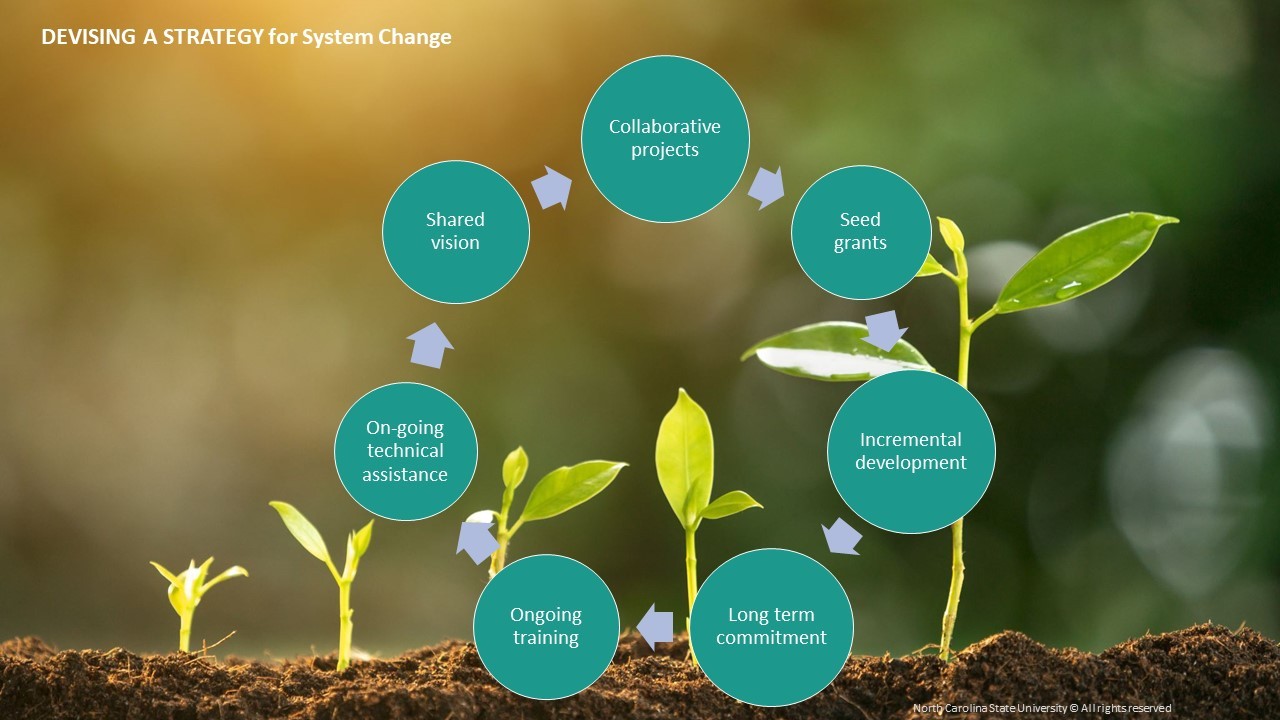
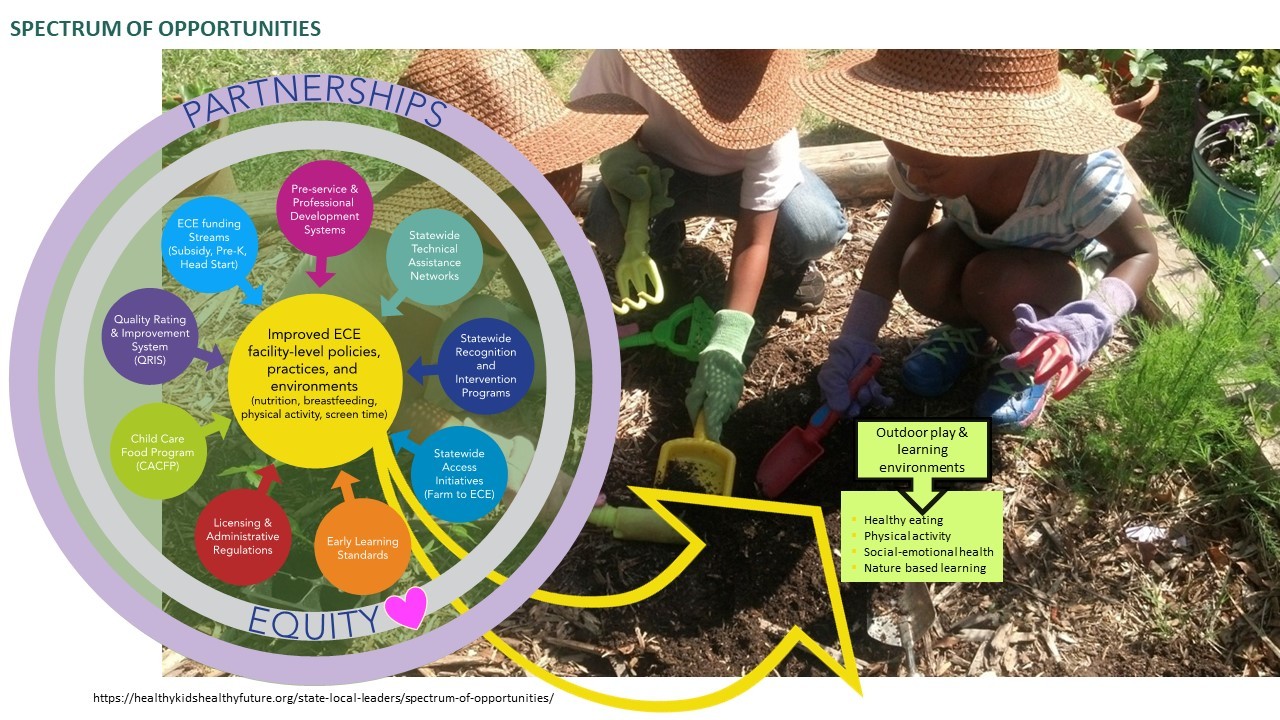
Nilda referenced the CDC Spectrum of Opportunities model addressing equity and underscoring the importance of partnerships. She presented components of the multistate POD strategy supporting the inclusion of children from an early age in underserved communities, engaging them with a diversity of opportunities for learning and development. Building POD using rigorous, standardized evaluation protocols was emphasized. USDA-sponsored research on preschool gardening, using the 12-step COLEAFS framework, illustrated the importance of creating evidence-based best practices to support system change across the early childhood education sector.
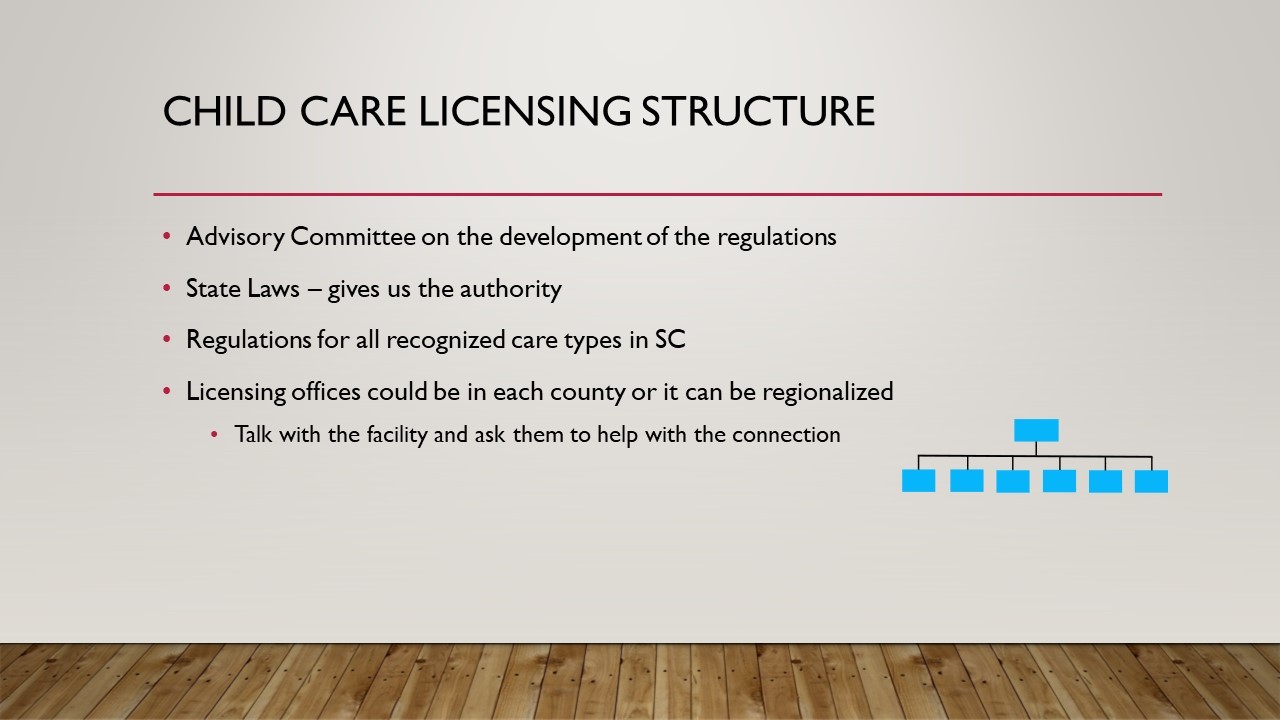
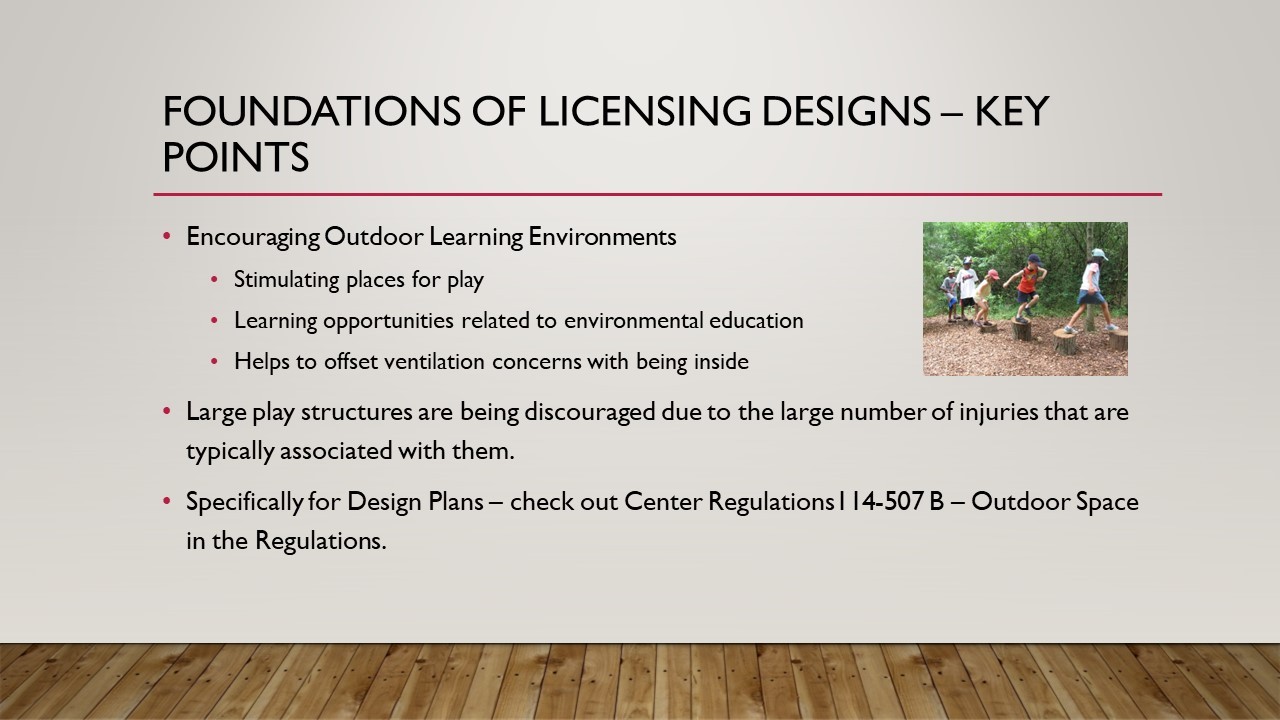
Cynthia reviewed the structure of childcare and approach to licensing and encouraged the development of stimulating outdoor play and learning environments in South Carolina too. The importance of creating flexible Design Plans to guide development, discussing plans and specifications with state licensing agencies, building inspectors, and/or Fire Marshals was emphasized while recognizing the role of outdoor space licensing regulations and adhering to them.
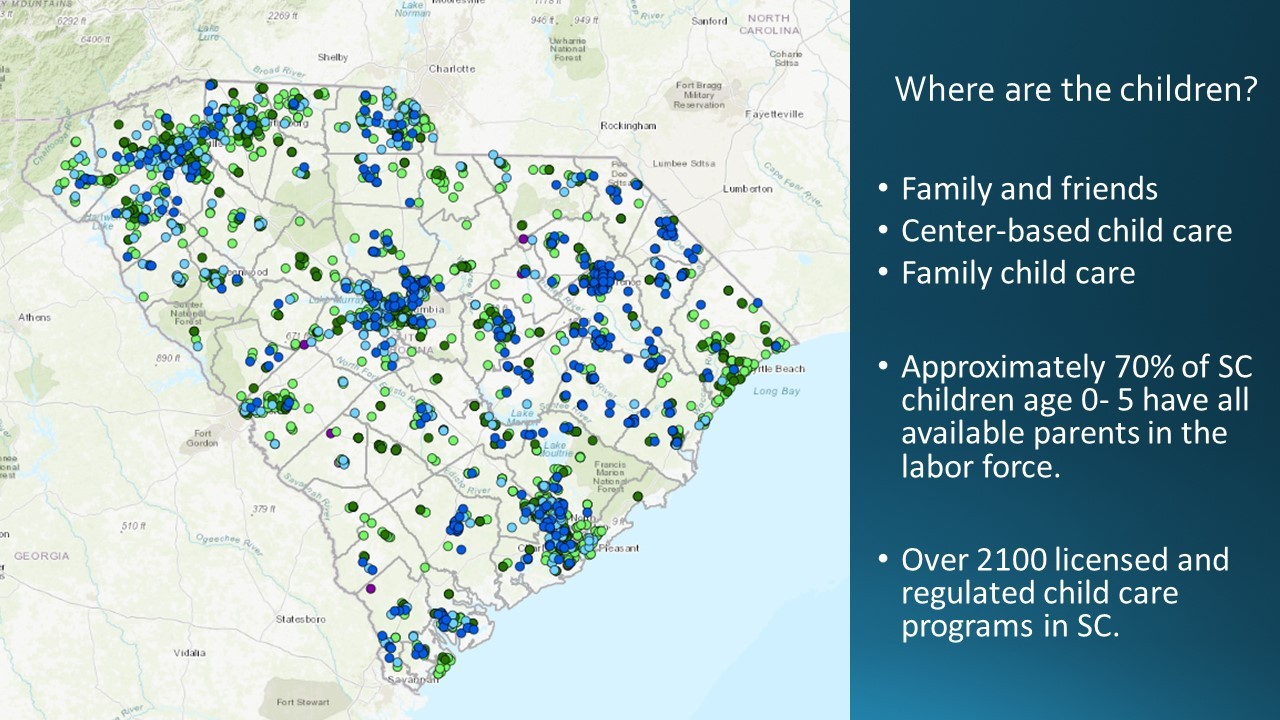
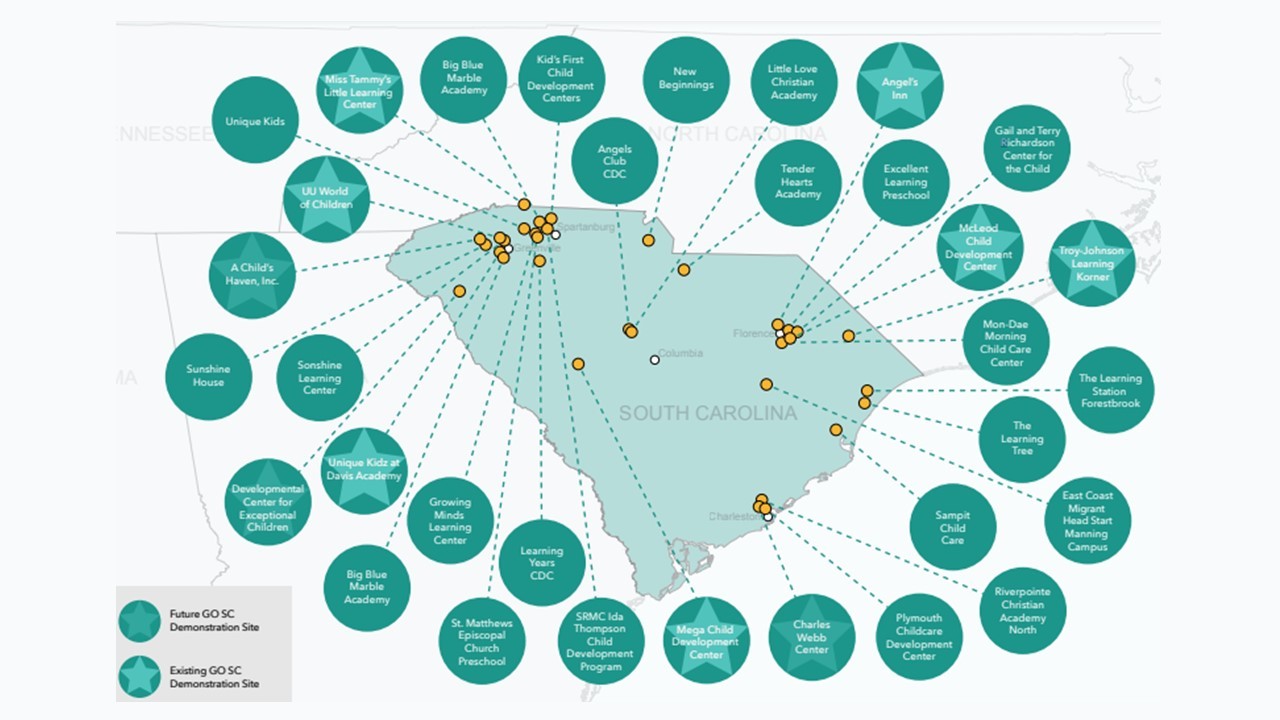
Misty reviewed how the POD strategy has been adopted in South Carolina through a sequence of meetings and training events with state leadership. She emphasized the role of NLI print and online resources for professionals working on the frontline to guide improvements on the ground at individual child care centers. To date, 33 centers have or are participating statewide in the program, including seven demonstration sites.
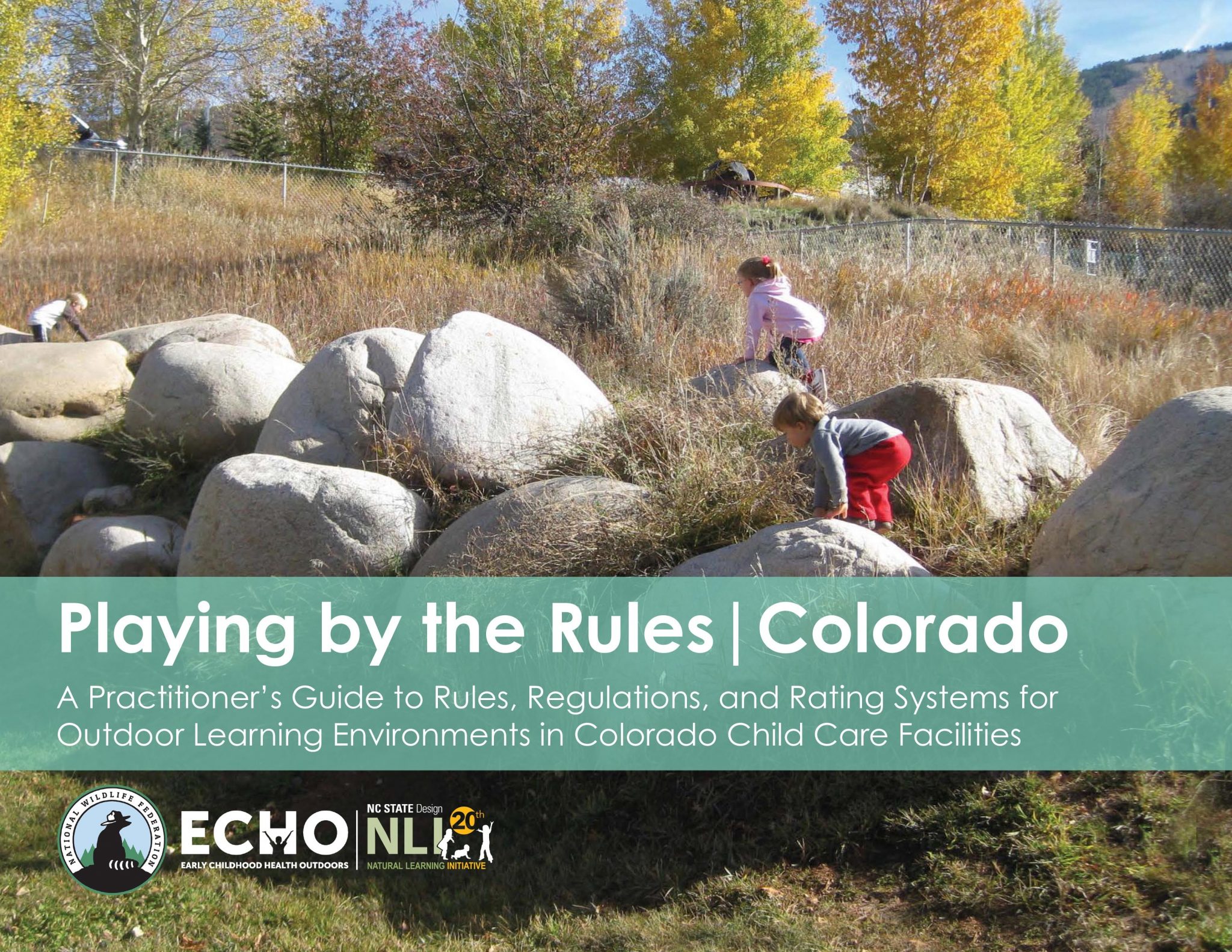
The intent of Playing by the Rules|Colorado, from here on called “the guide,” is to encourage greater understanding of the regulatory framework for outdoor learning environments in four types of childcare facilities regulated by the state of Colorado—child care centers, family child care homes, neighborhood youth organizations, and school-age child care centers.
The guide is intended to help designers and child care professionals navigate six documents issued by the State of Colorado and certain other standards or rating systems that are incorporated into them. It is not intended as legal advice. The guide should be considered in conjunction with other existing health, safety, and accessibility measures, guidelines, and standards. The guide does not duplicate or fully incorporate all the language in the laws, regulations, and policies discussed herein. It is not intended to encourage practitioners to overlook or neglect health, safety, or accessibility issues that are not discussed or that are not subject to clear regulation. Neither is the guide intended to be a comprehensive guide to best practices for optimizing safety, accessibility or developmental benefits. A wealth of resources is available to address specific concerns for designing environments to allow all children (and their caregivers) to take advantage of the benefits of outdoor learning environments. The information contained in this document was the most current available at the time it was created.
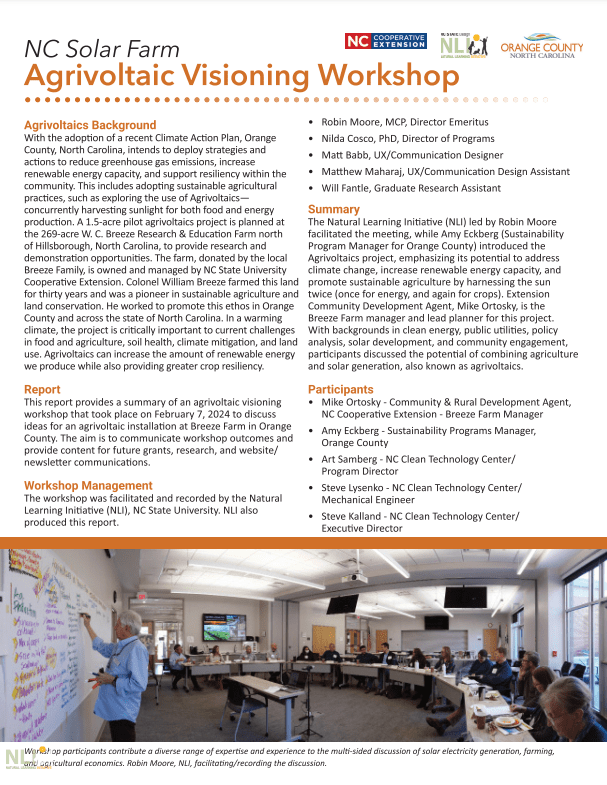
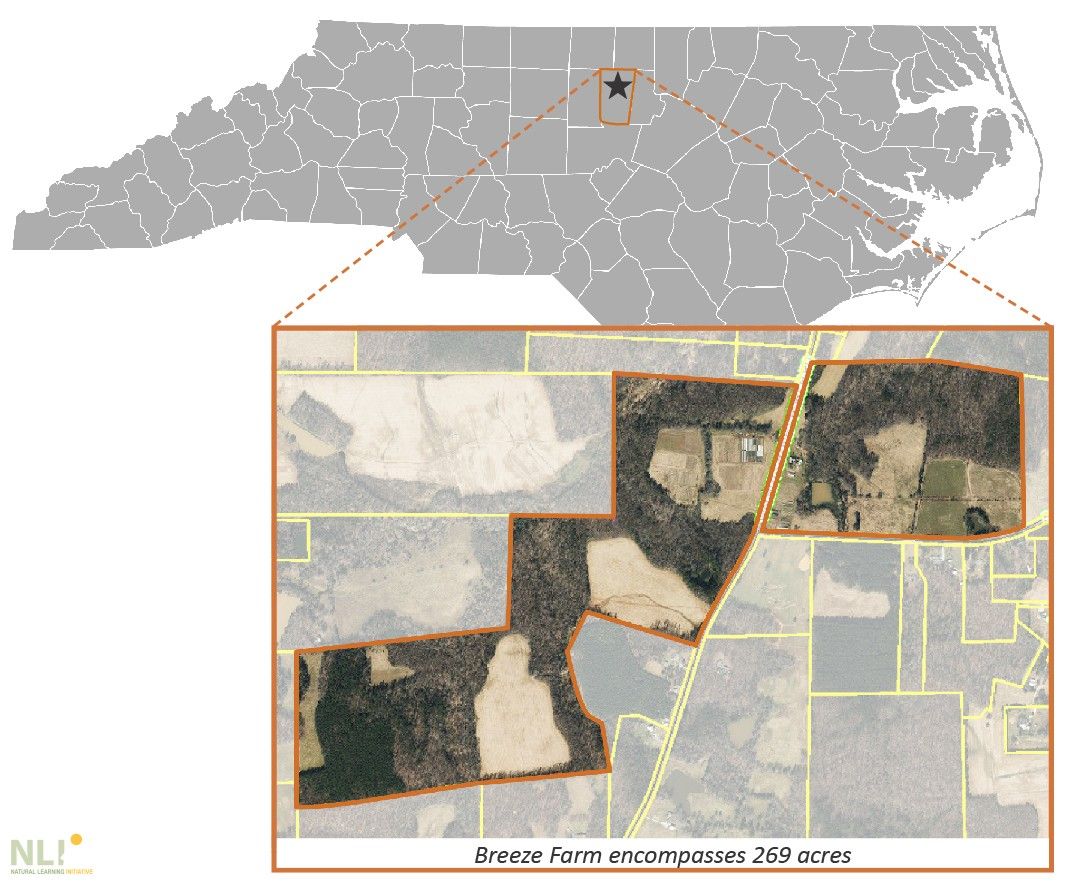
With the adoption of a recent Climate Action Plan, Orange County, North Carolina, intends to deploy strategies and actions to reduce greenhouse gas emissions, increase renewable energy capacity, and support resiliency within the community. This includes adopting sustainable agricultural practices, such as exploring the use of Agrivoltaics—concurrently harvesting sunlight for both food and energy production. A 1.5-acre pilot agrivoltaics project is planned at the 269-acre W. C. Breeze Research & Education Farm north of Hillsborough, North Carolina, to provide research and demonstration opportunities. The farm, donated by the local Breeze Family, is owned and managed by NC State University Cooperative Extension. Colonel William Breeze farmed this land for thirty years and was a pioneer in sustainable agriculture and land conservation. He worked to promote this ethos in Orange County and across the state of North Carolina. In a warming climate, the project is critically important to current challenges in food and agriculture, soil health, climate mitigation, and land use. Agrivoltaics can increase the amount of renewable energy we produce while also providing greater crop resiliency.
Report
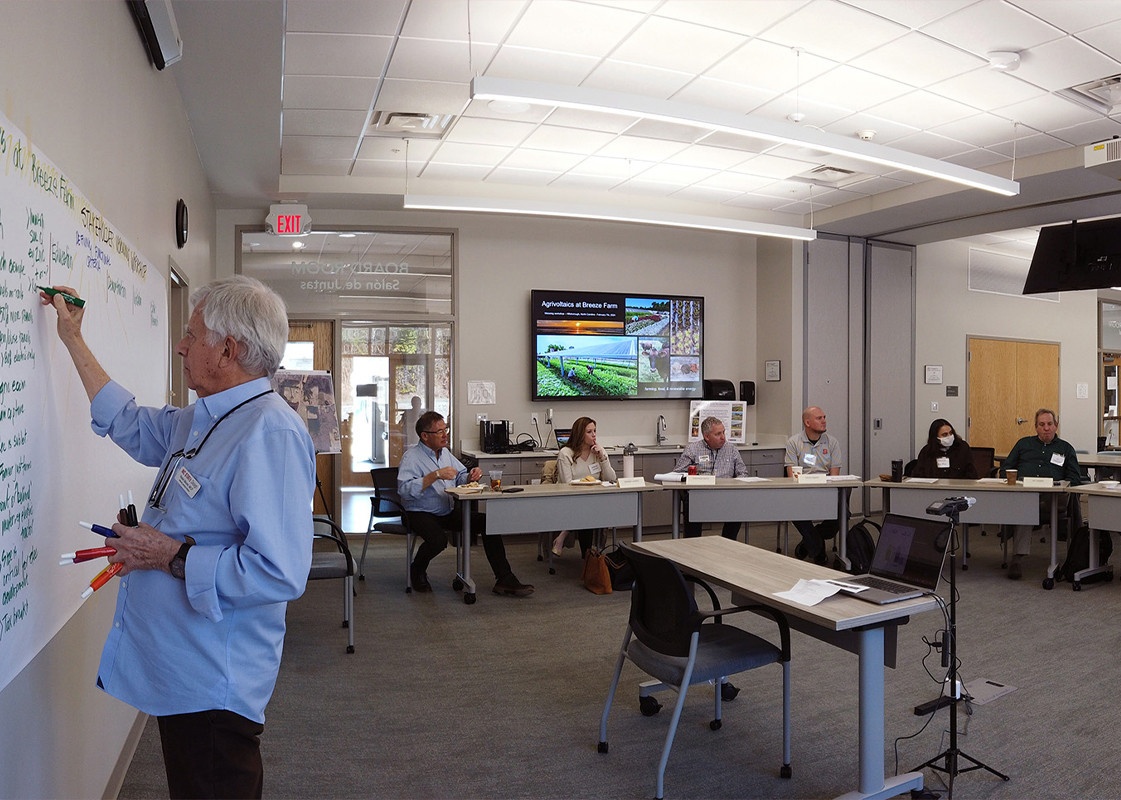
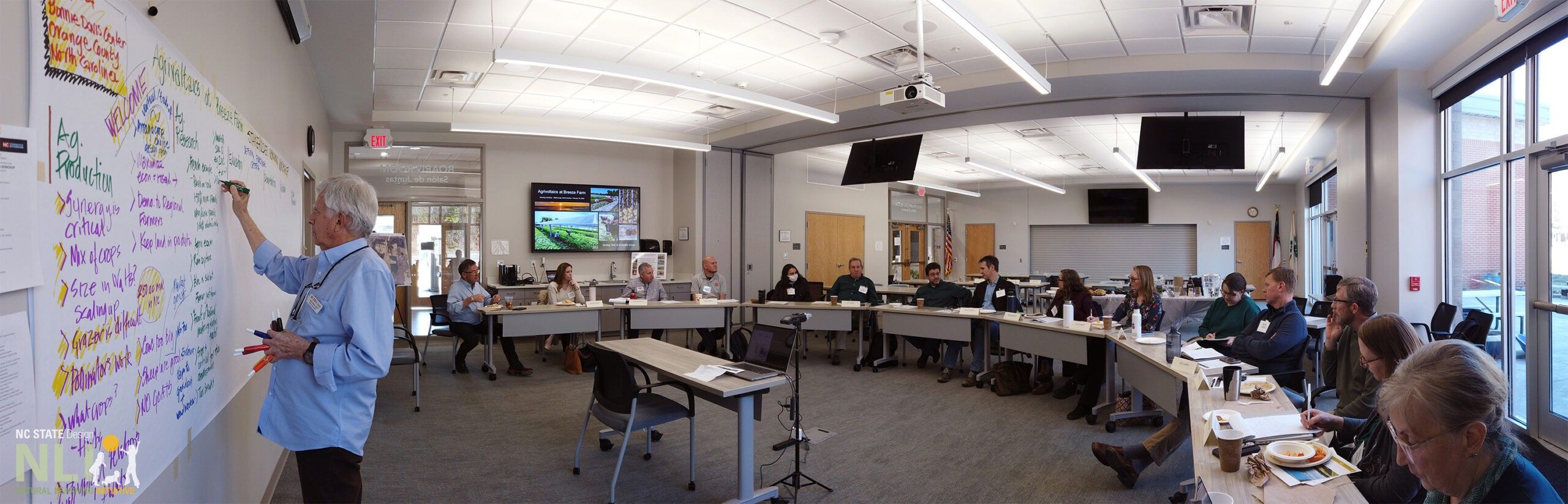
This report provides a summary of an agrivoltaic visioning workshop that took place on February 7, 2024 to discuss ideas for an agrivoltaic installation at Breeze Farm in Orange County. The aim is to communicate workshop outcomes and provide content for future grants, research, and website/newsletter communications.
Summary
The Natural Learning Initiative (NLI) led by Robin Moore facilitated the meeting, while Amy Eckberg (Sustainability Program Manager for Orange County) introduced the Agrivoltaics project, emphasizing its potential to address climate change, increase renewable energy capacity, and promote sustainable agriculture by harnessing the sun twice (once for energy, and again for crops). Extension Community Development Agent, Mike Ortosky, is the Breeze Farm manager and lead planner for this project. With backgrounds in clean energy, public utilities, policy analysis, solar development, and community engagement, participants discussed the potential of combining agriculture and solar generation, also known as agrivoltaics.
Key Considerations
Potential application of vertical, articulating, bi-facial, and fixed solar panels in agriculture, highlighting their ability to maximize energy production and minimize panel heating.
Need for research collaboration between solar and agricultural experts to optimize panel design and placement for different farming needs, considering factors such as shading, crop production, and energy demand on the farm.
Potential impact of solar panel installation on erosion, stormwater management, and rain capture.
Impact of solar panel installation on growing environment (e.g. ambient air temperature and humidity, soil temperature, available water capacity, soil carbon, soil biota, and general soil health).
Considerations for energy consumption and distribution on the farm, including the possibility of utilizing solar energy on-site or selling it to offsite entities.
Interest from agricultural communities, such as poultry farmers, in installing solar panels behind the meter for on-site use.
Concerns related to zinc leaching (peanut vulnerability) and PFAS contamination in agricultural soils. Research in this space is needed to provide clarity given the prevalence of misconceptions and misinformation.
Concerns related to the compaction of soils concerning the installation of solar.
The demonstration site at Breeze Farm will showcase agrivoltaics and educate the Orange County Ag Community as well as across the state of NC.
Concerns about taking agricultural land out of production for solar projects must be addressed to gain support from farmers and policymakers. Can combat this by communicating benefits like soil moisture retention and potential cost savings on irrigation.
A possible unintended consequence of increased public interest in the farm for events like weddings and music and farm access.
Potential funding opportunities include grants from USDA and NCDOT, private donors/alumni, collaboration with educational institutions and the military, and co-ops/small businesses.
Idea of setting up an eco-community with separate solar arrays for homeowners and farmers.
Potential partnerships with Jack’s Solar Farm, or NCSU’s “Controlled Environment Ag Coalition.”
The project aligns with the county’s climate action goals.
Additional information from the USDA and Dept. of Energy.
Research & Education
Large-scale crop production alongside solar panels (with attention to regional differences).
Integration of technology for interactive educational experiences.
Potential partnership with higher education institutions for applied research and hands on learning.
The importance of understanding the impact of solar panels on soil temperature and crop growth.
Develop an Agrivoltaics “playbook.”
Grazing Options for Solar Panels
Grass growth is very high in the southern states. Grazing with small ruminants helps in the maintenance of vegetation; particularly where the installation involves shorter panel supports; that could get high enough to shade panels.
Sheep are preferred over goats and cows for vegetation management under solar panels due to low maintenance, but there is a limited market for sheep in the USA.
Considerations for Visitors
Need for a comprehensive approach to educational visitation and research integration.
Paved paths, designated parking, and self-guided interpretive signage to facilitate educational tours.
Need for staff at the demo site; especially during events.
Demonstration area is key for farmers.
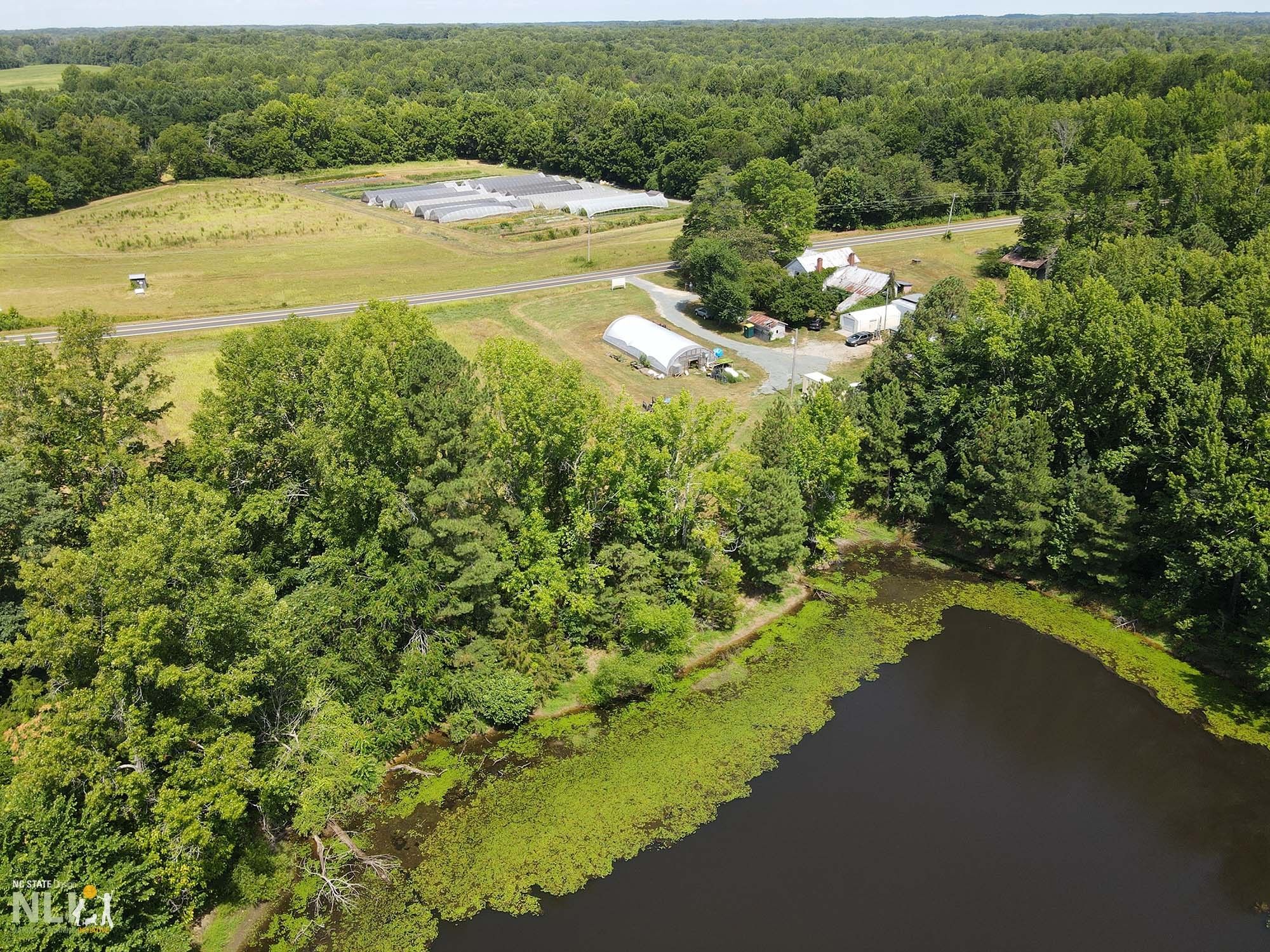
Located in Northern Orange County, North Carolina, the 269-acre W.C. Breeze Farm is the location for the proposed agrivoltaics project.
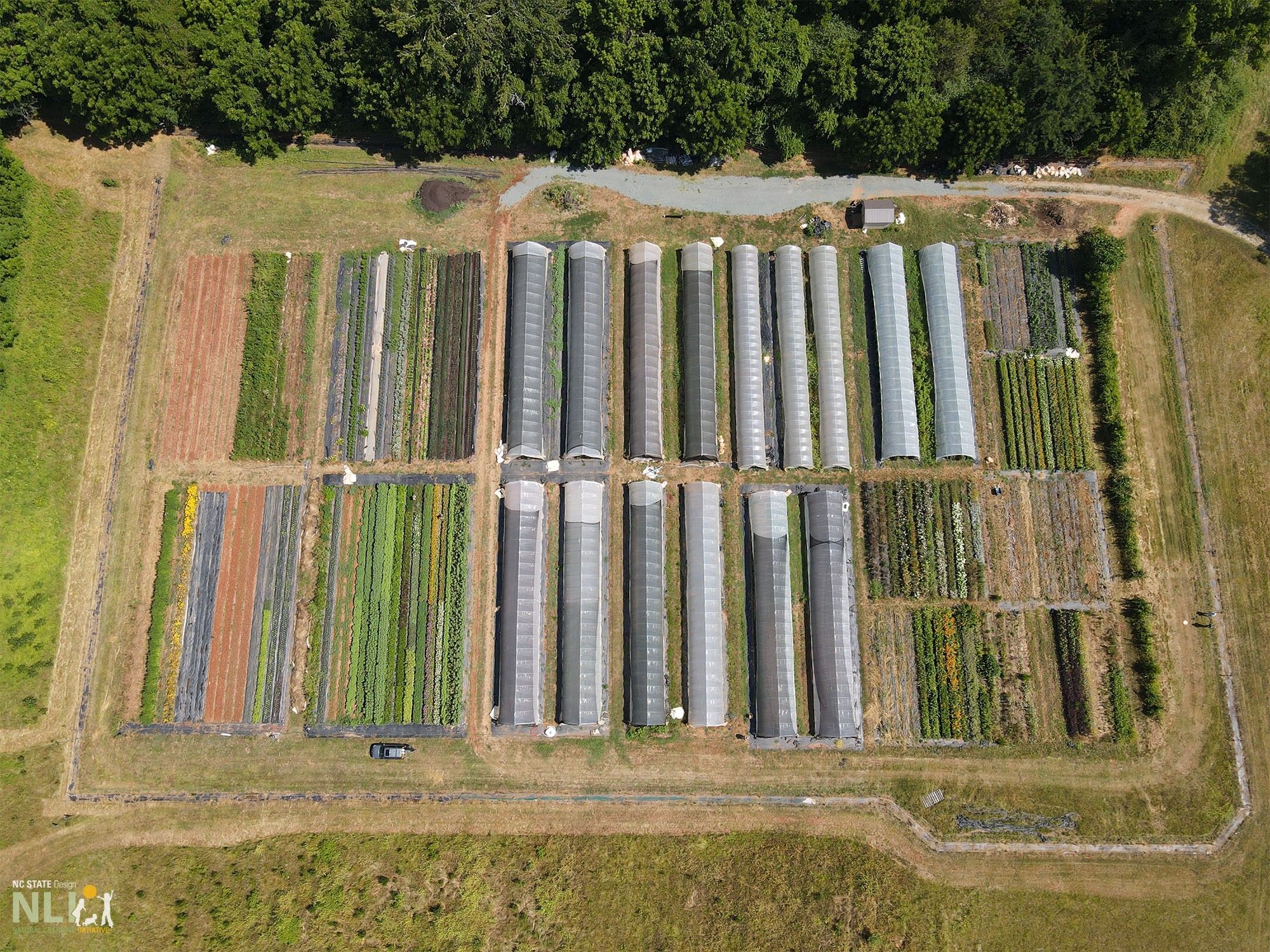
Climate resilient growing strategies such as hoop houses are demonstrated in this photograph.
Breeze Farms cultivates a diverse array of crops, including fresh flowers.
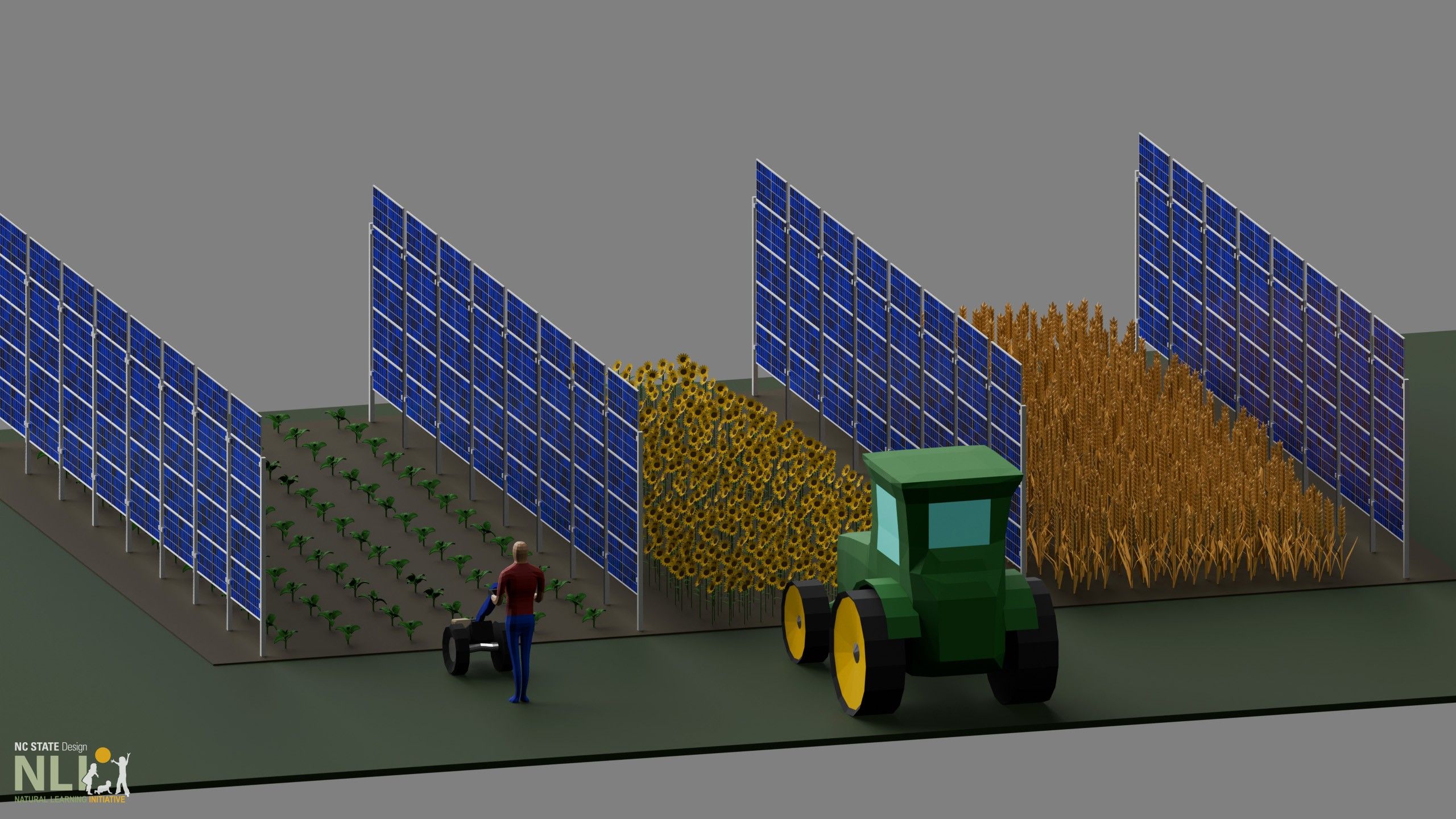
A 3D render illustrating bifacial solar panels integrated with varying crops planted between them, ensuring ample space for operational equipment.
Key Questions
What crops are best suited for growth around solar panels, and how can they be effectively managed?
How can grazing be integrated with solar panels, and what are the challenges?
What research is needed to understand the impact of Agrivoltaics on energy production and crop yield?
What are the best options for solar panel design to maximize agricultural production?
What are the energy demands and usage patterns on farms, and how can solar energy be effectively utilized?
What are the effects of climate change on agriculture and how can solar help mitigate these effects?
How can a demonstration site best educate and inform visitors about solar and agriculture?
What are the potential funding sources for this project?
What would the pitch look like for funding outside of a formal grant application?
What is the economics/value for farmers?
Action Items
Tim Fratta
Research the potential for funding from the USDA REAP program and other sources.
Mike Ortosky
Research the potential for scaling up the project and the associated costs.
Seek out information about the Environmental Enhancement Grant.
Collaborate with Central Pines Regional Council on the possibility of identifying grants and supporting grant writing.
County Extension and Sustainability
Engage Piedmont Electric for input and collaboration
Research potential funding sources and write a grant proposal.
Come up with a draft research plan for comments, not for final decision, and will reach out to Piedmont Electric to identify funding sources.
Research existing literature and reach out to authors for funding sources.
County Extension
Reach out to the university for support and collaboration.
Agricultural Researcher
Research the impact of solar projects on soil and crop growth.
Research the best crops for growth under solar panels and their management.
Gather more data on potential soil contamination coming off of solar panels.
Energy Consultant
Explore options for behind-the-meter solar energy usage and assess the demand for solar energy on farms.
Explore the possibility of having both front-of-meter and behind-the-meter solar panel systems for research.
Investigate the value of battery storage for Agrivoltaics.
Conduct feasibility research with the utility to ensure there are no upgrades needed to the grid before building the system.
Grazing Expert
Investigate the feasibility of integrating grazing animals with solar panels and develop an implementation plan.
NC Clean Tech Center
Research the use of different materials for solar panels to accommodate agricultural needs.
Solar Panel Designer
Research and design different solar panel setups to maximize agricultural production.
Data Analyst
Collect and analyze data on energy demand and usage patterns on farms to determine the potential for solar energy utilization.
Participants
Mike Ortosky – Community & Rural Development Agent, NC Cooperative Extension – Breeze Farm Manager
Amy Eckberg – Sustainability Programs Manager, Orange County
Art Samberg – NC Clean Technology Center/Program Director
Steve Lysenko – NC Clean Technology Center/Mechanical Engineer
Steve Kalland – NC Clean Technology Center/Executive Director
Rebekah de la Mora – Senior Policy Analyst, NC Clean Technology Center
Dr. Amy Cooke – Director of Undergraduate Studies, Environment, Ecology & Energy Program UNC
Kara Gravinese – Innovation and Business Development Analyst, NC Electric Cooperatives
Timothy Fratta – Celtis Energy Advisors, Managing Partner
Jonathon Smith – Cooperative Extension Director, Orange County
Pat Mallett – Planning and Inspections Deputy Director, Orange County
Kristin Prelipp – Communications Manager and Public Information Officer, Orange County
Keith Larick – Natural Resources Director, NC Farm Bureau Federation
Amanda Garner – Assistant Director, Economic Development, Orange County
Workshop Management
The workshop was facilitated and recorded by the Natural Learning Initiative (NLI), NC State University. NLI also produced this report.
Robin Moore, MCP, Director Emeritus
Nilda Cosco, PhD, Director of Programs
Matt Babb, UX/Communication Designer
Matthew Maharaj, UX/Communication Design Assistant
Will Fantle, Graduate Research Assistant
Contact Information
Mike Ortosky – Community & Rural Development Agent, NC Cooperative Extension, Orange County, North Carolina [email protected]
Amy Eckberg – Sustainability Programs Manager, Orange County North Carolina [email protected]
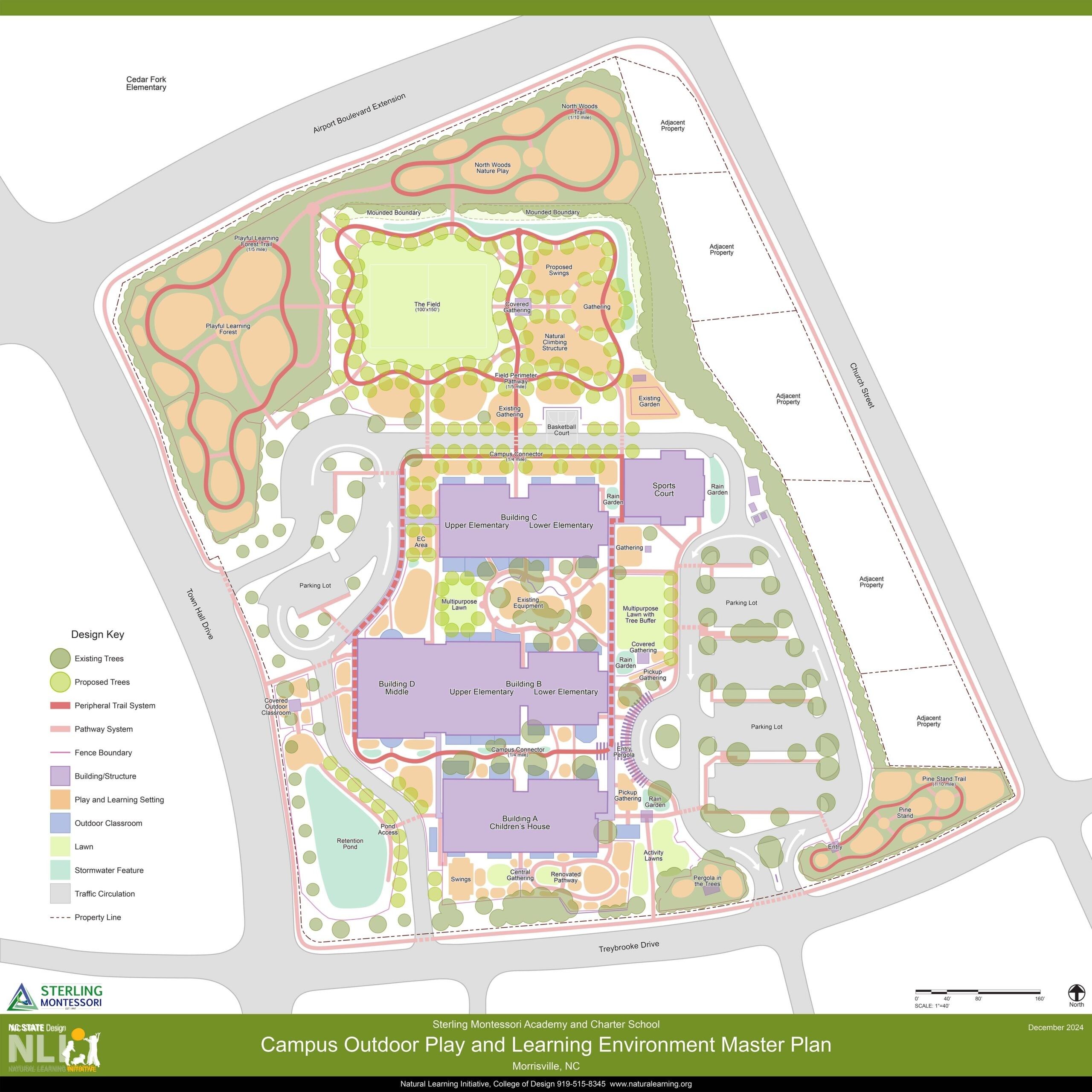
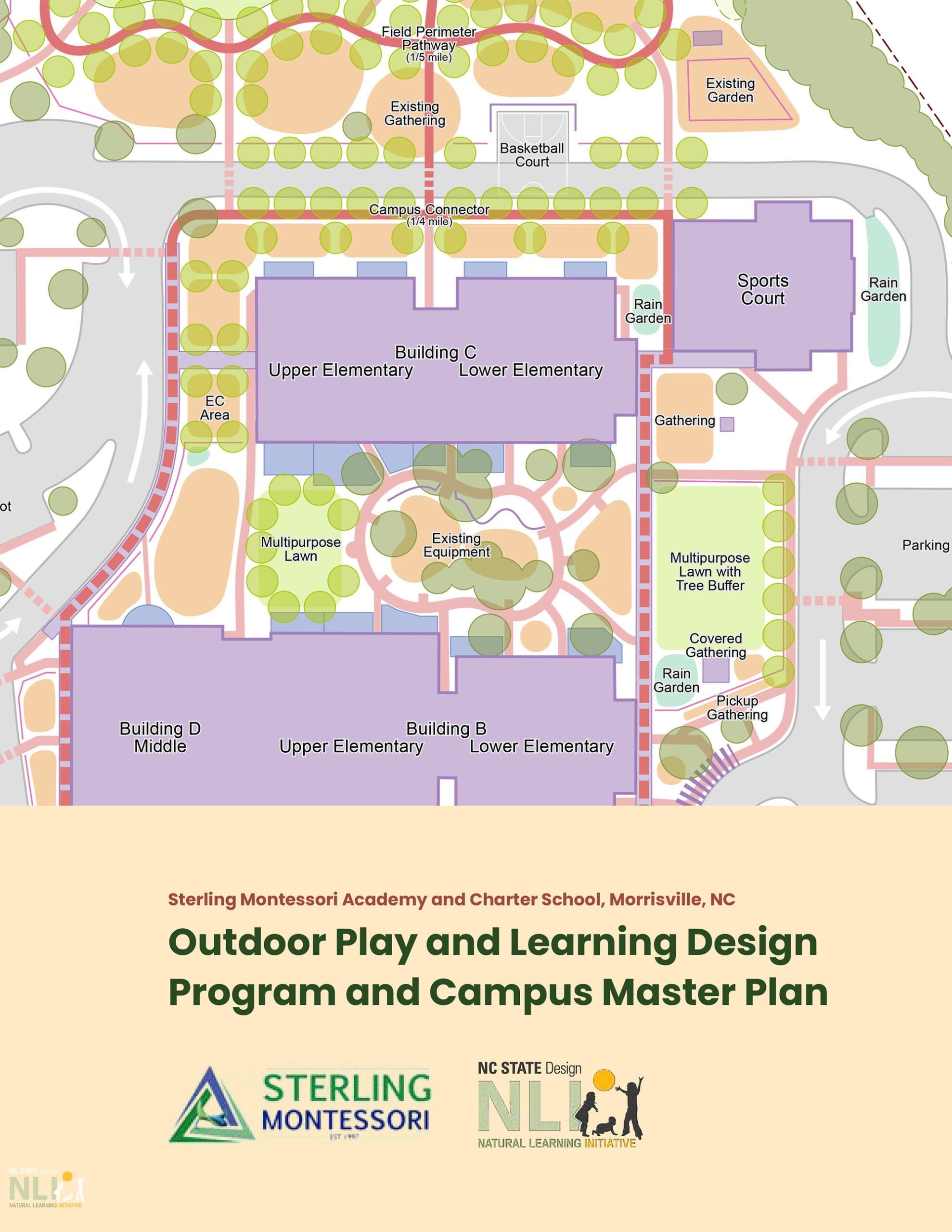
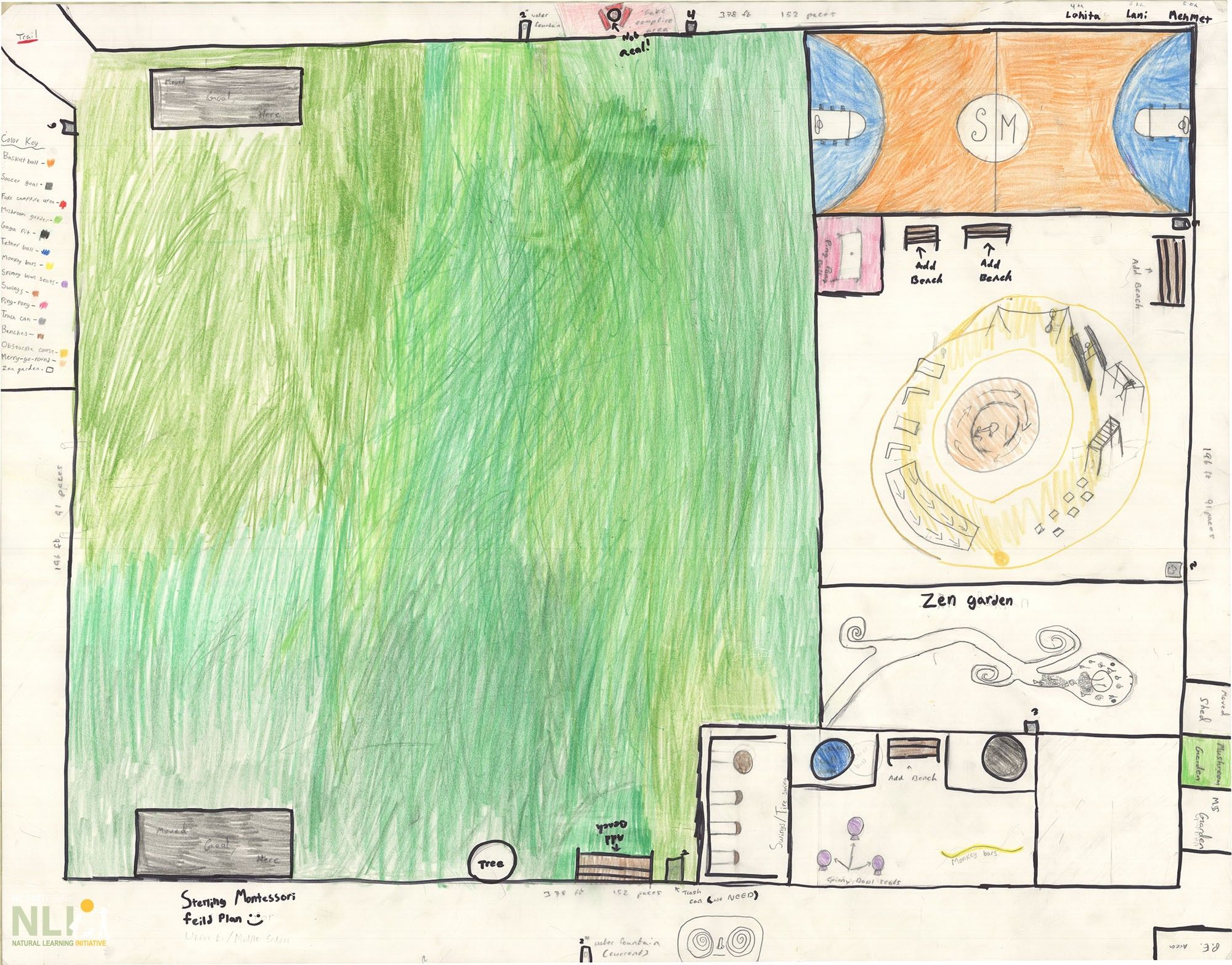
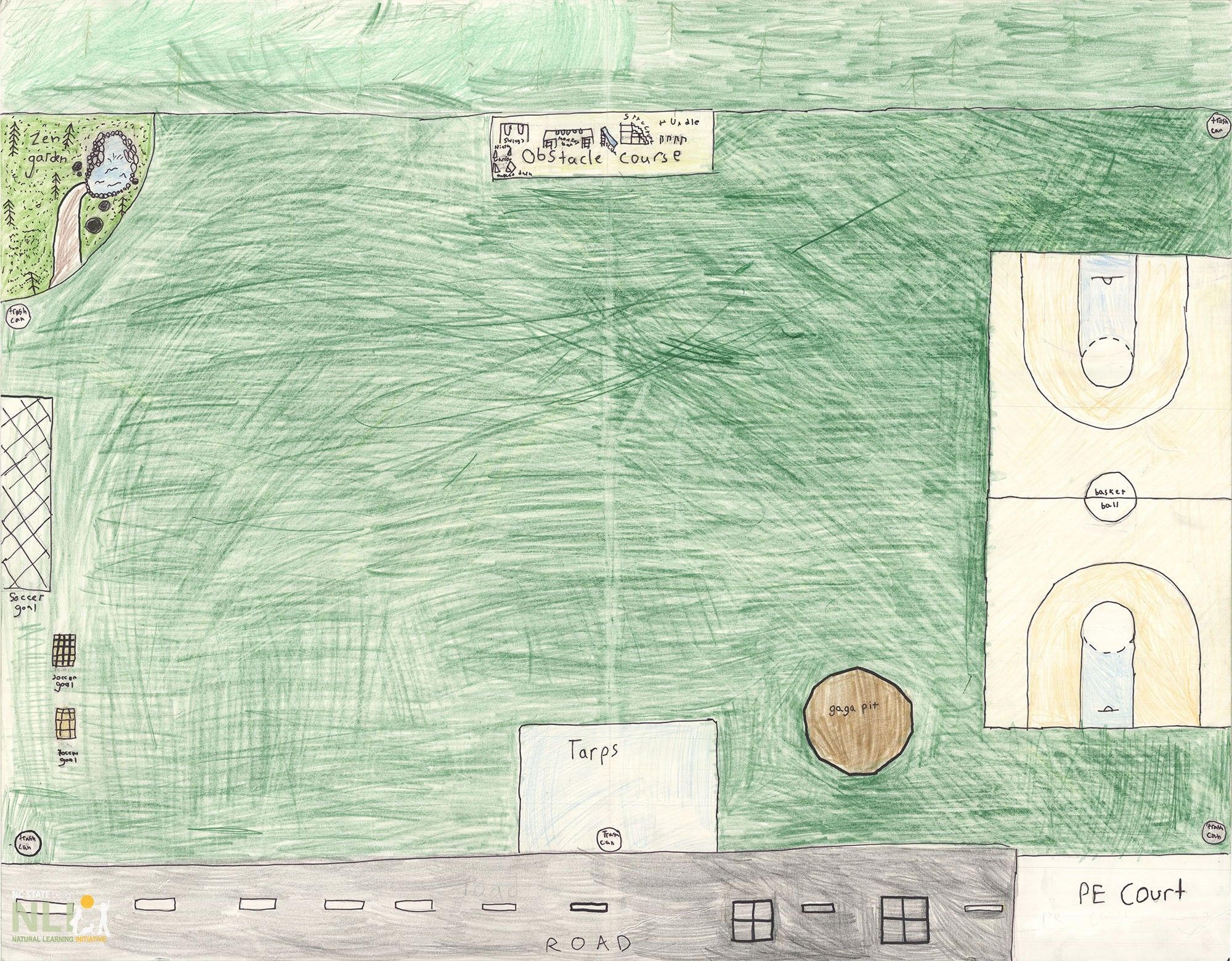
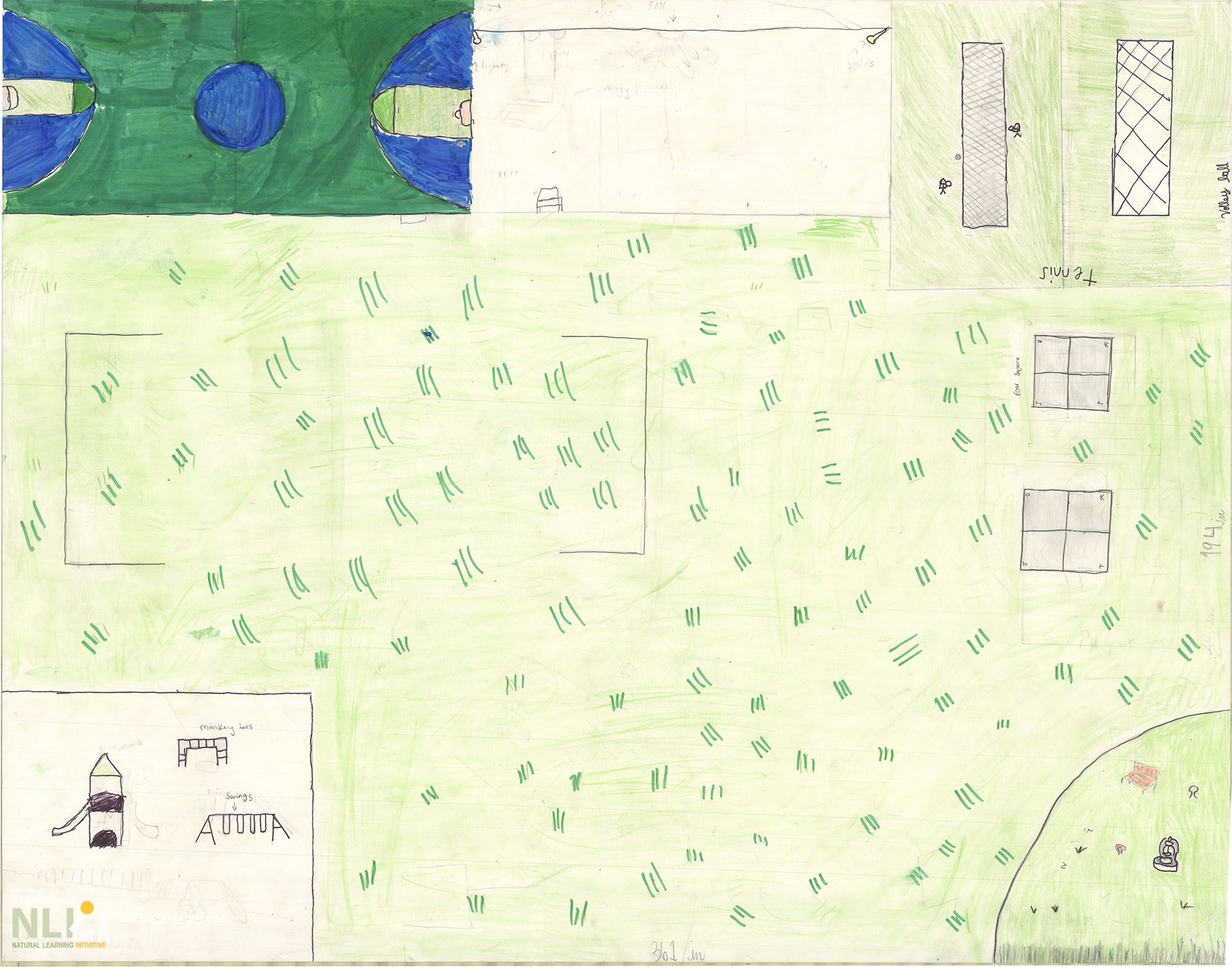
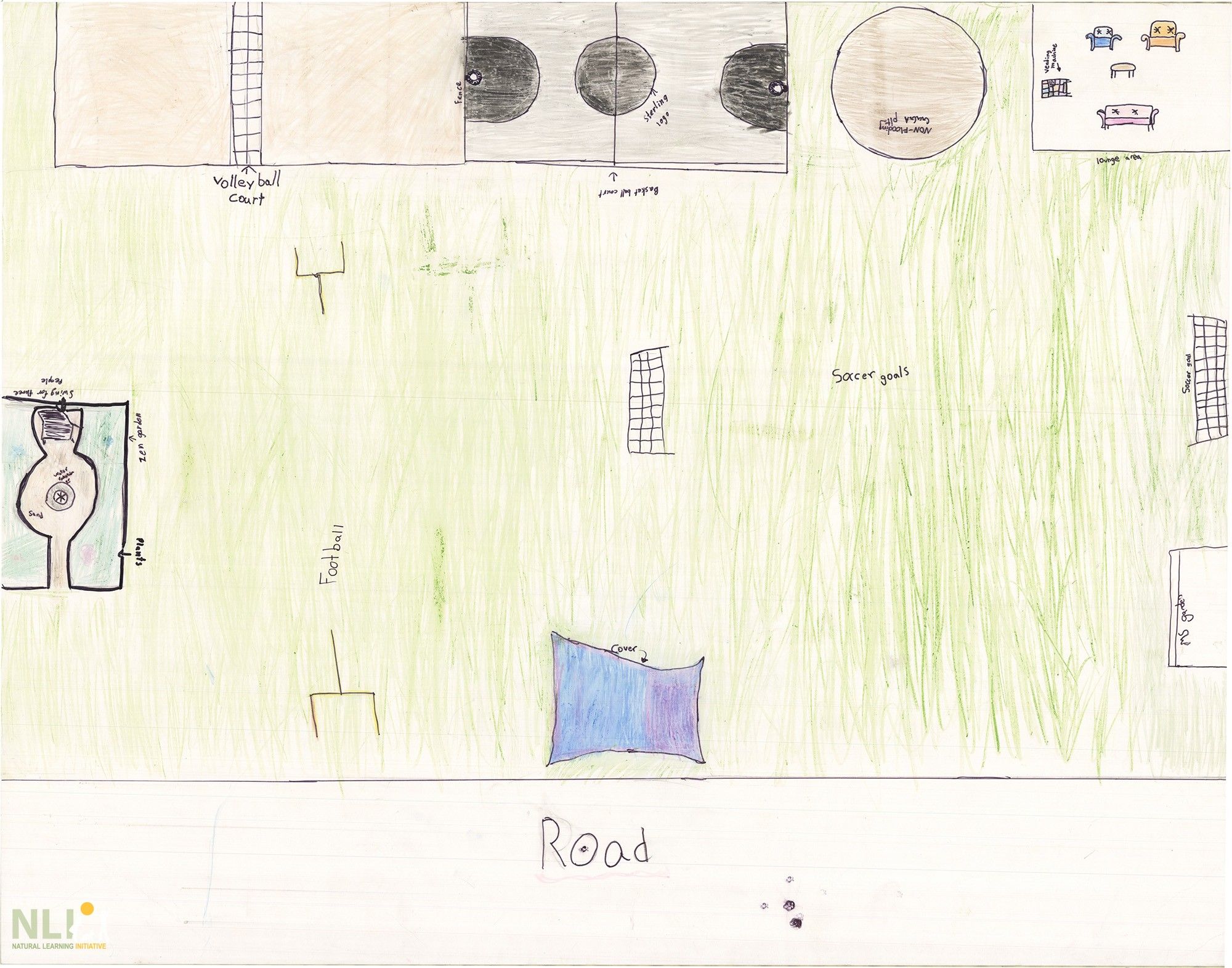
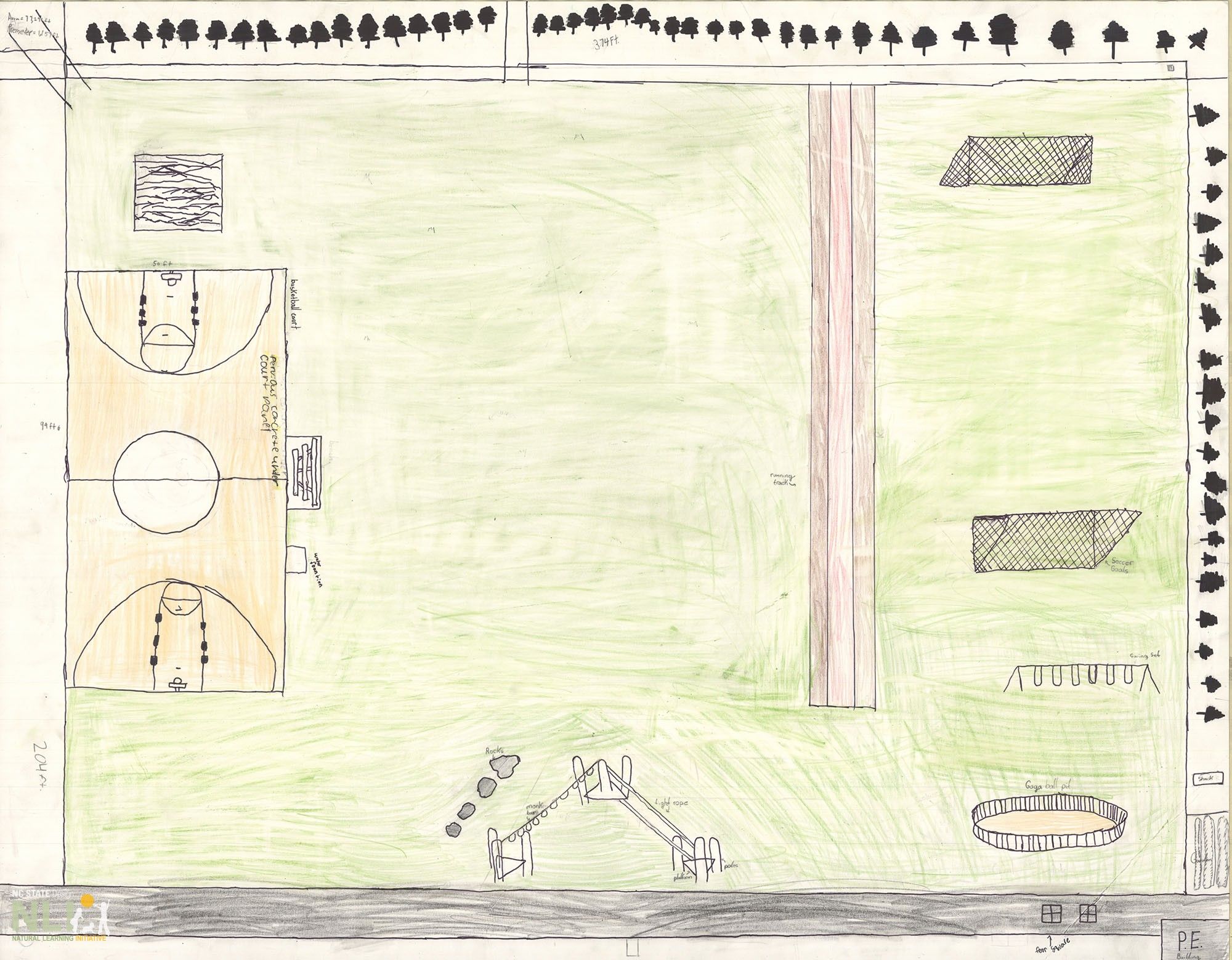
Sterling Montessori Academy and Charter School (SMACS) in Morrisville, NC, partnered with the Natural Learning Initiative (NLI) to redesign its outdoor play and learning spaces (OPALS), aligning them with Montessori principles and the school’s mission. Building on NLI’s 2000 campus master plan, the updated 17-acre plan enhances environmental quality and user experience.
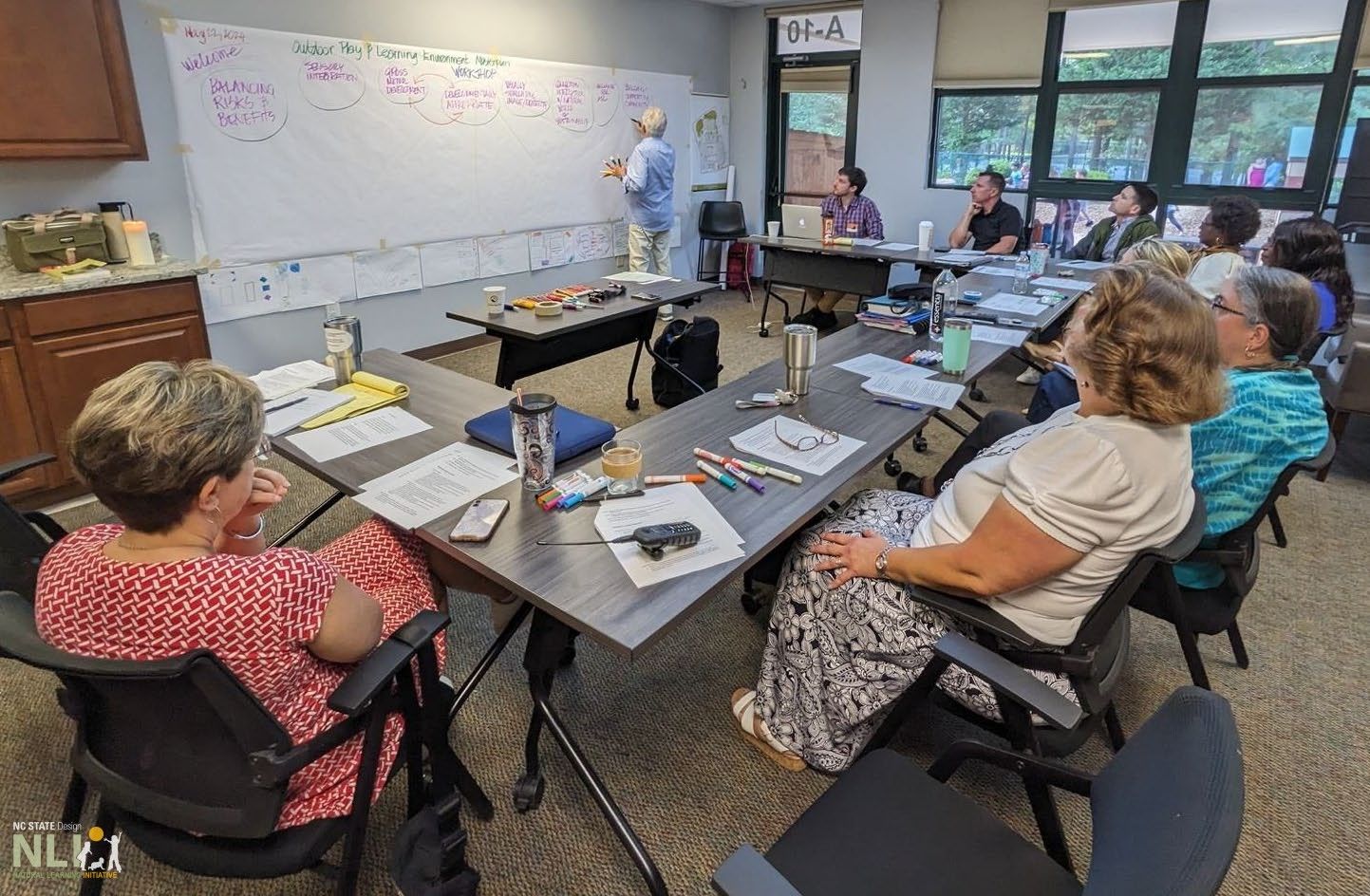
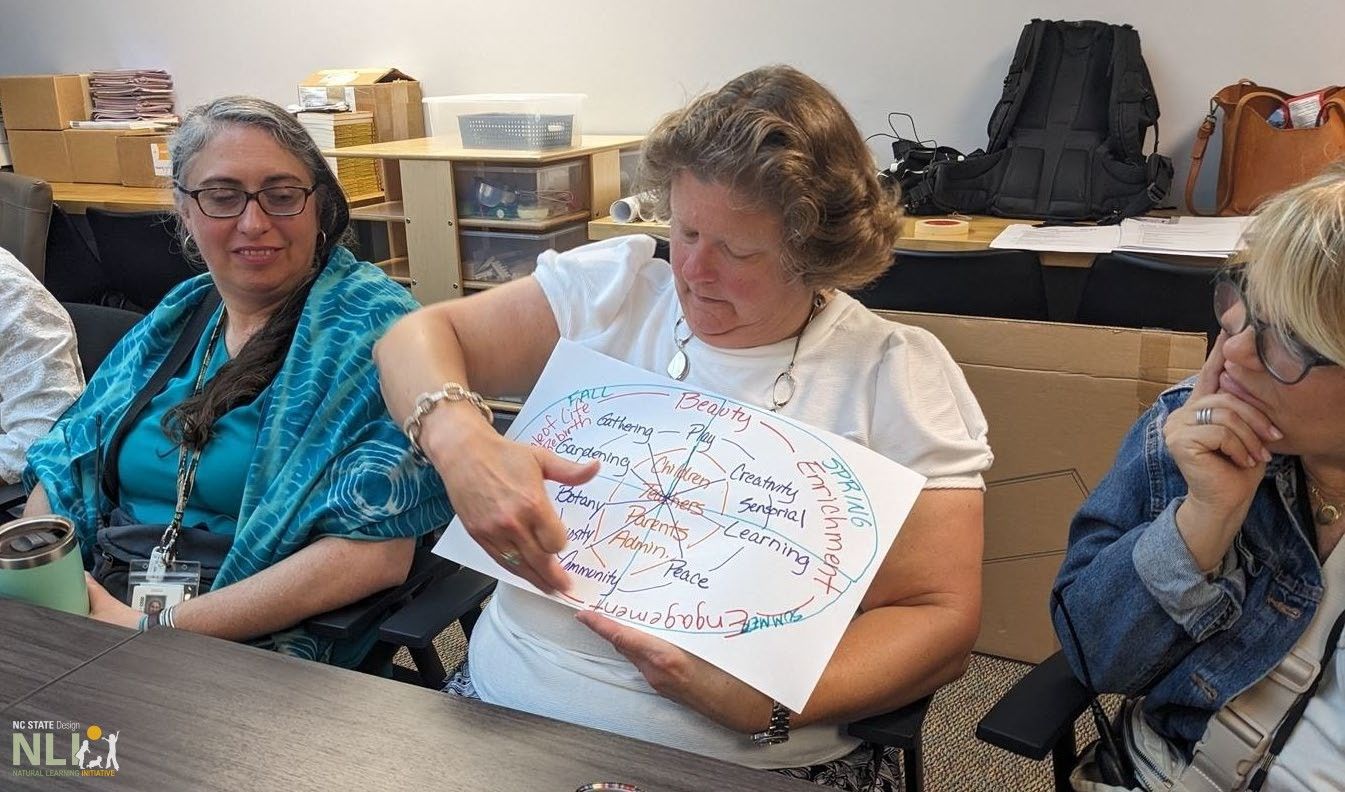
A Community Survey in January 2024 gathered input from teachers, parents, and students, shaping the design program. NLI then led a workshop with SMACS directors to define goals, followed by Teacher Engagement Sessions to refine site layout, circulation, and key features. Students contributed through teacher-led design activities using NLI’s Design Thinking with Young People guide.
NLI synthesized feedback into a Design Program, informing the master plan. This document marks the first step in guiding phased campus improvements. Additionally, the planned Airport Boulevard Extension will redefine the northern boundary and introduce a multi-use path connecting the community.
Download the Sterling Montessori Academy and Charter School Master Plan:
NLI Webinar hosted by Michigan DNR-Parks and Recreation Division (PRD)
“Creating Natural Play and Learning Spaces in Michigan State Parks,” a pre-recorded presentation by Robin Moore, kicked off a lively discussion with the public audience. The presentation highlighted NLI’s ongoing work with Michigan -PRD to create technical resources, a professional development program, and an initial demonstration site at Hartwick Pines State Park. Examples of built work illustrated NLI’s biophilic design thinking approach, and a collaborative, community-based design programming process for creating nature play and learning spaces.
A Q&A session discussed the State of Michigan strategic plan to integrate nature playscapes into the State Park system, which contains 103 sites, emphasizing the importance of creating a sense of place and empathy for the environment among young visitors. The pilot project will begin at Hartwick Pines State Park, with plans to expand to other locations.
The initiative is funded partly by donations from park visitors.
Q&A Highlights:
What does the term “agency” refer to when describing children’s experience in nature?
In response to the topic of agency in the pre-recorded presentation, Robin Moore explained that agency refers to the feeling of being in control of one’s actions and environment, which is crucial for child development.
Where is outdoor learning being implemented?
Maya Turic, Michigan DNR Engagement and Innovation Specialist, confirmed that the pilot location for the nature play space is Hartwick Pines State Park, with plans to expand to other locations.
The initiative is funded partly by donations from park visitors and aims to provide professional development for staff and create a resource manual for nature play.
What age group is challenging, adventurous outdoor play appropriate for?
Robin Moore illustrated that toddlers-to-seven was the intended age ranges for settings presented in the pre-recorded video.
Robin discussed the possibility for challenging and adventurous play environments designed to engage older children aged 8-11, including climbing and ropes courses.
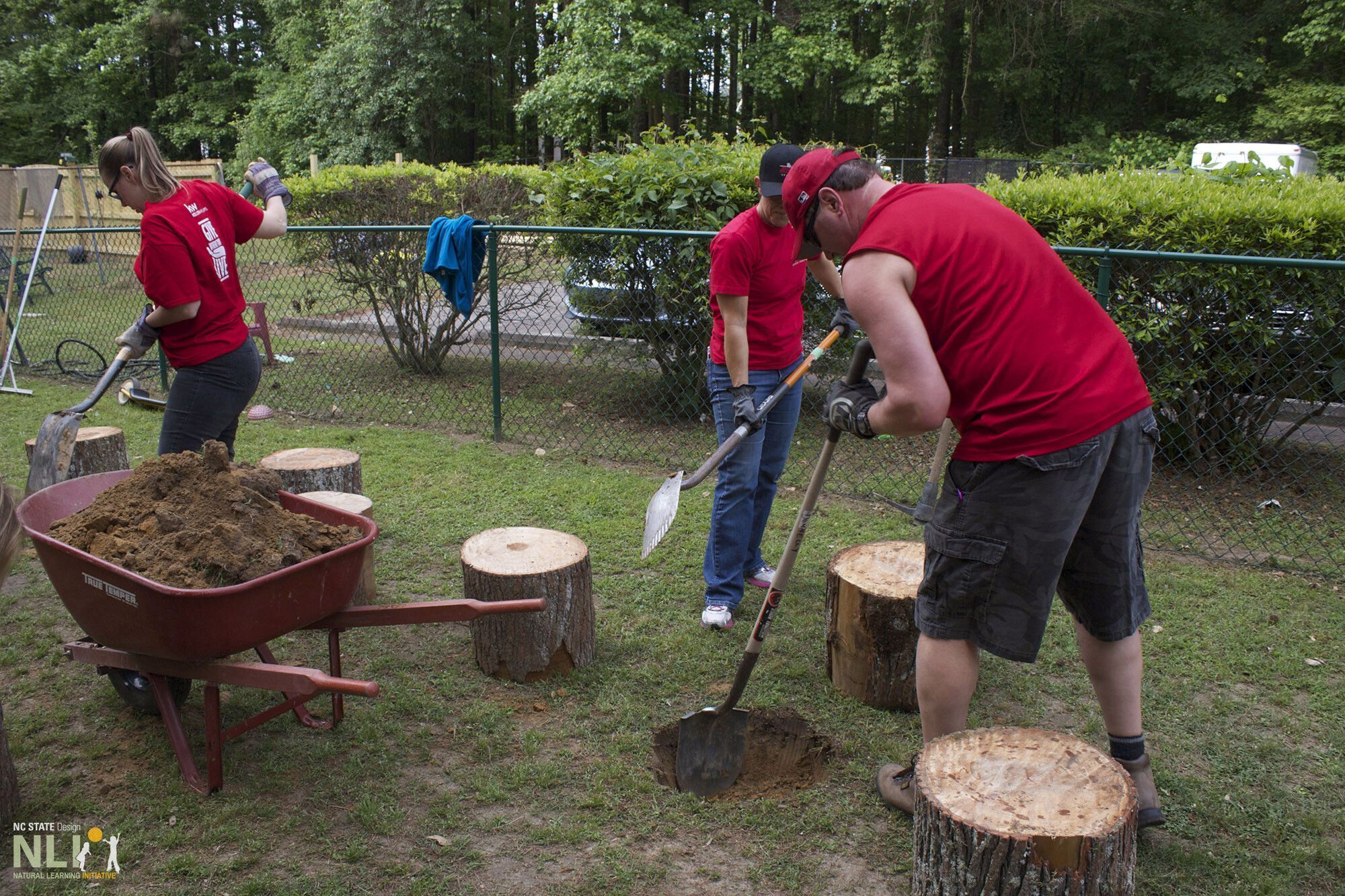
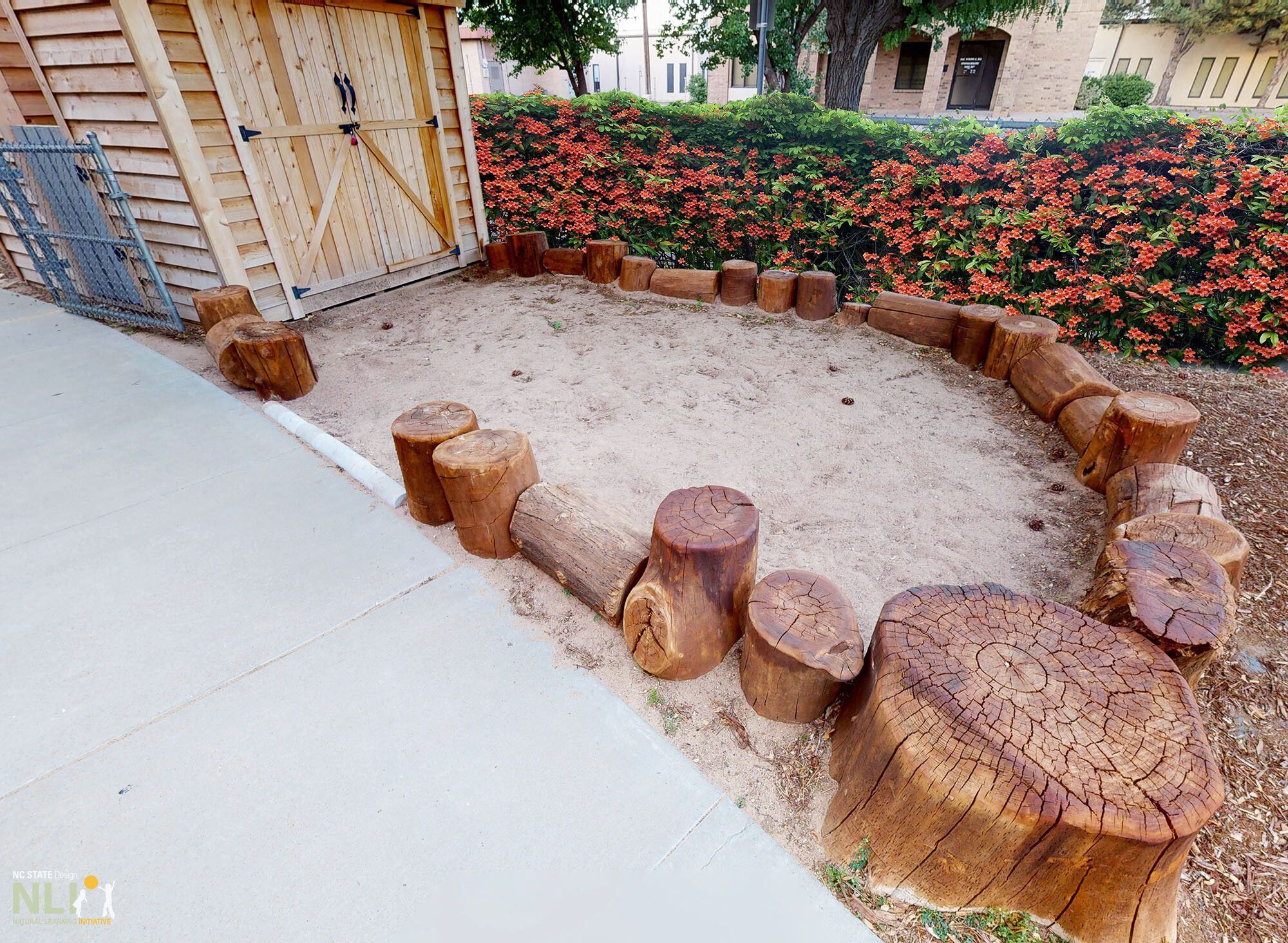
Gathering settings made from partially buried, vertical logs, will last for years if best practices are followed. Gaps between the logs afford playful interactions and ease of movement through the setting. This type of cost-effective installation can transform an unused, outdoor corner into a place where children can socialize, play games, or gather for story time. Installation offers an excellent activity for volunteers using hand-tools. A shared sense of accomplishment can motivate assistance for other installation projects.
Recommended timbers
Black locust (Robinia) and cedar species are a good choice because they are naturally rot-resistant. However, they may be challenging to source with sufficient diameter. Other hardwoods are a viable alternative, provided best practices are followed to protect against rot.
LAYOUT
Setting size. Depending on purpose, as defined above, setting size is variable.
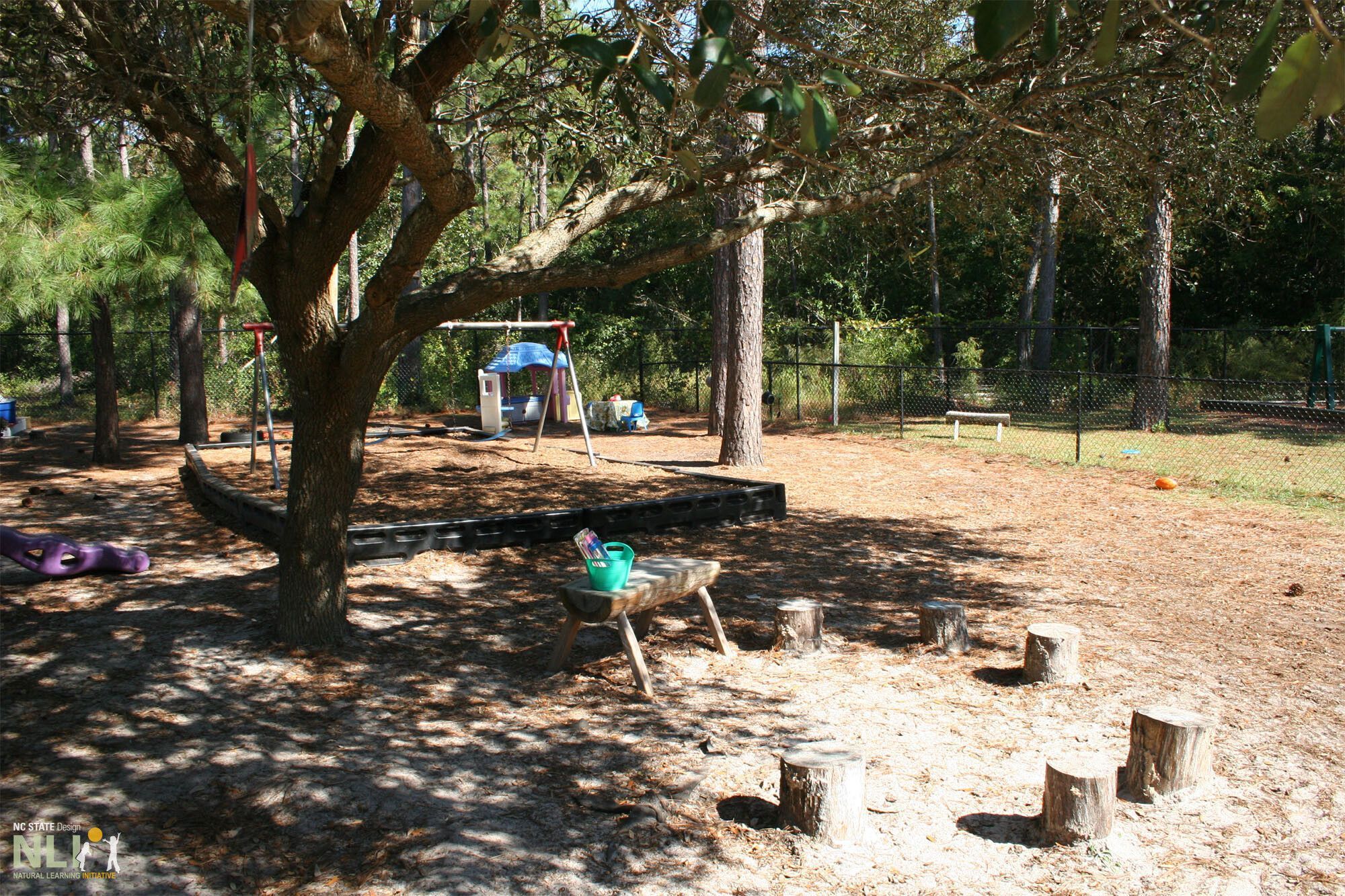
Locating the setting. Choose a quiet spot away from active play (under an existing shade tree for example). If shade is unavailable, add a shade sail and/or shade tree. Logs installed adjacent to a stage setting in a semi-circular form offer an audience space and extend possibilities for dramatic play (see lower photo this page).
Preparing logs
Use seasoned logs (at least 12 months since felling). Logs harvested from dead trees may be used, but seek advice from a certified arborist. Use logs 10 in. or larger in diameter and around 24 in. long.
Debark logs (easier with seasoned timber). Remove all branch stubs and other protrusions. Use a power sander to smooth logs, including rounding the upper edges. Sand top surfaces.
Protect the logs from rot by using waterborne copper naphthenate (nontoxic). Apply several coats, allowing to dry between applications (about 1 hour).
Apply coats until no more liquid is absorbed, especially on the top and bottom ends (to be buried). Further protect the logs with Thompson’s WaterSeal.
Finish with two coats of polyurethane varnish. DO NOT varnish the upper end of the log, as that will make it slippery and hazardous when wet.
INSTALLING LOGS
Position logs. Place logs 1.5 ft. apart (safe stepping distance) in a circular or semi-circular shape to fit the space. Allow for circulation around the outer edge of the setting. Consider placing an extra-large log in the circle, or facing a semicircle, as the teacher’s designated seat for circle/story-time.
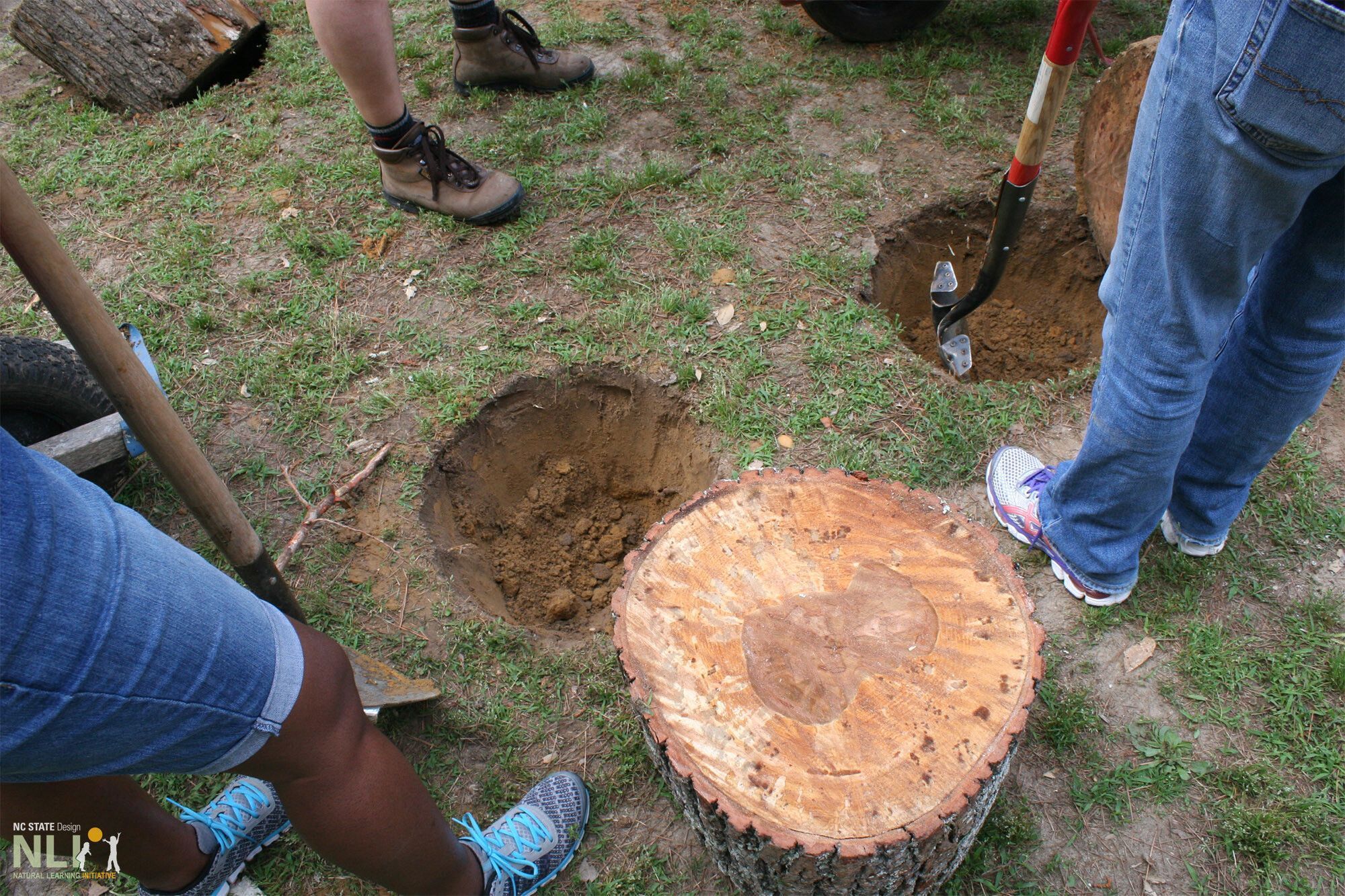
Dig log holes. Make holes 4 in. wider than the log diameter (to allow for 2 in. side lining of gravel). Make hole depth approximately 1/3 of the log height above ground, plus 2 in. (to allow for bottom lining of gravel). Measurements may be adjusted according to soil conditions. Undisturbed, heavy clay soils require less depth. Light sandy/loam or disturbed soils may need more depth. Ensure log will be no more than 18 in. above the ground when set in place.
Add drainage. Fill the bottom of the hole with approximately 2 in. of pea gravel, adjusting to the required height of the log above ground. Tamp the gravel.¹
Place treated log upright in center of hole. Gradually fill the 2 in. gap around the log with pea gravel, tamping continuously² until gravel is flush with the surrounding ground.
Ensure child safety by rounding sharp upper edges with an electric sander.
Plant shade trees and shrubs around the gathering setting to add a sense of privacy and enclosure. Distribute excess soil elsewhere on the site.
HEALTH AND SAFETY
Before digging, call 811 ahead of time to check for underground utilities. The service is free but can take several days.
Wear sturdy boots and gloves during installation.
Regularly inspect logs for signs of decay. If unstable, replace before they become a possible hazard.
¹ To tamp the bottom, use a regular 8”x8” steel-headed tamper.
² To tamp the sides, use a length of capped steel pipe.
Materials & Tools
10 inch min. diameter hardwood logs,18-24 inches long
Shovels
Power, disc sander
Level
Pea gravel
Protective treatments: waterborne copper naphthenate, Thompson’s WaterSeal, and polyurethane varnish
Tamping tools
Log settings encourage gathering and social/emotional development
A double semicircle of logs, with appropriate spacing and height, provides seating for the stage (left of image), and a place for active, imaginative play (note, these logs were not debarked prior to installation)
Hole depth should be approx.1/3 log height plus 2″ deep. Hole width should be log diameter plus 4″
Log circle installation with volunteers
Log circle in the shade of a tree
Loose parts play setting enclosed by continuous edge of treated, sanded logs (photo, Muntazar Monsur)
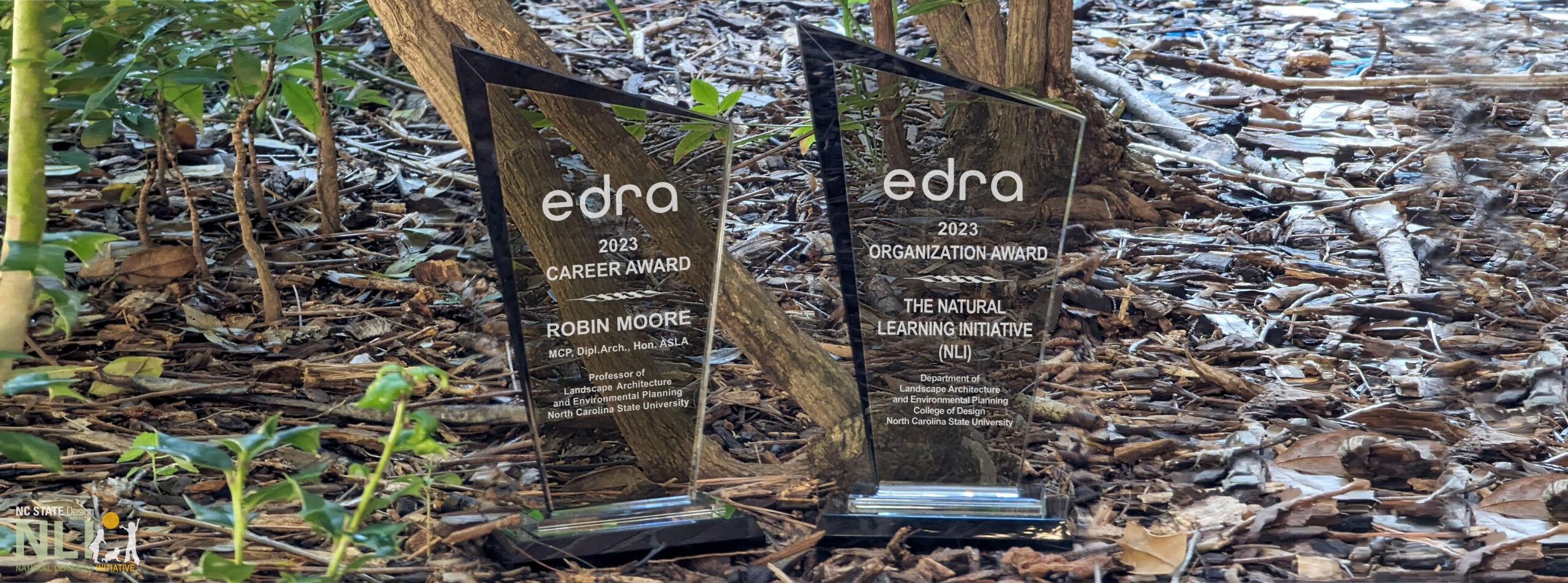
The 2023 Environmental Design Research Association (EDRA) Career and Organization Awards go to Robin Moore and the Natural Learning Initiative (NLI, co-founded by Robin Moore and Nilda Cosco, PhD, in 2000), College of Design, NC State University.
EDRA Career Award
The EDRA Career Award is given in recognition of a career of sustained and significant contributions to environment design research, practice, or teaching. Candidates must be current EDRA members in good standing.
EDRA Organization Award
The EDRA Organization Award is given in recognition of an organization whose work contributes to EDRA’s mission to “facilitate the creation of environments that are responsive to human needs” and to encourage closer collaboration with them in the future.
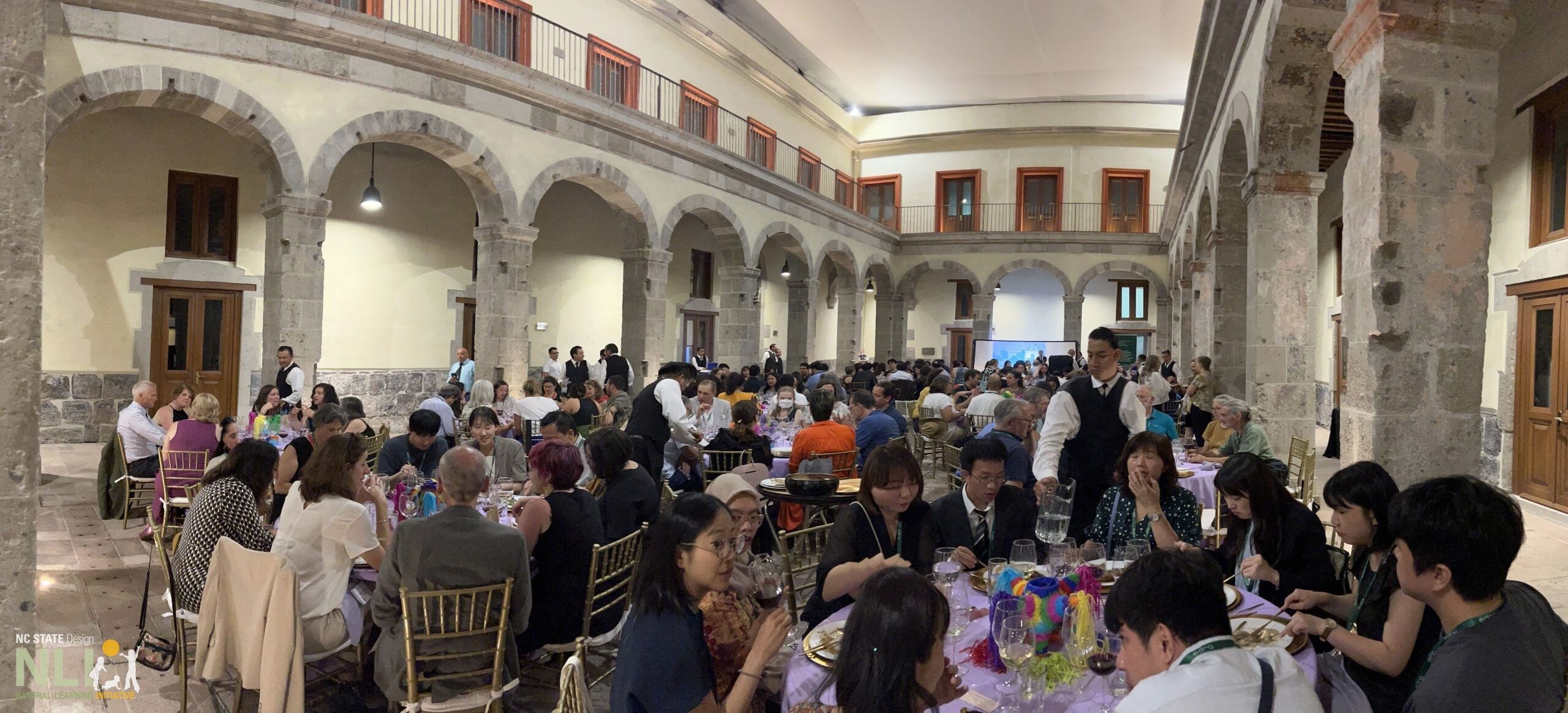
EDRA 54 Awards BanquetVenue: UNAM Museum of Medicine – former Palace of the School of Medicine, UNAM. Palace of the Inquisition, built between 1732 and 1736 by architect, Pedro de Arrieta.
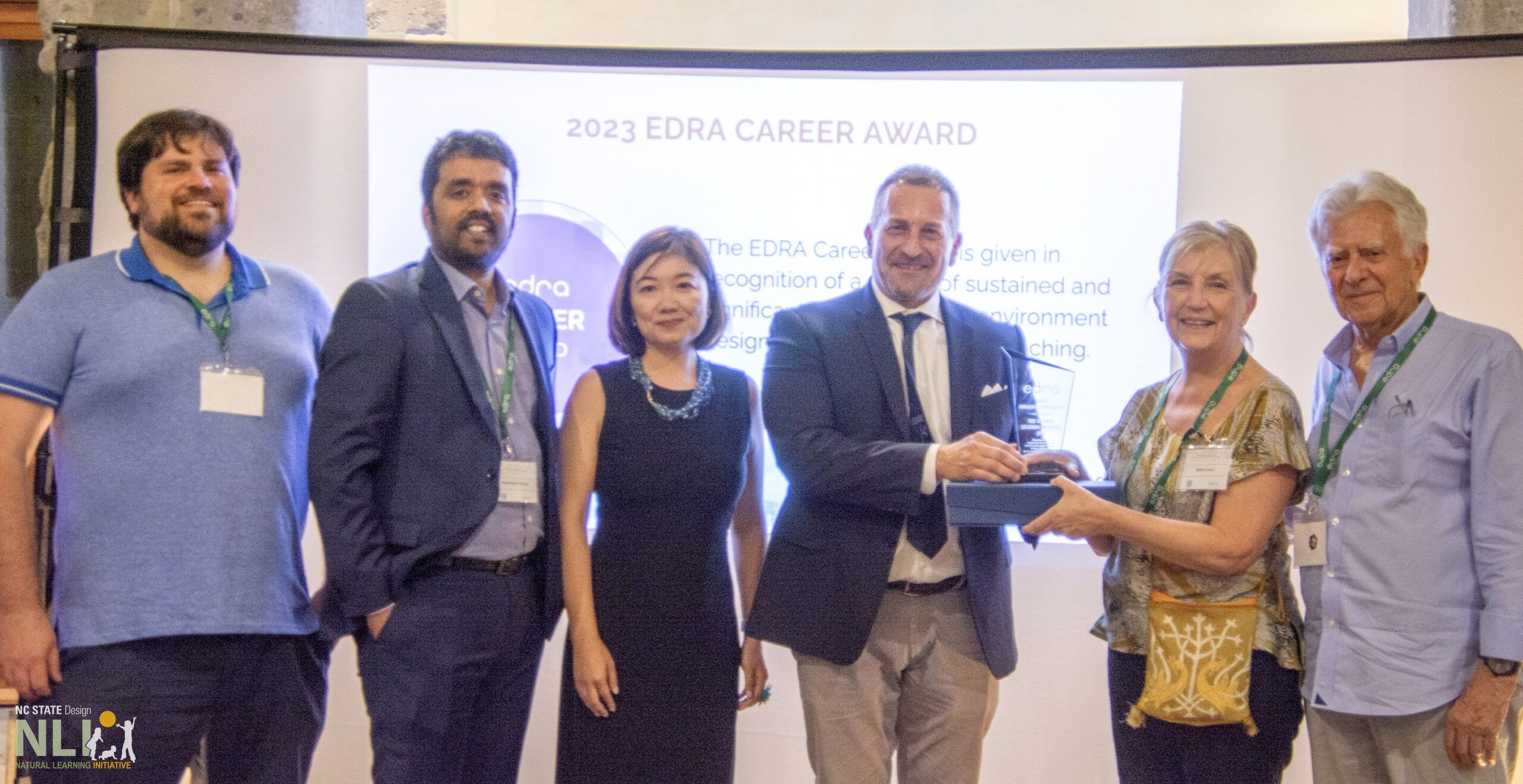
2023 EDRA CAREER AWARD to Professor Robin Moore (far right, NLI co-founder) and 2023 EDRA ORGANIZATION AWARD to The Natural Learning Initiative (NLI), accepted by Associate Research Professor, Dr. Nilda Cosco, NLI co-founder and Director of Programs, NC State University, Department of Landscape Architecture and Environmental Planning. Awards presented by Dr. Deni Ruggeri “middle”, Executive Director, EDRA, Associate Professor, Department of Plant Science & Landscape Architecture, University of Maryland. Others (left-right): Daniel Jost, doctoral student working at NLI with Moore and Cosco; Dr. Muntazar Monsur (nominator and presenter of awardees), graduate of NC State PhD in Design program and NLI Postdoc Scholar. Currently, Assistant Professor, Texas Tech University, Department of Landscape Architecture; Dr. Hui Cai, EDRA Board Member, Recognition Committee Chair, Associate Professor, School of Architecture and Design, University of Kansas.