Blog

  • Children’s Health & Nature Connectedness

    Children’s Health & Nature Connectedness

    New research articles about the declining health of U.S. children and the loss of “nature connectedness” in the U.K., simultaneously give cause for alarm but also validate growth of the children and nature movement, including NLI. Research conclusions motivate ramping up actions required for long-term system change to avoid an irreversible, interrelated decline in the health of Mother Earth and its human inhabitants.

    The message to NLI Newsletter readers is clear: connect and collaborate in collective action, combining resources. Identify and focus on critical barriers blocking cultural and institutional changes necessary to achieve the nature-centric society required to avoid calamity.

    Changes from NLI’s perspective include long-term biophilic city planning and design policy reform; child and family-centric residential neighborhoods, engineered for outdoor play and community relations first and cars second, built at optimum densities for interconnected natural space, co-designed by and for childhood playmates, including school grounds; childcare facilities designed as nature-based outdoor classrooms regulated and assessed as equivalent to indoor classrooms; residential streets designed as safe play spaces; school dropoff spots 2-3 blocks from school, connected by biophilic play and learning streets. These ideas are not new. Demonstrations exist in many countries around the world, including the U.S and U.K.

    Massive professional development is required to help educate practitioners and retrack those in practice. They include public health professionals and policymakers; urban planning and design professionals; early childhood and K-12 formal and nonformal educators; community play, cultural development, and park and recreation professionals, and more, including citizen scientists of all ages assessing change.

    Access to both articles, related commentary, conclusions and implications are offered below.

    Trends in US Children’s Mortality, Chronic Conditions, Obesity, Functional Status, and Symptoms

    Forrest, CB; Koenigsberg, LJ; Harvey, FE; Maltenfort, MG; Halfon, N. 2025. Trends in US Children’s Mortality, Chronic Conditions, Obesity, Functional Status, and Symptoms. JAMA 334(6): 509-516

    PRIMARY TAKEAWAY: The health of US children has worsened across a wide range of health indicator domains over the past 17 years (2007-2023). The broad scope of this deterioration highlights the need to identify and address the root causes of this fundamental decline in the nation’s health.

    Trends include rising mortality rates for children and adolescents, increased rates of chronic conditions, obesity, and symptoms like loneliness and sleep problems. Compared to other high-income nations, U.S. children have an 80% higher mortality rate, driven by causes such as firearm injuries, motor vehicle crashes, and infant mortality from prematurity and sudden unexpected infant death.

    A sharp rise in chronic conditions includes anxiety, depression, eating disorders, autism spectrum disorder, and developmental disorders. Rates of childhood obesity have increased significantly, now affecting 20% of children. More children are reporting physical symptoms, poor sleep, limitations in activity and feelings of loneliness and sadness.

    The study confirms what many in the medical and educational fields have observed: a growing systemic health crisis among U.S. children. The findings call for a national reckoning with the systemic and environmental factors contributing to these health declines.

    The urgent need is for coordinated, cross-sector responses to reverse the negative trends by improving the “developmental ecosystems” that support children.

    Interview with Chrisopher Forrest, lead author (National Public Radio, July 8, 2025).

    Article Download

    Modelling Nature Connectedness Within Environmental Systems: Human-Nature Relationships from 1800 to 2020 and Beyond

    Richardson, M. 2025. Modelling Nature Connectedness Within Environmental Systems: Human-Nature Relationships from 1800 to 2020 and Beyond. Earth 2025, 6, 82.

    Open Access link to the article

    ABSTRACT

    Amid global environmental changes, urbanisation erodes nature connectedness, an important driver of pro-environmental behaviours and human well-being, exacerbating human-made risks like biodiversity loss and climate change. This study introduces a novel hybrid agent-based model (ABM), calibrated with historical urbanisation data, to explore how urbanisation, opportunity and orientation to engage with nature, and intergenerational transmission have shaped nature connectedness over time. The model simulates historical trends (1800–2020) against target data, with projections extending to 2125.

    The ABM revealed a significant nature connectedness decline with excellent fit to the target data, derived from nature words used in cultural products. Although a lifetime ‘extinction of experience’ mechanism refined the fit, intergenerational transmission emerged as the dominant driver—supporting a socio-ecological tipping point in human–nature disconnection. Even with transformative interventions like dramatic urban greening and enhanced nature engagement, projections suggest a persistent disconnection from nature through to 2050, highlighting locked-in risks to environmental stewardship.

    After 2050, the most transformative interventions trigger a self-sustaining recovery, highlighting the need for sustained, systemic policies that embed nature connectedness into urban planning and education.

    Finding Nature– Dr. Miles Richardson’s blog:

    https://findingnature.org.uk/

    “Human connection to nature has declined 60% in 200 years, study finds” (Guardian newspaper story):
    https://www.theguardian.com/environment/2025/aug/09/human-connection-to-nature-has-declined-60-in-200-years-study-finds

  • CADA Head Start @ Scotland Neck

    Healthy Habits, Healthy Kids

    CADA Head Start @ Scotland Neck

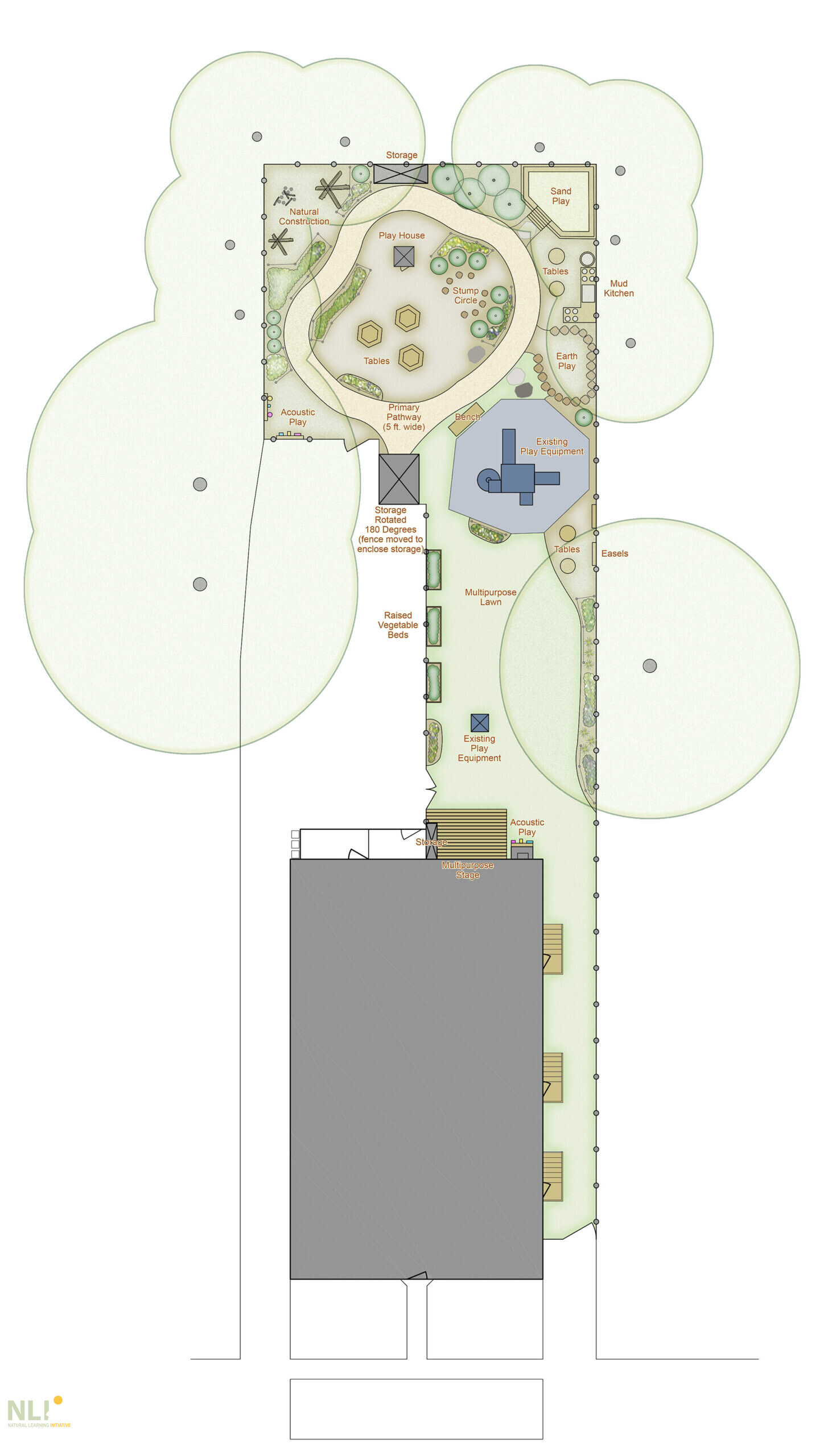
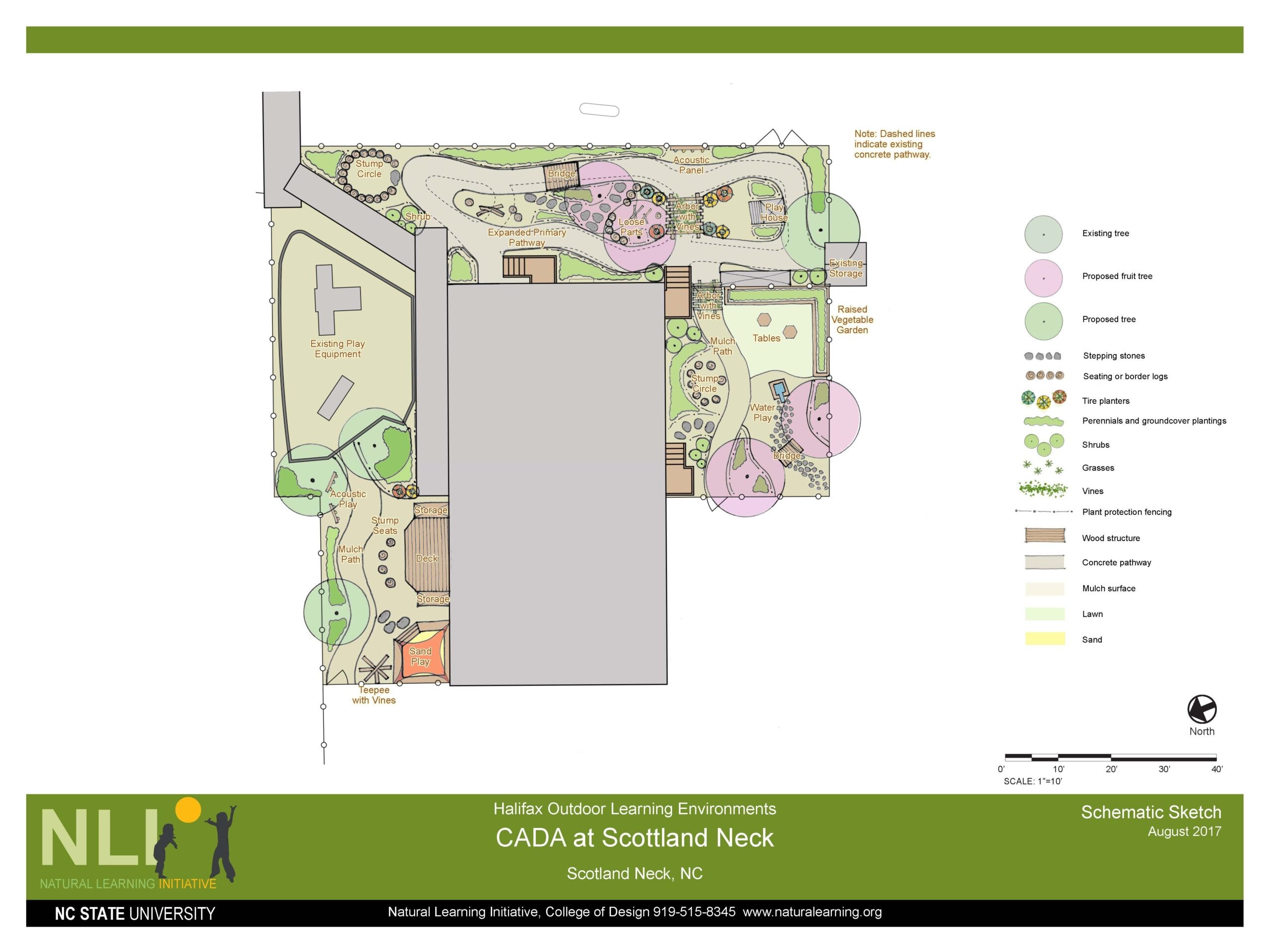
    CADA @ Scotland Neck added an arbor and a wheeled toy bridge that was constructed and installed attached to an existing primary pathway. The center added dramatic play, sand and water play, an outdoor classroom, teepee, and acoustic play settings. Traffic signs were installed by the primary pathway to add play value. Furthermore, a wheeled toy storage stump seating, earth tables, and trees were added to create a high-quality outdoor learning environment.

    Address: 913 Junior High Road, Scotland Neck, NC 27874

    Phone Number: (252) 826-4412

    County: Halifax
    Local Partnership: Halifax-Warren Smart Start Partnership for Children

    NC Star Rating: 5

    Capacity: 56

    Schematic Master Plan

    CADA at Scottland Neck Design plan

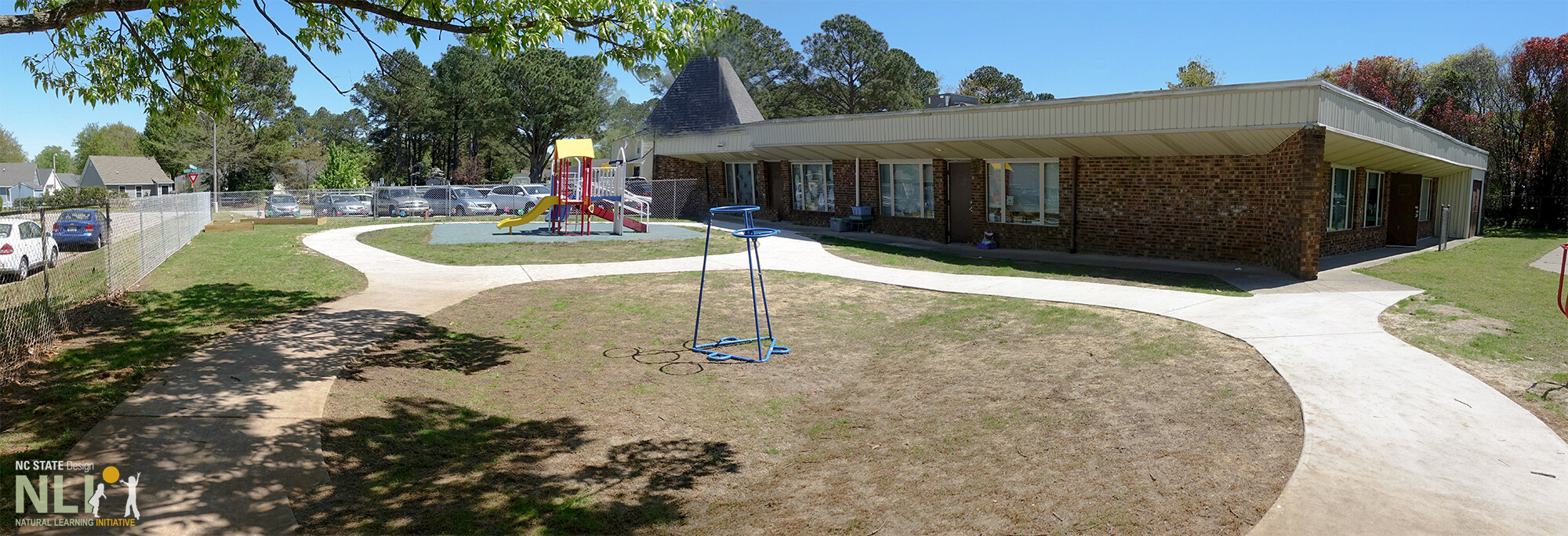
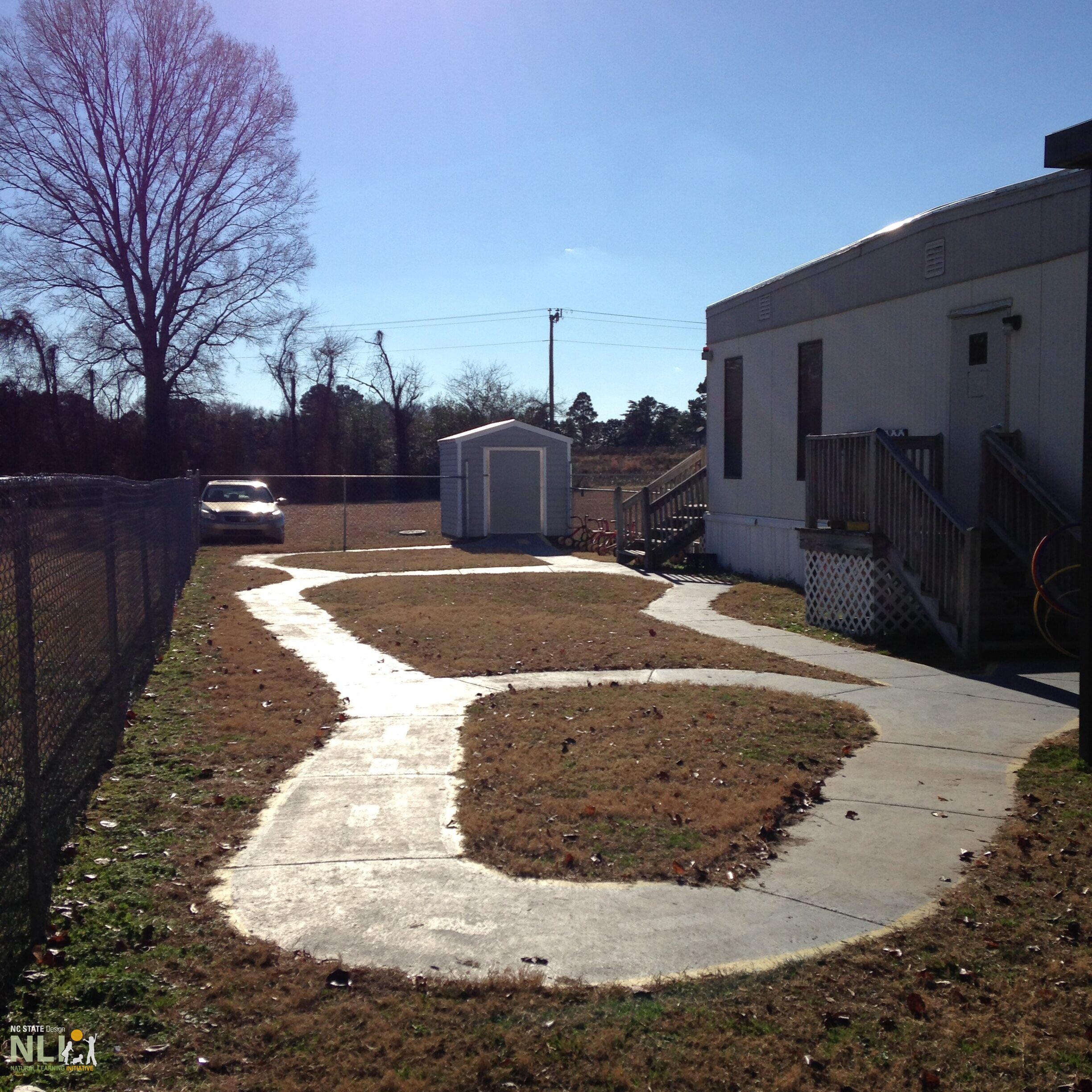
    Before Renovation

    CADA Headstart before renovation

    After Renovation

    CADA Head Start after renovation
  • CADA Head Start @ Halifax Community College

    Healthy Habits, Healthy Kids

    CADA Head Start @ Halifax Community College

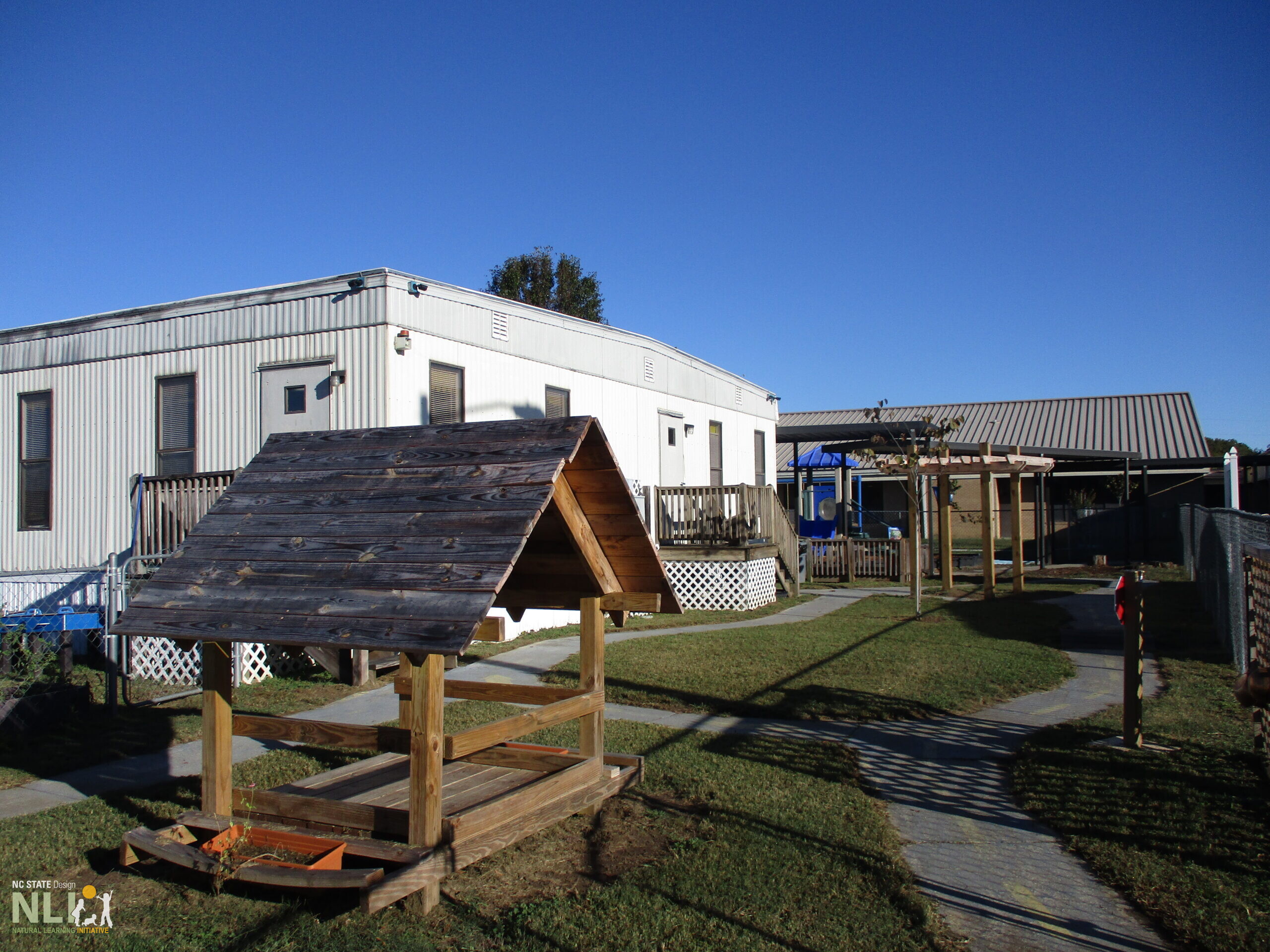
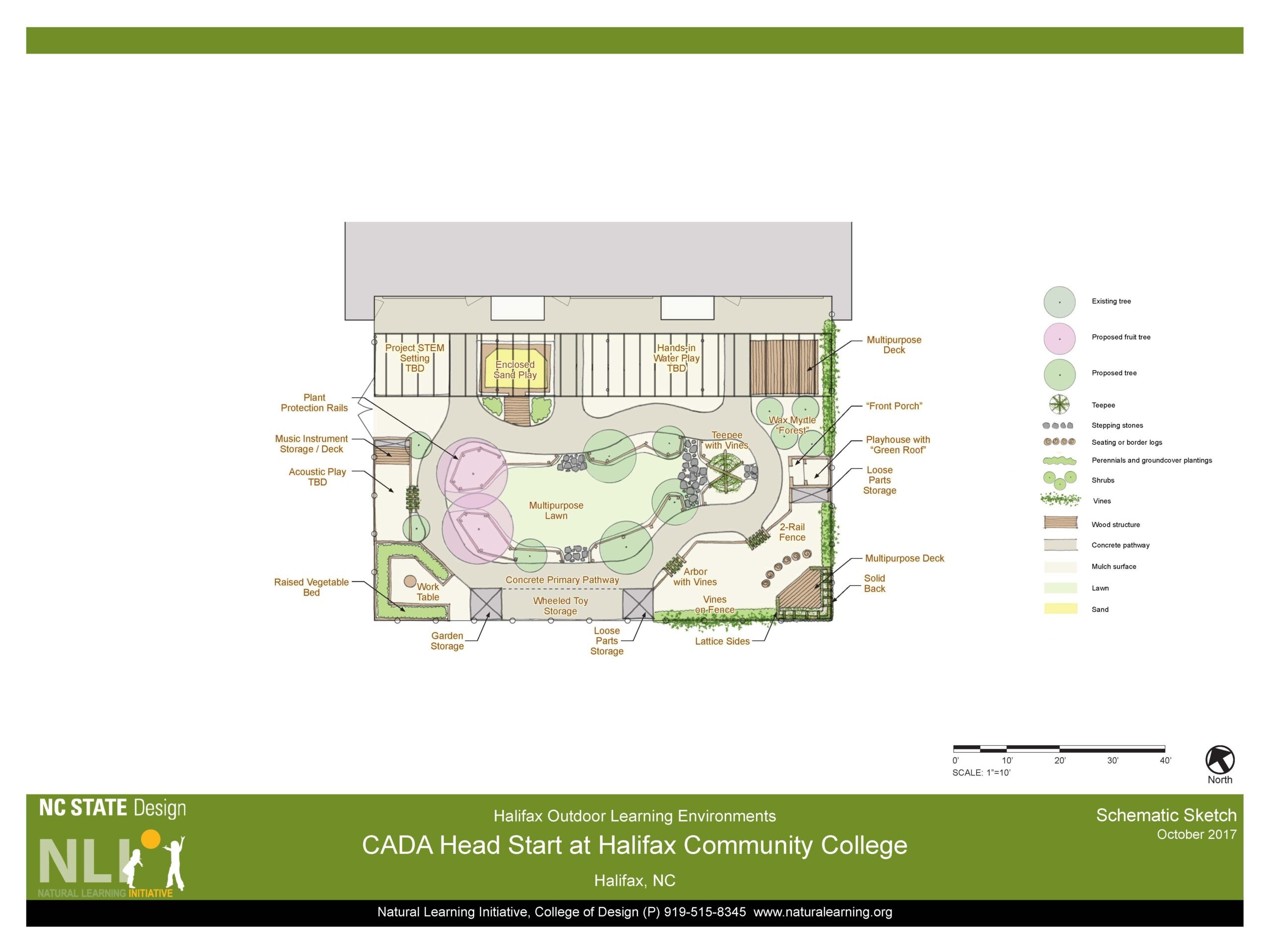
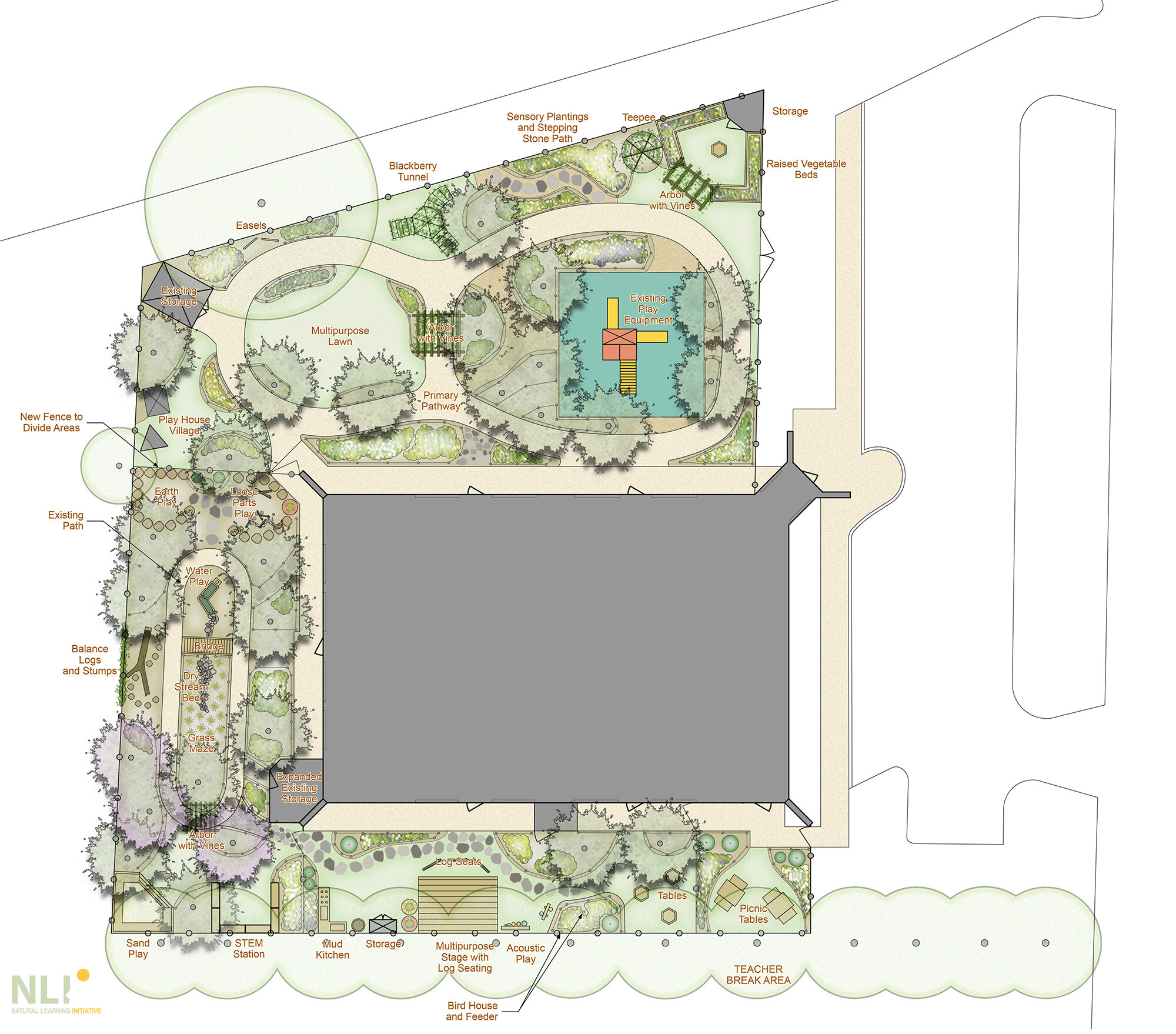
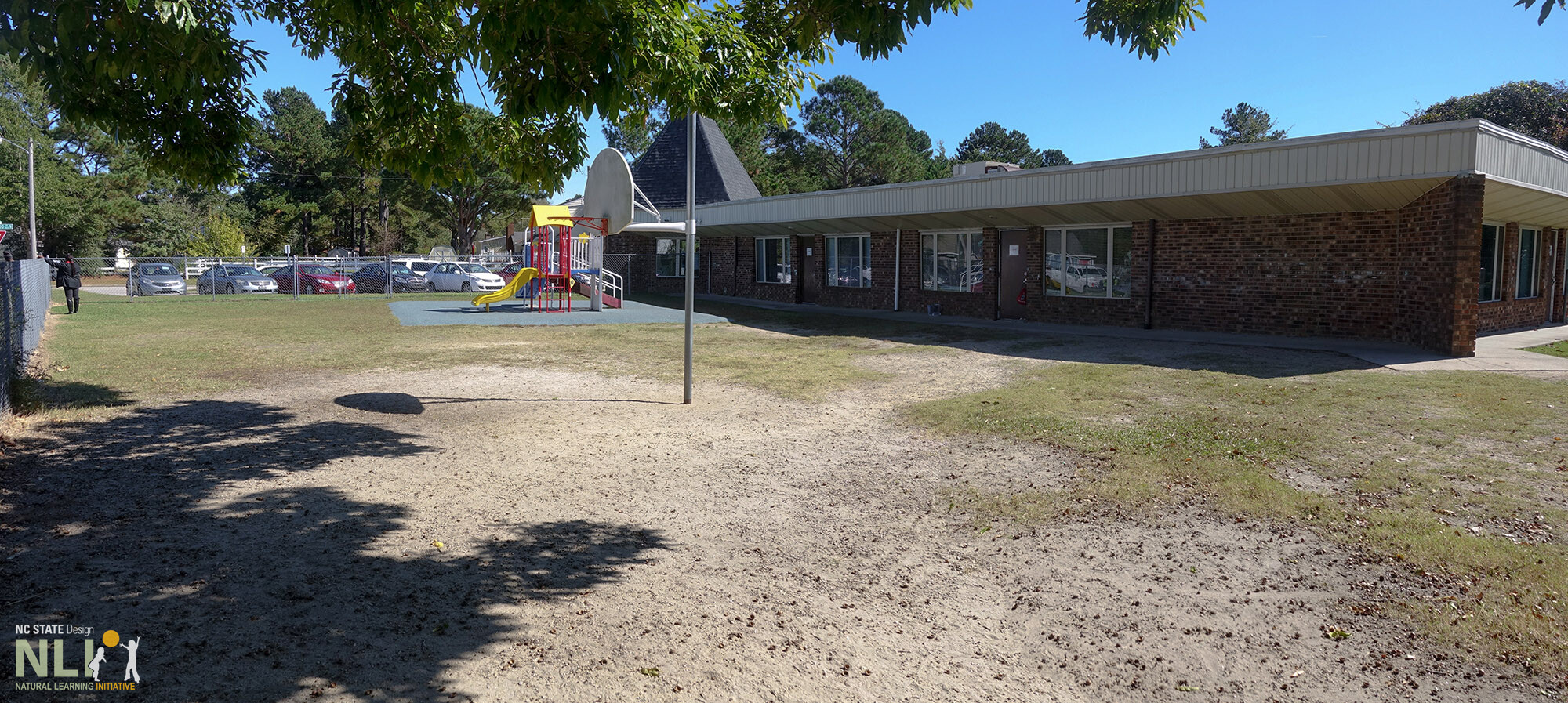
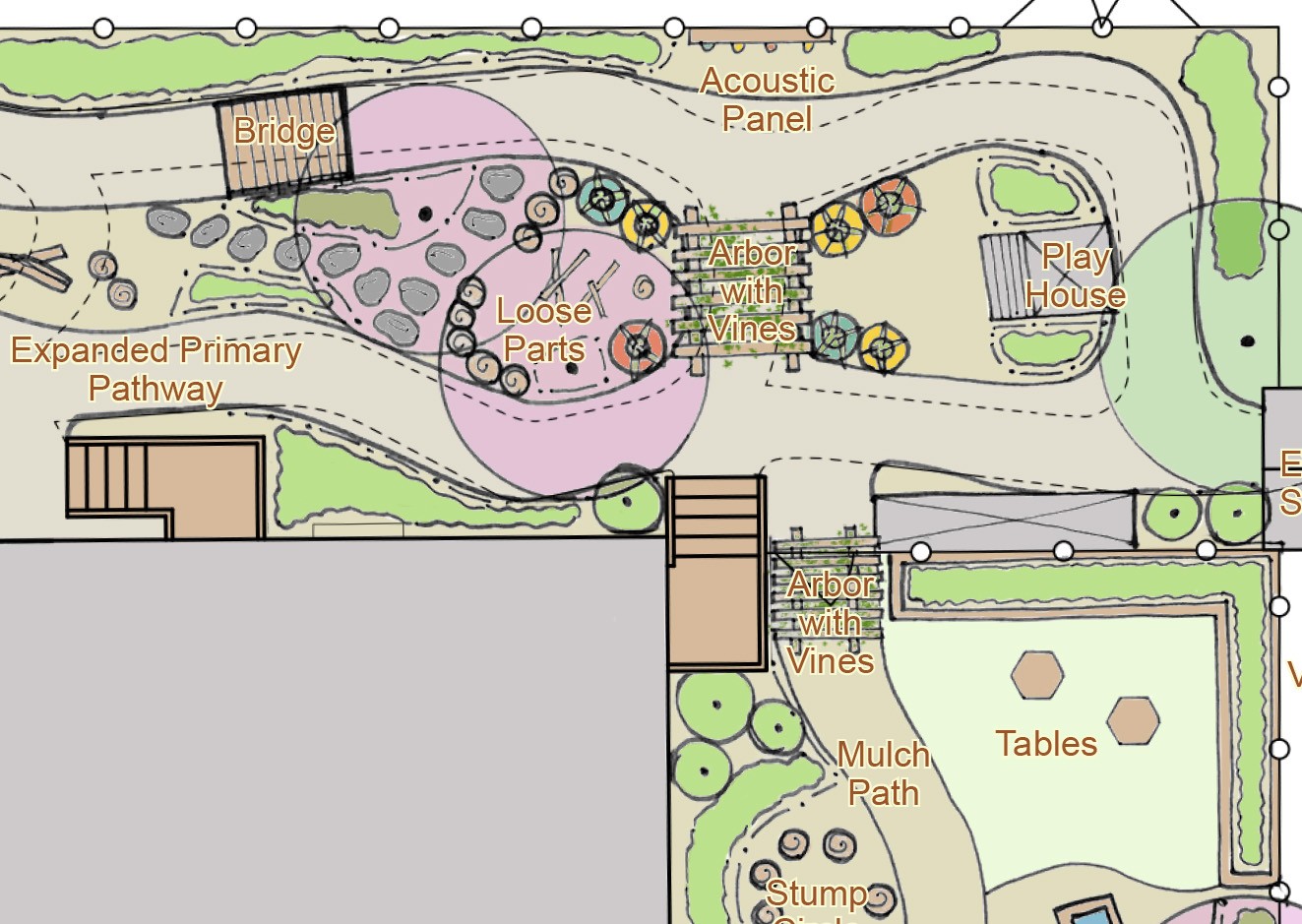
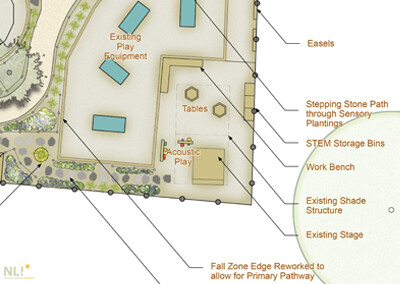
    CADA Head Start @ Halifax Community College has expanded their fence line and added a double gate to enlarge the outdoor environment for the children. A looped primary pathway was installed to encourage more physical activity. Trikes and wheeled toy storage, activity tables, a balance beam, an art wall, and a playhouse for dramatic play were added. Raised garden beds were installed for children to gain gardening skills and trees were planted to provide shade, aesthetics, and naturalization to the environment.

    Address: 200 College Drive, Weldon, NC 27890

    Phone Number: (252) 536-6385

    County: Halifax
    Local Partnership: Halifax-Warren Smart Start Partnership for Children

    NC Star Rating: 5

    Capacity: 45

    Schematic Master Plan

    CADA Head Start at Halifax Community College Design plan

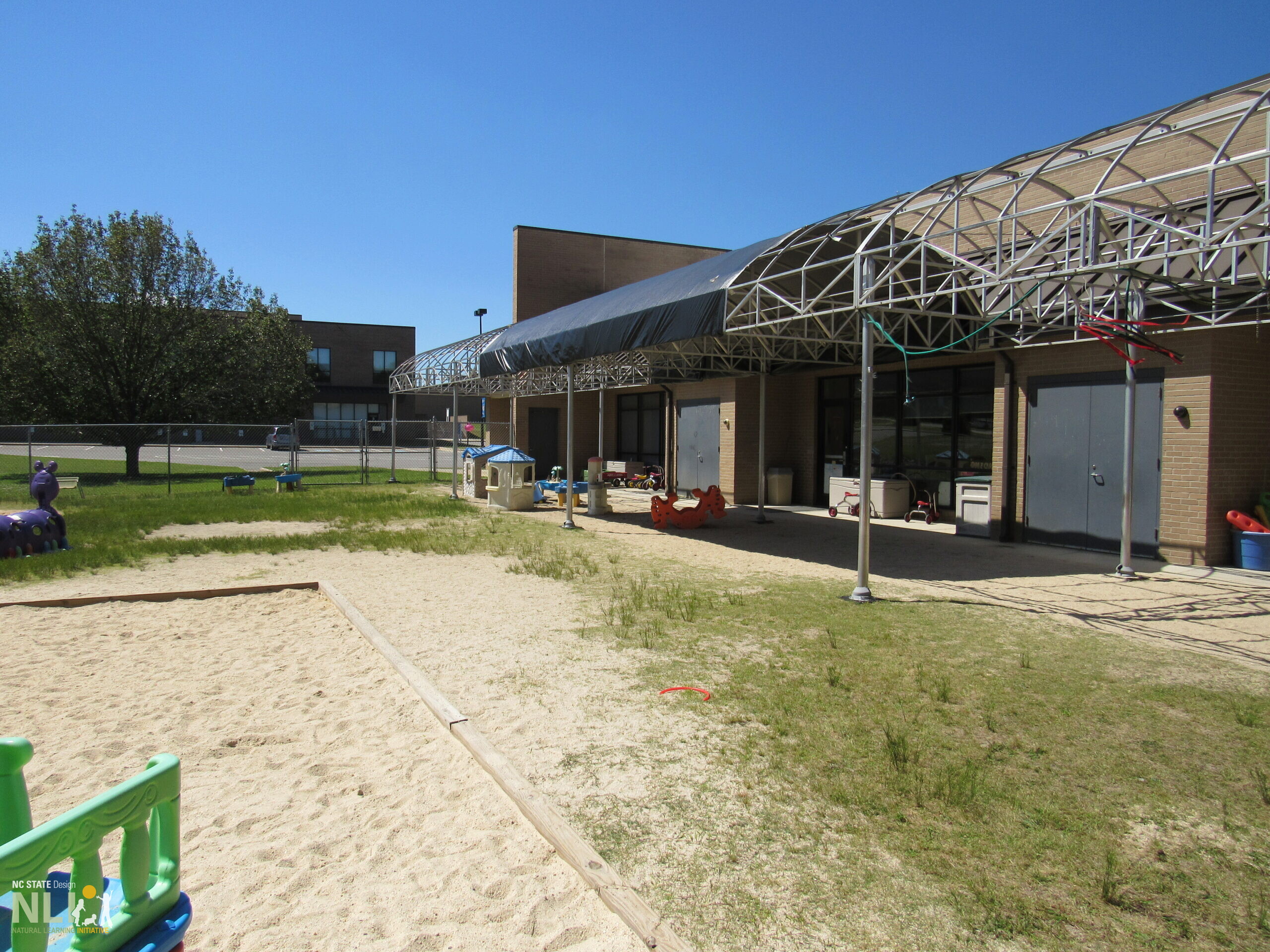
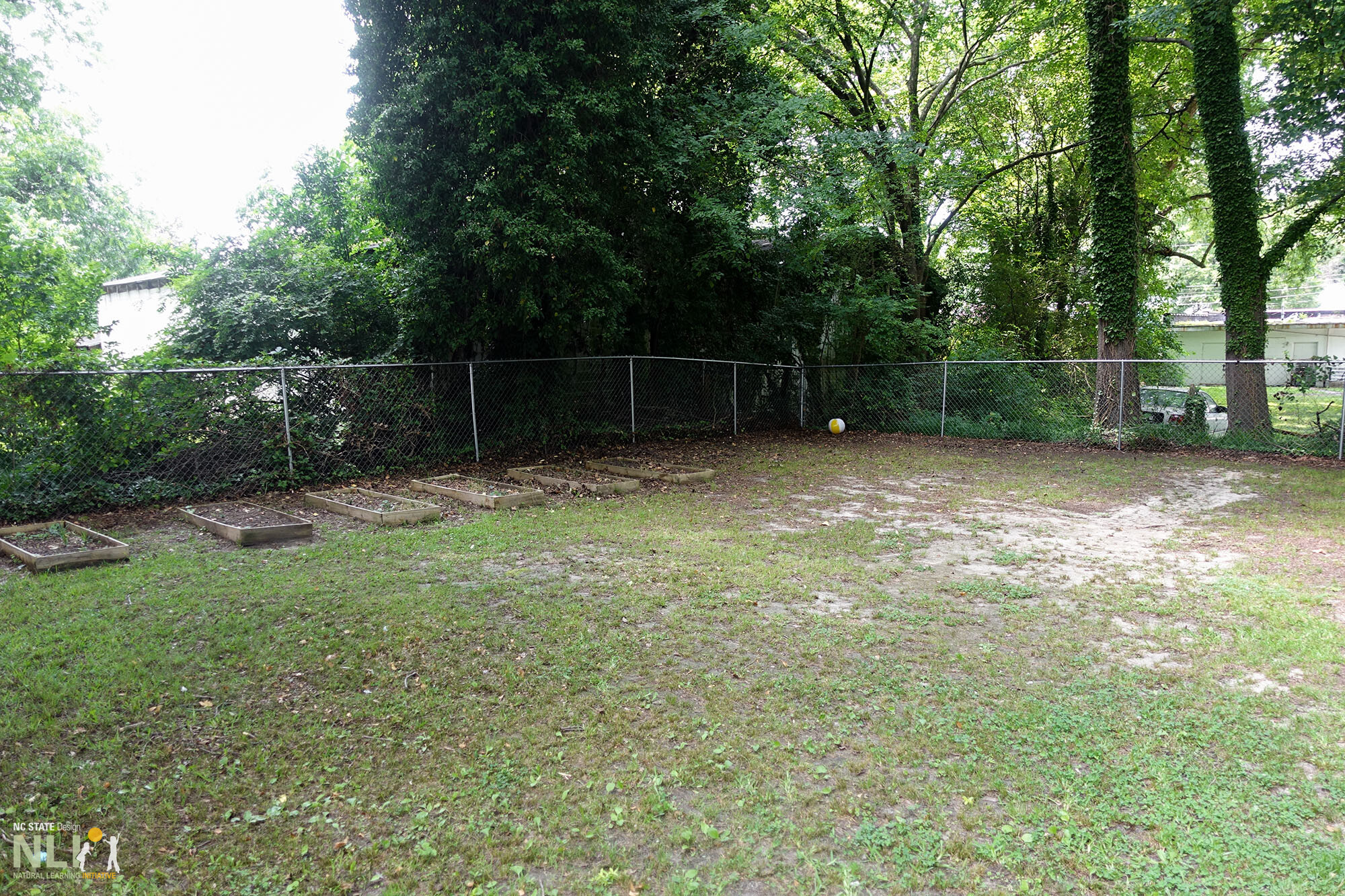
    Before Renovation

    before renovation showing undeveloped space

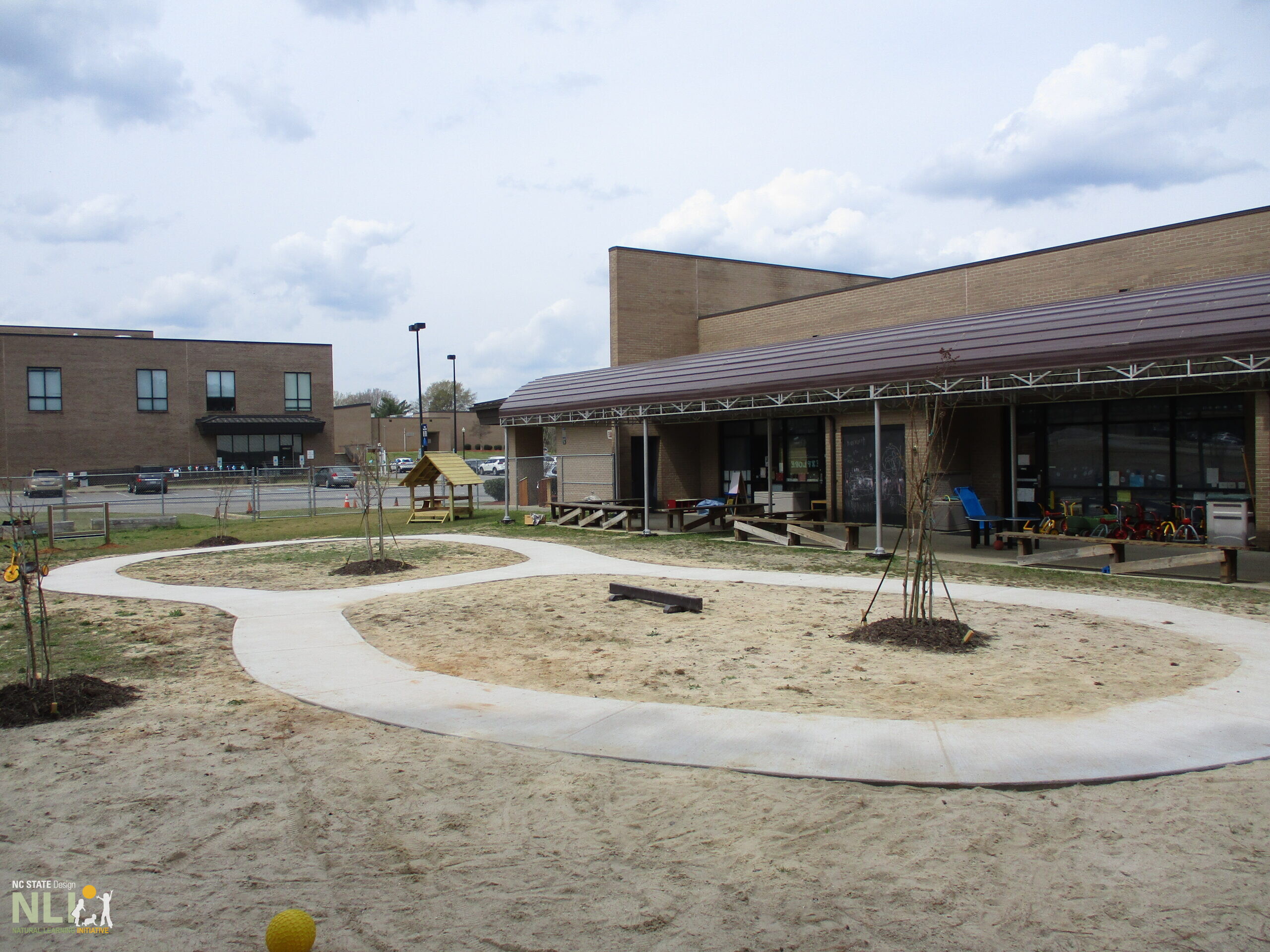
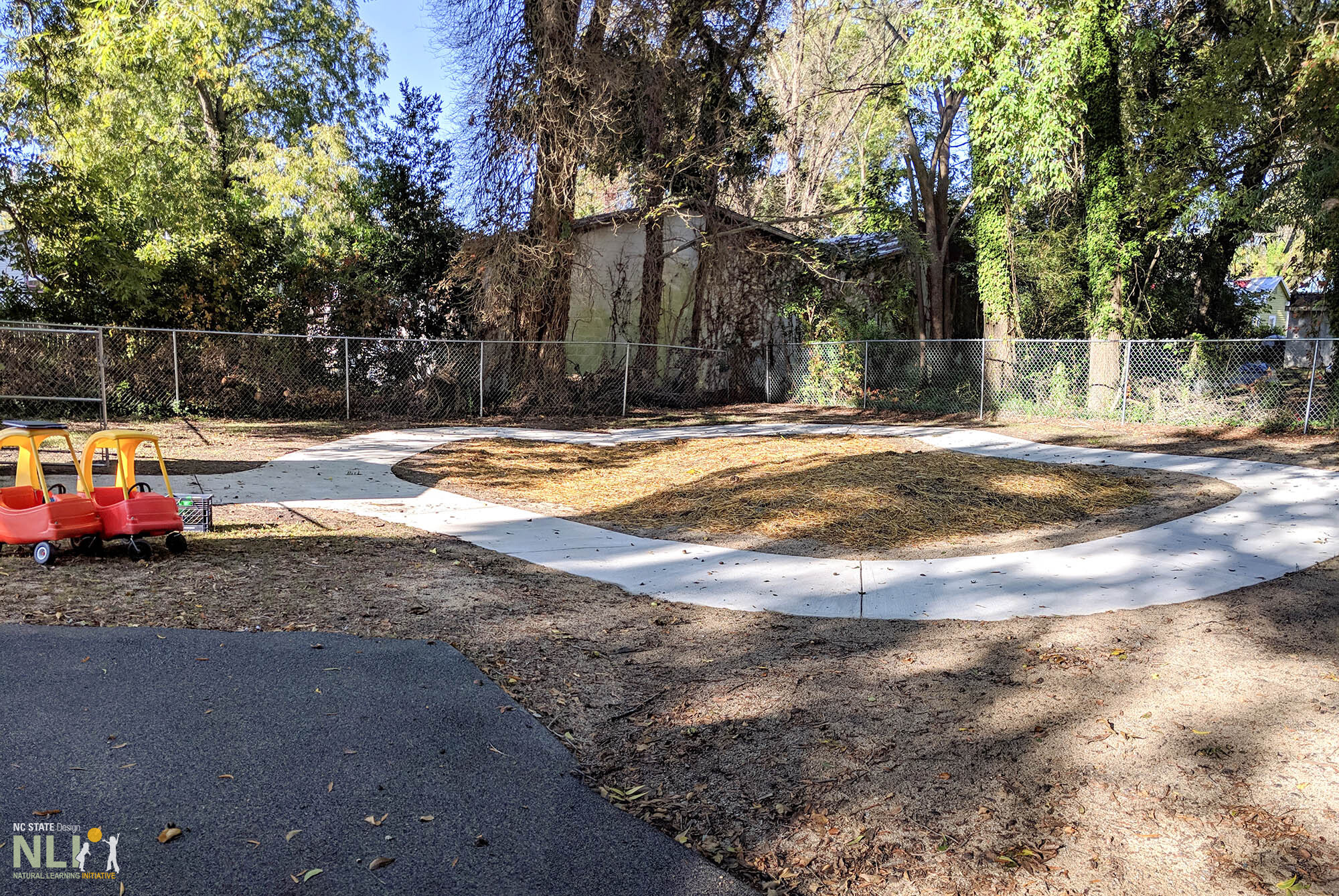
    After Renovation

    after renovation showing looping pathway
  • White Oak Head Start

    Healthy Habits, Healthy Kids

    White Oak Head Start

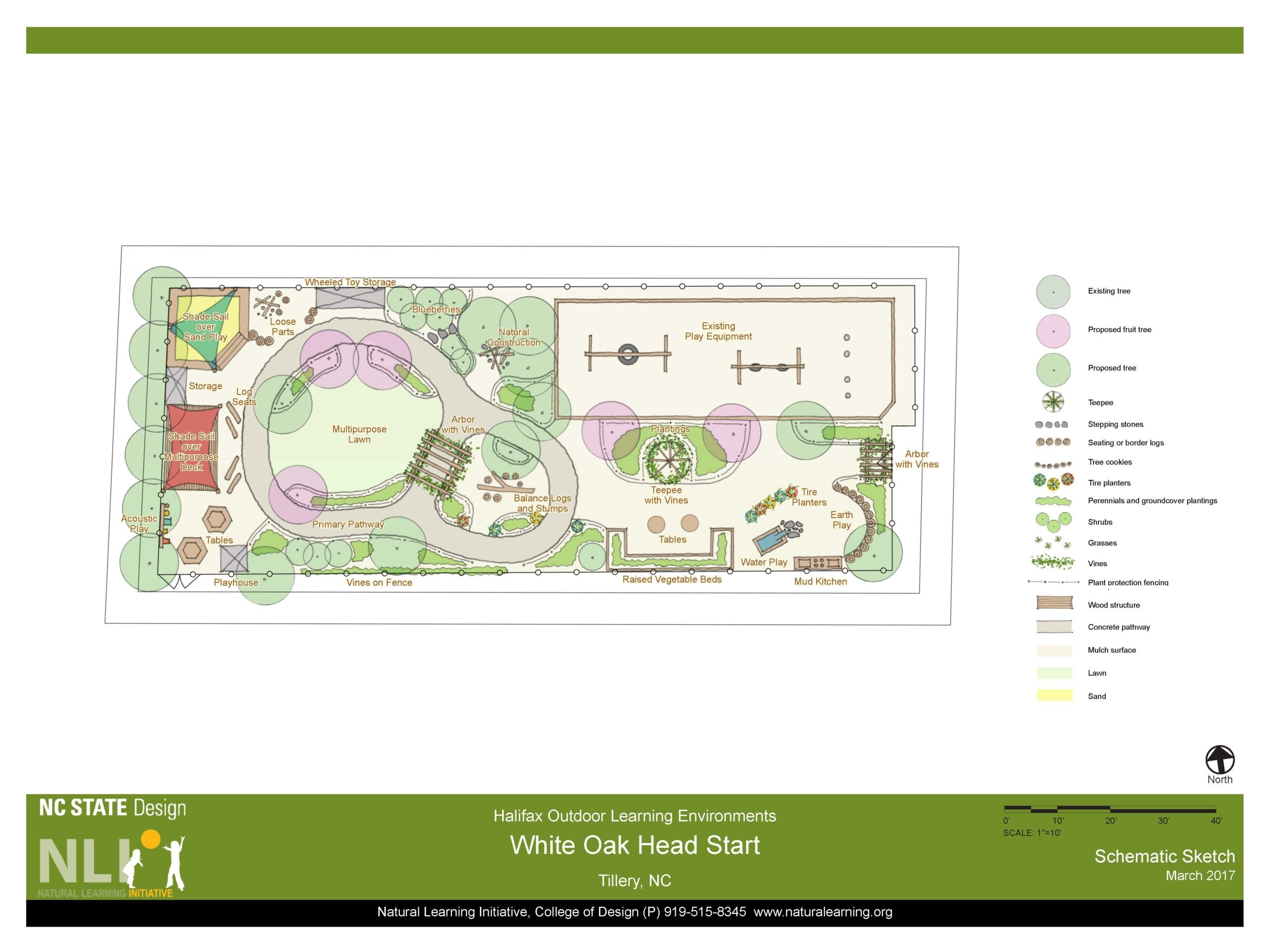
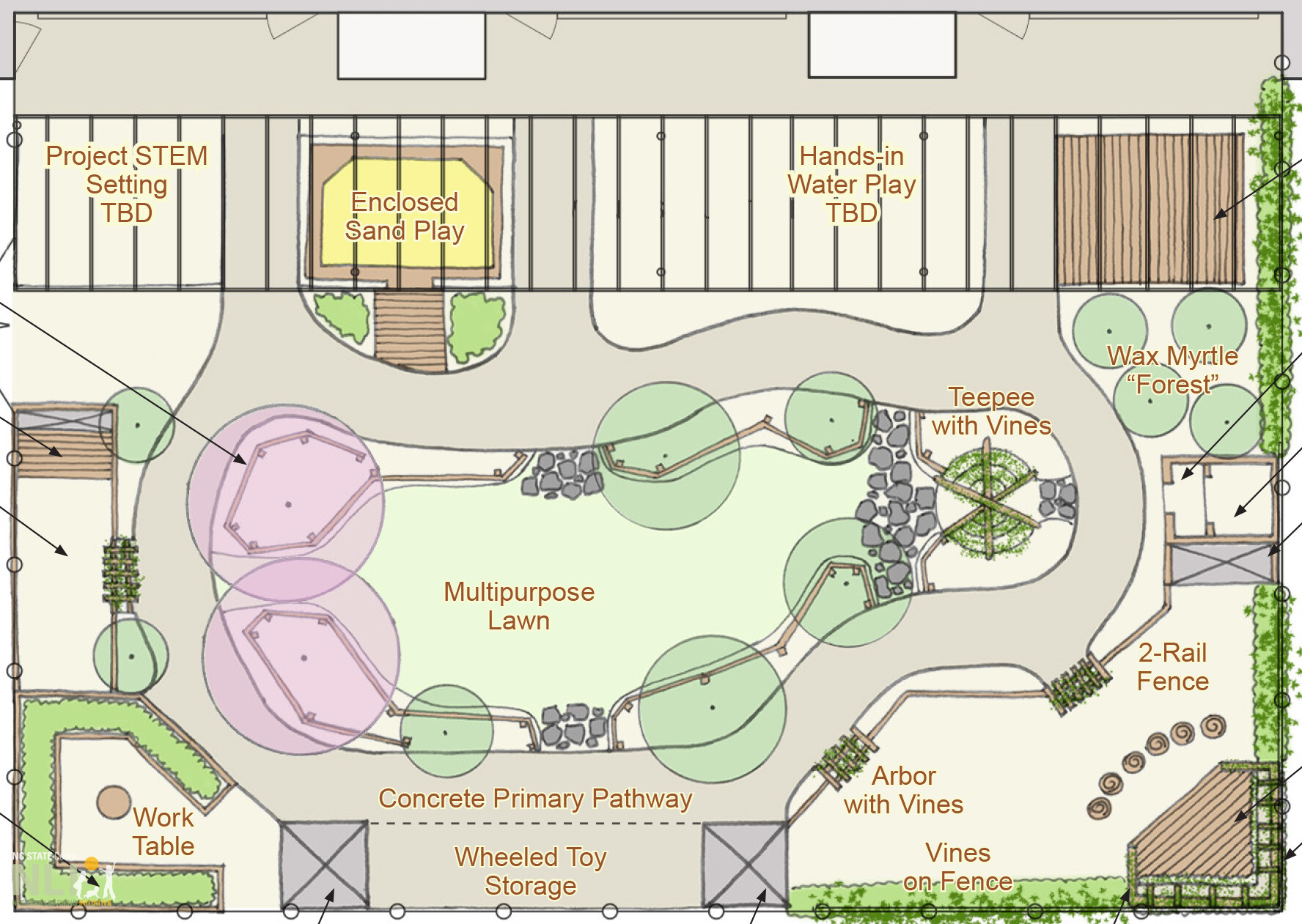
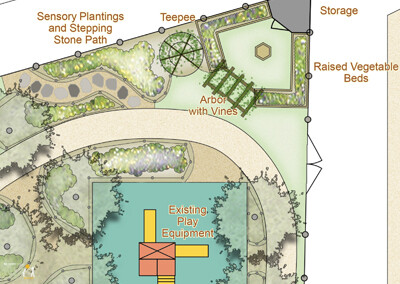
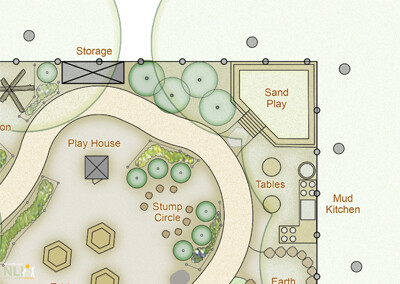
    At White Oak Head Start, located in Enfield NC, a newly constructed primary, double-looped pathway is at the center of all the settings and components in the outdoor space. Additions include a sand play area, teepee, mud kitchen, water play, acoustic play, and a low deck. Trikes, wheeled toy storage, a balance beam, toy storage shelves, a raised vegetable garden, and garden tables complement the newly improved natural environment.

    Address: 3090 Fishing Creek Road, Enfield, NC 27890

    Phone Number: (252) 445-4231

    County: Halifax
    Local Partnership: Halifax-Warren Smart Start Partnership for Children

    NC Star Rating: 4

    Capacity: 88

    Schematic Master Plan

    White Oak Head Start Design plan

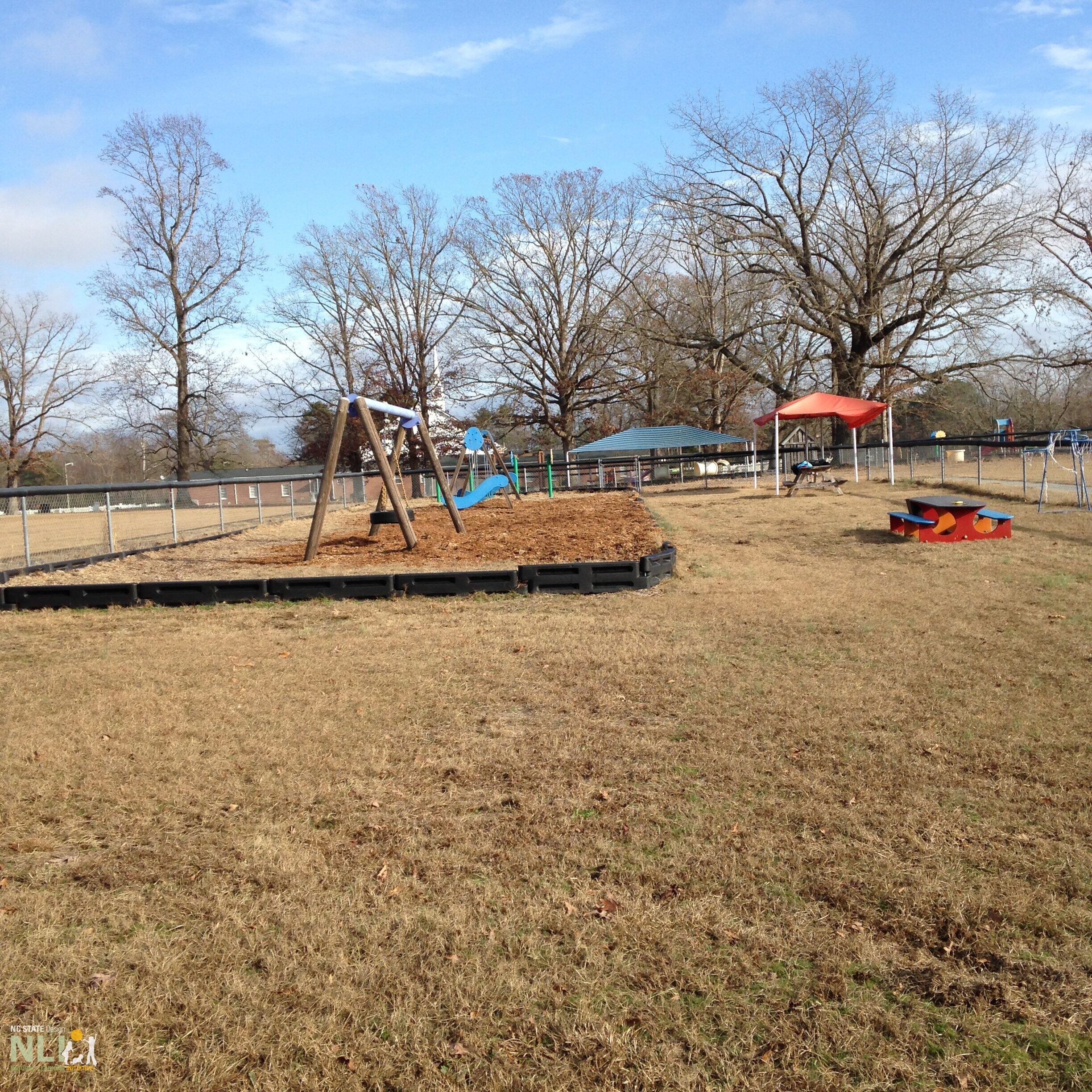
    Before Renovation

    before renovation showing existing play equipment

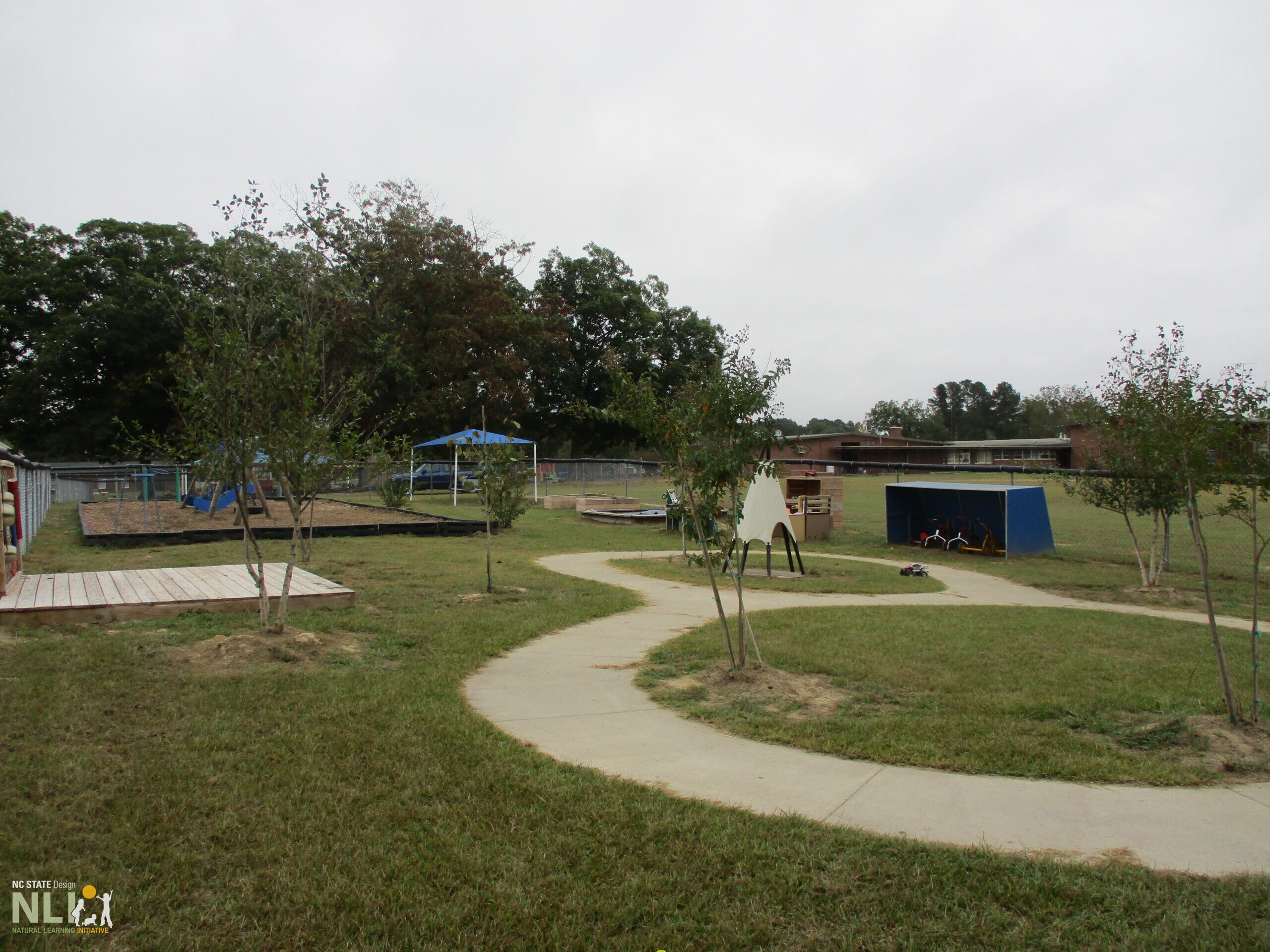
    After Renovation

    After Renovation showing Looping pathway
  • Head Start Station

    Shape NC

    Head Start Station

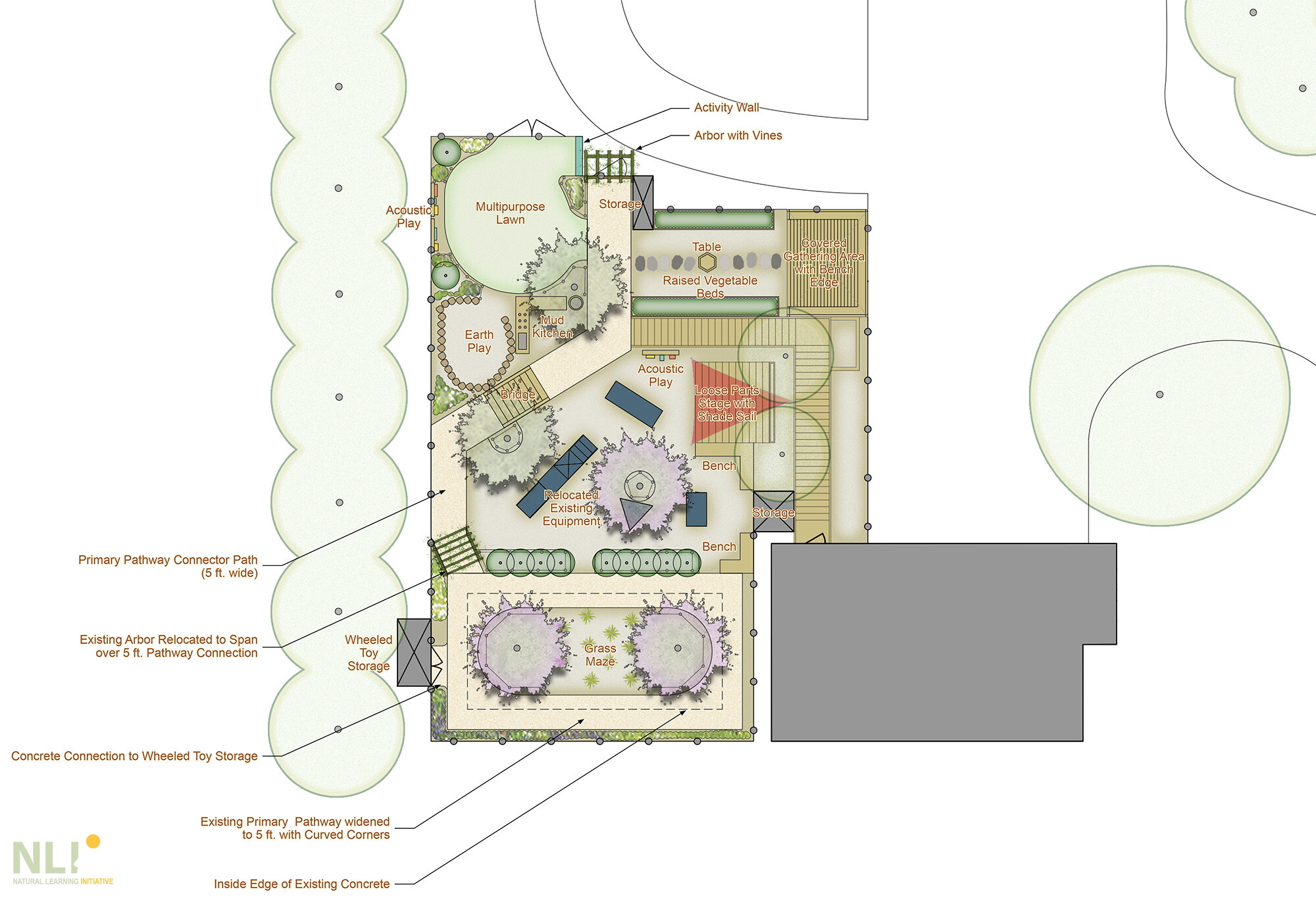
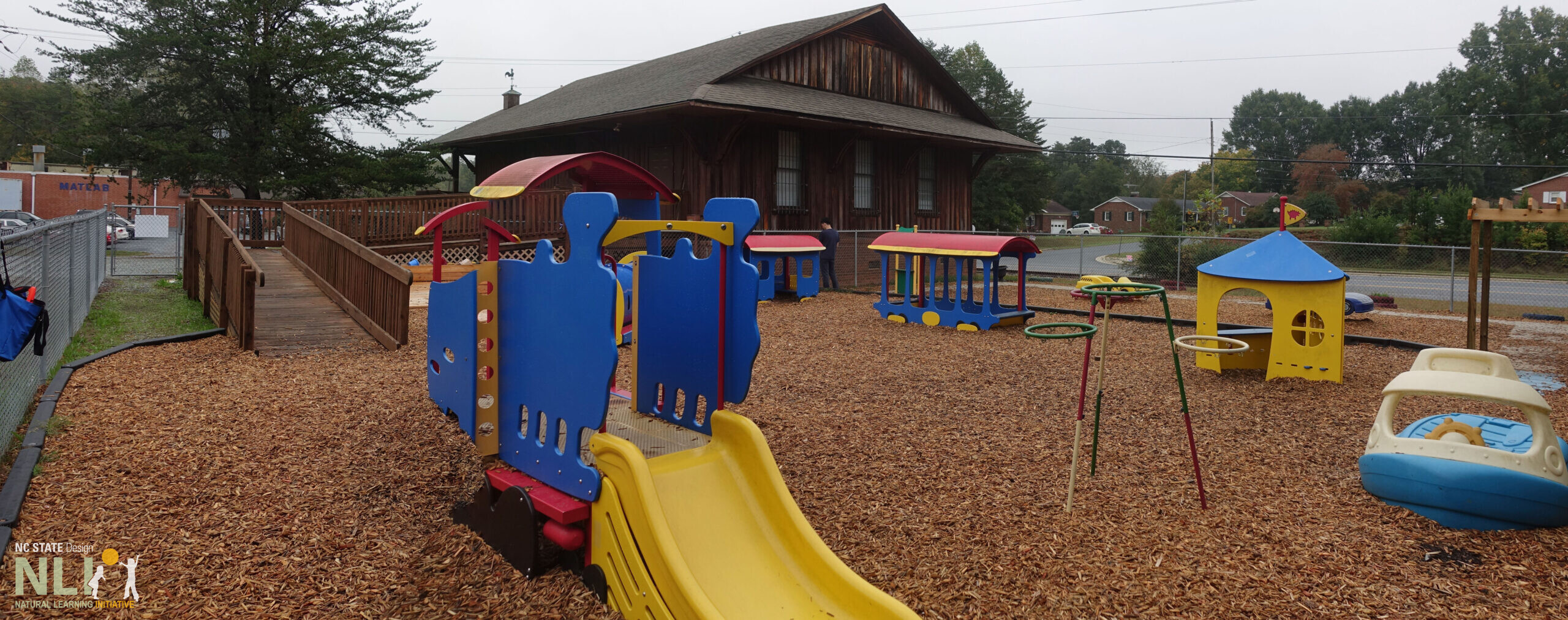
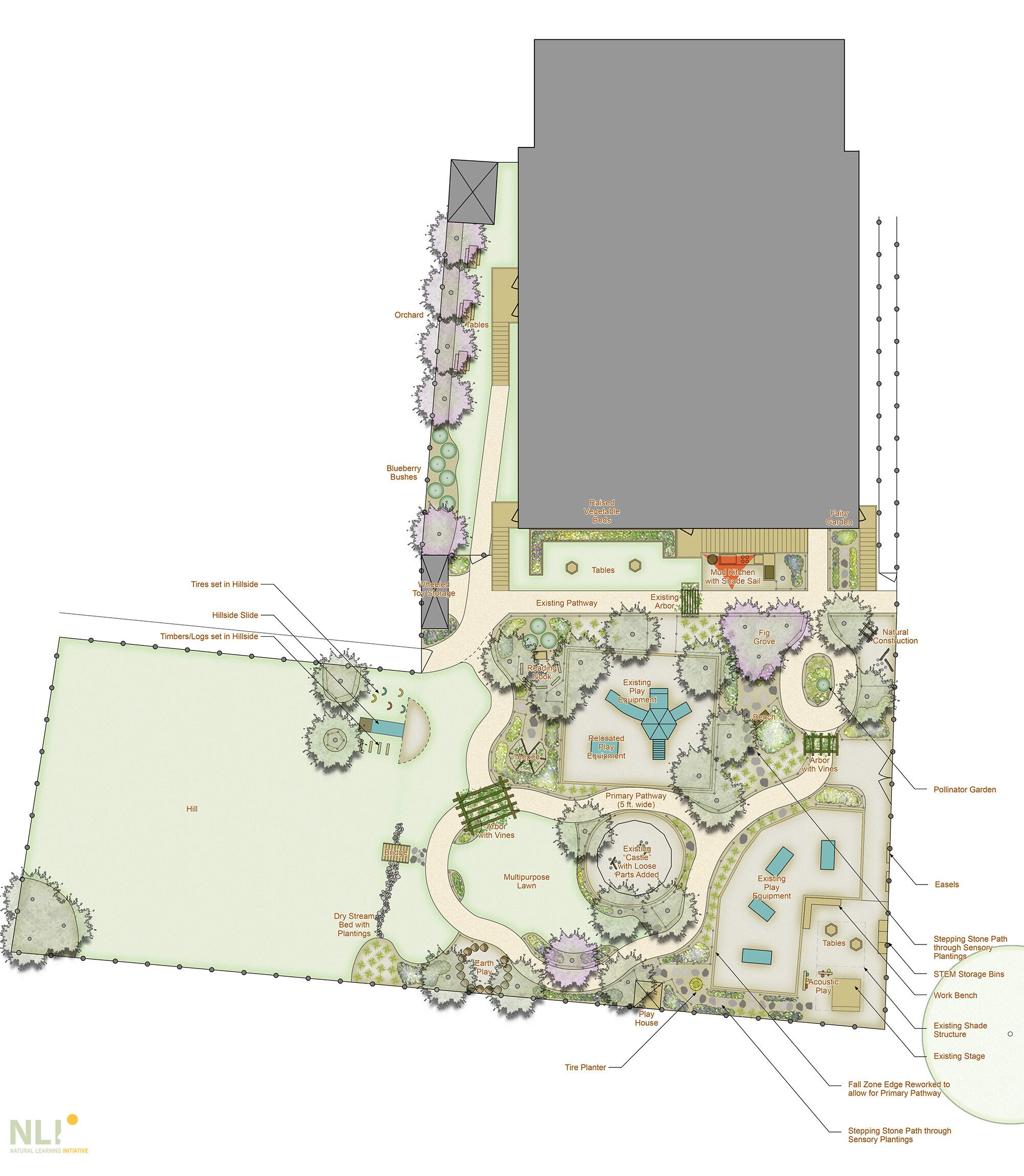
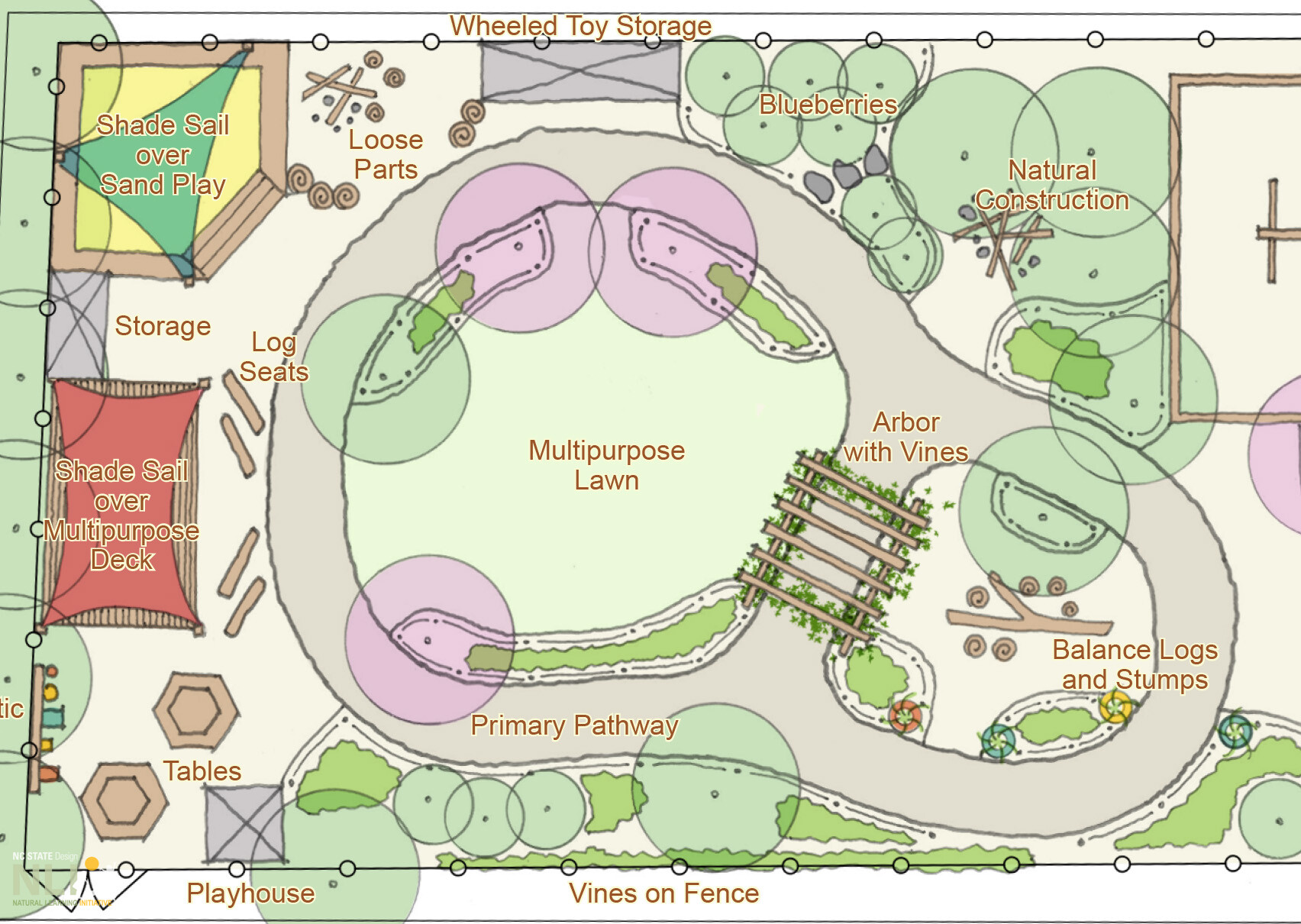
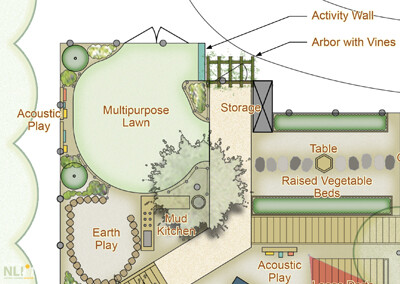
    Head Start Station, located in a historic train depot in Ramseur, NC, has reduced their existing equipment use zone and expanded their fenced area to add a multipurpose lawn and fruit and vegetable garden to give the children the chance to grow their own healthy snacks.  They also widened an existing 3’ wide primary pathway, to allow children to pass each other on wheeled toys, and they added a connector pathway to the building.

    A stage for dramatic play and mud kitchen allow for dramatic play opportunities, and acoustic and activity walls provide sensory experiences.  Recent plantings and the addition of a vine-covered arbor over the primary pathway help naturalize the space and add shade.

    Address: 7279 Jordan Road, Rameur, NC 27316

    Phone Number: (336) 672-5570

    County: Randolph
    Local Partnership: Randolph Partnership for Children

    NC Star Rating: 5

    Capacity: 30

    Schematic Master Plan (2020)

    Head Start Station design plan

    Before Renovation (2019)

    before renovation showing existing play space

    After Renovation (2021)

    after renovation showing newly added mud kitchen
  • Connie Redding Head Start

    Shape NC

    Connie Redding Head Start

    ​Connie Redding Head Start, located in Asheboro, NC, has diversified their outdoor learning environment into a space that encourages physical activity and imaginative play.  They have reduced their fall zone and reorganized existing equipment to make room for a large double looped primary pathway that weaves throughout the space.  They have also added a wheeled toy storage area to compliment their primary pathway.

    There are also several settings for creative play opportunities, including a fairy garden nook, a mud kitchen, and an art center.  Additionally, they have added small trees, vine-covered arbors, perennials, and grasses for increased shade and biodiversity.

    Address: 118 Virginia Ave Asheboro, NC 27203

    Phone Number: (336) 672-5570

    County: Randolph
    Local Partnership: Randolph Partnership for Children

    NC Star Rating: 5

    Capacity: 140

    Schematic Master Plan (2020)

    Connie Redding Head Start design plan

    Before Renovation (2017)

    before renovation showing existing play equipment

    After Renovation (2020)

    after renovation showing new looping pathway and existing equipment
  • Brentwood Head Start

    Shape NC

    Brentwood Head Start

    Brentwood Head Start added a large double looped primary pathway that runs around existing play equipment and connects to an existing storage area.  A raised fruit and vegetable garden, which occupies a sunny corner of their OLE, gives the children the opportunity to grow healthy food.  They have also planted fruit trees in their OLE.  

    A mud kitchen and acoustic play area provide other play and learning opportunities.  The center is also planning on installing an arbor over the primary pathway.

    Address: 1807 Brentwood Drive, Wilson, NC 27893

    Phone Number: (252) 234-0262

    County: Wilson
    Local Partnership: Wilson County Partnership for Children

    NC Star Rating: 4

    Capacity: 100

    Schematic Master Plan (2020)

    Brentwood Head Start design plan

    Before Renovation (2017)

    before renovation showing existing space

    After Renovation (2020)

    after renovation showing new looping pathway
  • Pine Street Head Start

    Shape NC

    Pine Street Head Start

    Pine Street Head Start in Wilson, NC, has transformed an open grassy area into a diverse outdoor learning environment (OLE).  They have added a curvy, looping primary pathway, and relocated an existing shed so that it opens into the OLE for easy access for wheeled toys and loose parts.

    They have also added a mud kitchen for children to experiment with natural materials through dramatic play.  Fruit trees and an arbor with vines help naturalize the space, and a raised garden gives the children the chance to experiment with growing fruits and vegetables.

    Address: 207 Pine St. NE, Wilson, NC 27893

    Phone Number: (252) 206-1909

    County: Wilson
    Local Partnership: Wilson County Partnership for Children

    NC Star Rating: 5

    Capacity: 65

    Schematic Master Plan (2020)

    Pine Street Head Start design plan

    Before Renovation (2018)

    before renovation showing undeveloped space

    After Renovation (2020)

    after renovation showing new looping pathway
  • Halifax Community College: CADA Head Start

    POD 4

    Halifax Community College: CADA Head Start

    • Phase one of implementation is complete.
    • The fence line was moved to expand the OLE and old play equipment has been removed.
    • Site work and grading has been done to remove excess sand and rubber tire mulch.
    • New installations include project area deck, outdoor classroom deck, STEM deck, and a sand play area.

    Address: 200 College Drive, Weldon, NC 27890
    Phone: (252) 536-6385
    Website: View
    Director: Latasha Brown
    NC Star Rating: 5
    Capacity: 45

    Schematic Master Plan (2018)

    Halifax Community College: CADA Head Start thumbnail

    Community Presentation and Site Visit

    robin moore presenting to halifax