Partners include community college faculty, early childhood technical assistance providers, childcare center owners and staff, the NC Division of Child Development and Early Education (DCDEE), and the NC Institute of Child Development Professionals (NCICDP).
Building on evaluation results and lessons learned from prior POD projects, evidence-based, implementation strategies are applied to renovate and enhance the outdoor learning environment (OLE) of community college child development centers. Key strategies include:
Using the NLI Childcare Outdoor Learning Environment Quality Tool (COLEQT) to measure OLE Best Practice Indicators;
Integration of the NLI online Higher Education OLE Module system into the NC Community College Curriculum Library for use by instructors;
Establishment of Community College Childcare OLE Demonstration Sites for onsite student training and post-professional development programs;
Creation of two NLI Certificate Programs, offered through NC State University McKimmon Center for Extension and Continuing Education:
Early Childhood Outdoor Learning Environments Certificate for early childhood educators.
Designing Early Childhood Outdoor Environments Certificate for landscape designers.
The Preventing Obesity by Design (POD) Certificate Program transfers knowledge about participatory design processes and tools to improve childcare outdoor learning environments with the objective of supporting healthy, active lifestyles, and learning in nature for young children.
The certificate is delivered as a hybrid model. Distance education through the Center for Continuing Education, McKimmon Center, Office of Professional Development, offers the certificate as a non-credit education opportunity. A face-to-face education session is conducted in association with the NLI Annual Design Institute, and as pre-conference activities at the NCAEYC and SmartStart Annual conferences.
The OLE Certificate Program is comprised of units based on the Outdoor Learning Environment Toolkit guide with an emphasis on the implementation of best practice indicators, including:
Review of latest environment and behavior research regarding healthy outdoor spaces at childcare.
Preventing Obesity by Design (POD) overview. Program mission, history, process, and areas of activity.
Best Practice Indicators. Part 1. Describes 6 (out of 12) best practice and incremental development steps to create high quality outdoor learning environments.
Best Practice Indicators. Part 2. Describes 6 (out of 12) best practice and incremental development steps to create high quality outdoor learning environments
Implementing the vision. Describes step-by-step process from site documentation to master plan production.
Managing Site Naturalization. Explains fundamental tasks involved in managing naturalization.
Community Engagement and Fundraising. Describes the process of building community support and generating financial support and non-monetary resources to implement POD initiatives.
Final Project. Facilitates the application of concepts and processes to implement a POD project using participatory design processes.
Certificate program qualifies for NC State University McKimmon Center Continuing Education Units (CEUs).
OLE Best Practice Indicator Scale coding with feedback The OLE Best Practice Indicator Scale helps early childhood educators and other professionals to visualize levels of development of OLE sites providing visual and written feedback. Online tutorials and videoclips show affordable solutions, and demonstrate appropriate management practices.
Online OLE Higher Education Modules Modules developed by POD3 for Higher Education Institutions are available for academic institutions beyond the Community College Online Syllabus Library through a dedicated website containing online tutorials and link to educational resources.
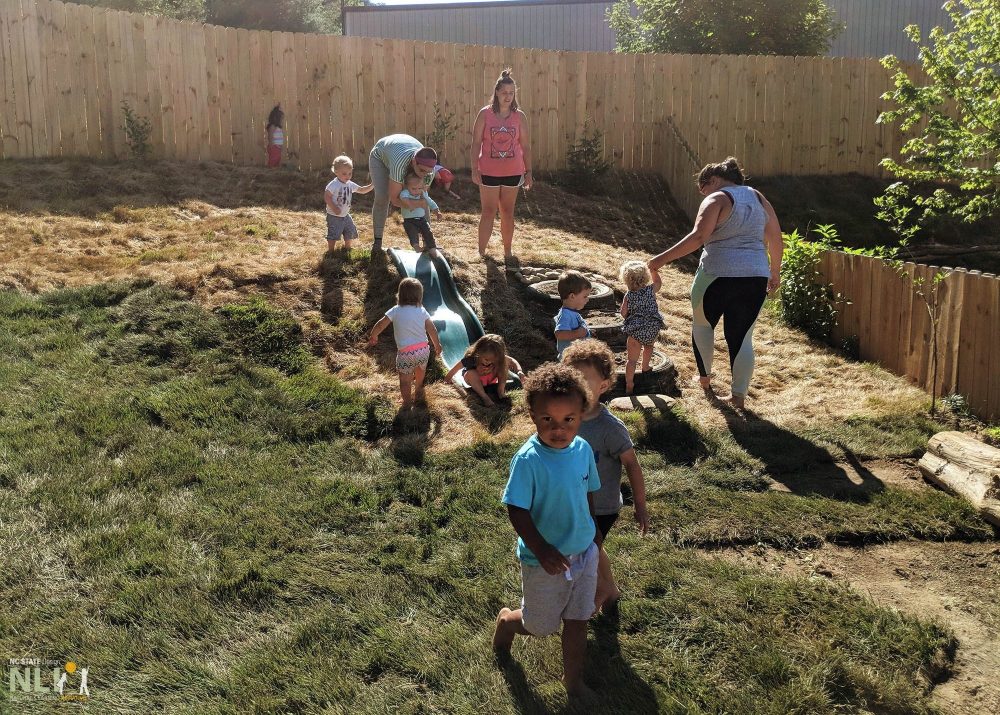
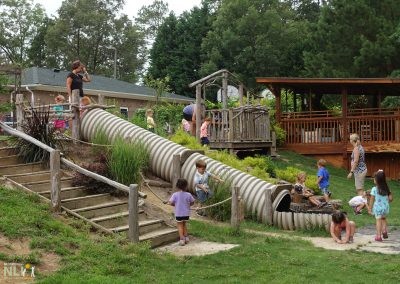
Demonstration Sites at Community Colleges As a follow up of the POD3 Community College component and the creation of Professional Development Modules for Higher Education, POD4 supports seven Demonstration Sites at Community Colleges for the benefit of enrolled children, instructors, and students, who learn first hand about the importance of OLEs for healthy child development.
Preventing Obesity by Design (POD) Certificate Program The Preventing Obesity by Design (POD) Certificate Program transfers knowledge about participatory design processes and tools to improve childcare outdoor learning environments with the objective of supporting healthy, active lifestyles, and learning in nature for young children. The program emphasizes the implementation of best practices for healthy childhood environments and provide participants with continuing education credit.
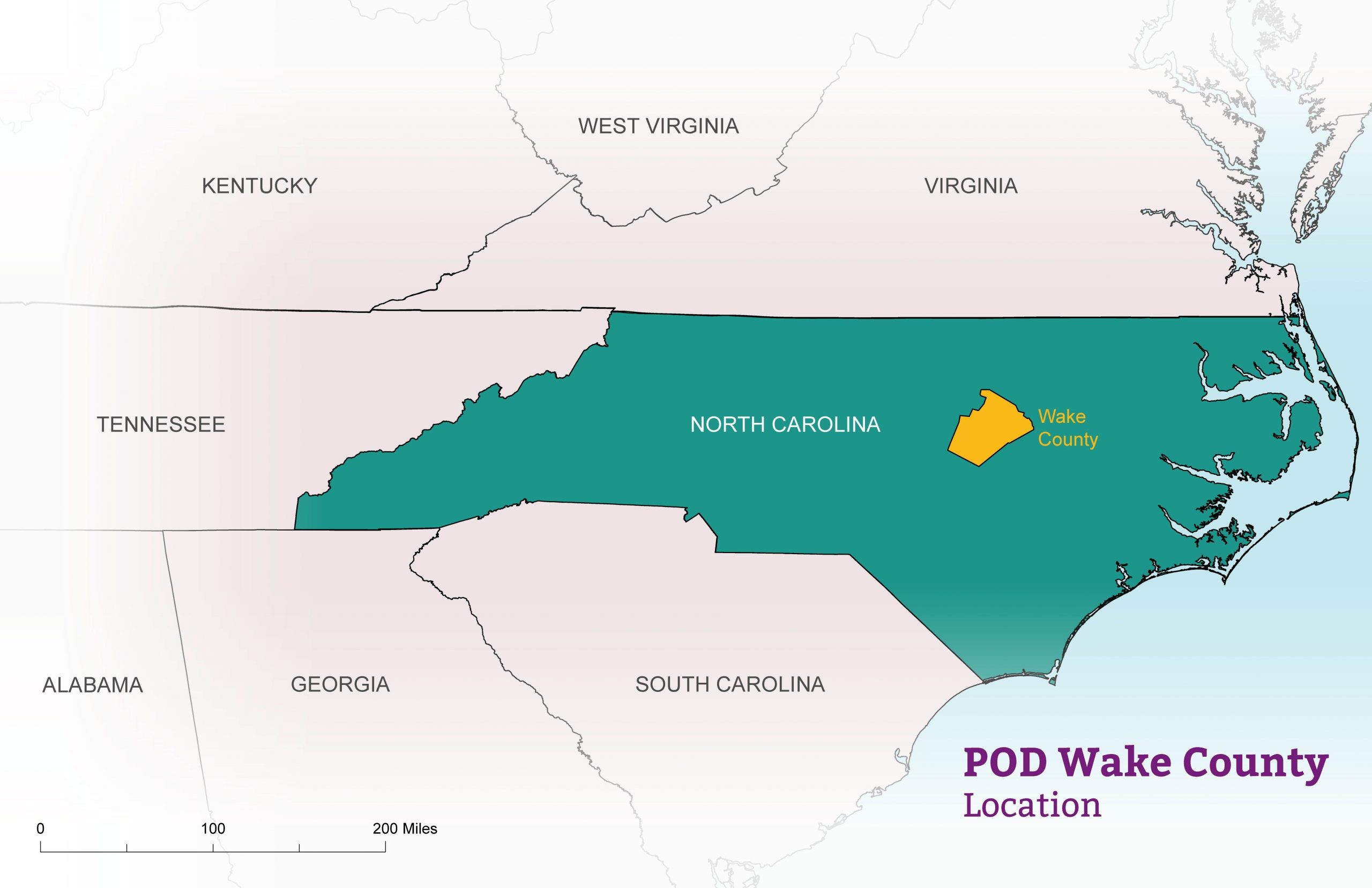
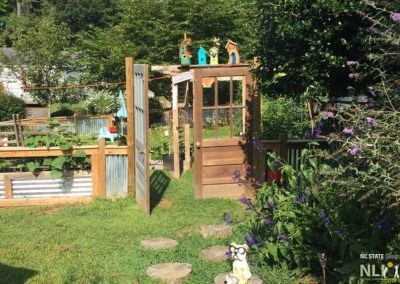
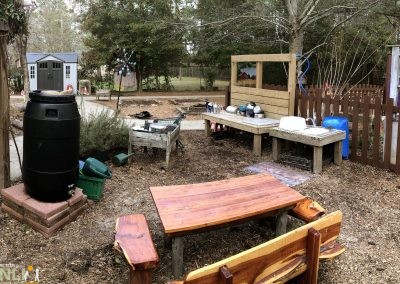
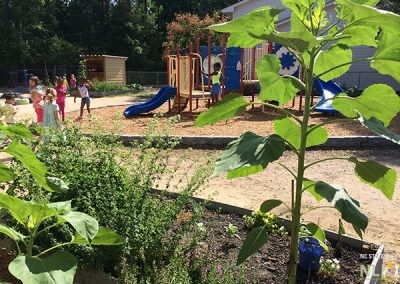
Creation of outdoor learning environment demonstration sites in Wake County through participatory design processes, training, site management, and community engagement and fundraising support.
Technical assistance to convert unattractive “playgrounds” devoid of nature into productive OLEs for children, families, and the community.
Study tours and interactive training at demonstration sites.
Interactive design sessions twice a year to engage additional centers (60 centers by the end of the project).
Evaluation process to measure environmental and behavioral changes including attitudes towards outdoor activities by childcare providers.
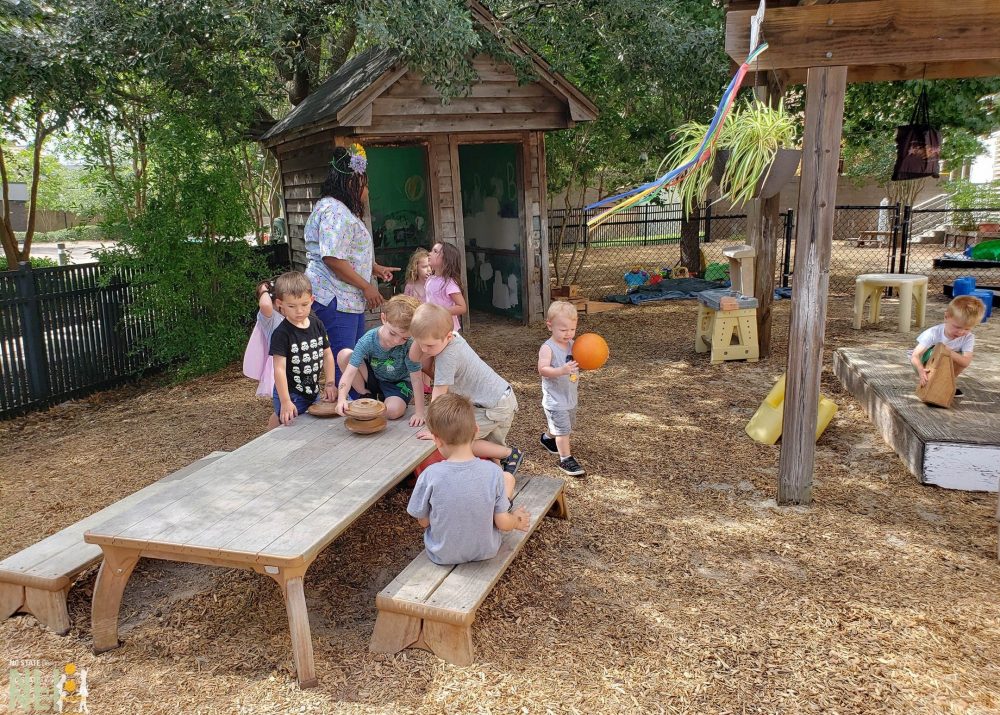
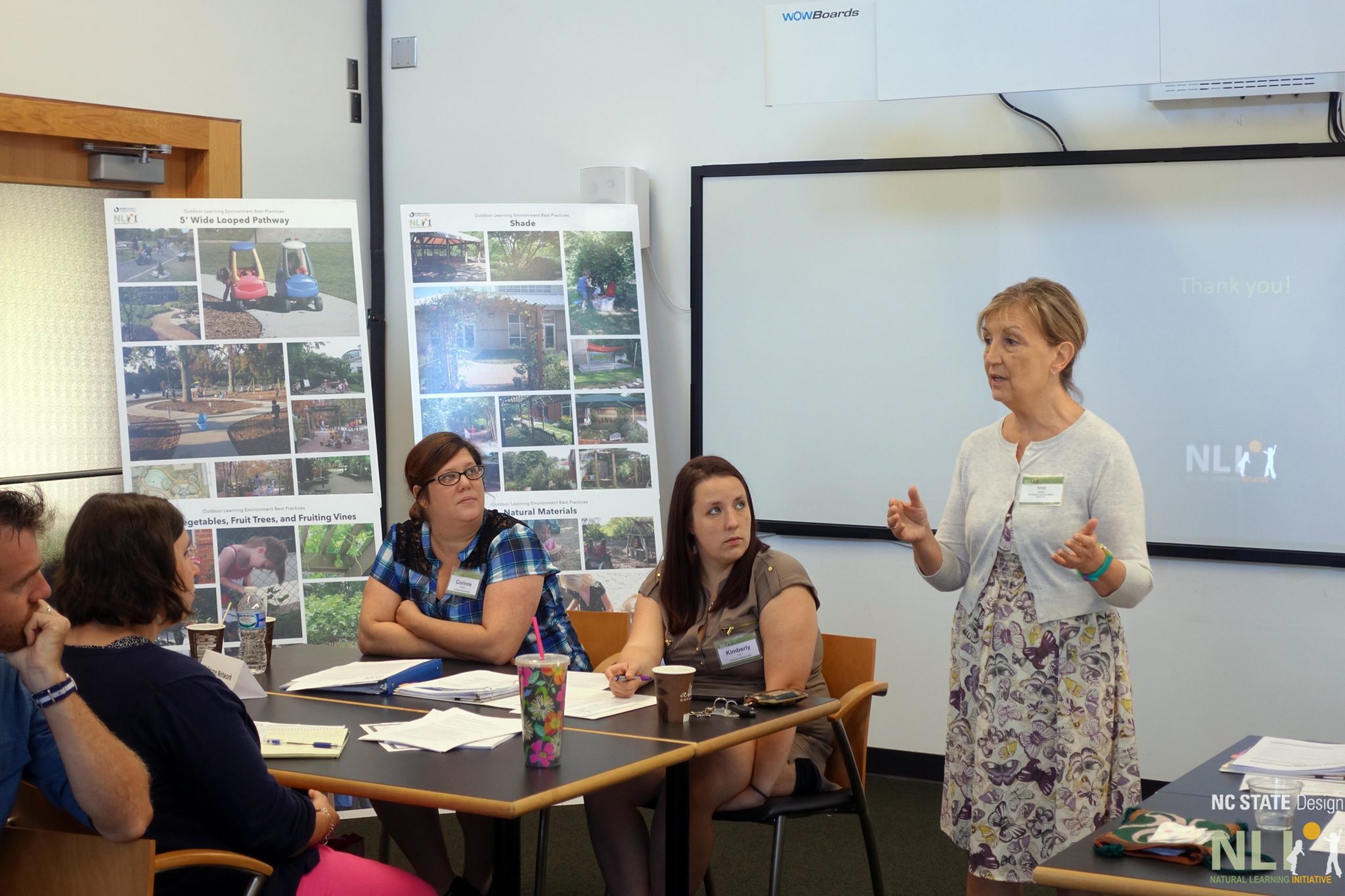
At the POD Wake County Design Workshops, childcare centers come together to better understand why young children benefit from spending time outside and how to make changes to their OLEs.
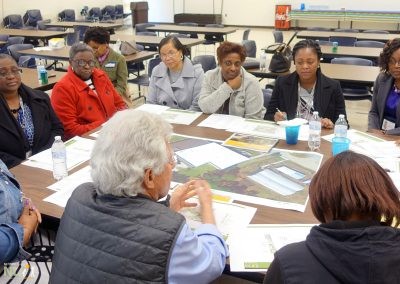
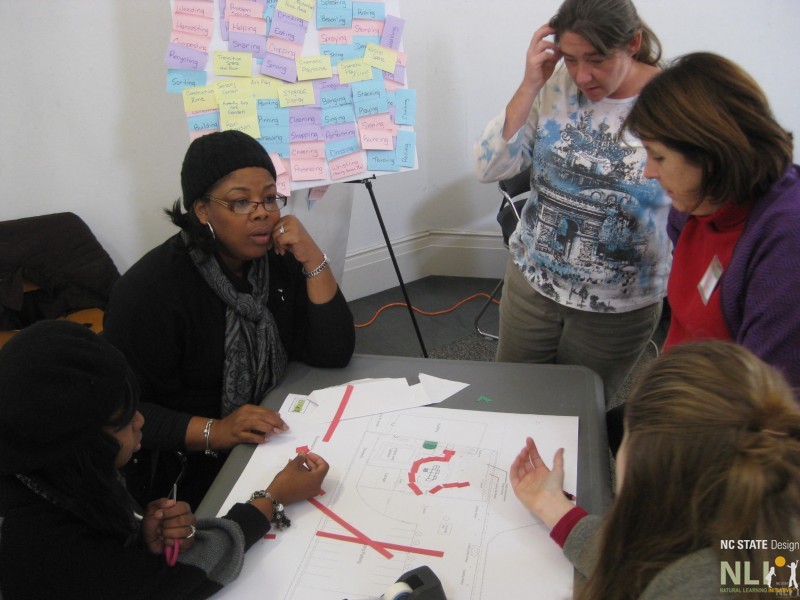
The sessions are a combination of presentations and hands-on activities and are the beginning of the POD process. The center owner, director, and/or staff along with an NLI design professional work using construction paper cut-outs to envision the center’s new OLE design following design best practices that promote physical activity, healthy eating, and learning.
In 2012, NLI partner Advocates for Health in Action (AHA) joined us at the first POD Wake County design workshop.
I gained a better understanding in how an OLE is designed. Putting ideas on paper, using visuals to design a plan and brainstorming. Sometimes just talking through an idea can create a better, a larger or a more desirable outcome.
I am a hands on person so actually doing the design put the whole process into perspective.
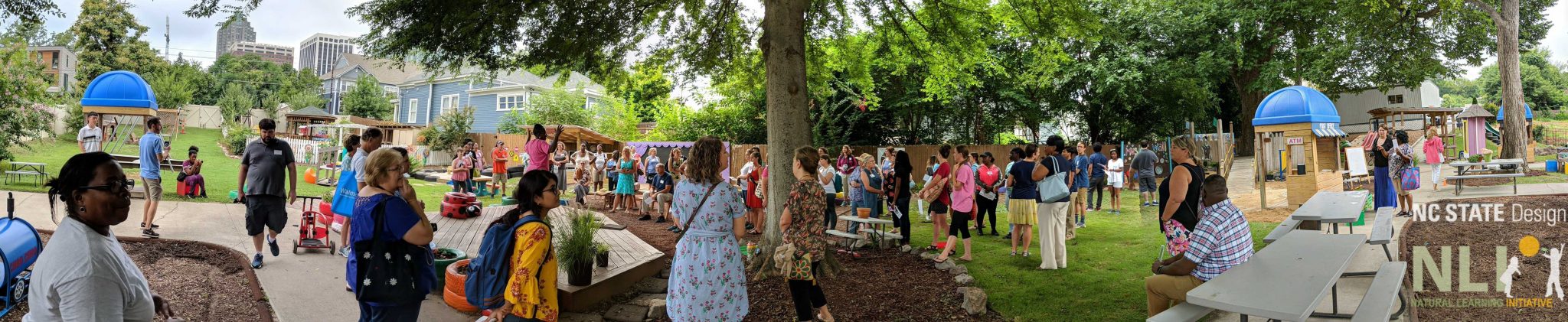
On November 1, 2014 more than 55 childcare teachers, center directors, and owners came together at Heather Park Child Development Center for an introduction to POD-Wake Co. demonstration center network and to the benefits of connecting young children to nature.
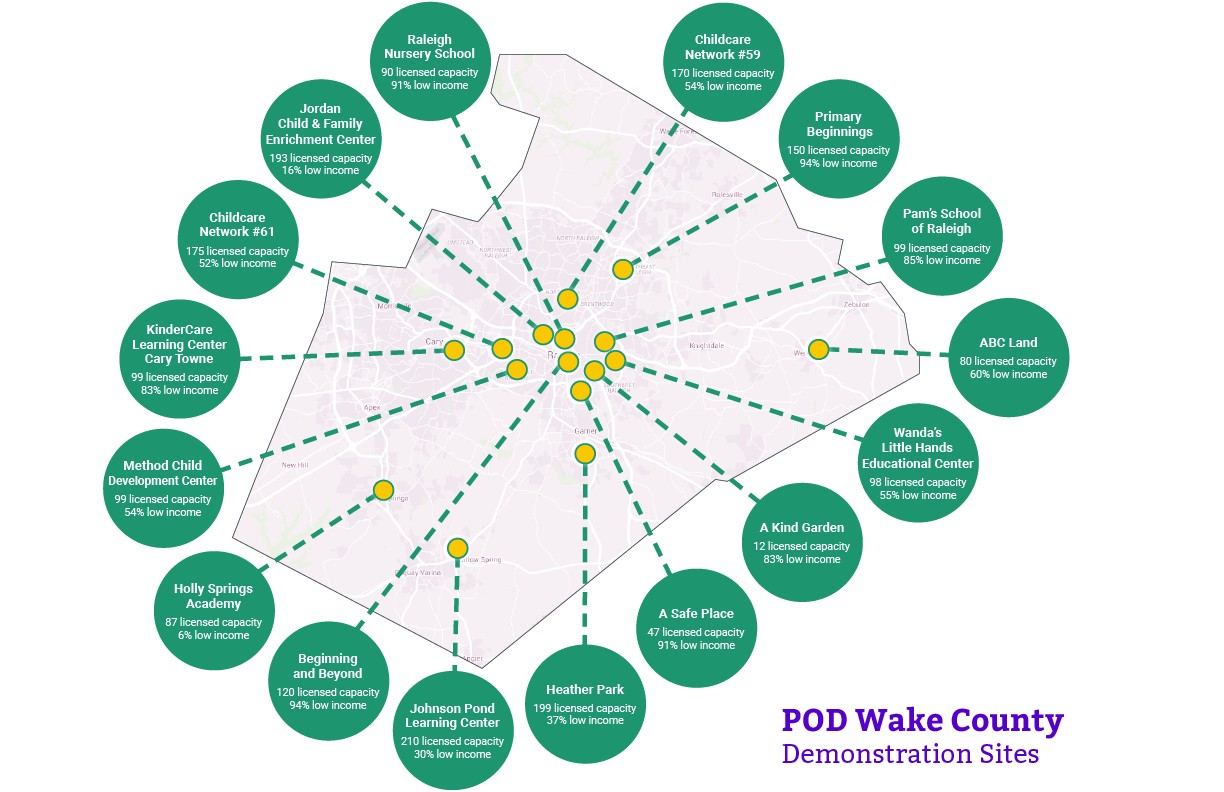
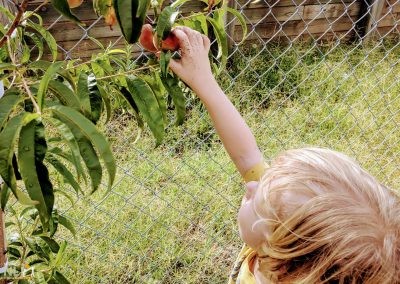
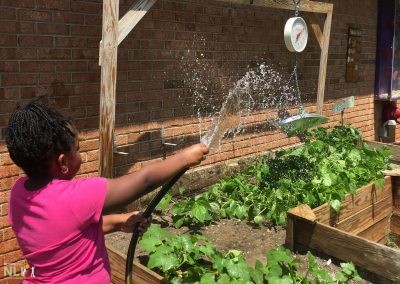
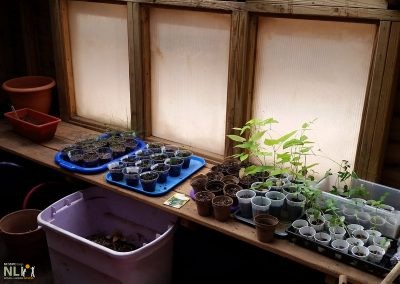
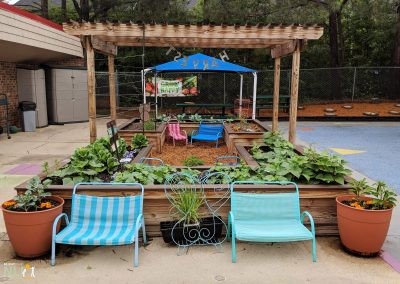
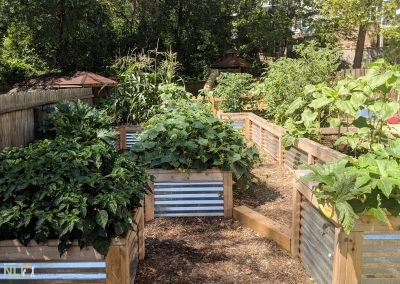
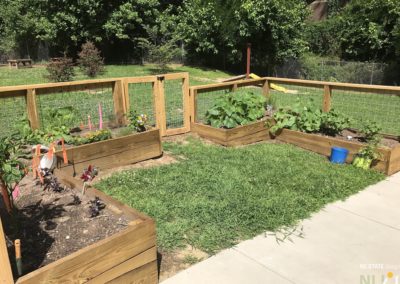
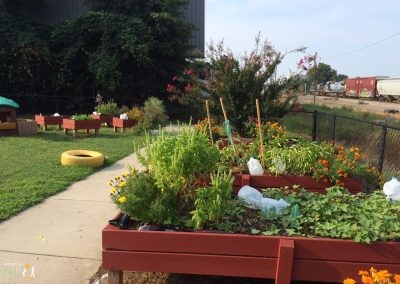
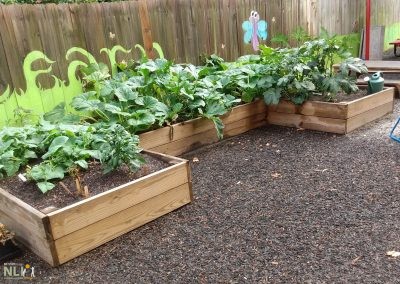
Eight demonstration centers, in two cohorts have participated in POD-Wake Co.. Each center worked with the NLI Design Team to renovate their OLEs through a participatory design process. In addition, the POD-Wake Co. Garden Trainers and Wake Smart Start Quality Enhancement Specialists make regular visits to each center to guide implementation of the designs, utilization of community engagement and local resources, and planting, tending, harvesting, and eating activities with the children.
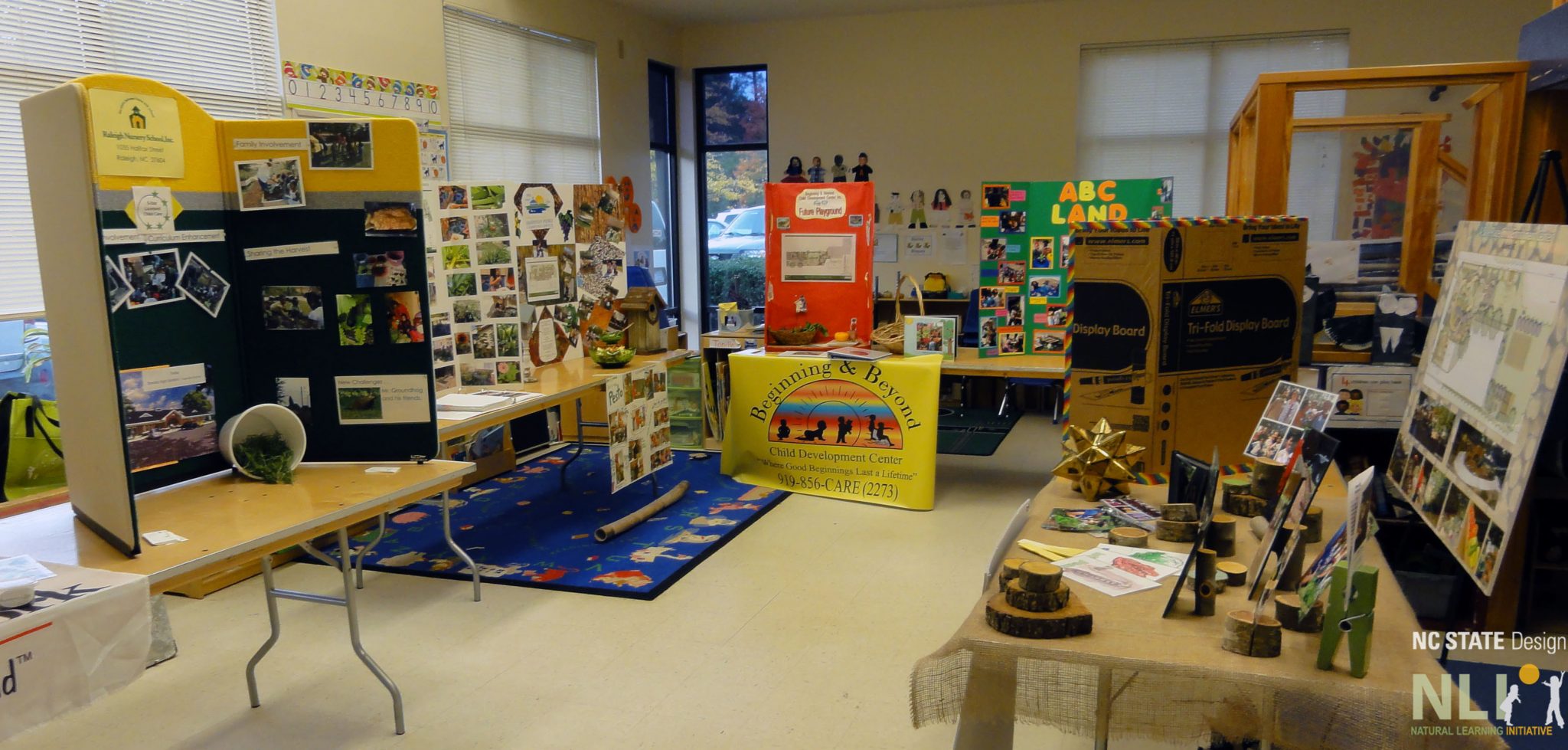
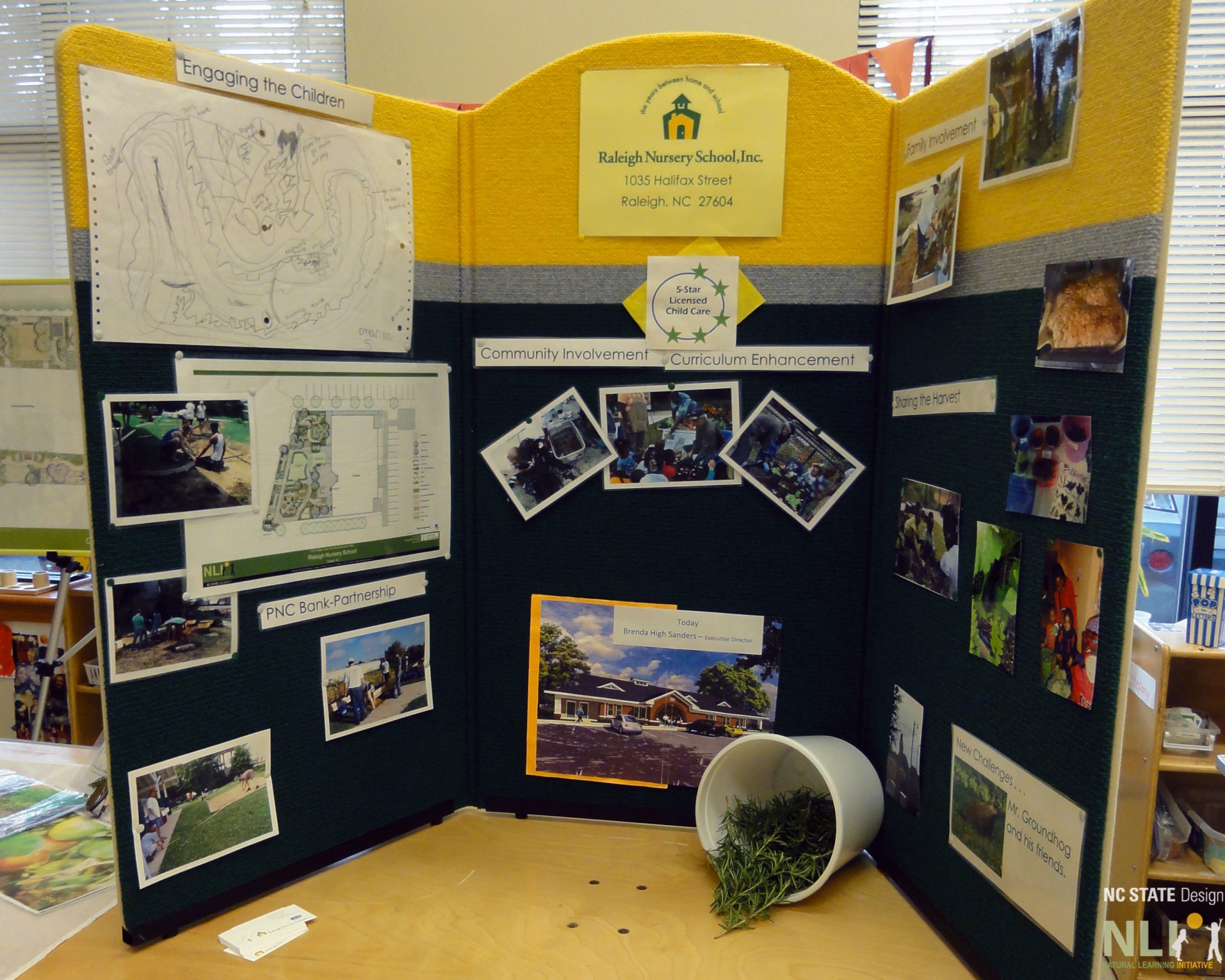
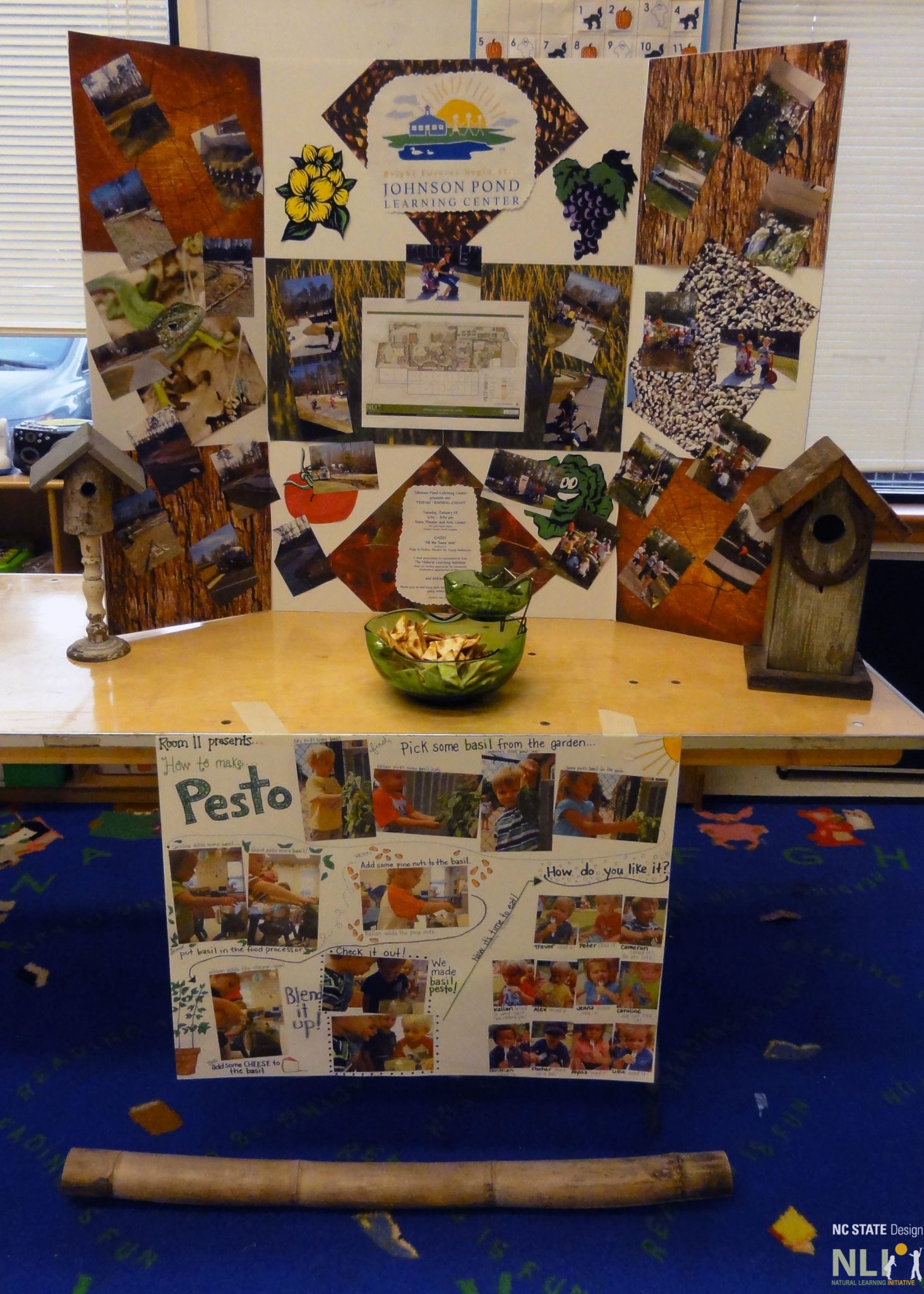
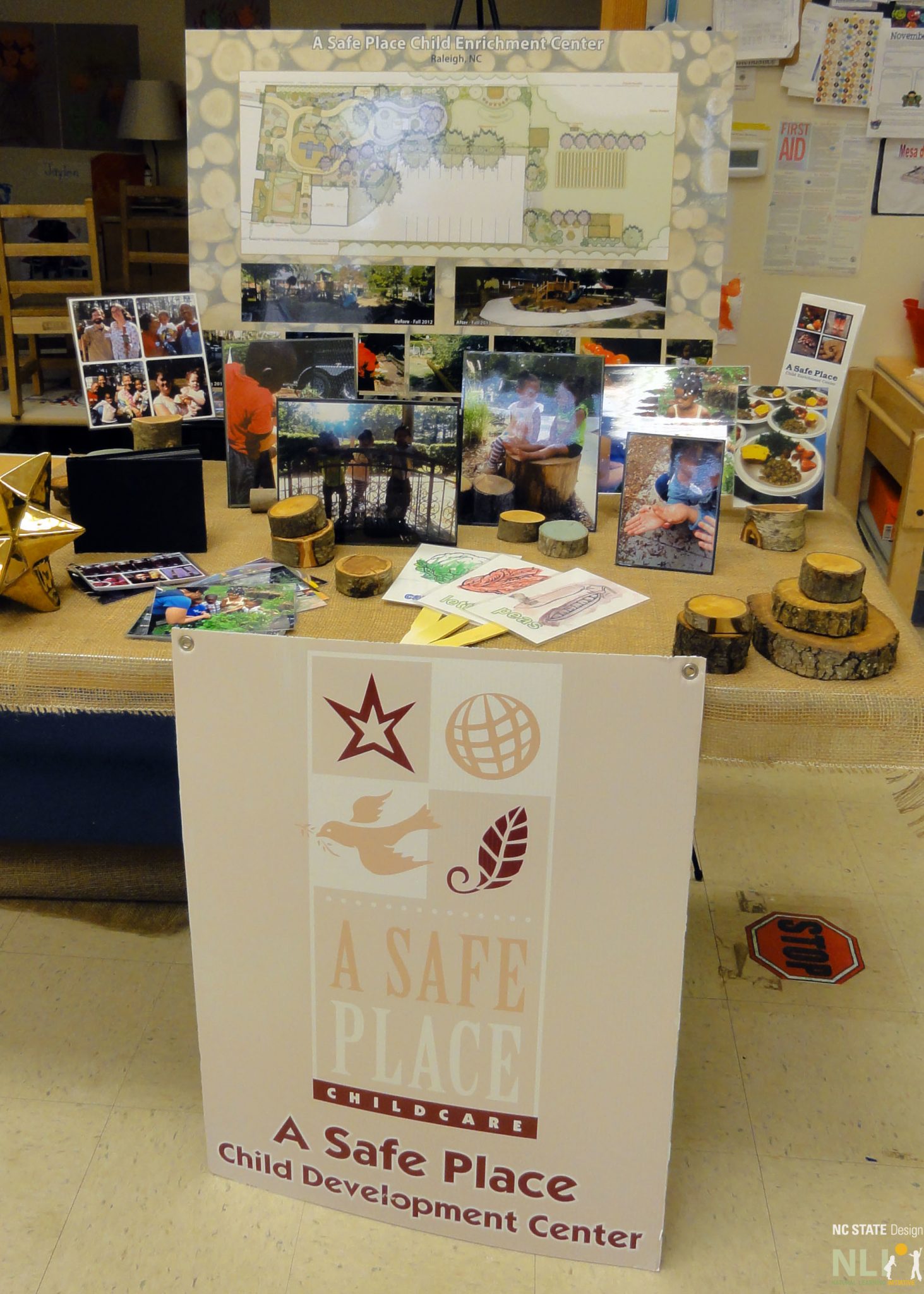
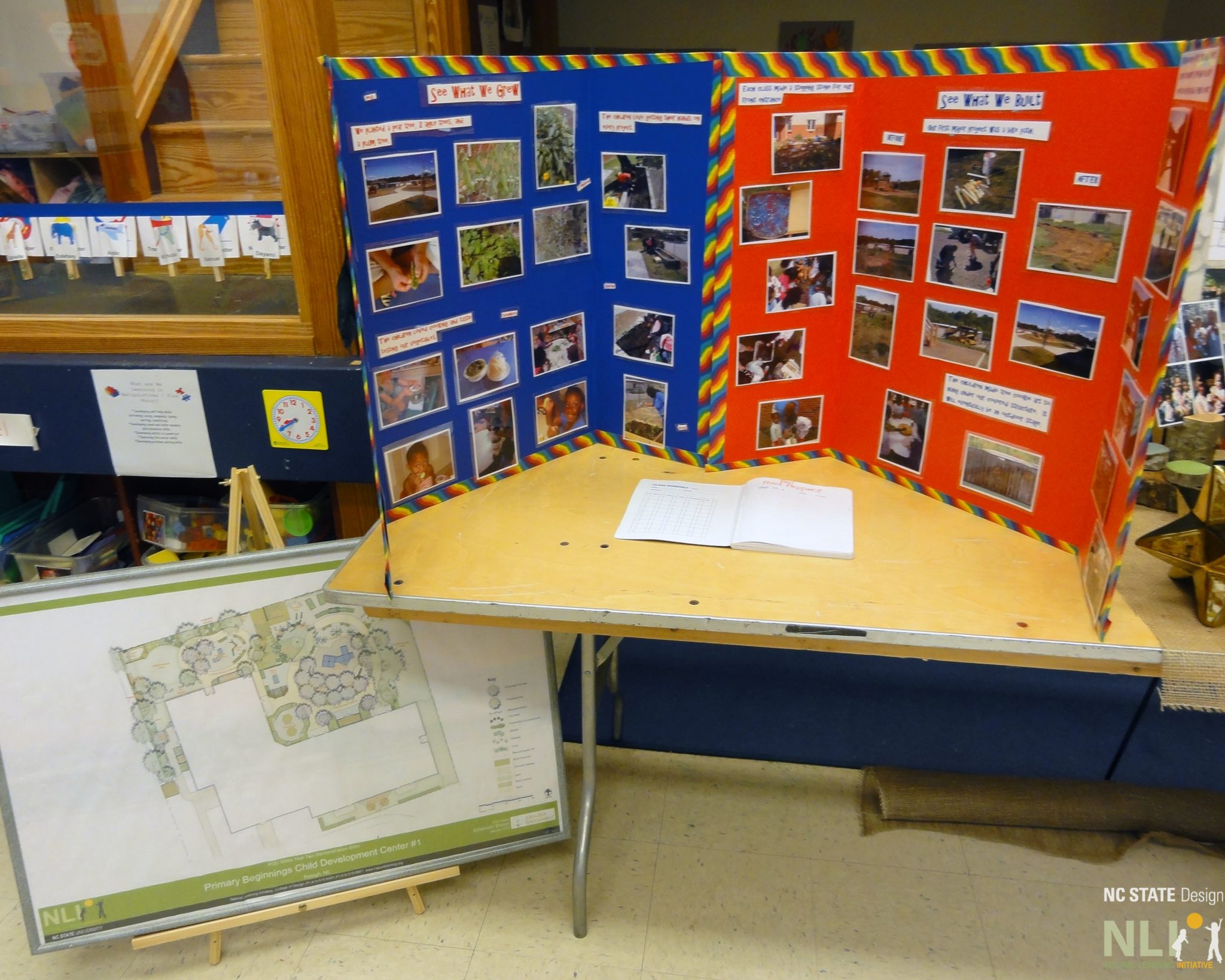
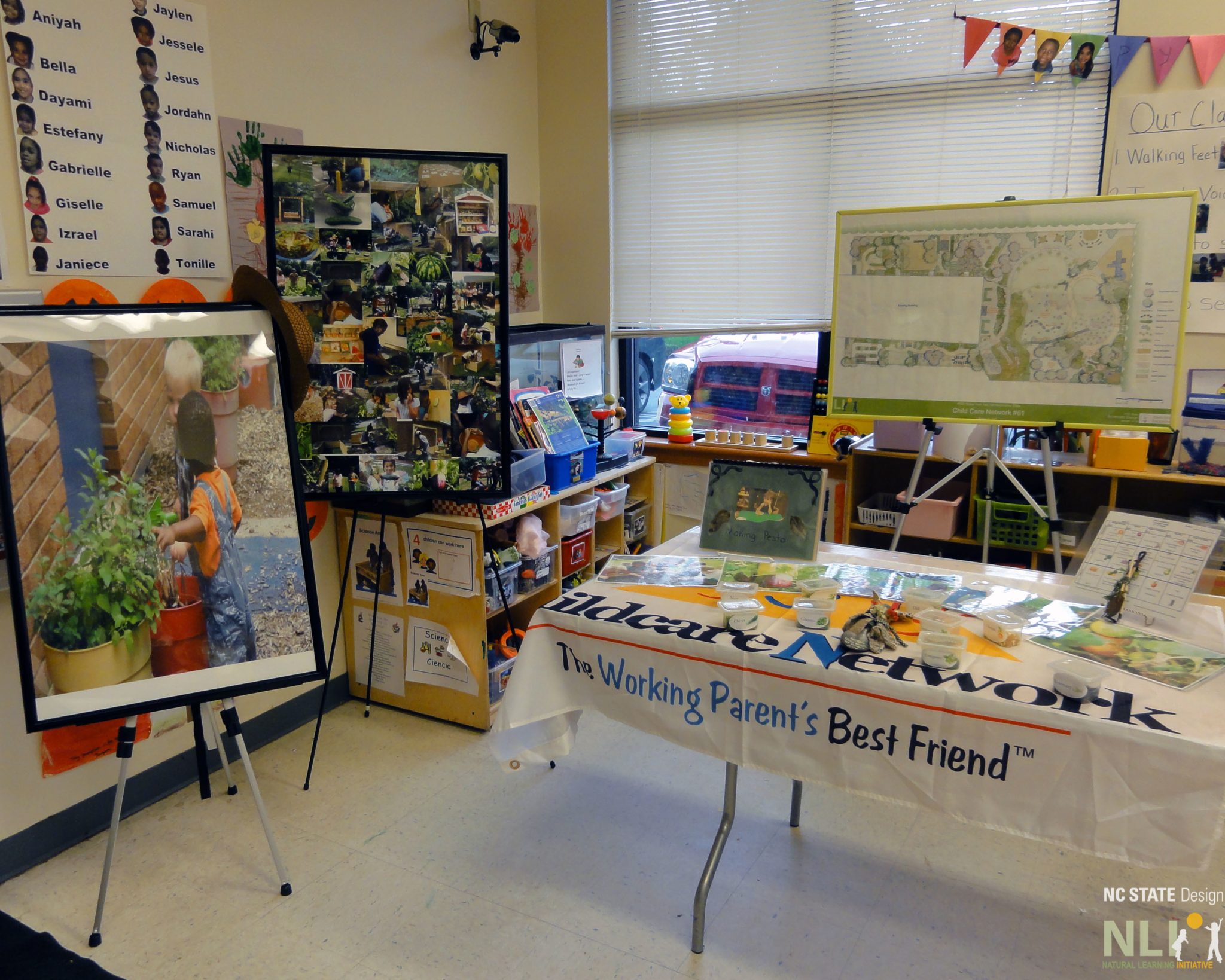
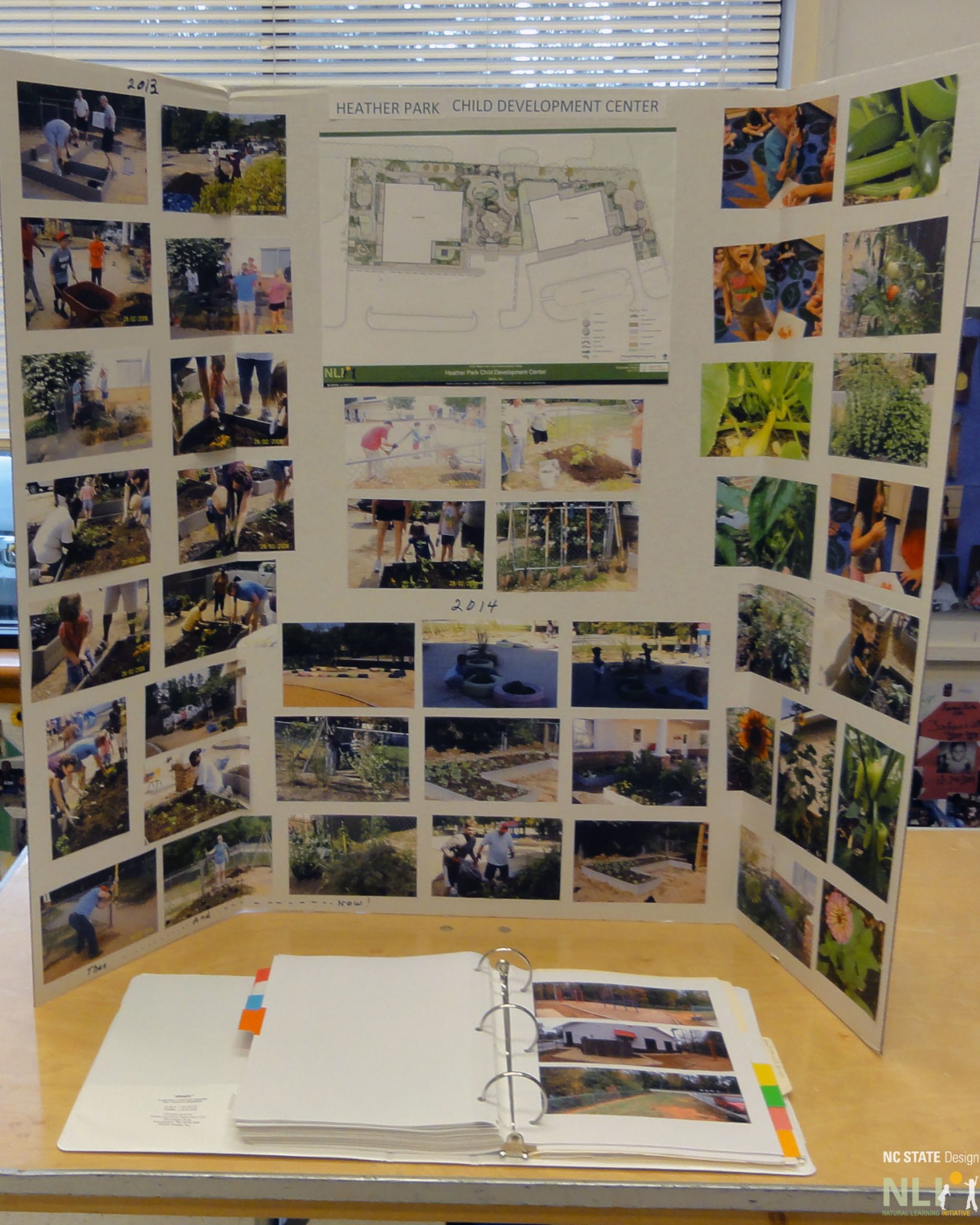
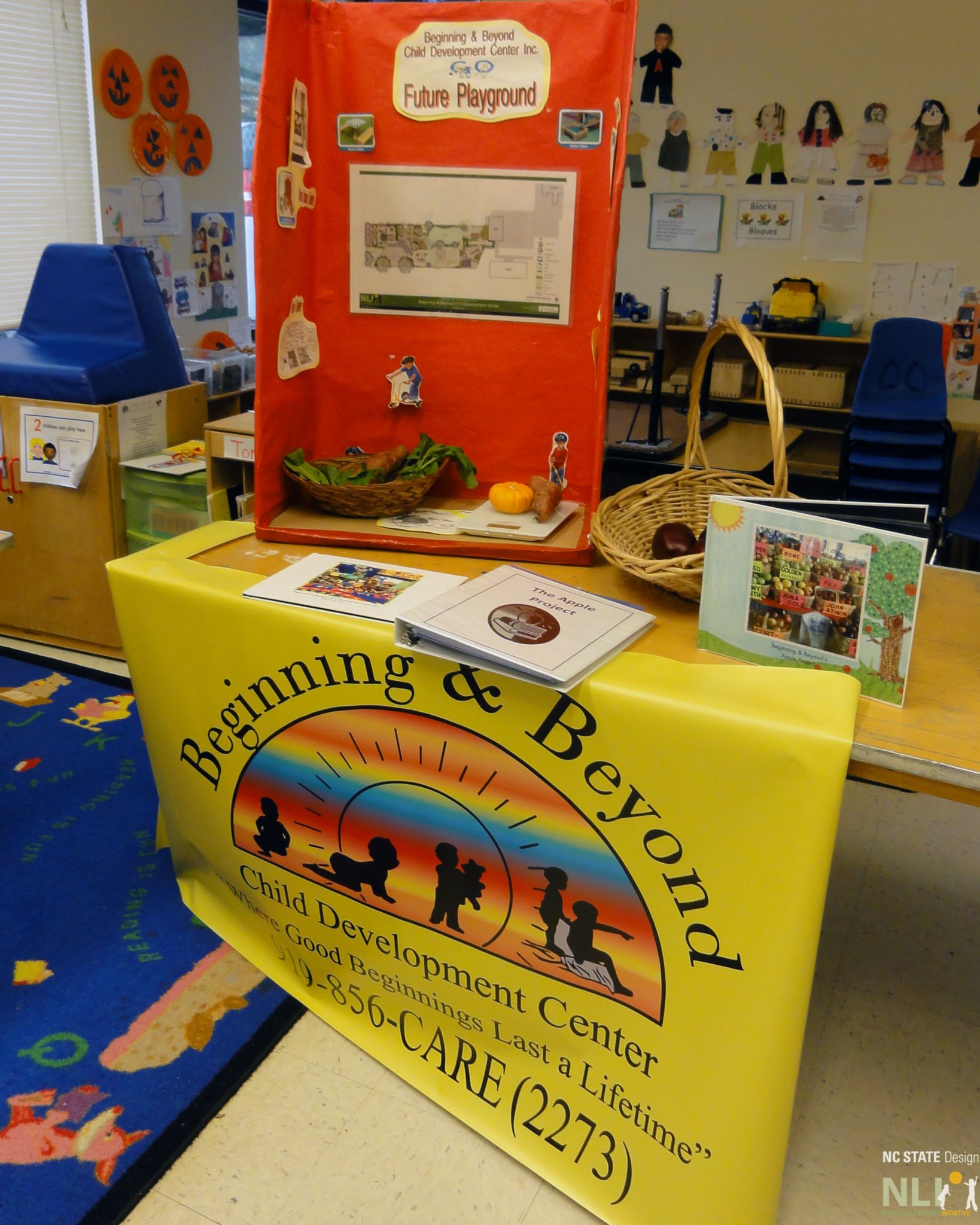
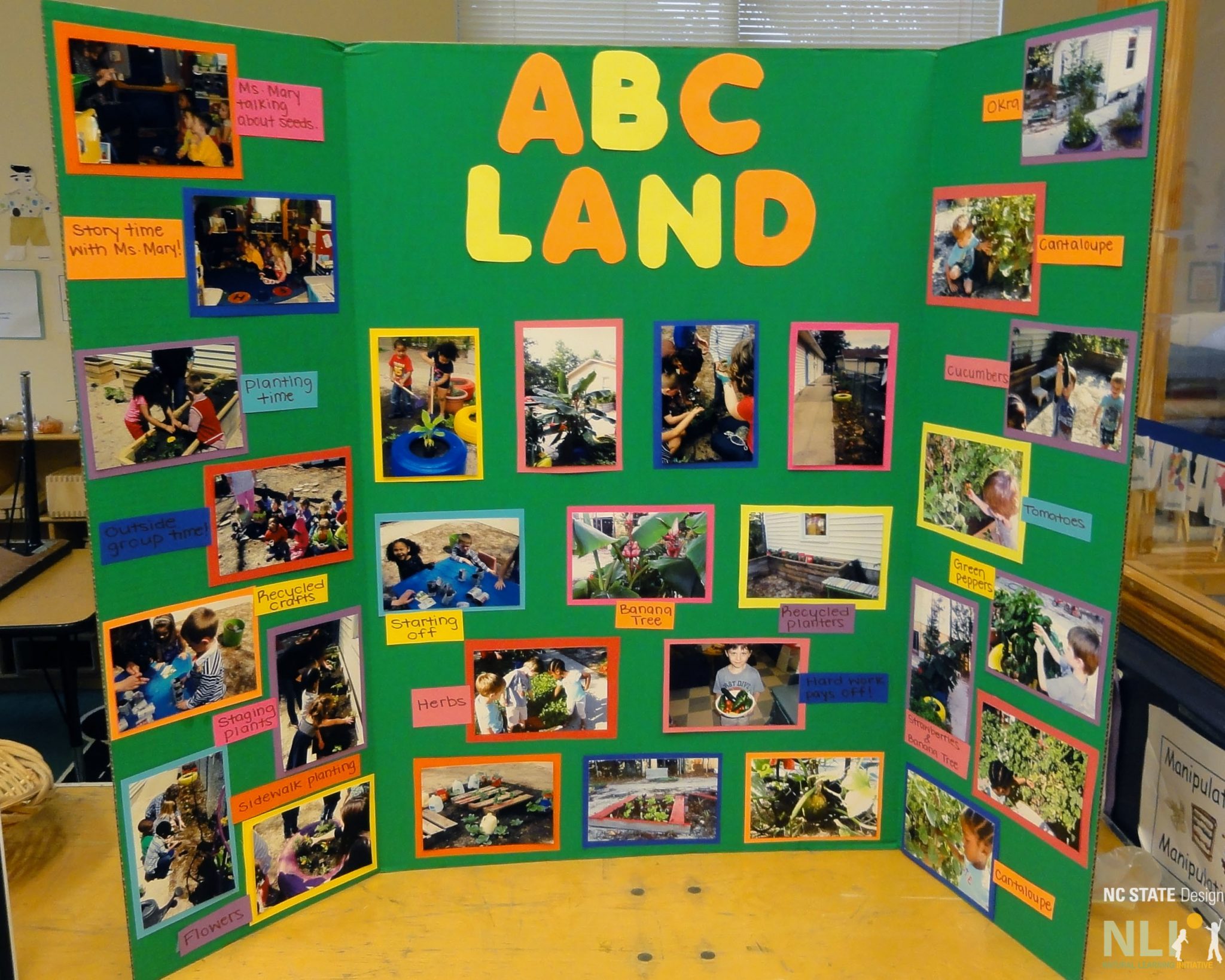
Each demonstration center created a tabletop display to share. Participants circulated through the showcase display to see photos, site maps, and sample nutritious foods.
Cohort One
Raleigh Nursery School
Johnson Pond Child Development Center
A Safe Place
Primary Beginnings Child Development Center
Cohort Two
Childcare Network #61
Heather Park Child Development Center
Beginning and Beyond Child Development Center
ABC Land, Inc.
NLI’s recommendations for the Heather Park CDC includes a story telling circle, which symposium participants were able to implement in 45 minutes. This hands-on activity gave everyone a chance to experience first hand the steps towards installing stump seats and planting small shrubs and trees. Participants left with a sense of accomplishment after completing this project and Heather Park is able to take advantage of a new setting as a result of hosting the symposium!
Beginning and Beyond Child Development Center Owner, Rosalind Blair, welcomes visitors to their renovated OLE. They have continuously added to the OLE since the last time they hosted tour visitors in 2015.
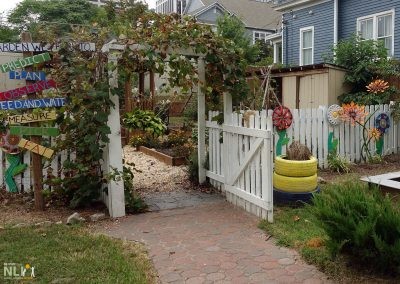
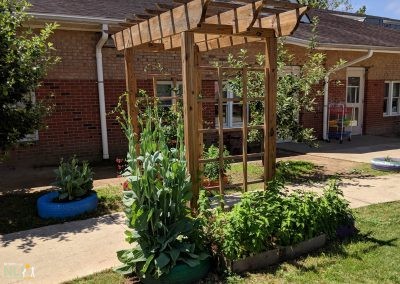
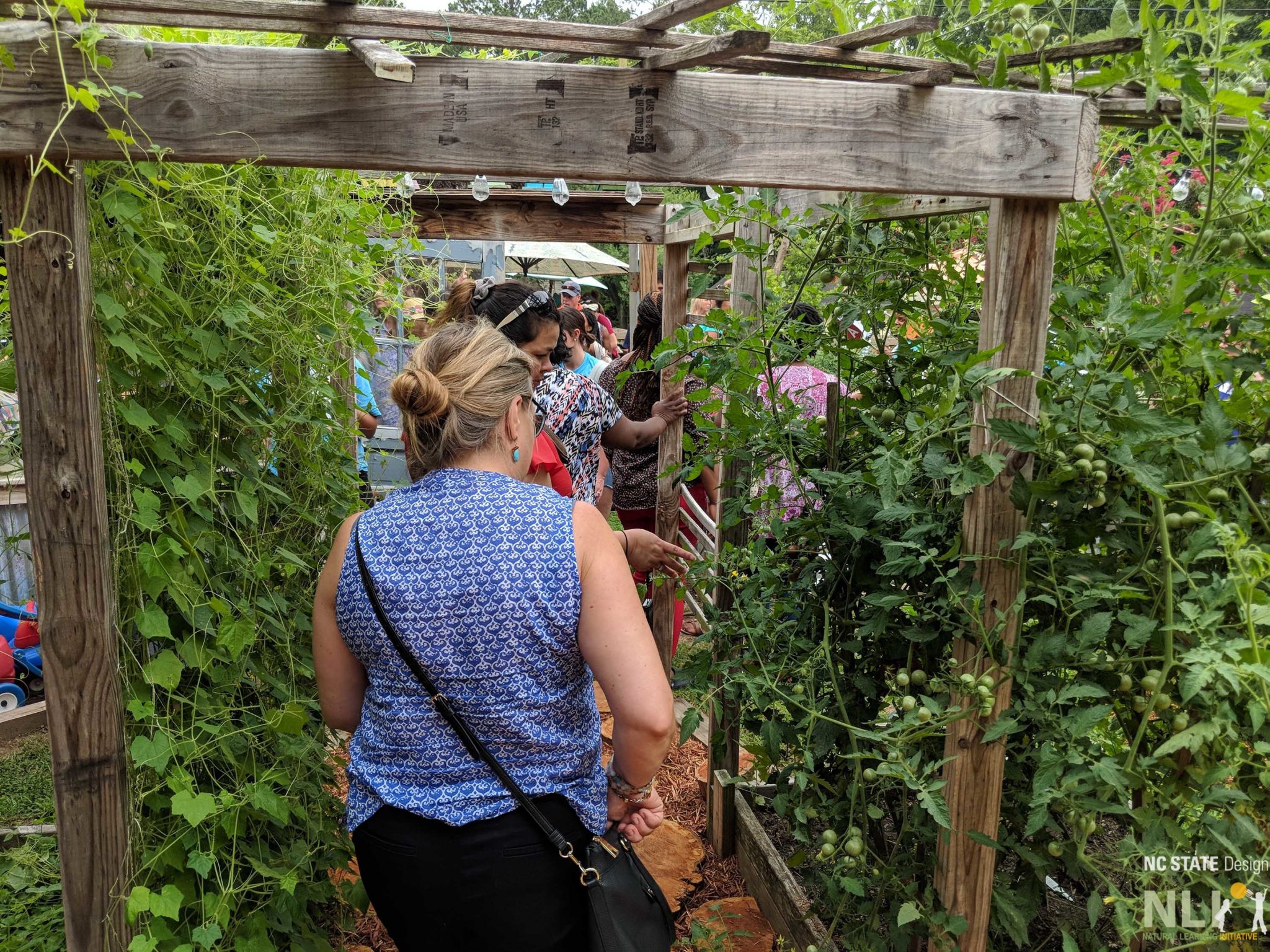
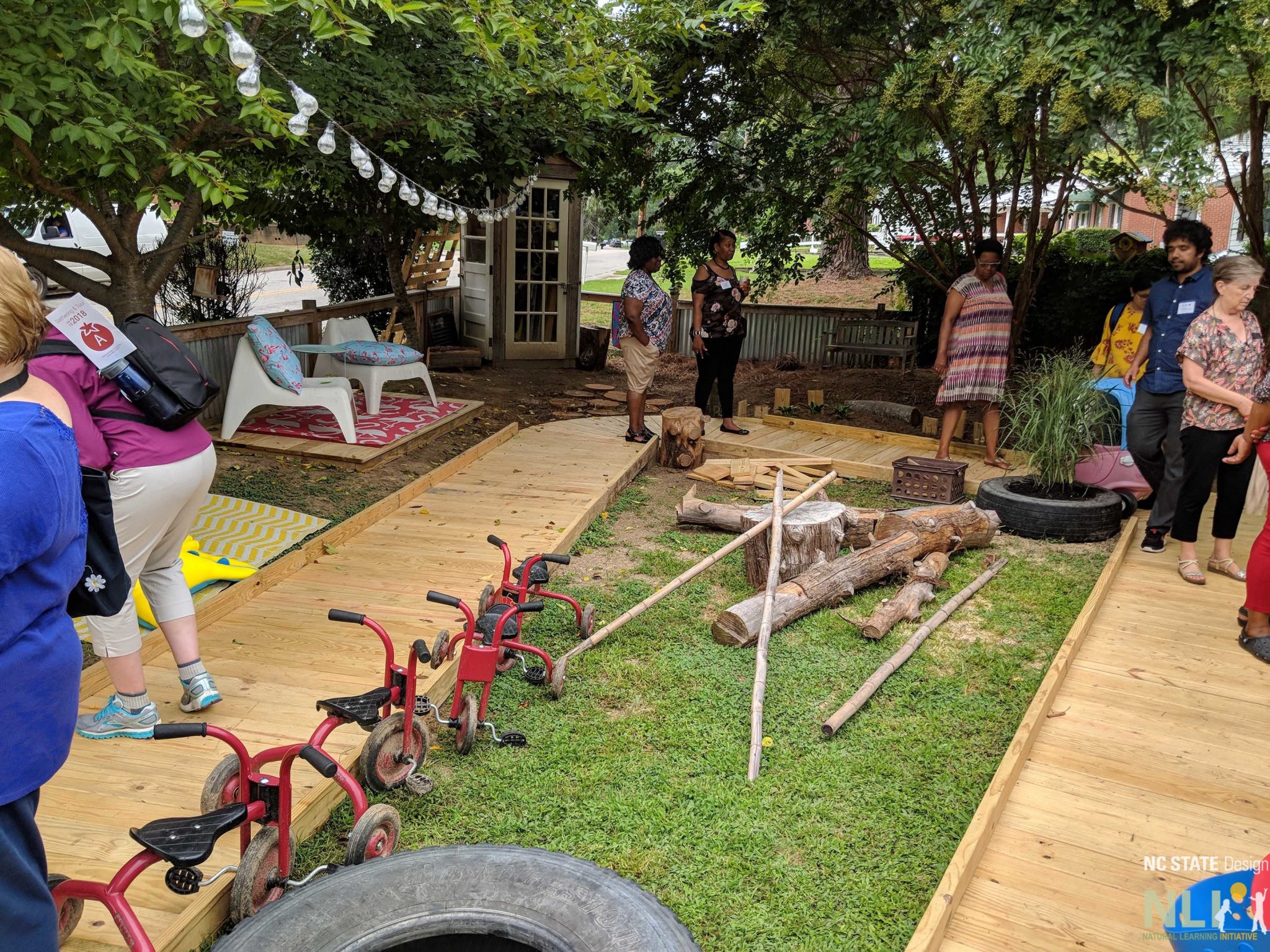
Visitors take in the fruited arbor at A Kind Garden (left) and walk along the wooden plank wheeled toy pathway (right). No matter what size, the potential for an OLE is great!
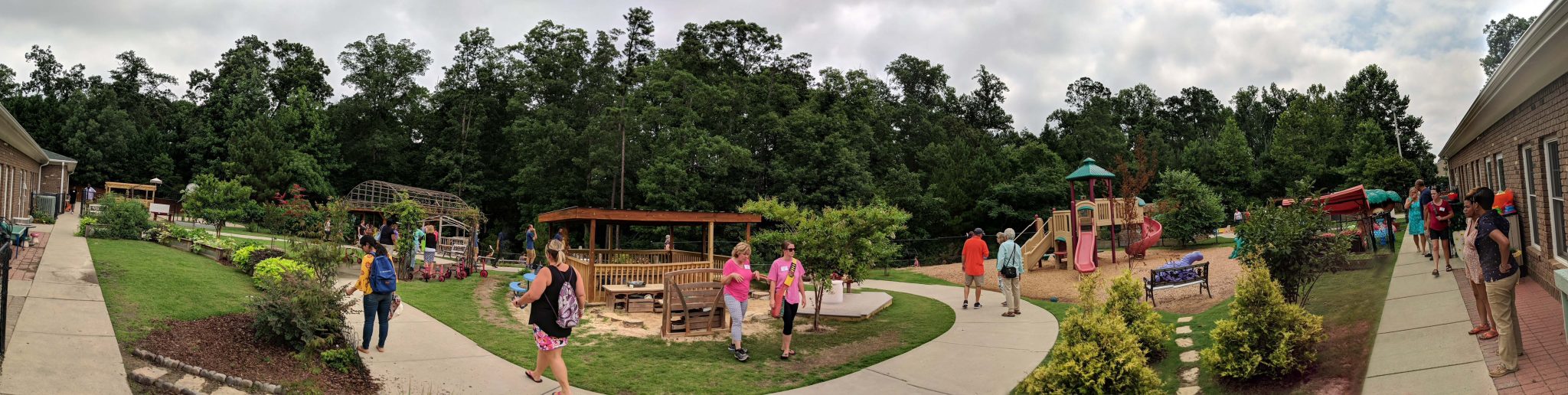
Visitors tour Johnson Pond Learning Center as they learn how an OLE can be adapted to young children of all age groups in a large center.
The POD Wake County Gathering and Tour presents a showcase of the progress in creating naturalized childcare center Outdoor Learning Environments (OLEs) in Wake County. Presentations and bus tours to the POD Wake Co demonstration OLEs show how the Preventing Obesity by Design program supports children’s outdoor activity and engages children in gardening, healthy eating, and outdoor learning. During the event you will visit three POD Wake Demonstration sites.
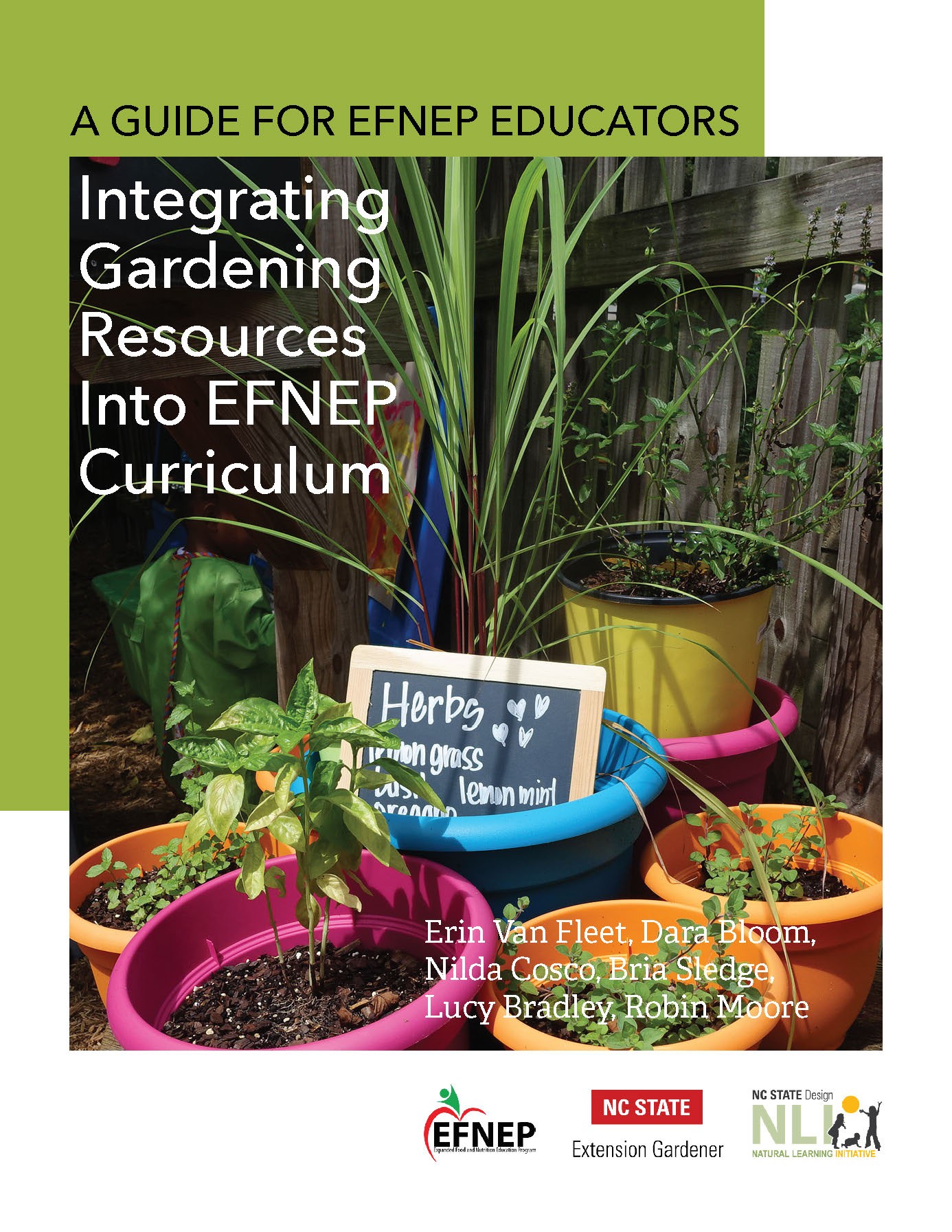
Integrating Gardening Resources Into EFNEP Curriculum
Authors:Erin Van Fleet, Dara Bloom,Nilda Cosco, Bria Sledge,Lucy Bradley, & Robin Moore.
BENEFITS OF NATURE AND GARDENING
Food-based gardening is strongly aligned with the curriculum principles of the Expanded Food and Nutrition Education Program (EFNEP). If gardening is integrated into EFNEP, families will find practical resources as well as guidance for growing their own food. The integration will also help reinforce messaging on eating more healthy foods, eating more local foods, moving more, engaging with the community, and budgeting for healthy eating. Included are specific examples of where and how gardening can be mentioned in lesson plans. Resources can help engage children in gardening and cooking and encourage them to get outdoors and take part in gardening activities with friends and family.
BENEFITS OF NATURE FOR CHILDREN
Research demonstrates that nature is a wide-ranging, preventive measure for human health. Before all, nature exposure for mothers may protect against low birth weight. Childhood exposure to nature builds protection against ailments such as depression, anxiety, diabetes, obesity, and heart disease.
This publication is part of the project: Childcare Outdoor Learning Environments as Active Food Systems: Effectiveness of the Preventing Obesity by Design (POD) Gardening Component supported by the National Institute of Food and Agriculture (NIFA), US Department of Agriculture USDA. Competitive grant no. 2017-68001- 26354. Any opinions, findings, conclusions, or recommendations expressed in this publication are those of the authors and do not necessarily reflect the views of USDA.
The COVID-19 pandemic has highlighted the urgent need to provide safe, healthy child care settings for young children so they can be supported by teachers and caregivers, and so that parents can get back to work. Early childhood regulators and providers are understandably focused on reducing risk for children and providers in the indoor child care setting. However, the social-emotional and physical health benefits of time outside and the potential reduction in pathogen transmission suggest that improving and utilizing outdoor play environments may be a valuable tool for operating child care during the pandemic, and beyond.
In response to the pandemic, state and local agencies are providing procedures and expectations for child care program operations, which may influence allowable time and activities in outdoor settings. To understand the influence of state and local guidelines on outdoor child care settings, the National Wildlife Federation’s Early Childhood Health Outdoors (ECHO) program, in collaboration with the Natural Learning Initiative (NLI) of North Carolina State University, conducted a cursory examination of state-level licensing approaches to early childhood outdoor environments to:
Gain a better understanding of what guidance was being given.
Inform strategies for providers, regulators, and community stakeholders to facilitate safe and healthy outdoor play and learning during the pandemic.
Process
Between June 18 and July 6, 2020, the project team interviewed 16 individuals who represented child care licensing, child care and public health regulatory agencies, early childhood councils, program managers and specialists, university extension educators, public health experts, and state affiliates of the National Association for the Education of Young Children. Six states were represented in the interviews: Colorado, Nebraska, North Carolina, South Carolina, Texas, and Washington. These states were selected based on existing relationships that could expedite the process. In addition to detailed interviews, the project team reviewed the online child care regulatory guidance of 18 states, selected at random, to further understand how the use of outdoor settings during COVID-19 was or was not addressed (Appendix A).
Online Scan Findings
The online scan of child care regulatory guidance conducted in August 2020, revealed that seven of the 18 states reviewed had not created their own guidance or rules at the time of the scan in response to COVID-19 that are applicable to child care outdoor areas. All seven exclusively referred to guidance provided by the Centers for Disease Control and Prevention (CDC). Eleven states had created some tailored guidance or requirements for child care outdoor areas beyond what the CDC had proposed as part of a larger guidance document or webpage aimed at child care providers. Texas was among the states that have not just issued guidance but minimum requirements for the use of outdoor space in child care in response to the pandemic. Additional information for each state may be found through the links provided in Appendix A.
Interview Findings
The following are general takeaways from the series of interviews conducted with state-level early childhood regulatory experts during the summer of 2020, with mention of particular exceptions or discrepancies. In general, regulatory guidance for using early childhood outdoor spaces during COVID-19 was found to be limited, mainly relying on CDC directives. Individuals who were interviewed believed that most providers were following CDC guidance and any standing regulatory requirements from licensing agencies, but local variations and frequent changes in national, state, and local guidelines or mandates around COVID-19 were difficult to keep up with, and can lead to various interpretations by providers.
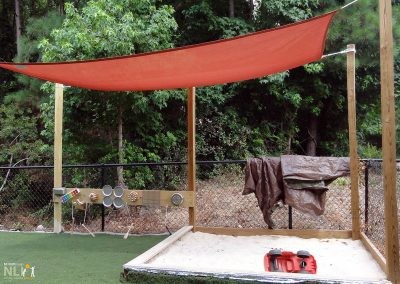
Most COVID-19 guidance that was being provided by state regulatory agencies primarily focused on indoor environments, although more outdoor time was generally being encouraged. This outdoor guidance often had very little specificity other than encouragement to spend more time outdoors. Several states indicated that sand play, or more generally “sensory play,” was questionable, with some providers adapting by providing individual and/or disposable sensory play materials for children. There appeared to be general confusion and inconsistency about if or how often outdoor portable equipment, wheeled toys, and stationary play structures needed to be sanitized. Generally, those interviewed expressed a need for greater clarity on regulatory expectations for child care outdoor settings that are informed by public health experts.
When asked what child care outdoor guidance or regulations were being enforced by state regulatory agencies, most experts interviewed indicated that cleaning and sanitizing practices were of primary concern for COVID-19, especially between uses by different groups of children. In addition, regulations in place before COVID-19 continued to be enforced, such as providing shade and water for drinking in outdoor settings. Again, there existed local variation in guidance, including how to apply indoor sanitation protocols to the outdoor space. One state indicated that there was an emergency waiver process in place to allow providers to spend additional time outdoors with children while being able to increase capacity. Significantly, and not surprisingly, almost all state experts indicated that the limits on capacity severely impacted most child care centers’ financial situations and that their ability to continue operating and retaining staff was an urgent and critical issue.
Questions from Providers
In terms of the common themes that state regulatory experts were hearing from child care providers, there was consistent interest in outdoor activities that adhered to CDC guidelines, but with outstanding questions, including:
What physical distancing looks like in outdoor settings (e.g., How to avoid combining groups in the playground? How this applies to different age groups?).
Clarity on cleaning and disinfection needs and routines in the outdoors, especially regarding play structures, toys, and natural materials (e.g., Can sunlight disinfect? Do natural materials need cleaning? How long can the virus persist on materials?).
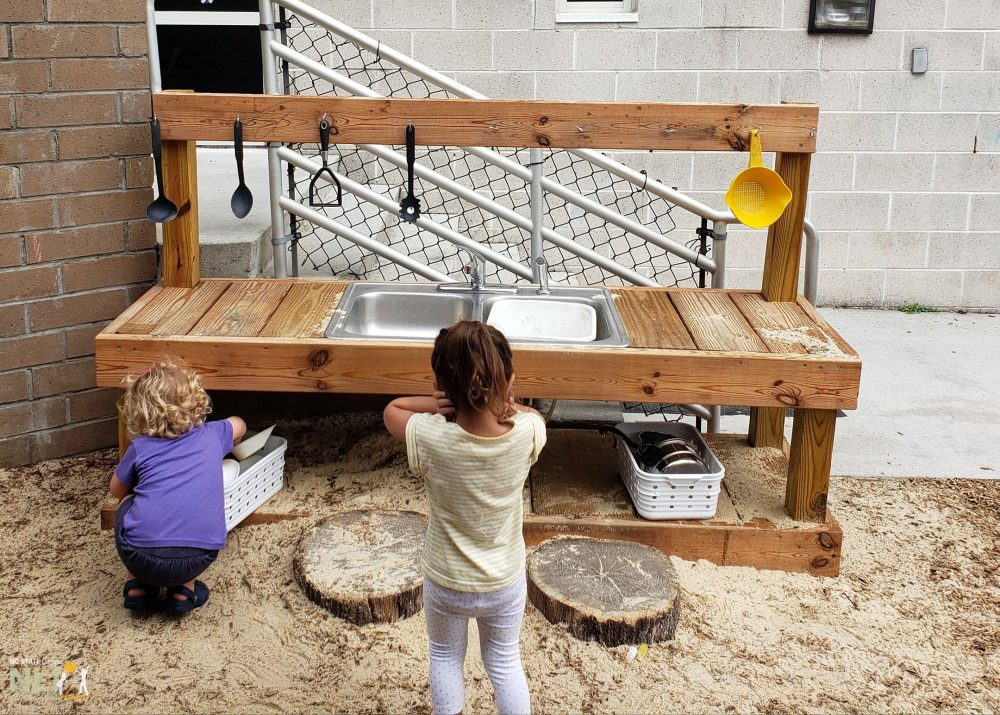
What outdoor features are allowable, and with what restrictions (e.g., play structures, mud kitchens, sand play, water play, gardening)
Other outdoor safety precautions that should be taken (e.g., whether there should be an increase in shade requirement with kids outside more; the role of masks for children and providers; best strategies for handwashing while outside; and adjustments to guidance by season or with changing local COVID-19 infection rates).
Generally, regulatory experts indicated that providers were looking for things to do outside with the children in their care while meeting regulatory requirements and maintaining quality standards. However, child care providers have many additional concerns, including financial viability, so any guidance encouraging and defining safe use of outdoor settings must be consistent, easy to apply, affordable, and backed up by CDC and the local state health agency.
Barriers to Use Outdoor Spaces
When asked about what barriers the early childhood sector was facing with respect to the use of outdoor spaces during the pandemic, major themes included:
Basic safety as a primary concern, including safe infrastructure, adequate shade, and COVID-19- related safety considerations.
A lack of resources to make changes to outdoor spaces.
A lack of adequate training for child care staff to effectively utilize outdoor settings.
A lack of clear and consistent messaging—clarity around what was being enforced at any given time, backed up by CDC and the local state healthy agency guidance.
Research Needs
Research needs that were highlighted by state regulatory experts as being of particular importance included: the effect of sunlight on the virus in outdoor settings, the viability of the virus on natural materials, and the virus’ ability to transmit through water play.
Resources
When asked what else state regulators need at this time related to safe outdoor play in early childhood settings, several mentioned resources and ideas on outdoor activities that sustain social distancing and other COVID-19 guidance as well as more messaging to elevate the value of outdoor play for healthy childhood development. Some states mentioned that they are working to develop more detailed guidelines and that the focus of this project was important as there was a need for more awareness on the value of the outdoors in early childhood settings during and after the pandemic.
Conclusion
In response to the COVID-19 pandemic, most states reviewed in this analysis are encouraging more time outside, some are discouraging the use of outdoor play equipment, while still others are generally silent on the issue. With many child care outdoor play areas typically containing stationary manufactured equipment and little else, providers across the country may struggle to maximize (or increase) time outdoors and provide an enriching experience while also keeping children and staff safe. There is a window of opportunity to provide more clarity for policy-makers and child care providers in order to foster and encourage best practices that will improve and activate outdoor spaces as a healthy strategy during COVID-19 and beyond.
Disclaimer
The Natural Learning Initiative (NLI), NC State University, the National Wildlife Federation, their partners, and supporting entities assume no responsibility for consequences arising from physical interventions using information contained in this document. Under no circumstances will liability be assumed for any loss or damage, including without limitation, indirect or consequential, incurred during installation, management, and use of such interventions. Highly recommended is adherence to relevant local, state, and national regulatory requirements concerning but not limited to health and safety, accessibility, licensing, and program regulation.
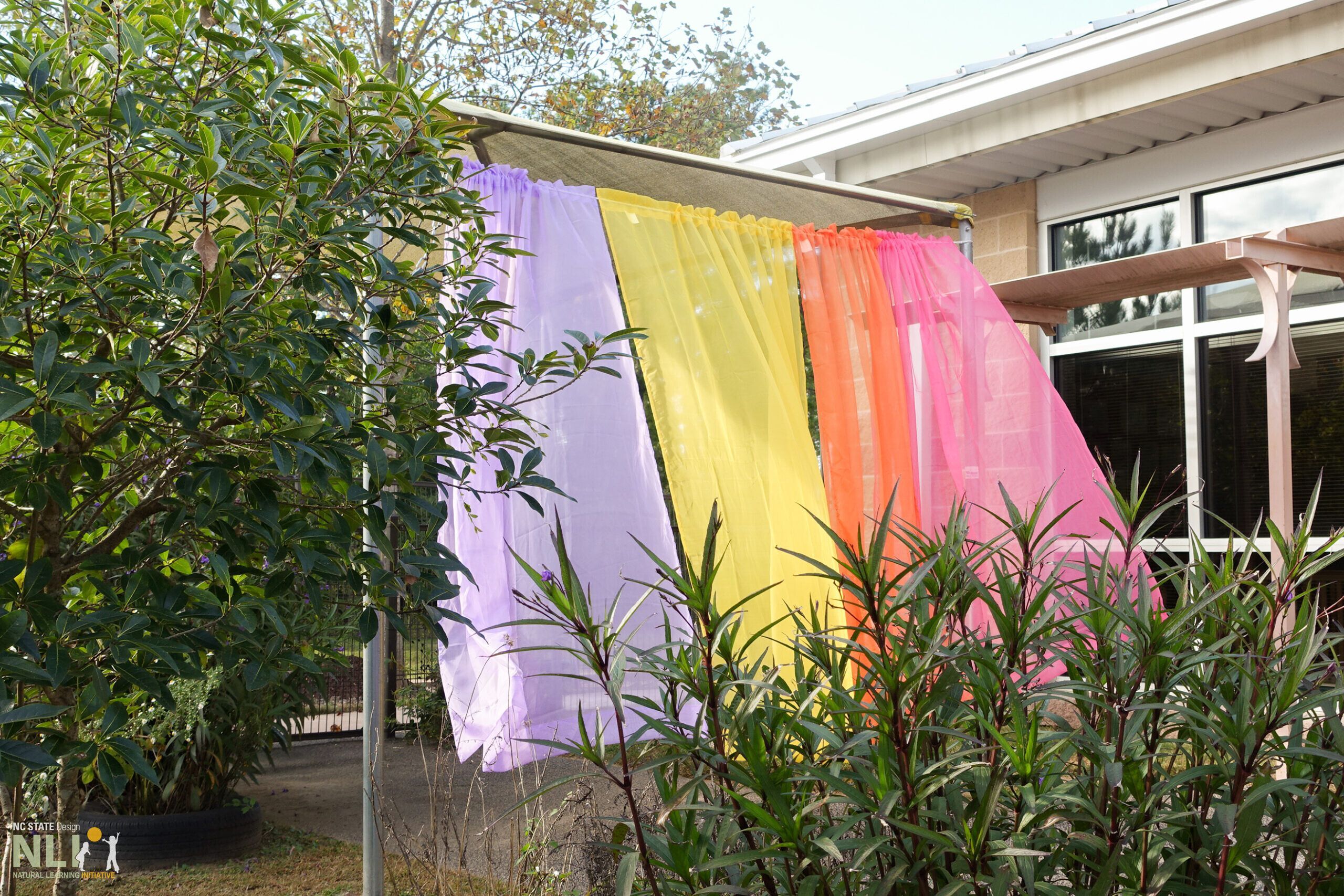
8. Colorful, light, transparent, suspended textile provides a playful division between settings.—NLI
Appendix A:Review of Outdoor Child Care COVID-19 Guidance by State
Information pulled between June 6, 2020 and July 7, 2020. Colorado, Nebraska, North Carolina, South Carolina, Texas, and Washington were intentionally researched while the other states were chosen at random.
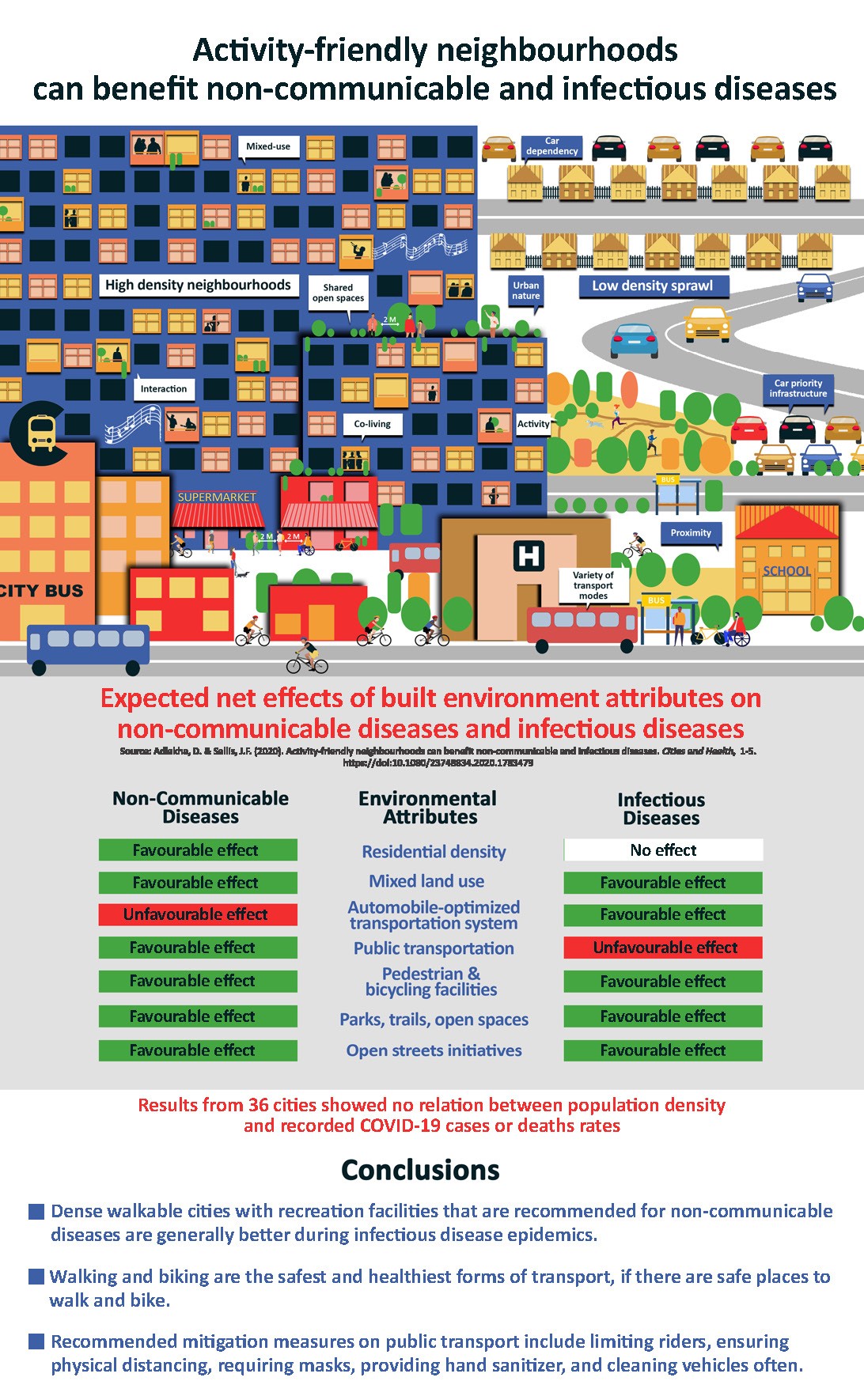
An International Physical Activity and Public Health Research Agenda to Inform Coronavirus Disease-19 Policies and Practices
Sallis, J. F., Adlakha, D., Oyeyemi, A., & Salvo, D. (2020). An international physical activity and public health research agenda to inform coronavirus disease-19 policies and practices. Journal of Sport and Health Science, S2095-2546(2020)30064-30068. Special Issue onCOVID-19.
Walkable, activity-friendly neighbourhoods are recommended for their benefits for non-communicable diseases, environmental sustainability, and economic performance. But how do activity-friendly neighbourhoods function during infectious disease pandemics like COVID-19? The spread of COVID-19 in some of the world’s dense cities has raised concerns about the risks of urban density and public transit. However, there are several pathways by which dense, mixed-use neighbourhoods with transit access and recreation facilities can reduce the risk of both infectious diseases and non-communicable diseases. Reducing health inequities is a core value for public health, and we comment on strategies for equitably creating activity-friendly communities.
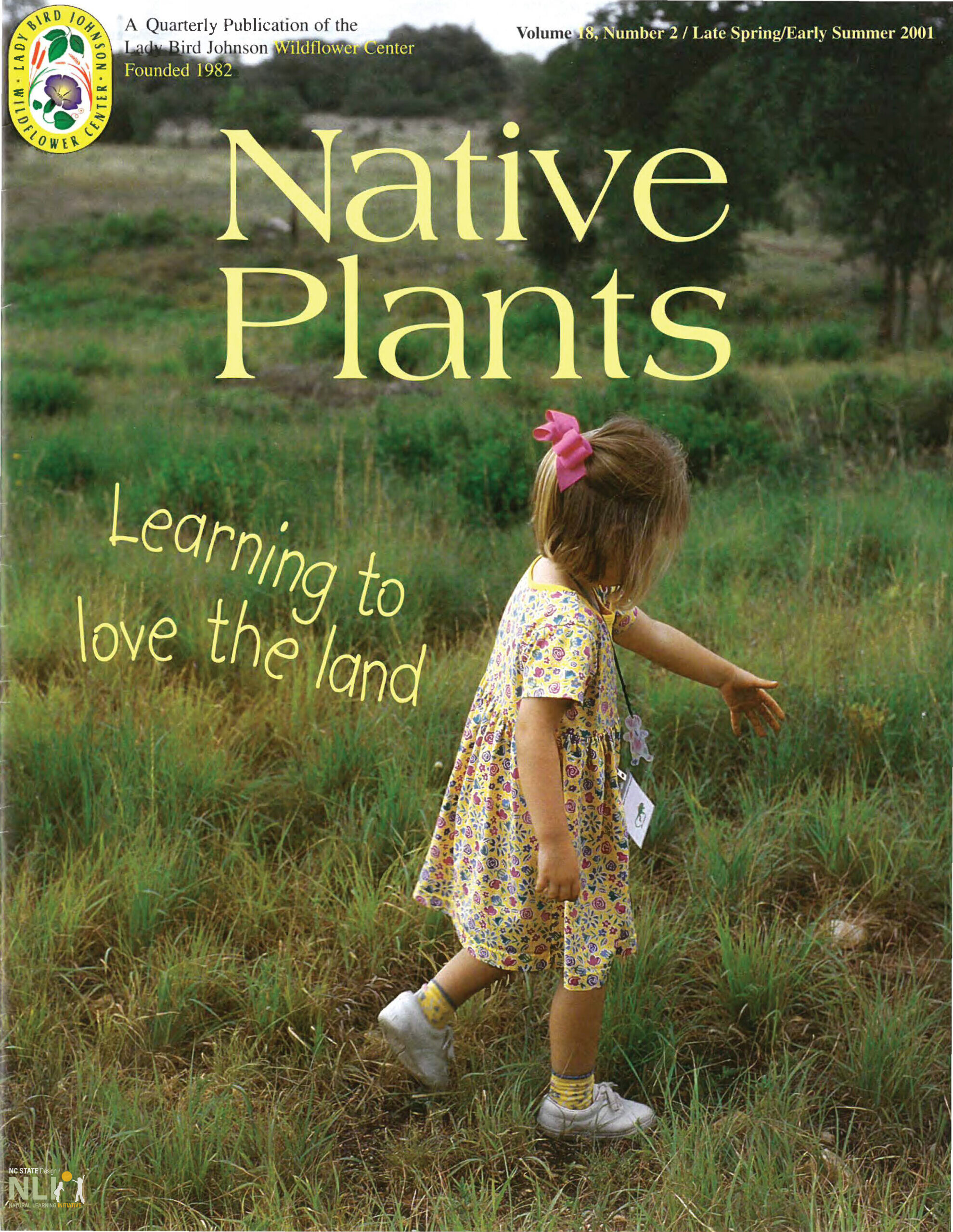
Remember your childhood adventures in the backyard or nearby park? Remember the way that a day spent playing outdoors in fresh air and sunlight, in touch with plants and animals held a special quality all its own? Childhood is the most critical developmental stage in the human life cycle, and a small but growing body of research indicates that daily experience of nature has a measurable impact on healthy child development.
Child care has become an essential part of everyday life. In 2011, more than half of Canadian parents reported using some type of child care for children aged 4 or younger. These children spend most of their waking hours in childcare, year-round, so it is important that nurturing environments are provided to stimulate child development across all domains. Although receiving little policy attention, evidence suggests that the design of naturalized outdoor environments can contribute substantially and uniquely to health promotion in early childhood. Because child development facilities are highly regulated, quality must be measurable and created through evidence-based design. Progress is slowly being made in that direction. Design guidelines based on available evidence influence practice. Even so, the 2017 Canadian national report on early childhood education does not mention “outdoor”, “playground”, “natural”, or “nature”, even though the cover shows a child in nature.
Outdoor play in naturalized environments has a positive impact on children’s development and physical health, including children with disabilities. Exposure to nature may strengthen the immune system help decrease attention deficit disorder symptoms; and assist all children to improve well-being. These findings suggest a strong link between inclusion and biophilia (the innate human tendency to have positive feelings towards nature), recognizing that all life forms are part of the Earth’s ecosystem.
Biodiversity and allergies. Contact with a variety of living organisms from all sources of nature (plants, animals, insects, bacteria) is associated with the balance of microbiota (bacterial cells living in the body) boosting the immune system that may reduce allergies. Contact with environments rich in microorganisms in childhood reduces the risk of developing allergies later in life.
Note of caution: Parents and caregivers should evaluate if children with disabilities with weak immune systems can interact freely with these types of environments. The issue of toxic and allergy-triggering properties of plants must be carefully considered.
La niñez es un proceso holístico, diferente para cada niño. A parte de la escuela, muchos niños necesitan ambientes prácticos y alternativos de juego y aprendizaje que se ajusten a sus diferentes estilos de aprendizaje. Debido a que la educación pública no da la suficiente prioridad a la vida social del niño o a su necesidad de creatividad y expresión emocional, se deben encontrar nuevas oportunidades para desarrollar sus talentos individuales con el fin de ofrecer a la sociedad una inteligencia práctica capaz de resolver problemas y un medio para la realización de las vidas individuales.
¿Dónde puede florecer esta vida creativa y expresiva de los niños? Un número creciente de estudios científicos demuestran que los espacios verdes urbanos pueden servir a estas necesidades cruciales de desarrollo así como apoyar un crecimiento saludable de los niños reduciendo el tiempo sedentario en casa.
Natural Playgrounds
Childhood is a holistic process, different for each child. Besides classrooms, many children need alternative, hands-on play and- learning environments to match their varied learning styles. As public education often does not emphasize the social life of children or their need for creativity and emotional expression, new opportunities must be found for developing individual talents to provide society with practical, problem-solving intelligence as well as fulfillment of individual lives.
Where can this creative, expressive life of children flourish? An ever-increasing amount of scientific research demonstrates that urban green spaces can serve these crucial developmental needs as well as support healthy development of children by reducing sedentary time indoors.
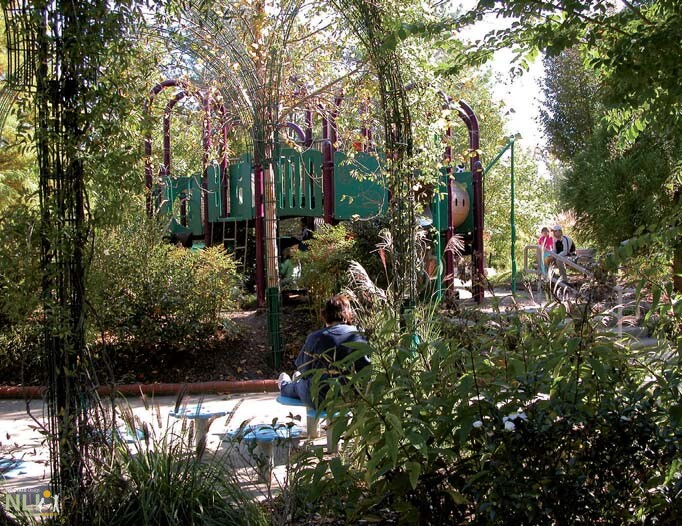
Equipamiento de juego integrado en el elemento natural. / Play equipment integrated into natural elements.
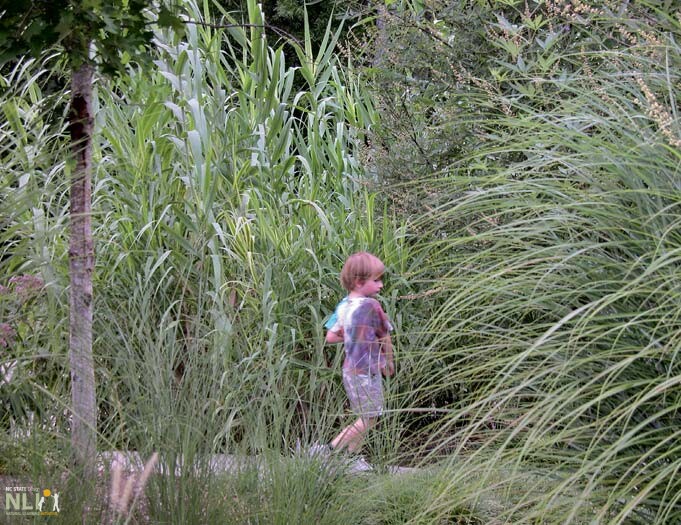
Laberinto de gramíneas / Grass maze setting.
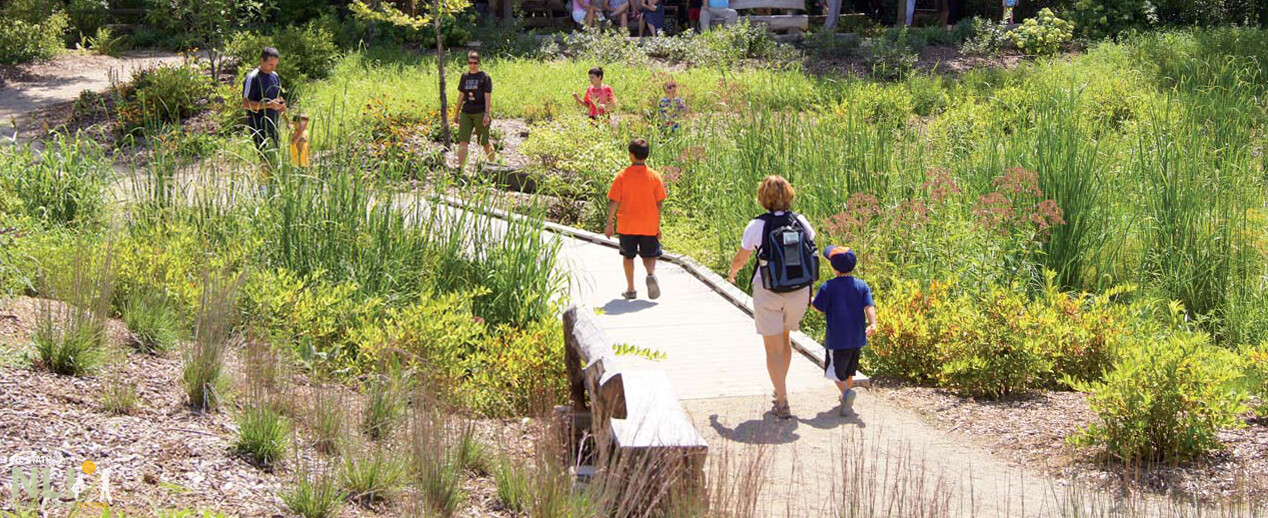
Un prado abierto ofrece muchas oportunidades para explorar fuera de los caminos. / Open meadow setting provides many opportunities for off path exploration.
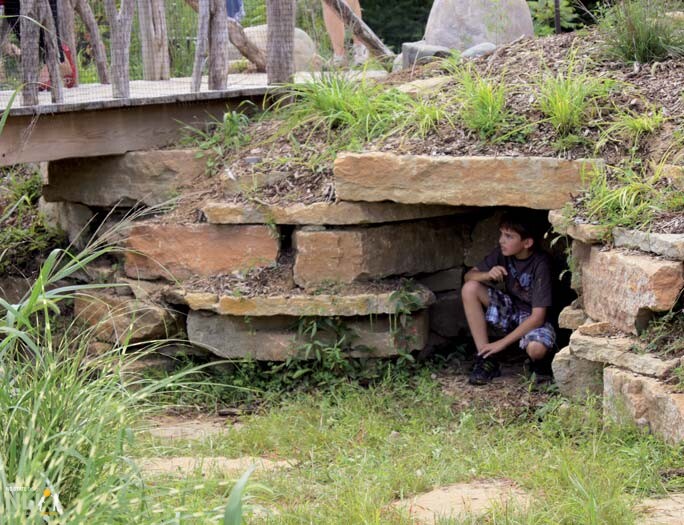
Las cuevas ofrecen un escondite aislado para explorar y refugiarse. / Cave setting offers secluded, “prospect-and-refuge” hideaway.
Camino y parterres de jardín. / Pathway and garden beds.