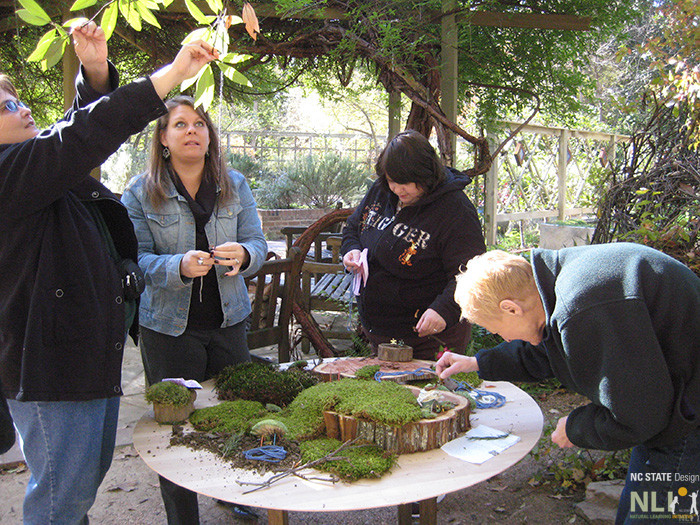
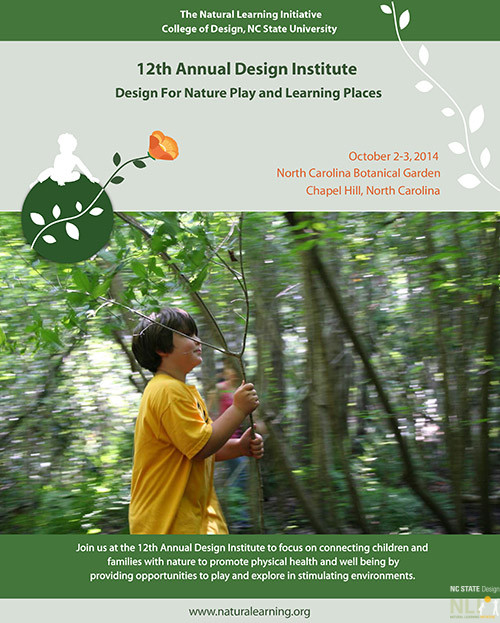
Whether you are taking the first steps or already support a nature play and learning environment, the 12th Annual Design Institute provided participants with tools to develop spaces that encourage today’s “indoor children” to go outside and stay outside. Managers of arboreta, botanical gardens, zoos, nature centers, parks, public lands, childcare centers, schools, and museums experienced first hand how to make nature a part of children’s environments through plenary presentations and interactive workshops.
Speakers
Robin Moore, MCP, Hon ASLA, Director, Natural Learning Initiative, College of Design, NC State University. Nature Play & Learning Places: Design, Implementation, and Management.
Allen Cooper, MPP, JD. Director, State and Local Education Advocacy, National Wildlife Federation. Nature Play & Learning Places: Risk Management.
Rich Dolesh, V.P. for Conservation and Parks, National Recreation and Park Association. The National Perspective for Nature Play & Learning in Parks and Public Lands.* (lecture video not given for online use)
Phil Waters, Play Project Coordinator, Eden Project; PhD Candidate, European Centre for Environment and Human Health. The Culture and Mythology of Children’s Nature Play and Learning Places: Exploring Children’s Narratives.* (lecture video not given for online use)
Ruth Wilson, PhD, Consultant and Author, Early Childhood Environmental Education and Curriculum. Education or Enchantment?
Jesse Turner, MLA, PLA, Design Coordinator, Natural Learning Initiative. Watch this Space – Design for the Wonder Garden, NC Botanical Garden.
Bill Hopple, MS, Executive Director, Cincinnati Nature Center. Creating a Regional Nature Play Strategy: The Nature PlayScape at the Cincinnati Nature Center.
Charles Yelton, Director of Prairie Ridge Ecostation, NC Museum of Natural Sciences. Play Spaces as an Introduction to the Natural World.
Linda Kinney, MA, Education Specialist/Manager, Playful Pedagogy, NC Zoo Education. kidZone: Nature Play, Programming, and Playful Pedagogy at the NC Zoo.
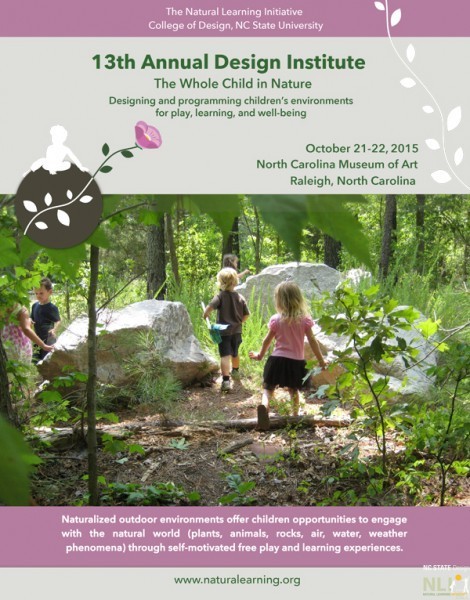
Designing and programming children’s environments for play, learning, and well-being. Learn how naturalized outdoor environments offer children opportunities to engage with the natural world (plants, animals, rocks, air, water, weather phenomena) through self-motivated free play and learning experiences.
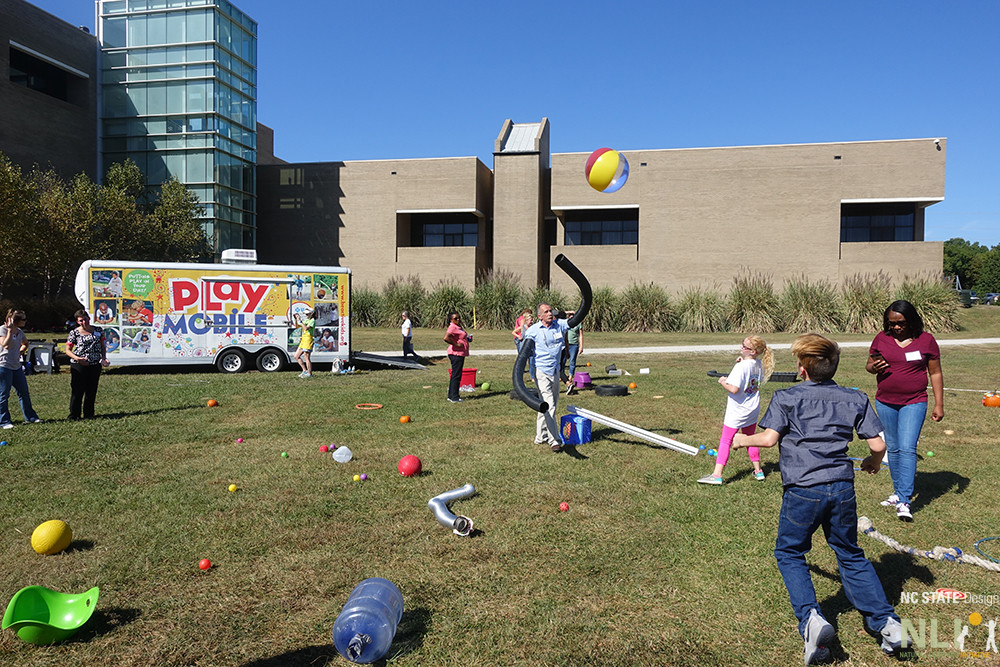
This year the event took place at the North Carolina Museum of Art.
Speakers
Nilda Cosco, PhD, Director of Programs, Natural Learning Initiative, College of Design, NC State University. Outdoor Environments for the Whole Child
Considering the child as a whole person is not a new idea. However, we tend to prioritize domains of development and health in an effort to focus on particular childhood issues and in so doing overlook the need for balanced development across all domains. One of the great virtues of naturalized outdoor environments is their ability to offer children opportunities to engage with others, plants, and living creatures, and to feel one with nature as whole persons.
Marcy Guddemi, PhD, MBA, President and CEO, Gesell Institute of Child Development, Yale University. The Link to Academic Success: Understanding Play, the Brain, and Outdoors
Academic success starts with pretend play in the great outdoors! This session will focus on why all play is important, but not all play is of equal value; why the new neuroscience on brain developments supports pretend play; and how the elements found in the outdoors encourage mature, intentional socio-dramatic play among children.
Catherine Eberbach, Program Director, National Science Foundation, Research on Learning in Formal and Informal Settings. From Seeing to Observing: How Children and Parents Learn to See Science in a Garden* (lecture video not given for online use)
How do children begin to make the transition from seeing the natural world to scientifically observing the natural world? This presentation considers how differences in parent conversational strategies and disciplinary knowledge impact children’s experience observing pollination phenomena during shared family activity.
Deborah Mugno, Ed D., Director of Education and Operations, Lucy Daniels Center. Nature = Nurture: The Relationship Between Natural Spaces and Children’s Mental Health
Children with behavioral and emotional difficulties may use or interact with nature in very different ways depending on their diagnosis, level of disturbance, and past experiences. The child with depression might find comfort in elements that soothe or protect; the child with autism could easily be overcome with sensory input or become involved in activities that are so exciting or anxiety producing that they incite preservative reactions; and the aggressive child may turn outdoor play into destructive play, looking for ways to cope with “big” feelings. Helping children with emotional difficulties find their “niche” in natural environments may require careful observation, insight, and guidance. This session will offer thoughts on providing assistance to these children so they might engage meaningfully with nature to expand healthy play and exploration.
Christy Merrick, Director, Natural Alliance, North American Association for Environmental Education (NAAEE). Quality Counts: Promoting Excellence in Environmental Education
High-quality environmental education in the early years promotes the development of healthy children, healthy communities, and a healthy planet. But what does “high-quality” look like? We’ll explore what early childhood environmental education is (and isn’t), review what experts believe high-quality environmental education for young children should include, and look at several tools to help develop and evaluate environmental education programs for young children.
Allen Cooper, MPP, JD, Director of State and Local Education Advocacy, National Wildlife Federation. Risk Literacy: A Holistic Approach to Risk Management* (lecture video not given for online use)
What do a kid on a swing, a center director, and an insurance underwriter all have in common? They are all trying to manage risk—and operating within a society that is risk-averse and doesn’t provide them with many tools or experiences that helps them to do that in a way that allows them to achieve their aims. In this workshop, we will learn about the limitations of our traditional, regulation based approach to risk, and an alternative approach that focuses on risk literacy.
Lorie Barnes, Executive Director, NC Association for the Education of Young Children (NCaeyc). Mindfulness in Nature: How Outdoor Learning Supports Well-being of Children and Adults
Mindfulness is the process of developing greater awareness of and intentionality about one’s experiences, thoughts, physical being, feelings, and behaviors. In short, mindfulness is being reflective and paying attention… or “reflective attention.” Reflective attention is about being observant, acting with purpose and attuning to one’s ever-changing conditions. Being mindful in nature with young children provides unique opportunities for reflective attention and richer, more authentic learning and developmental experiences. Playing and learning in nature fosters personal well-being and positive interactions with others. Nature play can help create a caring community of learners where each individual thrives within a positive group setting. Because young children’s developing brains crave both predictability and novelty, it is important to provide rich experiences within a familiar context. While these paradoxical conditions may not easily co-exist in a classroom setting, playing and learning in nature provide an endless supply of opportunities for exploration, wonder, and intrigue within patterns, routines, and settings that bring children comfort and certainty. The brain pathways children develop and strengthen during nature play translate into greater success in the classroom. In mindful nature play, children develop sensory, behavioral and cognitive abilities that allow them to become attentive thinkers, creative problem-solvers and capable learners. In this session, we will explore the importance of and ways to support mindfulness in nature, “reflective attention,” and our own well-being so that we can have the greatest possible positive impact on young children.
Ruth Wilson, PhD, Consultant and Author, Early Childhood Environmental Education and Curriculum. Engaging the Whole Child
The focus of the Engaging the Whole Child session is on planning and conducting outdoor activities with the development of the whole child in mind. Specific ideas will be offered on how to address some of the physical, social, emotional, and academic goals for young children through nature‐focused activities in an outdoor setting.MCP, Hon ASLA, Director, Natural Learning Initiative, College of Design, NC State University
Jennifer Cutraro, Editorial Project Director, Science Education, WGBH TV Boston. Go Digital and Get Outdoors and Learn Some Science Too!
In his book Last Child in the Woods, Richard Louv coins the phrase “nature deficit disorder” and writes compellingly of the perils this disconnect with nature poses for the well being of children. To re-connect with nature, he and others say kids need personal, meaningful experiences in the out-of-doors. Giving kids these experiences, however, is not always easy, especially in a world where kids seem ever more attached to digital devices. But what if we took advantage of the digital and used it as a medium to encourage kids to go outside, explore, and learn some science along the way? This is the idea behind Plum Landing, the Emmy-nominated WGBH and PBS KIDS project that aims to help kids ages 6-9 connect to nature, learn about ecosystems, and get excited about their role as caretakers of the planet. Plum Landing invites kids to explore ecosystems around the world – rainforests, deserts, and more – and to then head outdoors to explore their own ecosystems through a suite of hands-on activities and interactive digital tools. See how parents and educators are using this program to explore STEM concepts in the outdoors, then try out some of these digital tools on a follow-up walk through the arboretum.
Ronda Hawkins, Professor and Program Coordinator, Early Childhood Education, Sandhills Community College. The Whole Child in Nature: Do I Need to Teach That?
The answer is unequivocally yes! The most important reason being the fact that children’s social, psychological, academic and physical health is positively impacted when they have DAILY contact with nature. We will look at the whole child in nature through the lens of North Carolina’s Foundations for Early Learning and Development’s five domains; Approaches to Play and Learning (APL), Emotional and Social Development (ESD), Health and Physical Development (HPD), Language Development and Communication (LDC), and Cognitive Development (CD). We will also define the Knowledge, Skills, and Dispositions that we want our early childhood teachers to exhibit and discover what’s in our teacher preparation toolbox. The discussion will center on providing direct experience, embedding training into courses across the degree program, and sharing documentaries and video clips that promote critical thinking. We’ll look closely at the NC Children’s Outdoor Bill of Rights and ask ourselves, how are NC’s children?
Robin Moore, MCP, Hon ASLA, Director, Natural Learning Initiative, College of Design, NC State University. Learning to be a Planetary Lifeguard
Rapidly growing evidence demonstrates the positive health impacts to being outdoors, embraced by nature’s benevolence. But that’s just the beginning. A new biophilic culture must evolve from children (the next generation of politically active, mindful citizens) by being immersed and engaged with nature in places of everyday life — places intentionally created for play, learning, and education. What is the “curriculum” that can drive this movement successfully?
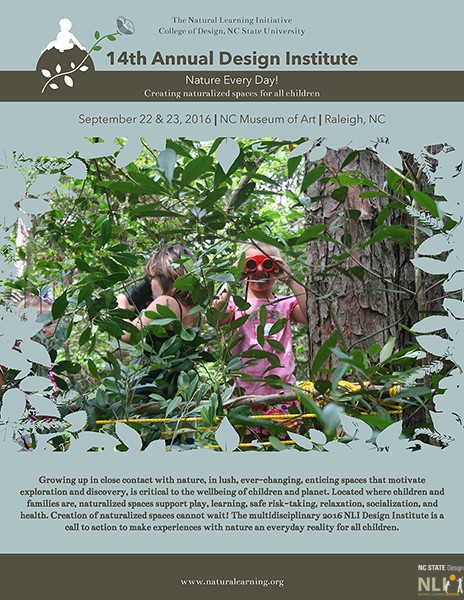
Nature Every Day! Creating naturalized spaces for all children
Growing up in close contact with nature, in lush, ever-changing, enticing spaces that motivate exploration and discovery, is critical to the wellbeing of children and planet.
Located where children and families are, naturalized spaces support play, learning, safe risk-taking, relaxation, socialization, and health. Creation of naturalized spaces cannot wait! The multidisciplinary 2016 NLI Design Institute is a call to action to make experiences with nature an everyday reality for all children.
Nilda Cosco, PhD, Director of Programs, Natural Learning Initiative, College of Design, NC State University, Raleigh, NC. Nature Play for All Children.
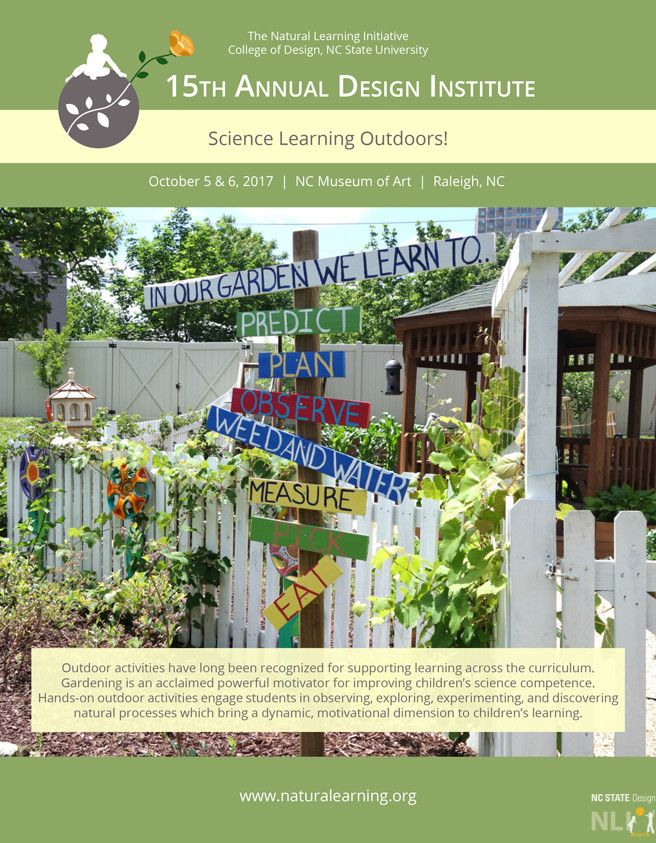
Outdoor activities have long been recognized for supporting learning across the curriculum and gardening acclaimed as a powerful motivator for improving children’s science competence. Hands-on outdoor work engages students in observing, exploring, experimenting, and discovering natural processes bringing a dynamic, motivational dimension to children’s learning.
Nilda Cosco, Ph.D. Research Associate Professor, Director of Programs, Natural Learning Initiative, NC State University. Science Learning and Daily Life.* (lecture video not given for online use)
Robin Moore, MCP, ASLA Hon.Professor of Landscape Architecture, Director, Natural Learning Initiative, North Carolina State University. Design for Outdoor Science Learning.
Kathy Cabe Trundle, Ph.D.Department Head and Professor, STEM Education, College of Education, North Carolina State University. Digging into Gardening to Germinate Science Learning.* (lecture video not given for online use)
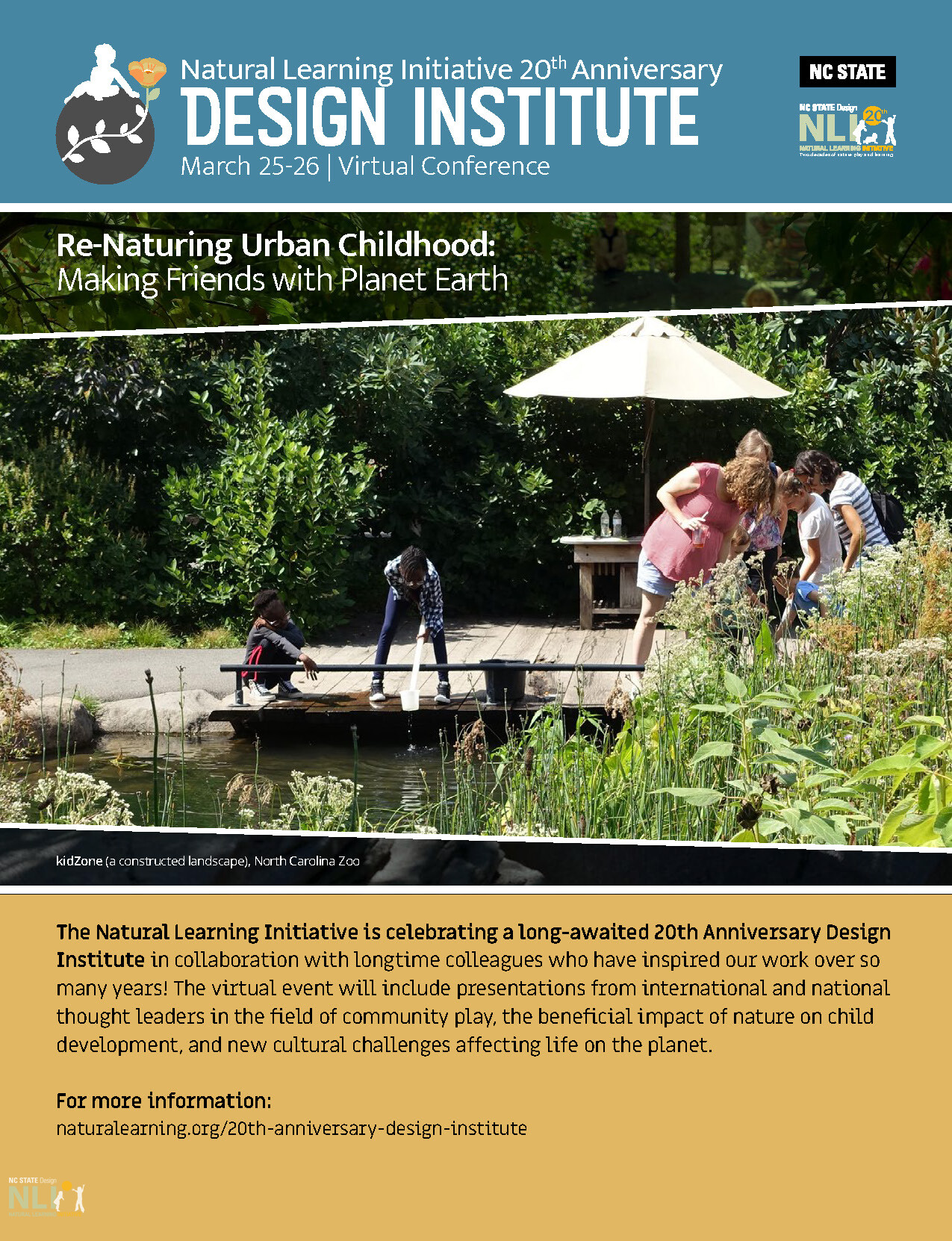
Re-Naturing Urban Childhood: Making Friends with Planet Earth
The Natural Learning Initiative is celebrating a long-awaited 20th Anniversary Design Institute in collaboration with longtime colleagues who have inspired our work over so many years! The virtual event will include presentations from international and national thought leaders in the field of community play, the beneficial impact of nature on child development, and new cultural challenges affecting life on the planet.
Founder and Former President of International Play Association Brasil, São Paulo, Brazil
Janine Dodge
Director of International Play Association Brasil, São Paulo, Brazil
Isami Kinoshita, PhD
Professor, Otsuma Women’s University; Professor Emeritus, Department of Landscape Architecture, Faculty of Horticulture, Chiba University, Tokyo, Japan
Cheryl Charles, PhD
Co-founder and CEO Emerita, Children & Nature Network
Cam Collyer
Principal of People and Place Consulting and Senior Advisor, Evergreen, Toronto, Canada
Louise Chawla, PhD
Professor Emerita, Program in Environmental Design, University of Colorado Boulder
Resources
Note: Most web browsers will translate text to your language of choice if you right-click a page and select translate.
Architecture and Landscape Architecture for Early Childhood
Visioning/ concept design, design programming, community/ stakeholder/ client engagement, concept design, budget and development. From the vision to construction documents.
Program
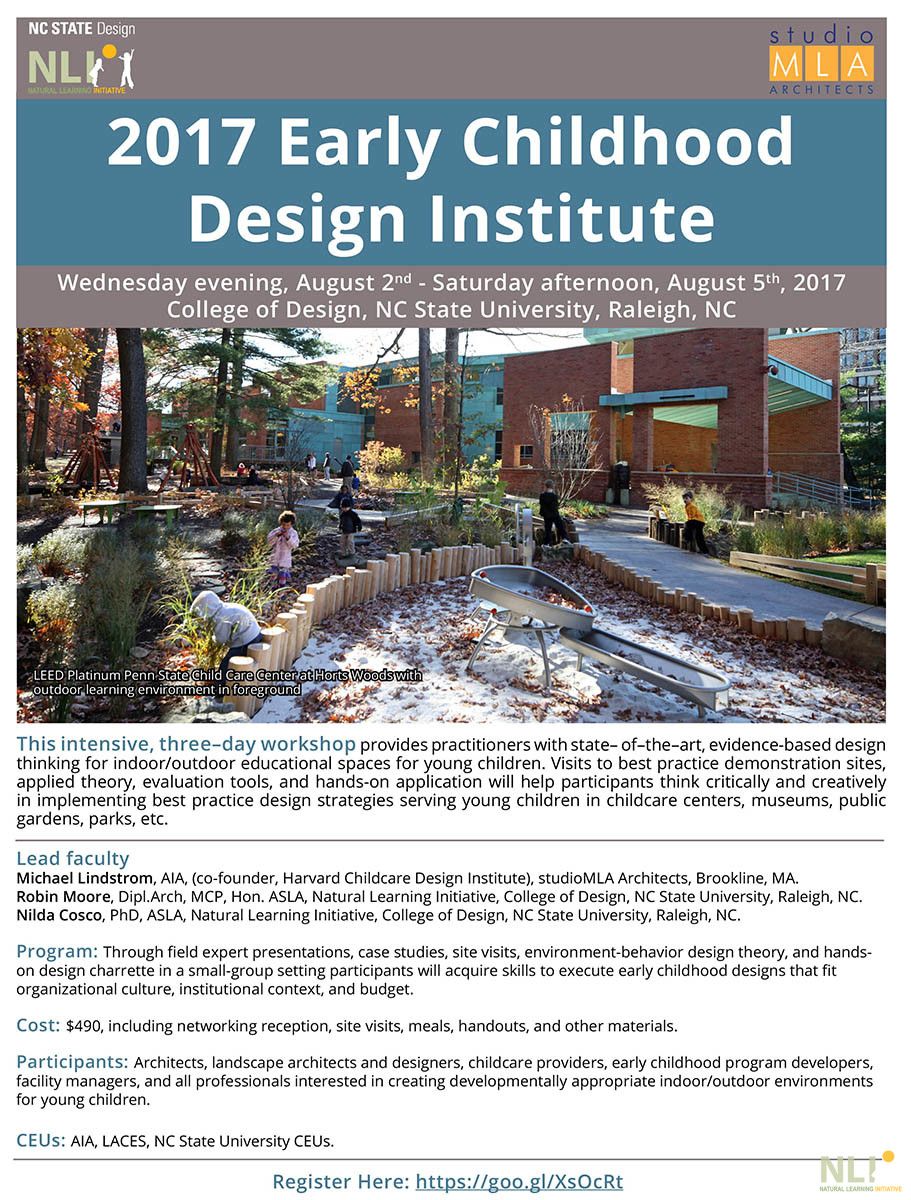
This intensive, three-day workshop provided practitioners with state of the art, evidence-based design thinking for indoor/outdoor educational spaces for young children. Visits to best practice demonstration sites, applied theory, evaluation tools, and hands-on application will help participants think critically and creatively in implementing best practice design strategies serving young children in childcare centers, museums, public gardens, parks, etc.
Through field expert presentations, case studies, site visits, environment-behavior design theory, and hands-on design charrette in small-group setting participants will acquire skills to execute early childhood designs that fit organizational culture, institutional context, and budget.
Stepping into the Future: NLI Showcases Immersive Learning Tools at NC State’s XR Showcase
On Wednesday, April 8, the Natural Learning Initiative (NLI) joined the first-ever Extended Reality (XR) Showcase to demonstrate innovative teaching tools developed through a 2023-2024 DELTA Exploratory grant. Held from 11 a.m. to 1 p.m. in the D.H. Hill Library Gaming and VR Studio, the event was hosted by DELTA (Digital Education and Learning Technology Applications) and the NC State University Libraries.
The showcase was designed as an interactive “playground” where faculty and staff could move freely between stations. Participants were encouraged to try immersive technologies firsthand, exploring how virtual reality (VR) and augmented reality (AR) are reshaping teaching and learning at NC State.
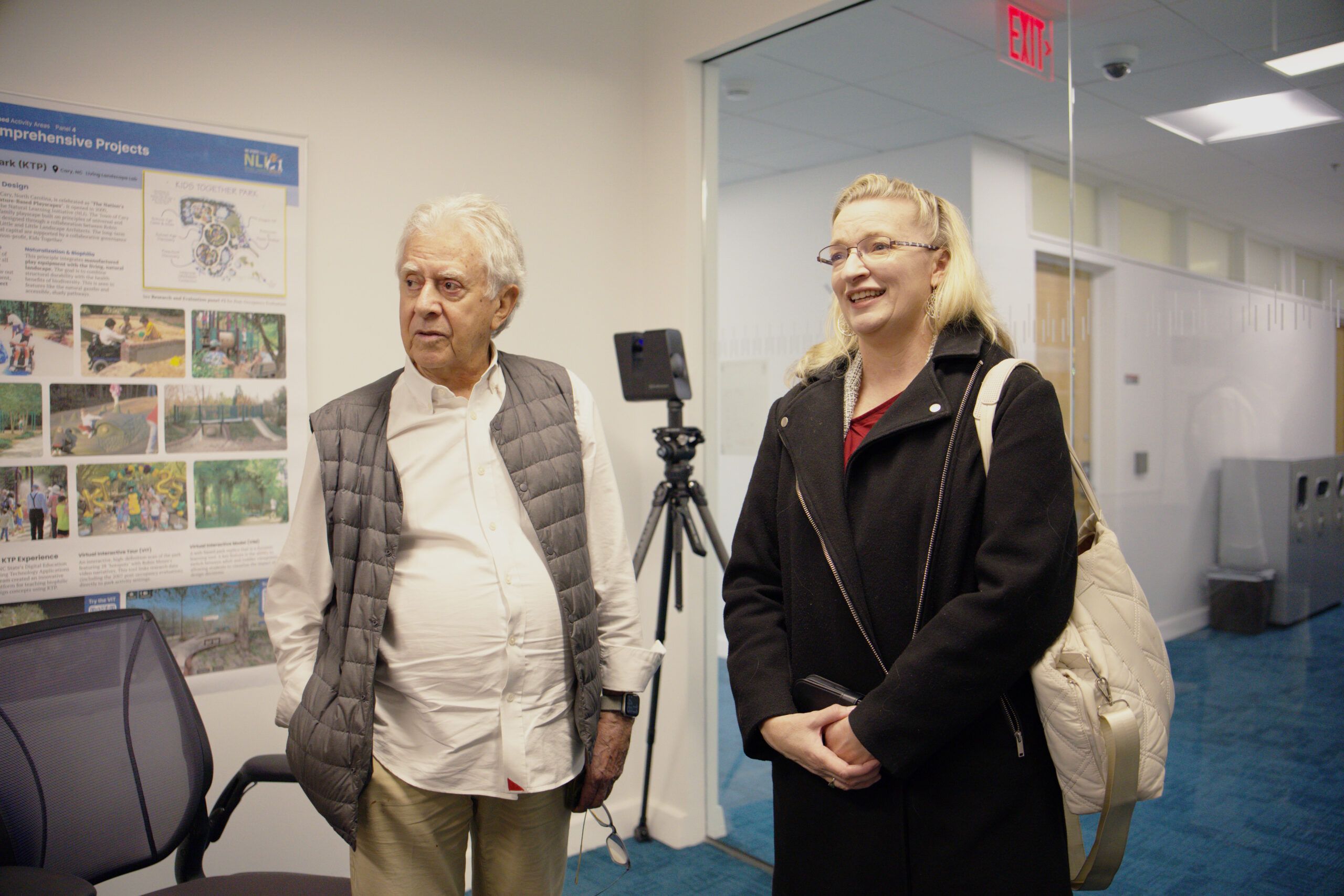
NLI Cofounder Robin Moore & DELTA Vice Provost Donna Petherbridge, PhD discussing the XR showcase.
The NLI team highlighted the Kids Together Playground (KTP) in Cary, NC—a landmark of inclusive, multi-age, recreational design. Originally opened in 2000 and designed by NLI’s Robin Moore, a prime example of universal biophilic design that seamlessly blends manufactured structures with natural biodiversity.
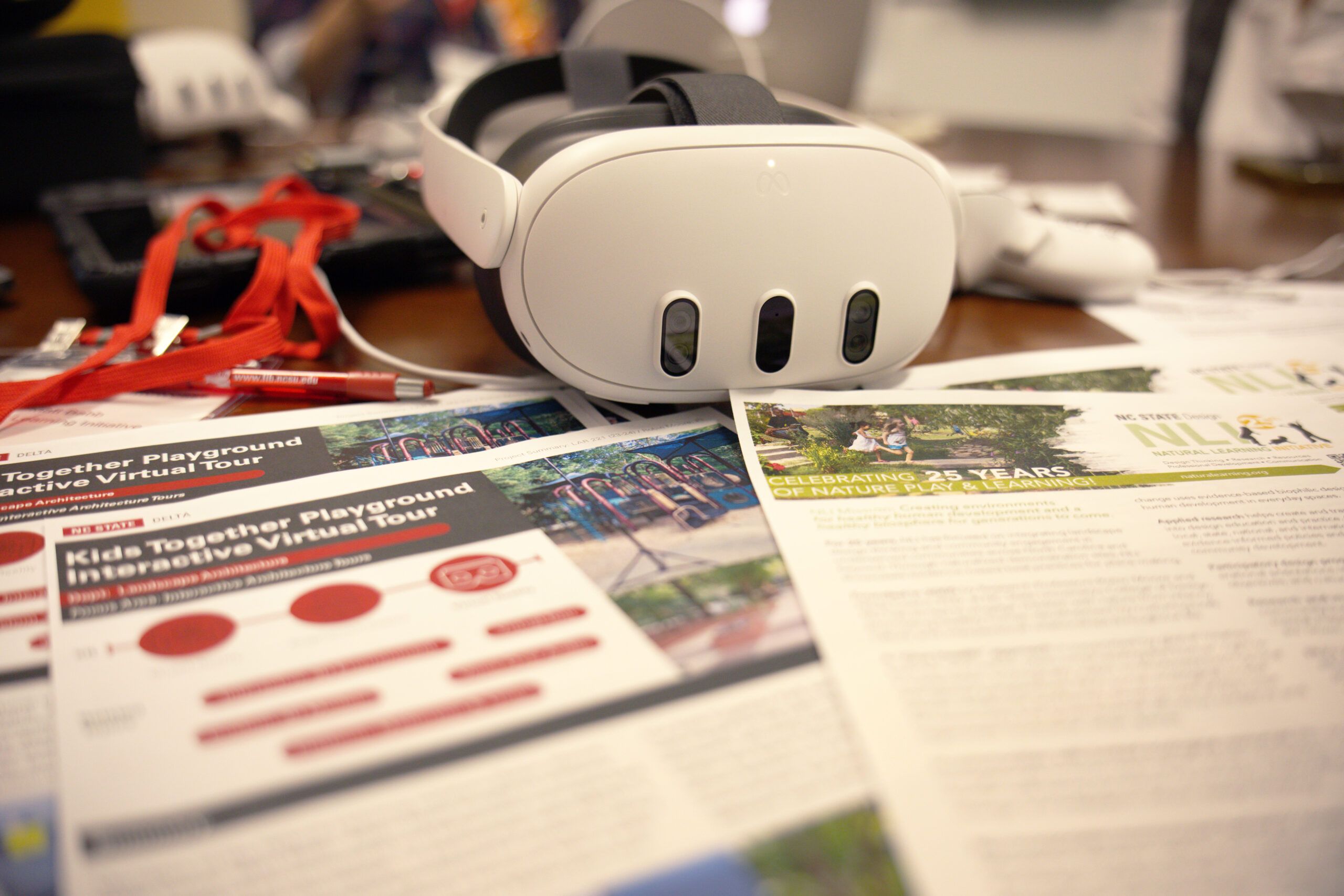
To bring this physical space into the digital classroom, NLI and DELTA developed two primary immersive experiences:
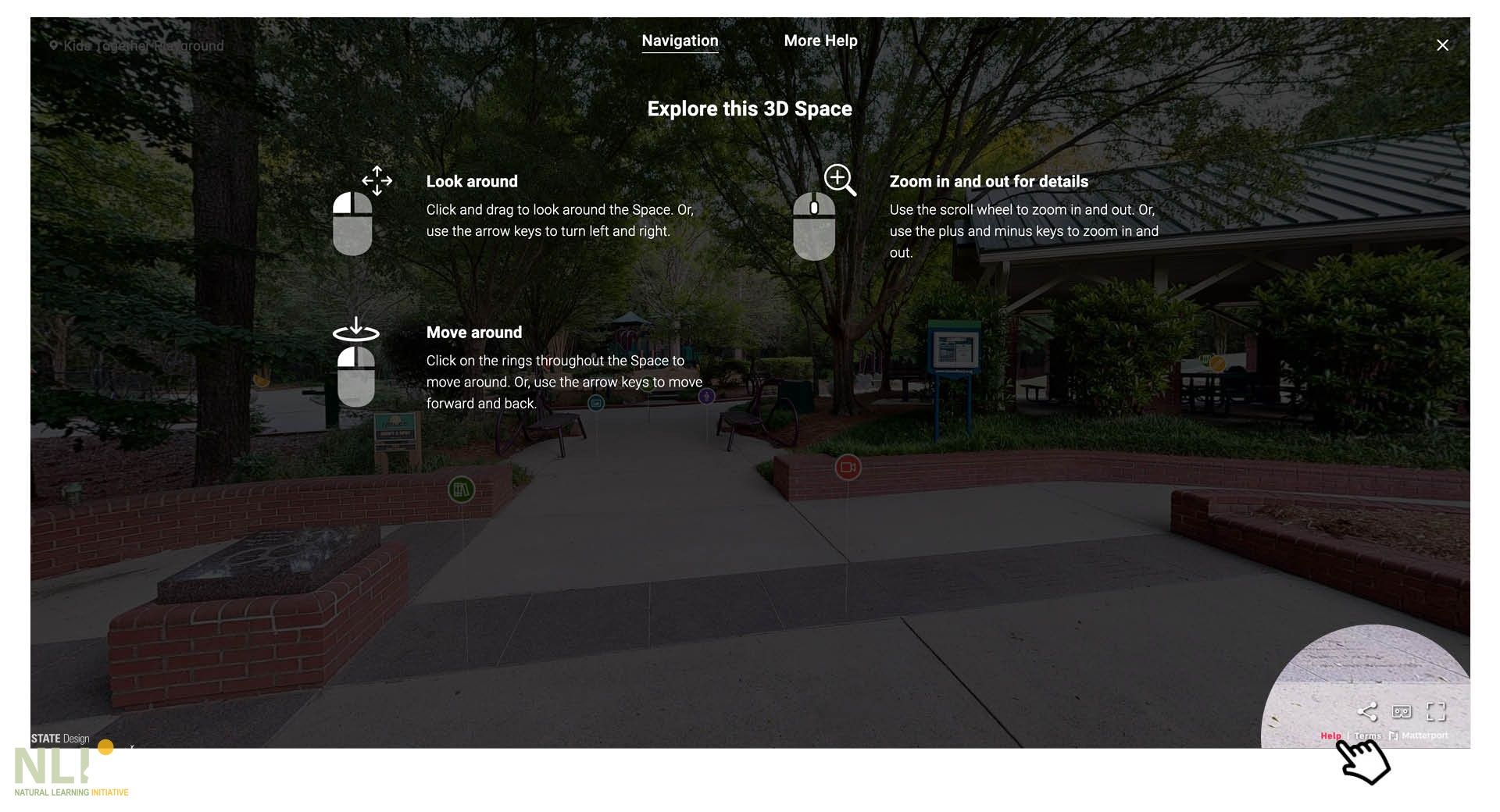
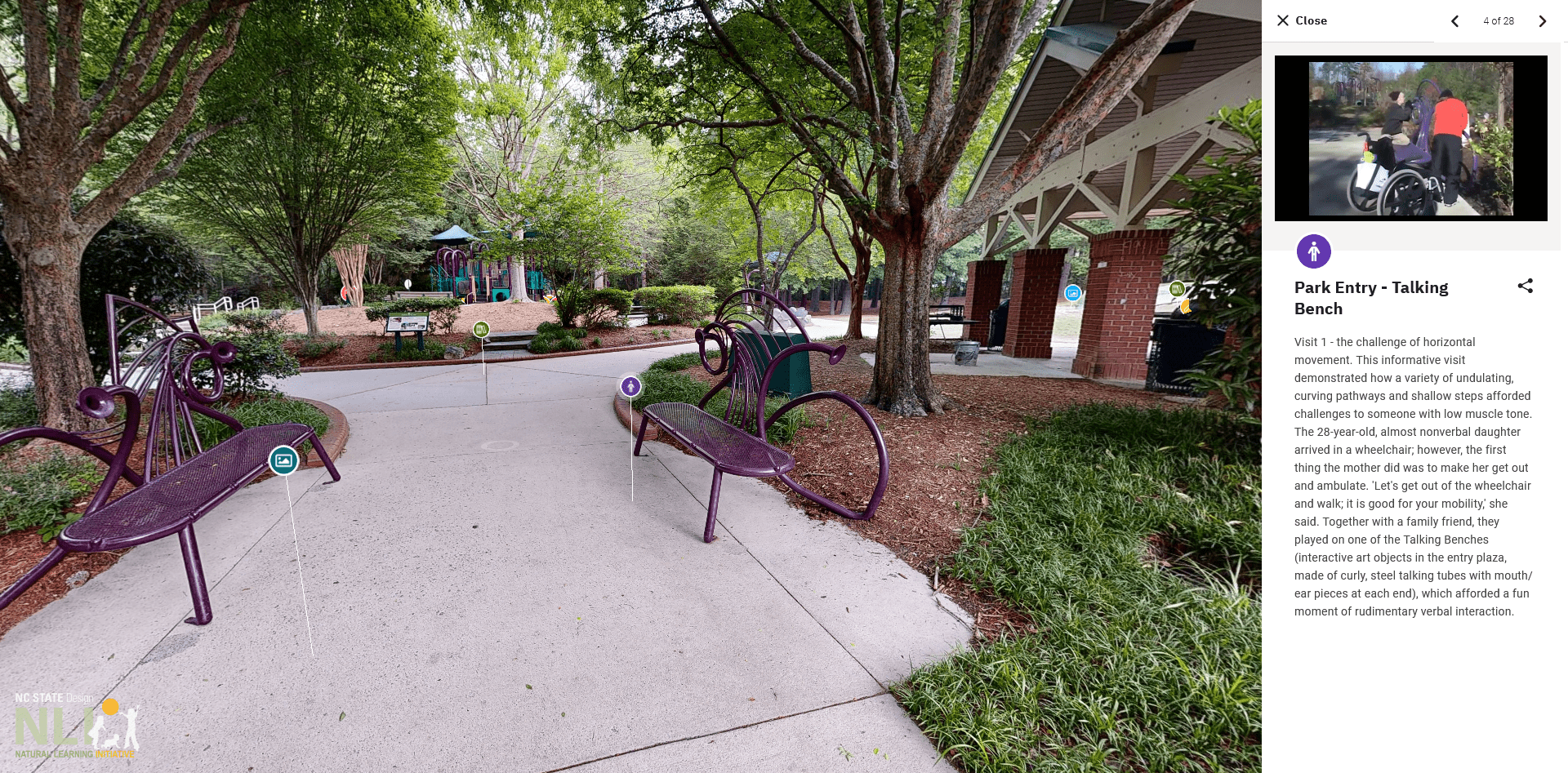
Virtual Interactive Tour (VIT): Built on the Matterport platform, this high-definition scan of the park includes 28 interactive hotspots. Narrated by Robin Moore, the hotspots provide a “walk-through” experience that pairs research data with specific activity settings. The tour also features 360 videos, mobility studies, and accessibility insights conducted by wheelchair users.
Virtual Interactive Model (VIM): Developed using Three.js, this 3D replica of the toddler area allows users to change architectural design elements in real-time. A unique feature of the VIM is the ability for users to switch their height perspective, simulating how different audiences—from children to adults—interact with the park’s environment.
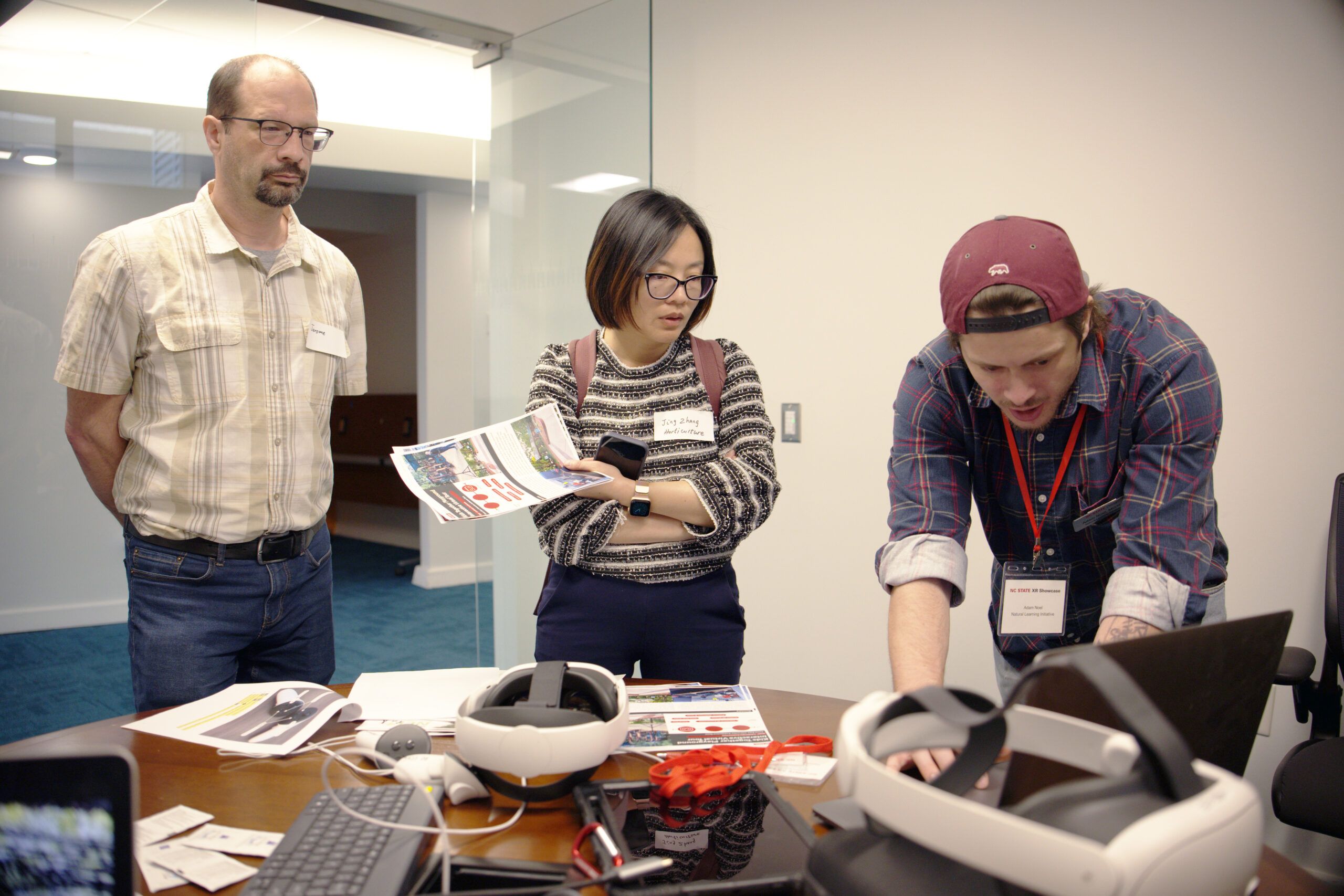
Adam Noel (NLI) demonstrates the Kids Together Playground Virtual Interactive Tour (VIT) to campus research colleagues.
These tools serve as a powerful distance learning resource, allowing remote students and policy makers to virtually tour the playground and examine how design impact users within a fully-accessible, inclusive, biophilic urban environment. By putting these technologies directly into the hands of educators, the showcase helped turn abstract questions about XR into tangible possibilities for future courses.
The project was a joint effort between the NLI and DELTA teams.
NLI Team: Robin Moore (NLI Cofounder and PI), Nilda Cosco, PhD (NLI Cofounder), Adam Noel (Media Designer), and Matthew Babb (Media Designer), Matthew Maharaj (Instructional Support).
DELTA Team: Donna Petherbridge, PhD (Vice Provost), Arthur Earnest (Media Specialist), Jakia Salam (Instructional Specialist), and Ben Huckaby (Software Developer).
COLEQT Web App (coleqt.com) Beta Test Evaluation Form
Introduction
Thank you for participating in the beta test of the Childcare Outdoor Learning Environments Quality Tool (COLEQT) Web Application. Developed by the Natural Learning Initiative (NLI) at North Carolina State University, this digitally-based environmental management tool is designed to assess and enhance the quality of Outdoor Play & Learning Environments (OPLE) in licensed childcare facilities.
Your feedback is critical to refining the app’s interface, usability, and technical performance before full public release. Please complete this evaluation after conducting a live or trial site assessment using coleqt.com.
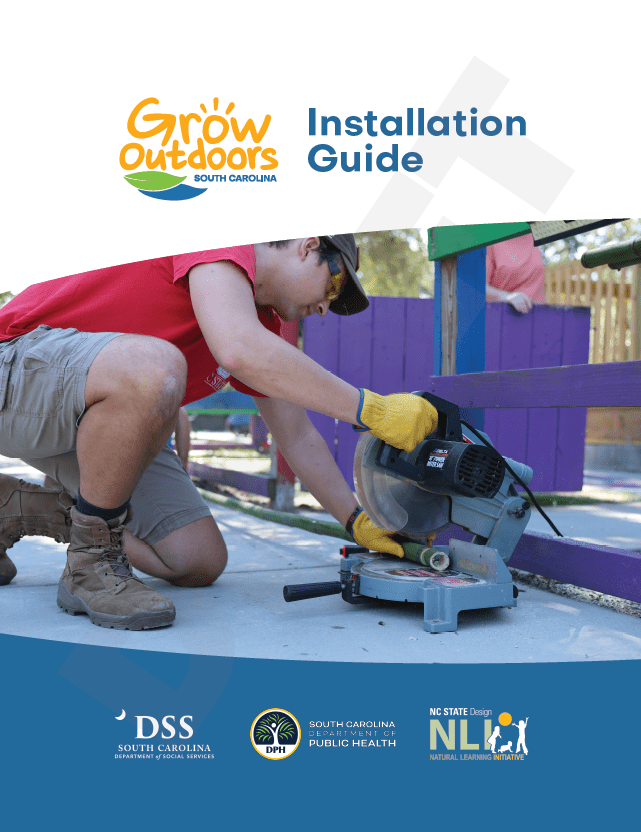
Thank you for helping us improve the South Carolina Outdoor Learning Environment (OLE) Installation Guide. Please take 5 minutes to complete this simple form after reviewing or using the guide to install an activity setting. Your feedback directly shapes the final version.
Kids Together Playground, a universally-designed, family recreation space in Cary, NC, opened in 2000, designed by NLI’s Robin Moore in collaboration with Little and Little and staff landscape architect, Robb Harrisson. The park’s creation was rooted in a community-driven design process, making it a standout example of inclusive, multi-age, recreational design. Terminating Cary’s Hinshaw Greenways, the playground demonstrates how manufactured and natural components can seamlessly combine the durability of playground structures with the health benefits of biodiversity. Broad, looping pathways provide a shady, accessible route through a landscape of trees, shrubs, vines, and groundcovers. The verdant, biophilic design, equally serving children and accompanying adults, attracts families from across the county to play immersed in nature, to enjoy time together, or celebrate birthdays – including an annual party for the playground itself.
This interactive experience serves as a powerful distance learning resource, enabling remote course participants to virtually tour the park and view video snippets that highlight the design concepts behind this pioneering playground.
History of Kids Together Playground from Kids Together Inc.





 Christy Merrick, Director, Natural Alliance, North American Association for Environmental Education (NAAEE). Quality Counts: Promoting Excellence in Environmental Education
 Allen Cooper, MPP, JD, Director of State and Local Education Advocacy, National Wildlife Federation. Risk Literacy: A Holistic Approach to Risk Management* (lecture video not given for online use)
 Ruth Wilson, PhD, Consultant and Author, Early Childhood Environmental Education and Curriculum. Engaging the Whole Child
 Ronda Hawkins, Professor and Program Coordinator, Early Childhood Education, Sandhills Community College. The Whole Child in Nature: Do I Need to Teach That?