Moore and Cosco presented at the 15th International Congress of Educating Cities, Cascais, Portugal
Join NLI’s Nilda Cosco and Robin Moore at the NC Botanical Garden on April 25th for a Lunchbox Talk about how being in contact with nature broadens children’s play and learning experience, contributes to positive physical, social-emotional, and cognitive development, exposes children to living ecosystems, and stimulates their curiosity to explore the wonders of nature early in life.
Lunchbox Talk: Contact with Nature = Healthy Child Development
Join NLI’s Nilda Cosco and Robin Moore at the NC Botanical Garden on April 25th for their Lunchbox Talk about how being in contact with nature broadens children’s play and learning experience, contributes to positive physical, social-emotional, and cognitive development, exposes children to living ecosystems, and stimulates their curiosity to explore the wonders of nature early in life.
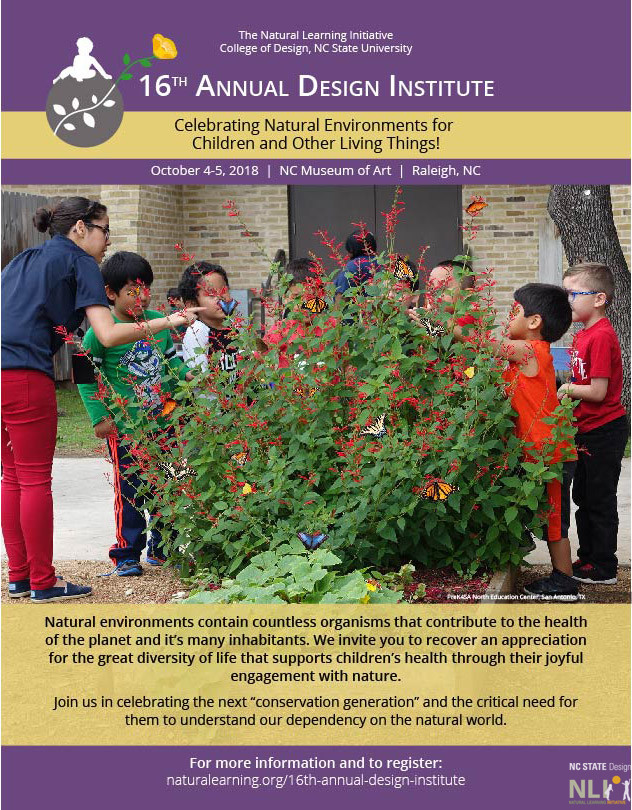
Celebrating Natural Environments for Children and Other Living Things!
Natural environments contain countless organisms that contribute to the health of the planet and it’s many inhabitants. We invite you to recover an appreciation for the great diversity of life that supports children’s health through their joyful engagement with nature.
Join us in celebrating the next “conservation generation” and the critical need for them to understand our dependency on the natural world.
Robin Moore, MCP, Dipl.Arch, Hon. ASLA, Director, Natural Learning Initiative and Professor of Landscape Architecture, College of Design, NC State University. Designing for Life: What’s the Problem?
Panelists
Check out some of the burning questions asked to our Myth Buster Panel:
David Brown, Regional Environmental Health Specialist & Surveillance Coordinator, NC Department of Health and Human Services.
Jeff Gaster, South Central Regional Manager, Child Development, NC Department of Health and Human Services.
Lia Rucker, M.Ed. State Anchor, NC Rated License Assessment Project, Human Development and Family Studies, UNC Greensboro.
Do you have any activities for young children about leaves changing color in the fall?
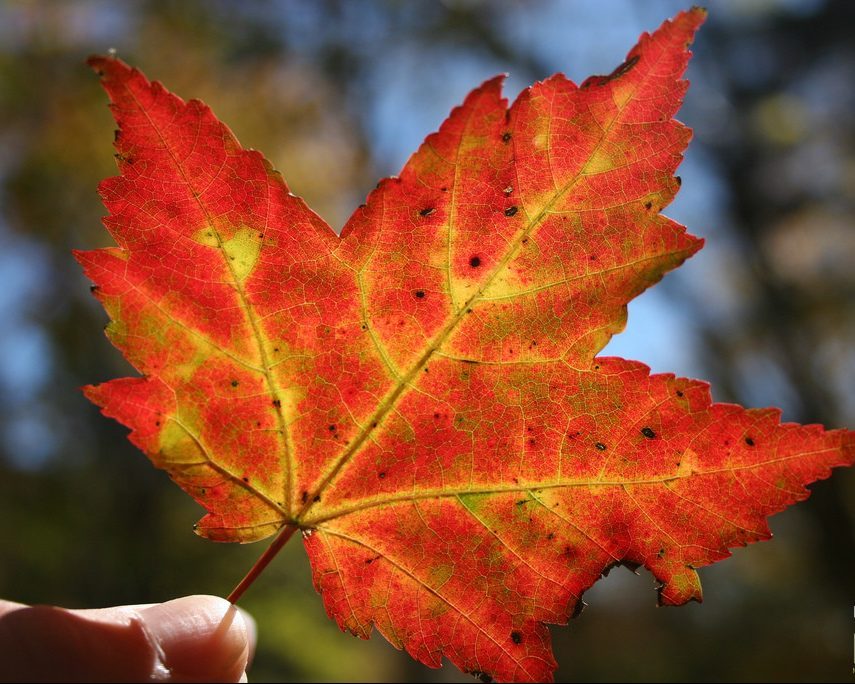
The changing color of the autumn leaves is a great opportunity for exploring science, art and literacy with young children.
If you remember your early science lessons, leaves change color when the weather gets colder because the tree stops making chlorophyll – the green pigment in leaves. This unmasks the colors that were there all along, but were hidden. Now the other colors—red, orange, yellow, purple and brown–of the leaves are revealed.
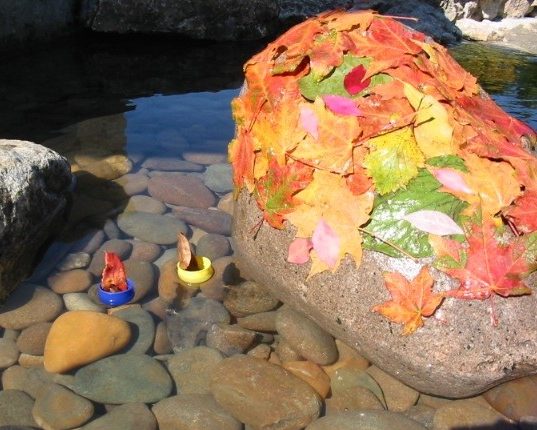
To help young children understand this concept, give them hands-on experience collecting, preserving, identifying, and examining leaves to deepen their understanding of how and why leaves change color in the fall. Take children on a nature walk and ask them to collect as many different color leaves as they can find. The children can arrange the leaves in a color wheel as shown in the photo at the right. This might also be a good time to introduce color combinations by giving them opportunities to explore mixing different colors together, such as red and yellow to make orange.
Reinforce their learning about changing fall colors by reading books. Leaf Man by Lois Ehlert [Harcourt, 2005], Why Do Leaves Change Color? by Betsy Maestro [HarperCollins Publishers, 1994], Leaves! Leaves! Leaves!, by Nancy Elizabeth Wallace [Marshall Cavendish Publishers, 2003] and other books containing information about identifying kinds of leaves are enjoyable ways for young children to experience the wonders of the fall season.
Resources
For more activities, see Environmental Experiences for Early Childhoodguide from Project Learning Tree. The guide will help educators lead exciting explorations and discoveries about our environment and includes over 130 educational experiences which integrate investigations of nature with art, literature, math, music, and movement.
Nature’s Art Box, By Laura C. Martin, David Cain – Storey Kids (2003)
Environmental Education for Kids (EEK): Why do leaves change color?
What are good edible plants for my landscape and garden?
Edible plants offer the same benefits in an outdoor learning environment (OLE) as traditional landscape plants—creating shade, defining paths, providing hideaways, beautifying the space, but they also add value by having edible parts.
Edible plants support children’s health
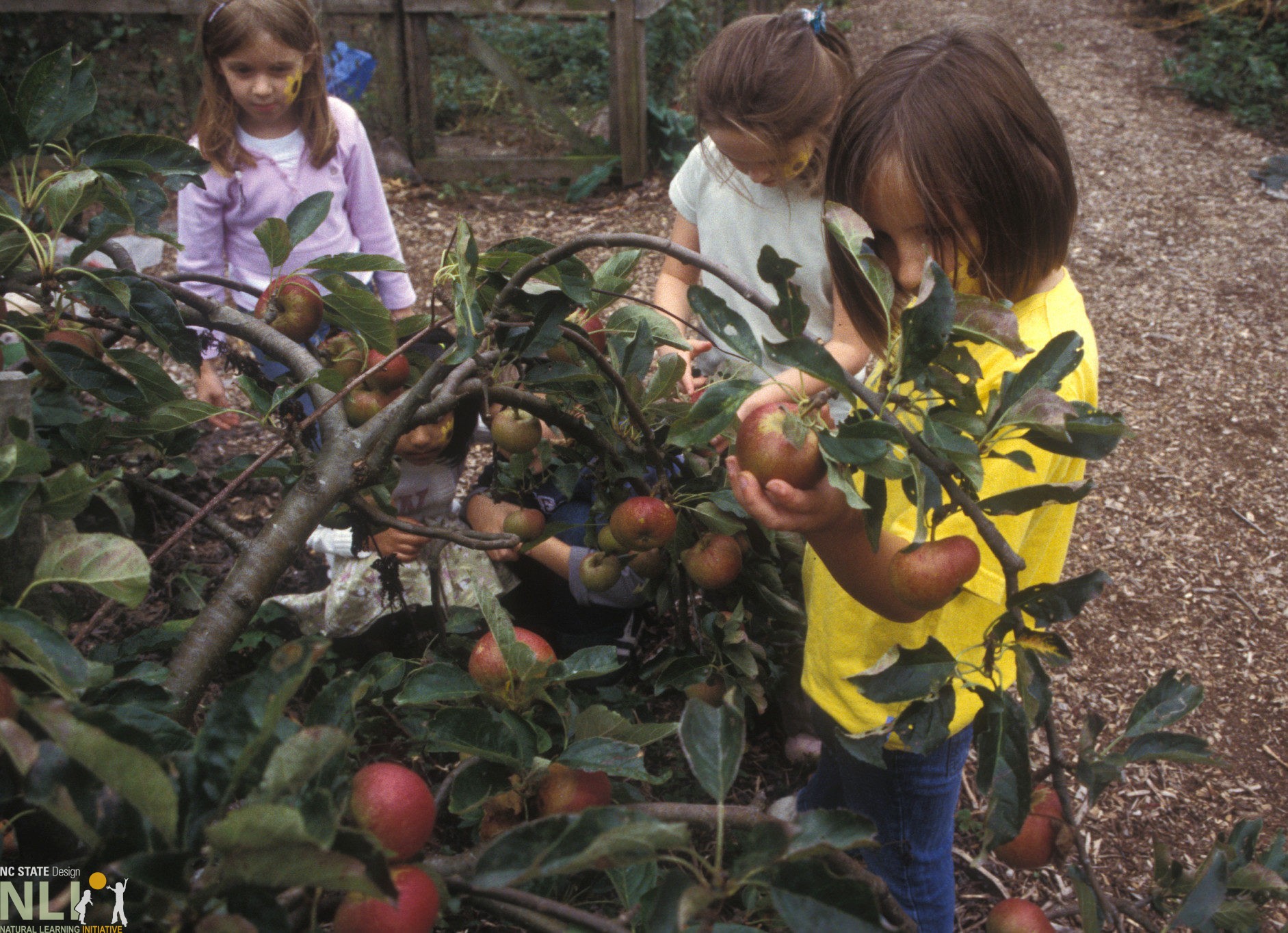
Edible plants provide many diverse learning experiences, including broadening the range of fresh, nutritious foods for children to enjoy. Research shows that children are more likely to try a new fruit or vegetable if they have been involved in planting, growing, and harvesting it. Edible landscapes at childcare centers where young children are enrolled year-round in all-day programs offer potential for children to learn healthy eating habits that will stay with them through life.
Implementing edible landscaping
Edible landscaping in childcare centers shares many similarities to domestic edible landscapes and can be implemented in two forms: permanent or perennial and annual edibles.
Permanent edibles include trees, shrubs, vines, and herbs that produce every year. Integrated into the overall planting plan, they can share space with appropriate settings throughout the OLE. Bear in mind that most fruit trees and shrubs require full sun and some have specific cultivation conditions, including soil quality and/or irrigation. Alternatively, consider planting fruit trees and shrubs in “orchard” groves or some other way such as on a pergola or arbor or espaliered on a south-facing wall, in locations that draw attention and create memorable settings. In spring, orchards become magical places as pollinators work busily overhead and petals fall like snow. In summer, shady orchards create cool gathering places or nooks for reading. In autumn, a plentiful harvest provides curricular and nutritional opportunities. Orchards gain in value each year as trees send roots deeper into the earth and become a perennial place of health and enjoyment for generations to come.
Annual edibles are vegetables that must be replanted every growing season. Because annual vegetables grow so fast and so dynamically, they provide diverse, hands-on learning experiences that change with the seasons. Thoughtfully planning annual crops with seasonal cycles in mind can provide opportunities for children to care for and engage with the environment nearly year-round. As they are enjoying the current harvest of tomatoes and green beans, they can be starting to grow lettuce and cabbage for the Fall and Winter.
“A modest garden contains, for those who know how to look and wait, more instruction than a library.” -Henri Frederic Amiel
How can I reduce the number of bothersome stinging insects?
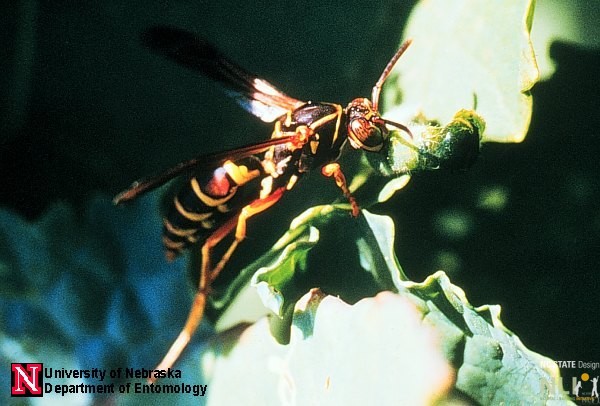
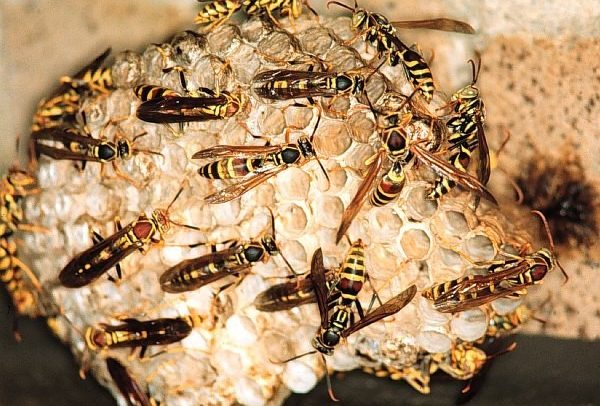
Yellow jackets, hornets, and paper wasps are all members of the wasp family. Although wasps are not efficient pollinators, they are useful for pest control. Wasp colonies should not be trapped or removed unless they have become a nuisance.
Trapping wasps. In late winter and early spring there is a 30- to 45-day period when new queens first emerge before they build nests and establish colonies. Trapping queens during this period is most effective. Lure traps can be made or purchased at retail stores that sell pest control supplies. One trap per acre is adequate in spring for trapping queens. In summer and fall, more traps may be necessary to trap scavenging wasps. Place traps outside of the outdoor learning environment.
Removing wasp nests. Unlike bees, wasp colonies die out each year. If a nest is built high in a tree, you may choose to simply wait until the colony dies out in late fall or early winter. If a nest is located where people may be stung, then colony destruction may be appropriate. Here are some points to consider:
With the center closed and no children in the playspace, spray pesticide directly into the nest opening and move away from the area in case wasps emerge from the nest. If done just before dusk, most of the wasps will be inside the nest. You can use an aerosol wasp and hornet spray that propels about 10-12 feet. You may need to repeat the treatment the following evening. Please remember to read all product instructions thoroughly and follow them closely. Best practice: Treat the nest on Friday evening, so the chemicals have the longest possible time to take effect and dissipate before children are back outdoors.
Use a low risk spray. Sprays containing eugenol, a component of clove oil, are fast acting and considered low risk.
Do not hold a lit flashlight or stand near other lights. Emerging wasps may be attracted to the lights.
Do not pour gasoline or petroleum down a nest hole. This is extremely hazardous and environmentally unsound.
As an alternative, you can blast the nest with a garden hose to remove it from a distance. Due to the disruption, the wasps will eventually abandon the nest, but may linger a few days.
If the nest is inaccessible or if you feel insecure about dealing with it, you may consider hiring a pest control company to do the work for you.
How can we reduce the number of mosquitoes in our outdoor learning environment?
Most important – eliminate standing water
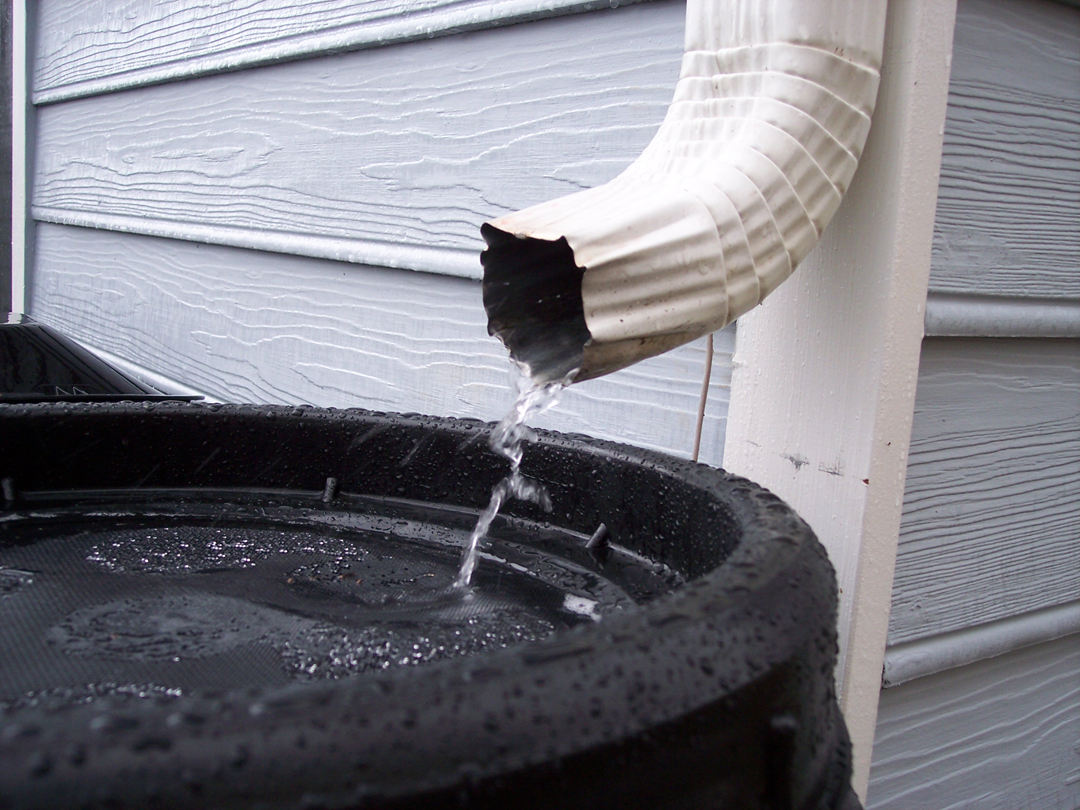
Clear roof gutters of leaves and debris that prevent water from draining properly. Gutter guards can help prevent leaves and debris from clogging gutters and downspouts.
Repair leaky outdoor faucets.
Water in birdbaths should be changed at least twice a week.
Empty or discard containers that can hold standing water.
Rain barrels and cisterns should have screens to keep out mosquitoes.
Correct drainage problems that cause water to pool.
Remove debris or report drainage problems in ditches and culverts.
Attract bats and dragonflies
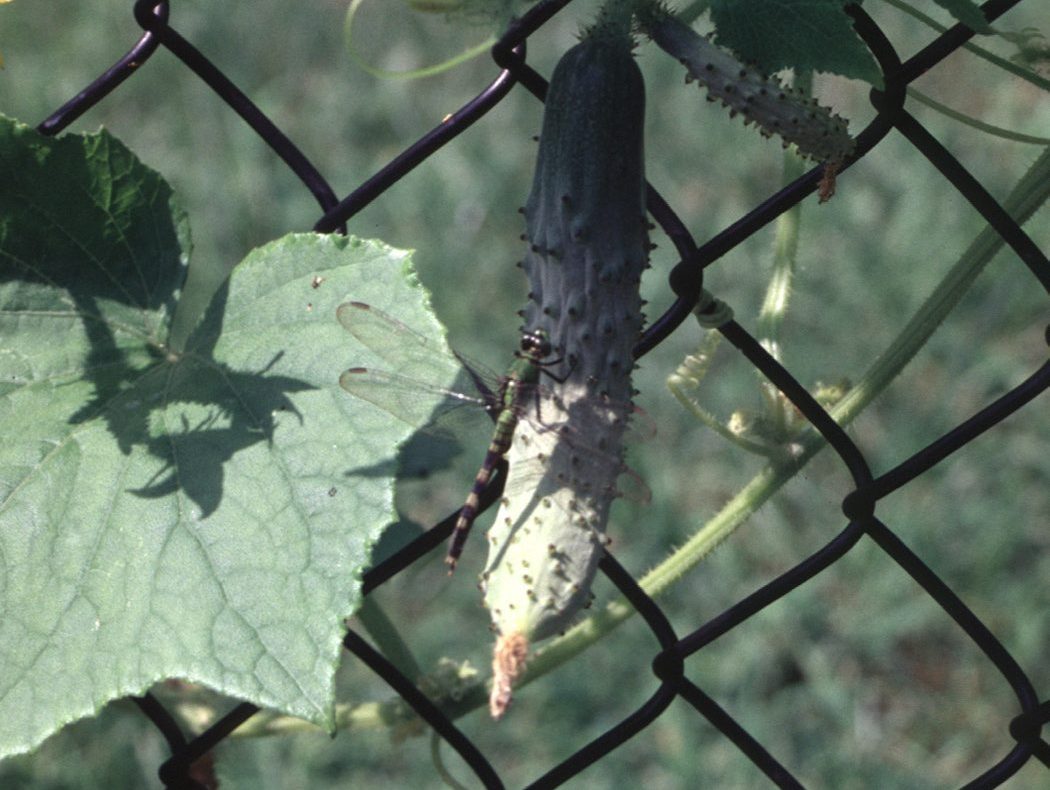
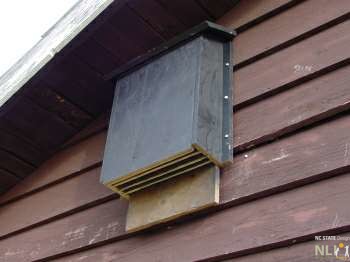
One small brown bat can catch 600 mosquitoes per hour and dragonflies have earned the nickname “mosquito hawk” due to their appetite for mosquitoes. To attract bats, build or buy a bat house. For information about building and installing a bat house, go to Bat Conservation and Management. Because dragonfly larvae are aquatic and adults must live near a body of water, dragonflies are a good option if you have an existing body of water.
What are some ways to improve an outdoor learning environment without breaking the bank?
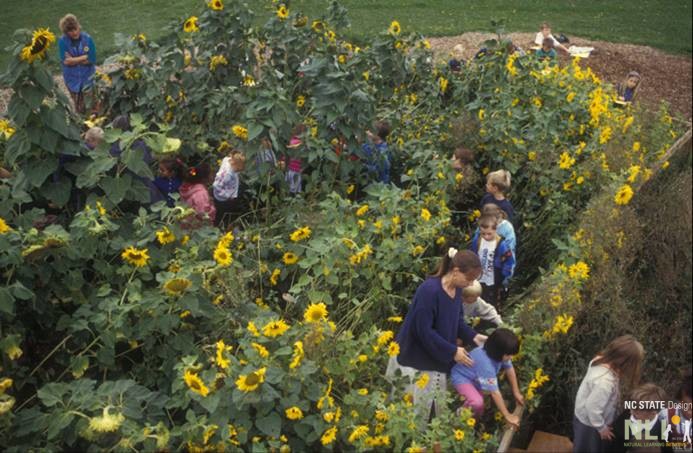
Sunflower houses are one of the many easy and cost effective ways to improve an outdoor learning environment.
Sunflower seeds + garden soil + sun = summer playhouse, maze, or secluded path
Sunflowers are easy to grow, they mainly just need water and sun! It’s always best to prepare the planting beds first, mixing in some compost or good soil if existing soil is too heavy. Try different sunflower varieties to see how they grow and compare them with the kids. Once blooming, pick and use for flower arrangements, or let the flowers dry out and hang down on the stalks. Birds will enjoy the food source from the seeds.