What are some ways to improve an outdoor learning environment without breaking the bank?
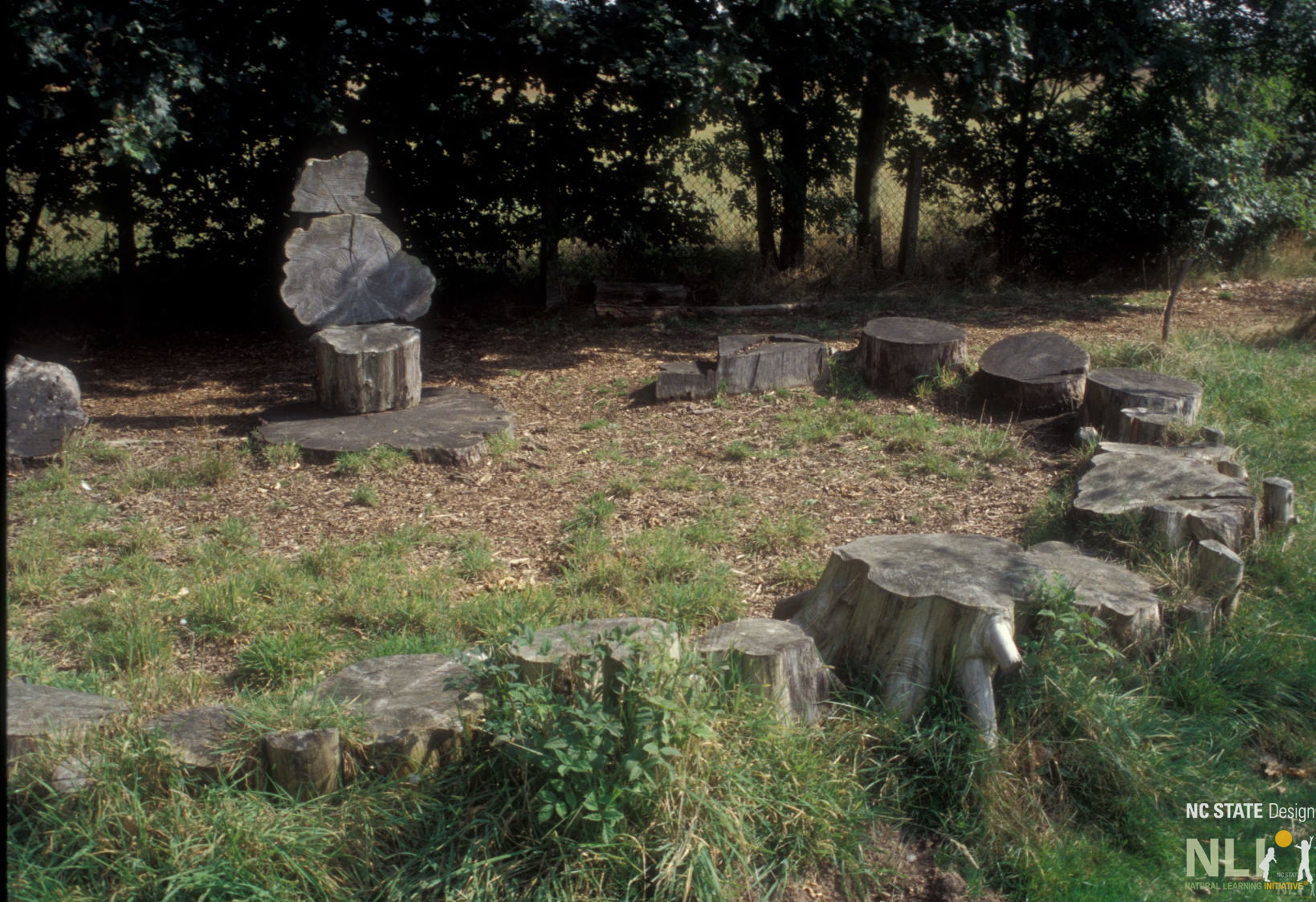
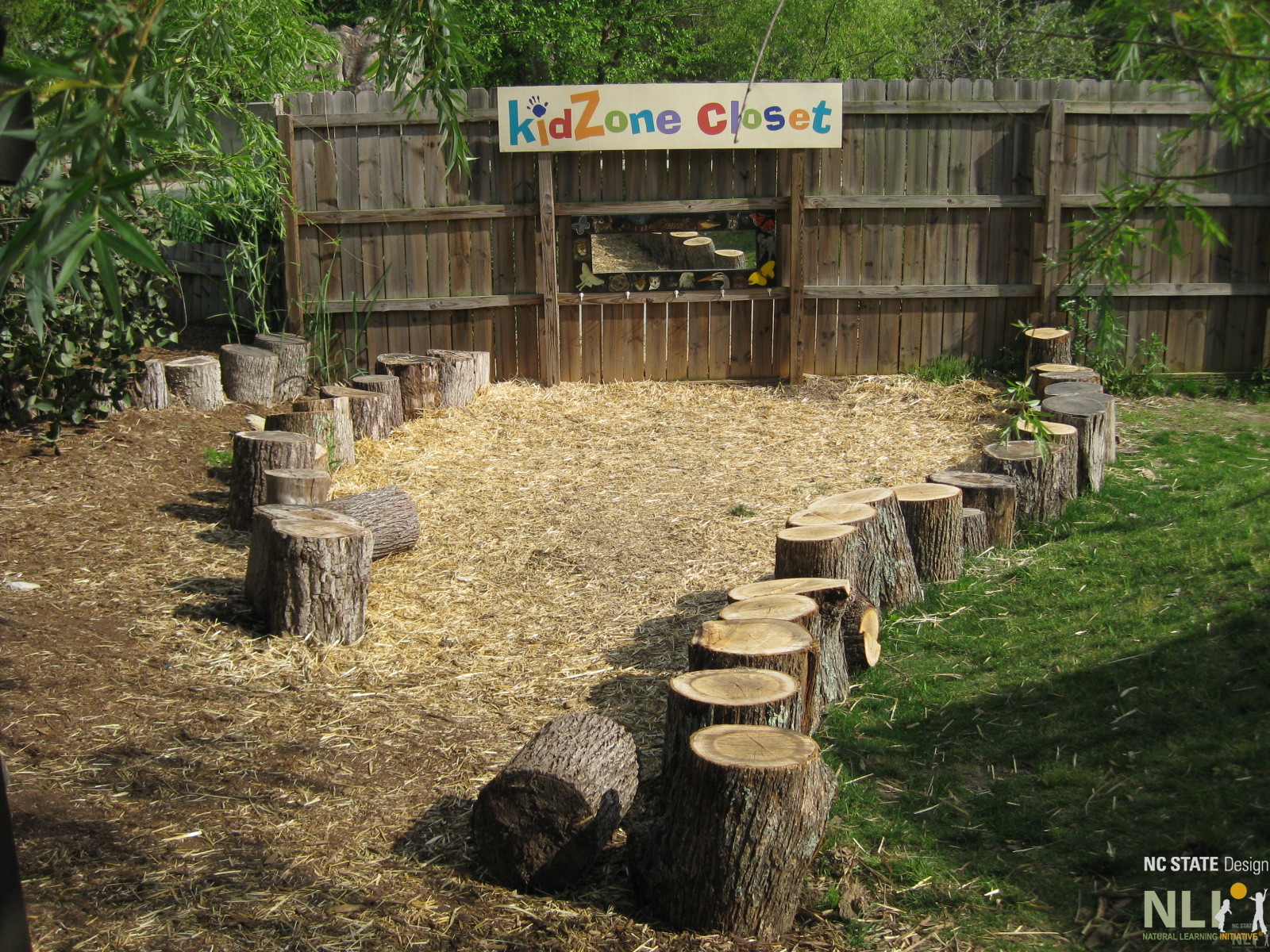
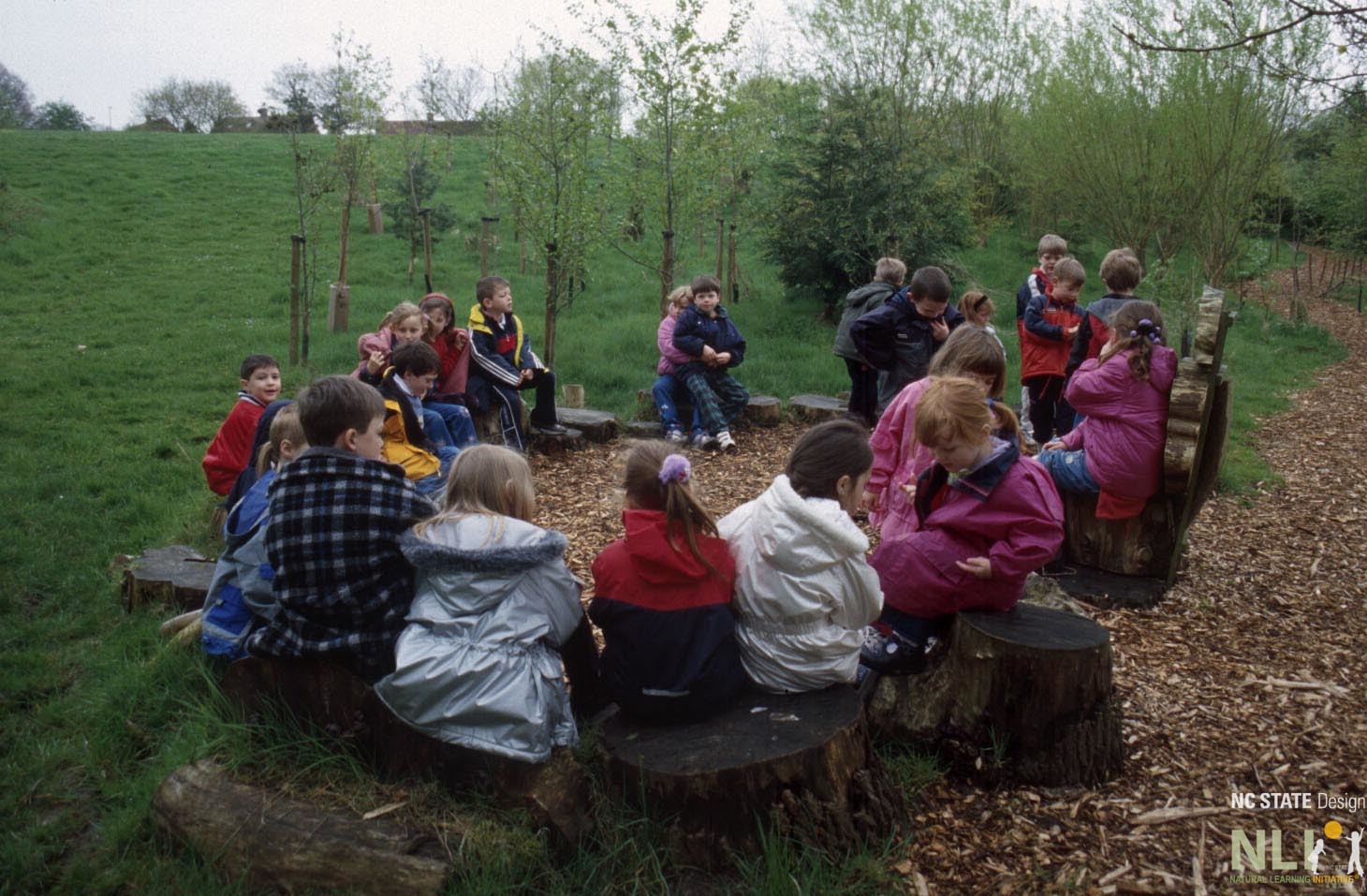
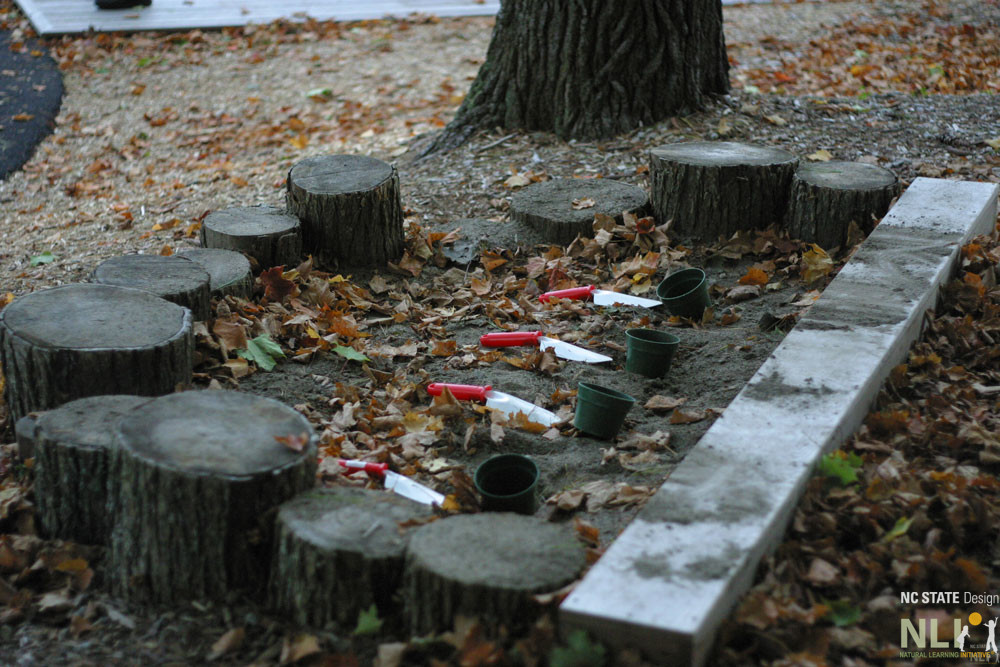
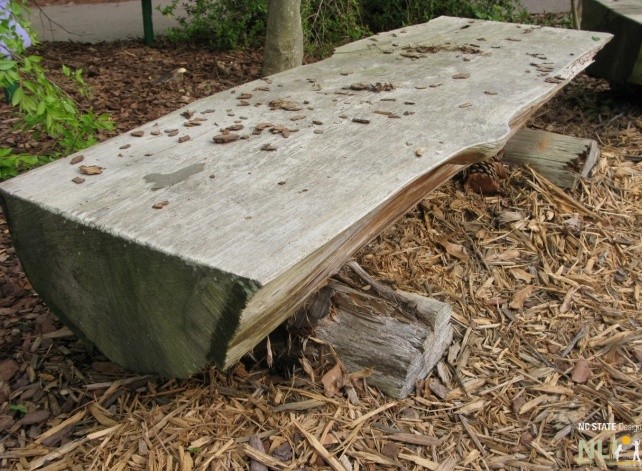
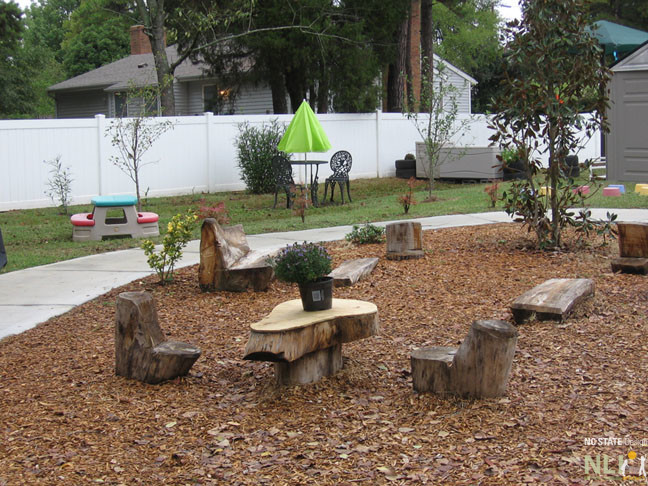
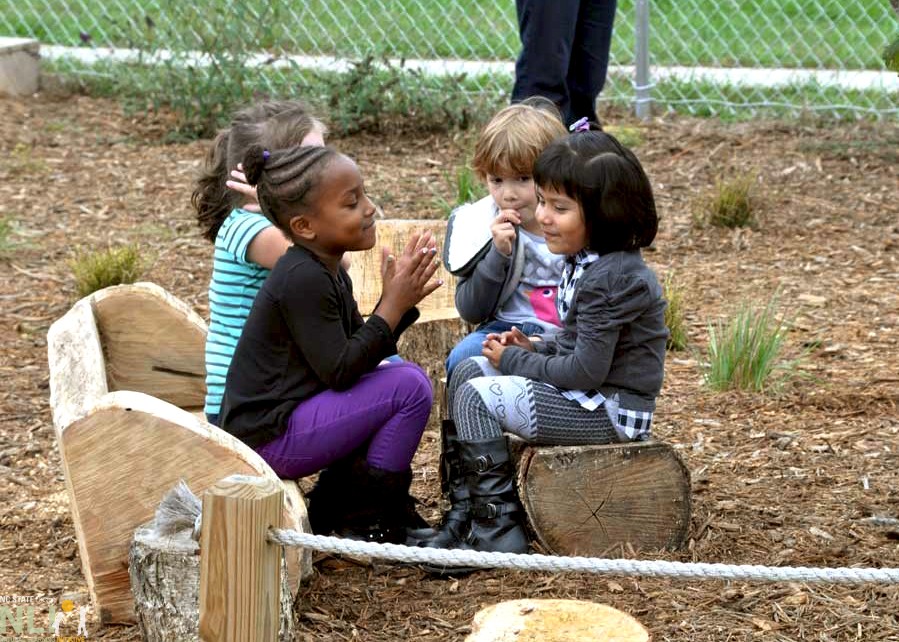
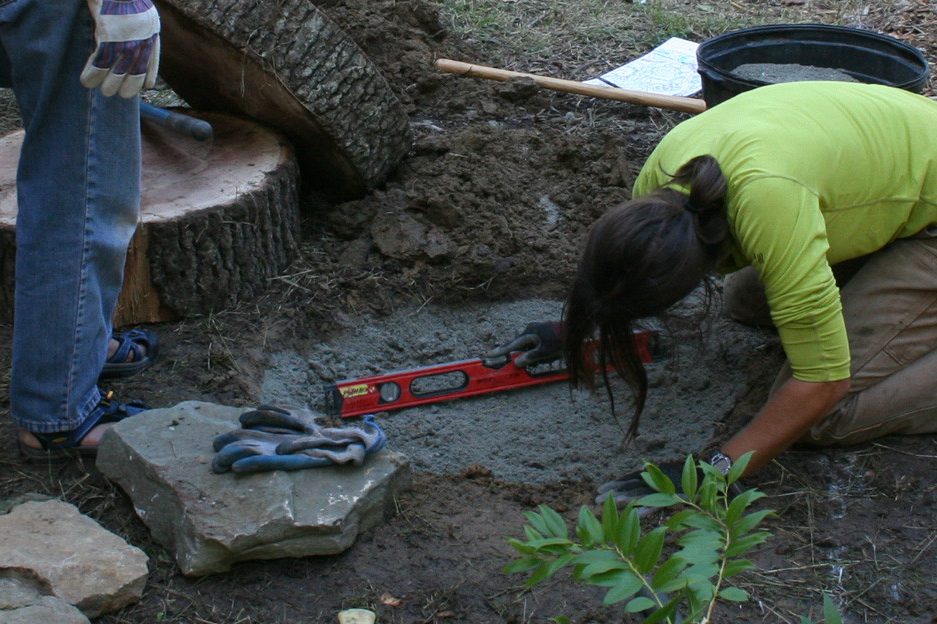
Log seats are an easy and cost effective way to improve an outdoor learning environment.
Sliced segments of logs = instant gathering space, council circle, or quiet sitting nook, bench, or low project table
Talk to tree removal companies to reserve tree segments before they grind their trees. Logs and stumps don’t have the same life span as a stone circle, and will need replacing every five years or so. Red cedar, oak, maple trees and other hardwoods provide the longest lasting stumps. Pine and the soft woods are not suitable as they decompose too fast. Make sure borders are smooth. Logs can also serve as a temporary boundary containment for earth and sand play settings. Log benches require a moderate amount of skill and tools to build and keep stable.
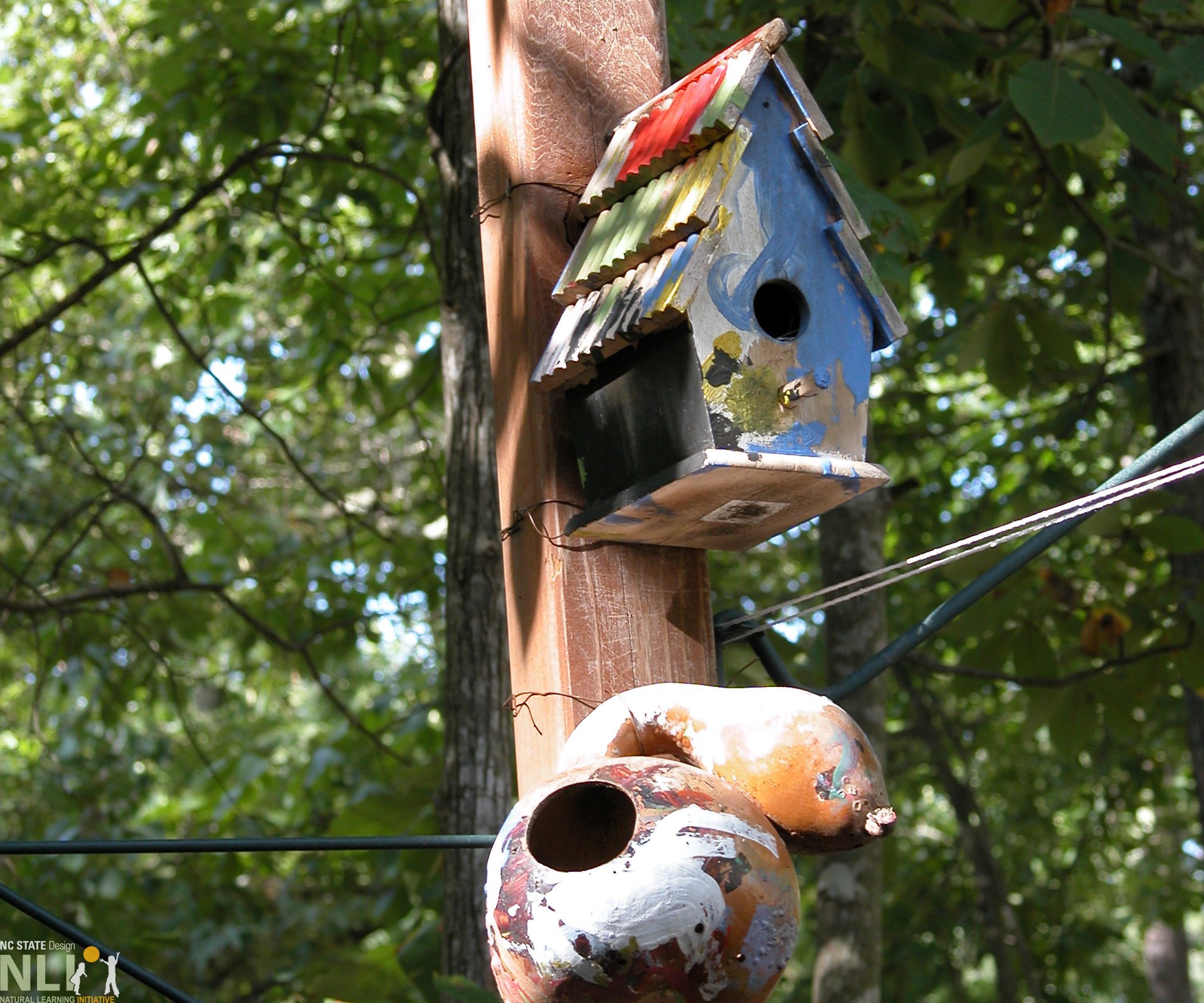
From the North Carolina Rated License Assessment Project: There are no specific ERS requirements related to bird feeders; good maintenance and supervision of children should eliminate health or safety challenges. Bird feeders can create opportunities for conversations and vocabulary development, as well as other skills such as observing, predicting, documenting, comparing, counting, charting, and categorizing.
From the North Carolina Division of Child Development and Early Education: DCD is not aware of any concerns or problems that have arisen around bird feeders. You wouldn’t want to promote/attract vermin however.
From the North Carolina Children’s Environmental Health Branch: Rule 2831(b) requires premises to be maintained in a manner which does not encourage the harborage of vermin. Effective measures shall be taken to keep uncontained insects, rodents, and other vermin out of child care centers and to prevent their breeding or presence on the premises. Bird food that has spilled on the ground will attract rodents, which may attract snakes looking for a food source. It is recommended that these areas be monitored daily to minimize potential problems.
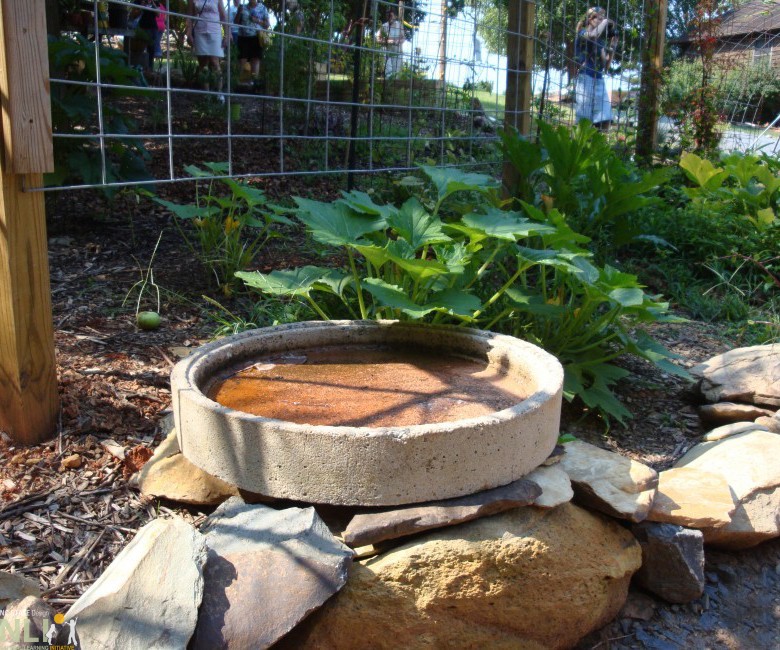
If we have a bird bath, how often does the water need to be changed or the bath cleaned and can this be inside of the fence?
From the North Carolina Rated License Assessment Project: We would defer to Environmental Health on this topic.
From the North Carolina Division of Child Development and Early Education: Stagnant water would be an issue. Also, dependent upon the type of bird bath/construction – it would need to be determined if there was any drowning hazard presented.
From the North Carolina Children’s Environmental Health Branch: Items that can collect standing water in the OLE are required to be emptied and stored to prevent standing water. The water should be changed daily to prevent an ideal environment for mosquito breeding.
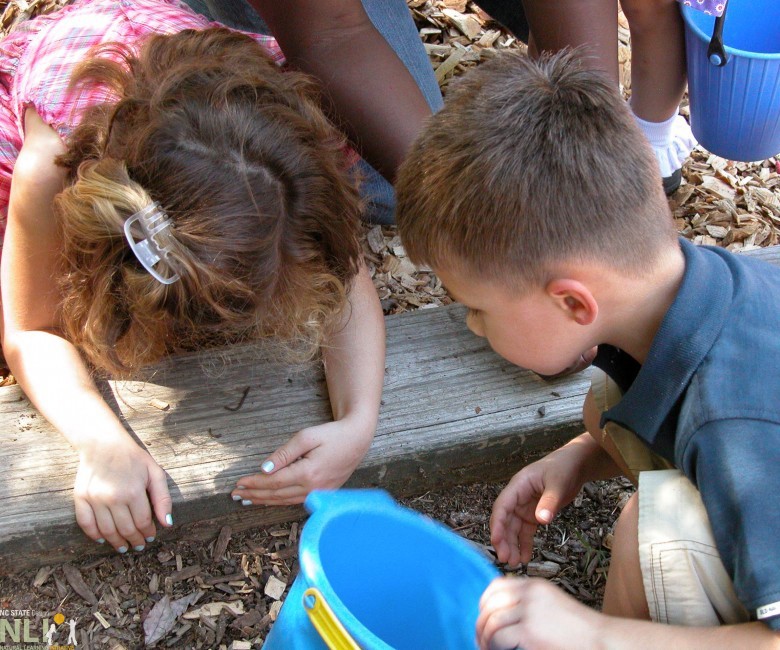
Is it ok to dig for bugs or use a “carpet lift up” or plastic bath mat to attract and watch bugs?
From the North Carolina Rated License Assessment Project: Assessors consider the overall maintenance of the outdoor area for repair/maintenance, safety, and sanitation issues. However, if children were observed lifting up a rock or mat to see bugs this would generally not be a concern. Assessors always consider the quality of supervision provided and whether staff are aware of children’s activities. When language occurs with staff and children related to such an activity this earns credit in the nature/science item for using everyday nature/science events as a basis for learning about the natural world, as long as there is some relevant, factual content.
From the North Carolina Division of Child Development and Early Education: Bugs are a natural part of the outdoor area so there is no way to keep all bugs away. An infestation is different and would not be acceptable. Children can roll away logs or any other flat item on the ground to watch bugs but having this activity farther away from the building may minimize bugs coming in to the building. There’s a difference in digging or watching for bugs and digging in red ant hills. Also, the type of activity described in the question should not be an excuse for a swarm of cockroaches in the center.
From the North Carolina Children’s Environmental Health Branch: Sanitation rules require effective measures to keep uncontained insects, rodents, and other vermin out of child care centers and to prevent their breeding or presence on the premises.
Rule .2831 was amended effective August 2, 2007 and includes a prohibition against keeping amphibians as pets. Does this preclude keeping tadpoles at child care as an educational project for children to observe the development of tadpoles into frogs?
From the North Carolina Rated License Assessment Project: Tadpoles would be credited in the nature/science item, in addition to other more common examples of “living things” such as plants or fish. Should children handle the tadpoles or touch the water, then hand washing is expected.
From the North Carolina Division of Child Development and Early Education: We would defer to Environmental Health on this topic.
From the North Carolina Children’s Environmental Health Branch: Tadpoles are allowable as part of an educational project with the understanding that they would not become permanent pets. A plan should be in place for getting rid of the adult frogs. Most important is the need for handwashing as specified in Rule .2803, in this case to prevent the transmission of salmonella. Handwashing is particularly important if children handle the tadpoles (not recommended) in addition to observing the developmental changes.
Overview from the North Carolina Outdoor Learning Environments Alliance:
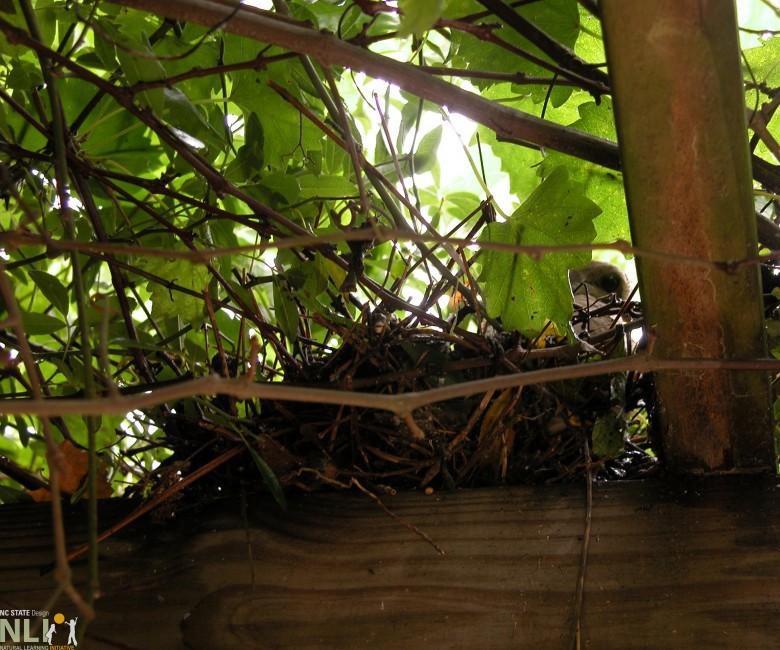
Some experts say that children today know more about dinosaurs and animals in far away places than they know about the critters that live in their back yards. Schools and early care and education programs can provide opportunities for children to see and learn about the habits of birds, bugs, squirrels, butterflies, and other wildlife that is common to the area. Settings that bring wildlife close and observable to children can be simple and affordable. Supportive materials such as paper and pencils, art supplies, microscopes, binoculars can bring out the scientist in a child.
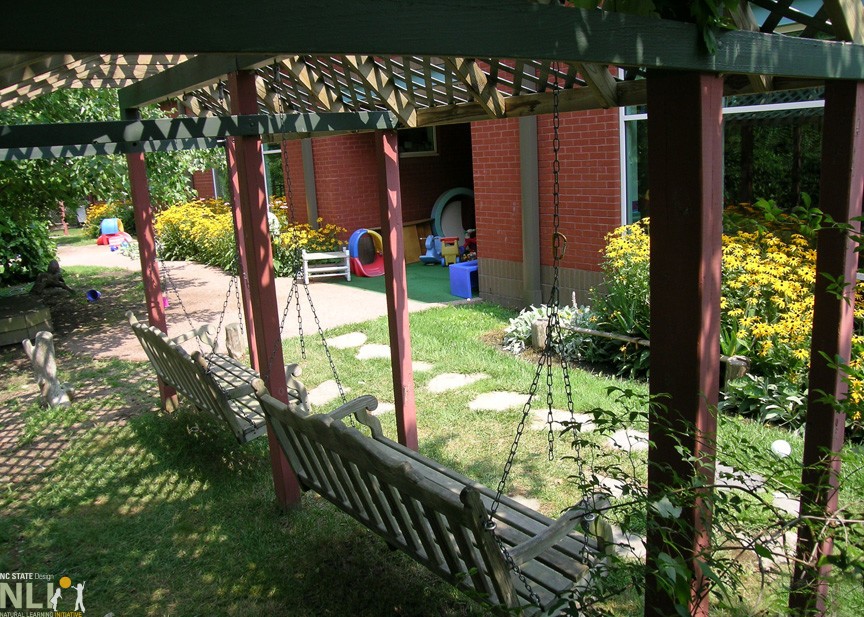
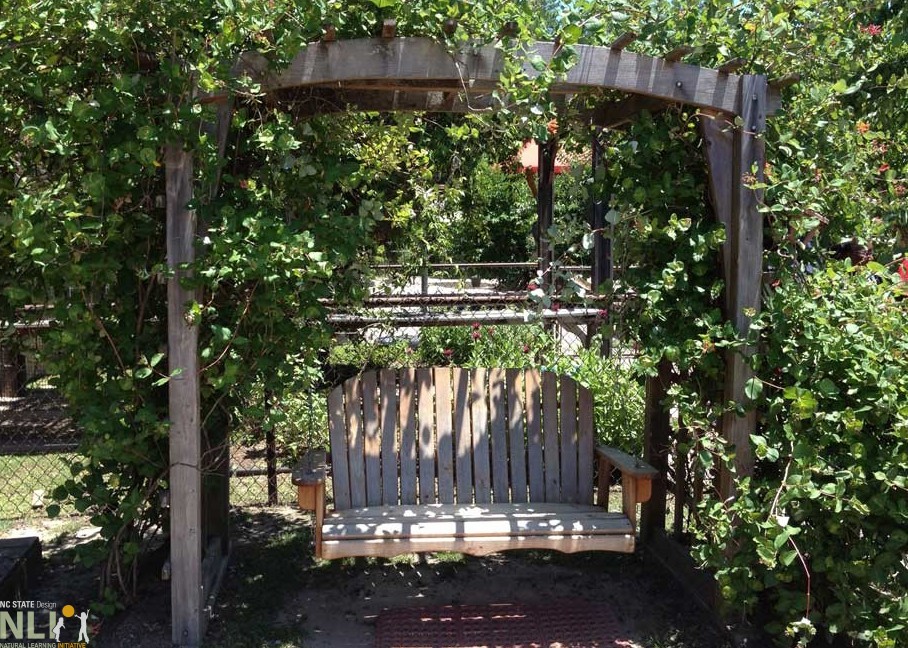
Are bench swings or gliders OK to use in child care?
Can we hang a traditional one under our covered porch area? We really like the idea that adults and children could use it together, read stories or rock etc.
From the North Carolina Rated License Assessment Project: For the ERS assessment process, bench swings and gliders are not considered gross motor equipment and do not require resilient surfacing. However, close supervision is required to ensure that children use them safely. The larger swings sometimes cause problems with crowding and children pushing the heavier seat into another child, knocking each other over, etc., so supervision and placement of these swings should be considered.
From the North Carolina Division of Child Development and Early Education: The weight of the swing is licensing’s biggest concern, either with an adult swinging on one and kids running behind and being hit, or with one child pushing a swing and getting it started swinging and it hitting another child. For a typical porch swing/glider on a deck we would not expect mulch, but the other issues could present possible concerns.
From the North Carolina Children’s Environmental Health Branch: This would not be an environmental health issue.
Overview from the North Carolina Outdoor Learning Environments Alliance:
Seating outdoors can provide a space for a child to observe others and take a rest from active play. A small bench for two can be a space for a child to be alone or with one friend for a quiet moment. We often think of outdoor time as time when children should be physically active and it is great for that purpose. A well designed outdoor space is rich in play and learning opportunities, always holds the possibility for physically active play but also spaces for relaxing, observing, choosing to be alone or together with a friend. Seating can be simple, such as a stump, a log, a blanket, or it can be a bench or chair. Placed by a bed of rosemary or colorful garden, a seating space could be fragrant and offer much to observe as birds and butterflies visit the plants.
What are some ways to improve an outdoor learning environment without breaking the bank?
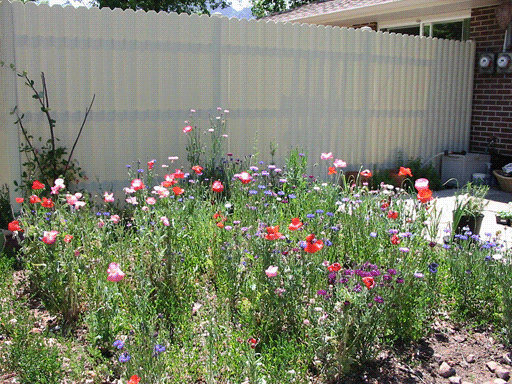
Wildflower patches are a simple, one-season way to brighten your outdoor learning environment with flowers. Always beautiful (although not always tidy) wildflower patches are certainly one of the foundational joys of a childhood outdoors.
Packets of wildflower seeds are easy to find at any local garden center with mixes appropriate to your climate. Use the wildflower patch to replace grass or bare earth, but be sure to kill grass before seeding. Prepare the beds by first mixing in some compost or good soil. Buy a few different mixes, follow the instructions on the packets, and see what comes up!
Will a naturalized outdoor learning environment attract bees and other stinging insects?
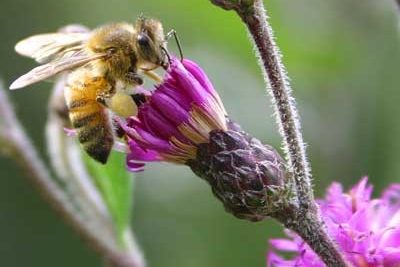
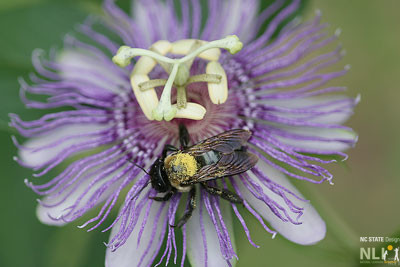
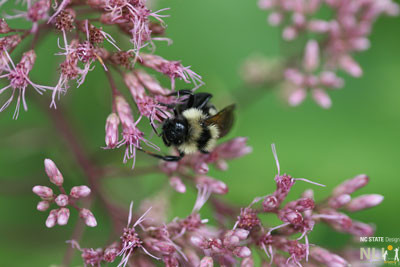
The short answer is “yes” if it contains flowering, nectar-producing plants. Any vegetated area provides habitat for animal life. Most animal species are beneficial players in the great web of life that human life depends on. This is certainly true of bees, which we depend on for pollination (with several other insect species). Bees and other pollinators are attracted to the pollen and nectar provided by flowering plants. Bees can sting, but most pollinators can not (butterflies, for example). As pollinators visit flowers to gather pollen and nectar, they transfer pollen to the female parts of the flower. When large numbers of pollen grains are transferred, more seeds develop and larger fruit is produced. Without pollination seeds and fruit will not develop. Pollination is essential to fruit production. Very few other stinging insects are attracted by flowering plants.
Bees
Bees are especially efficient insect pollinators because they eat pollen and nectar exclusively. They visit many flowers of the same species during a single trip, and have hairy bodies which easily pick up pollen grains. Amongst other things, bees will pollinate apples, blueberries, cranberries, cucumbers, kiwis, melons, pears, plums, and squash.
Wasps and other stinging insects
Yellow jackets, hornets, and paper wasps are all members of the wasp family, which includes many different species. Wasps have slick bodies and are not efficient pollinators. Wasps are useful, however, for pest control as they prey on harmful insects and feed them to their larvae. Wasps are attracted to sugary drinks, decomposing fruit and food cooking outdoors. These insects are generally not aggressive unless they or their nests are threatened. Nests can be located underground, hanging from trees, or under protected areas, such as the eaves of a building.
Resources
ProtectPollinators.org administered by Debbie Roos, Chatham County Center, North Carolina Cooperative Extension, is a great resource for information on insect pollinators. Be sure to check out the link to Chatham Mills Pollinator Paradise Demonstration Garden with weekly updates of what is in bloom, plus so much more.
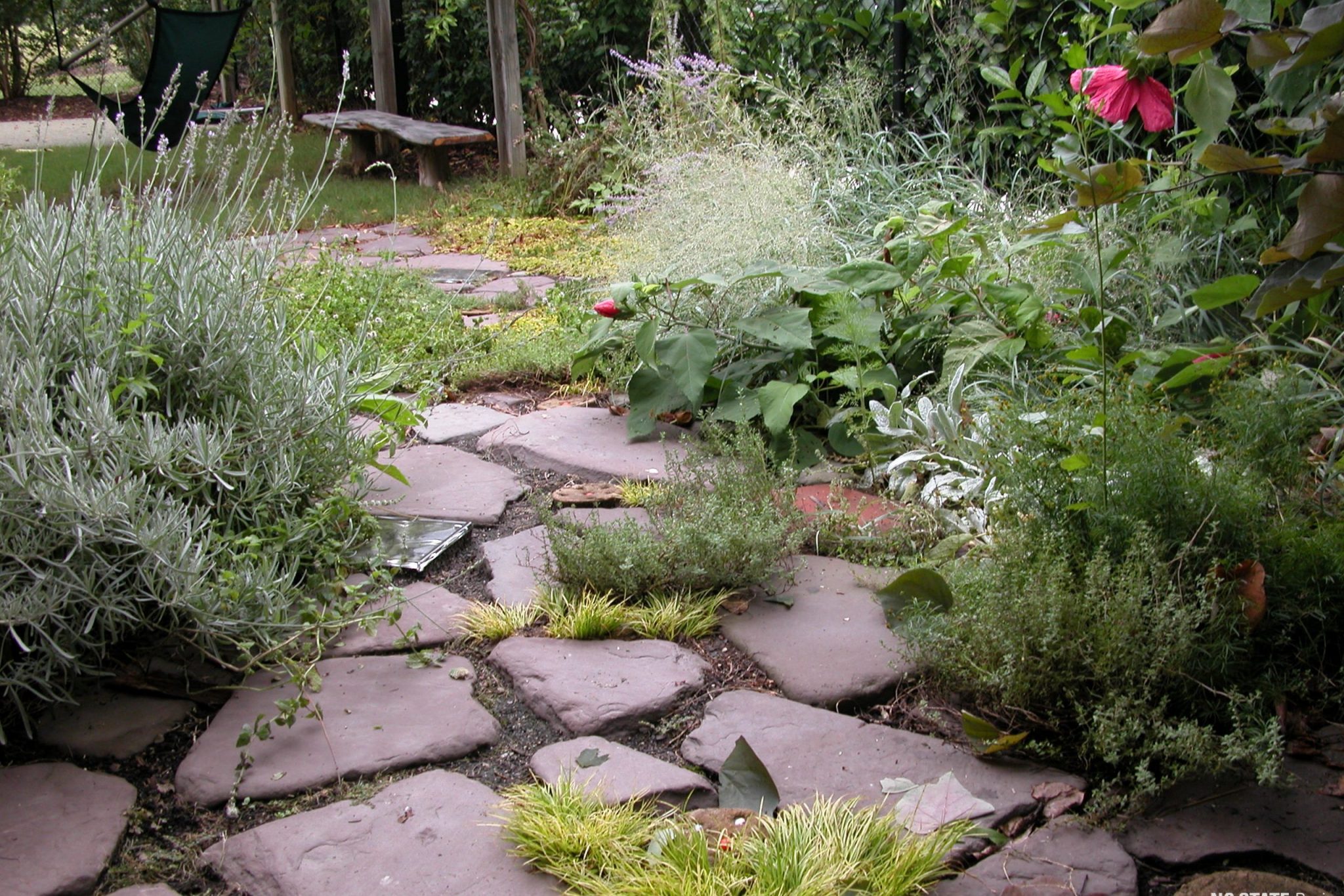
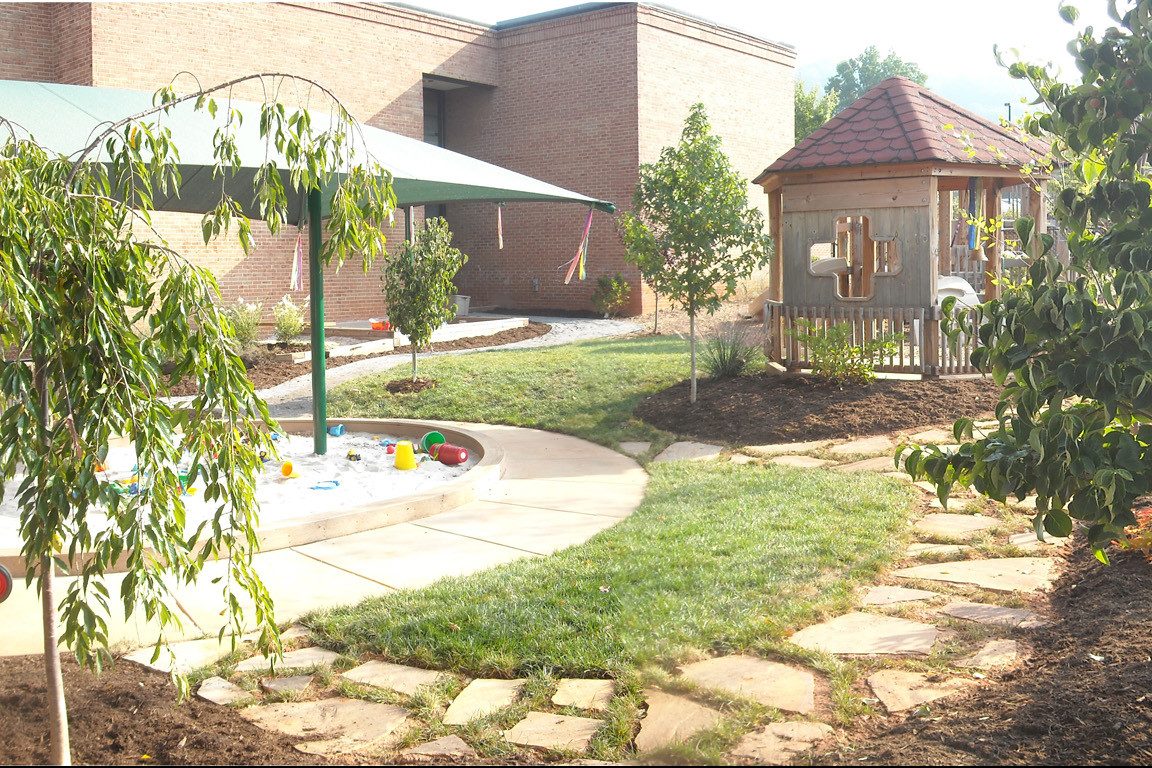
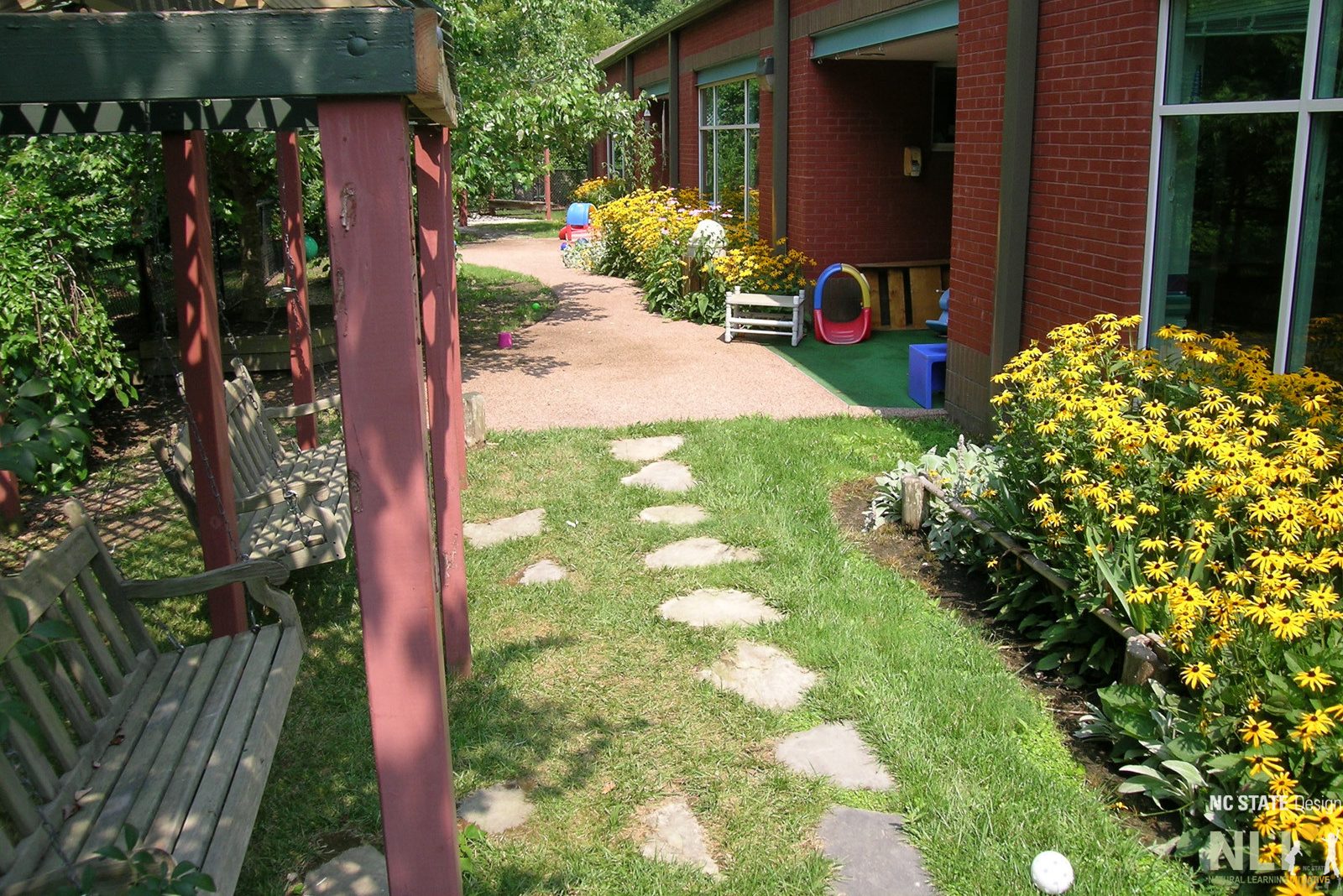
Stepping stones are an effective and durable material used for creating pathways. They can be installed linearly to create secondary pathways or used in mass to create patios or sensory gardens. Select stones of a durable and, if possible, local stone. They should be fairly smooth and flat and a minimum of 2 inches thick.
Installing Stepping Stones with minimal excavation
Based on the plan, lay out the stones along desired path. Make sure they are closely spaced (12″-18″ on center) so that a child can easily step from one to the next.
Use a garden trowel or shovel to cut around each stone.
Move the stone. Excavate as deep as the stone is thick, plus one inch.
Level and compact the existing earth.
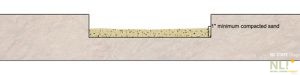
Spread and compact 1” of sand to create a stable base.
Place the stone back into place. It should be flush with the surrounding lawn or mulch.
Fill between existing soil and stepping stone with sand and compact.
How can chain link fences be naturalized with vines?
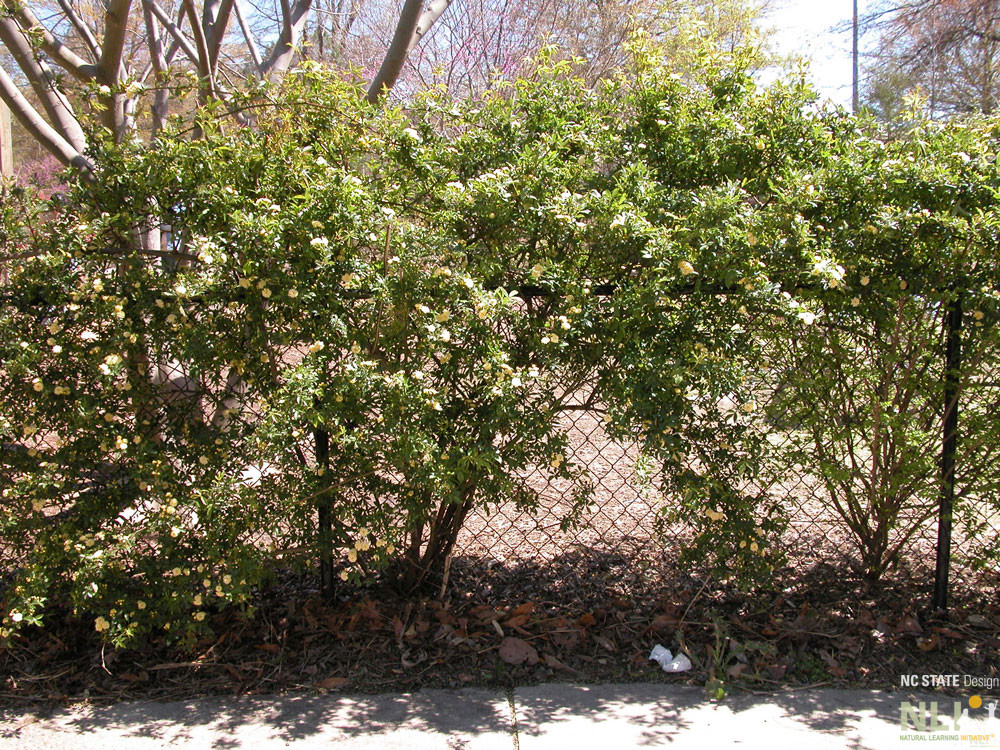
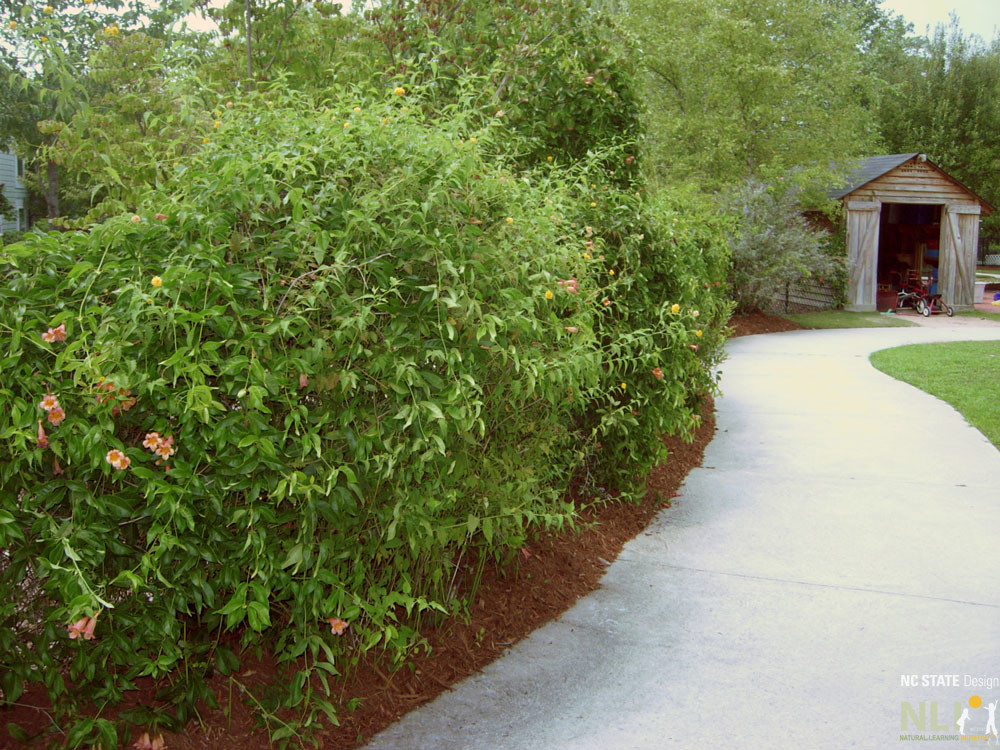
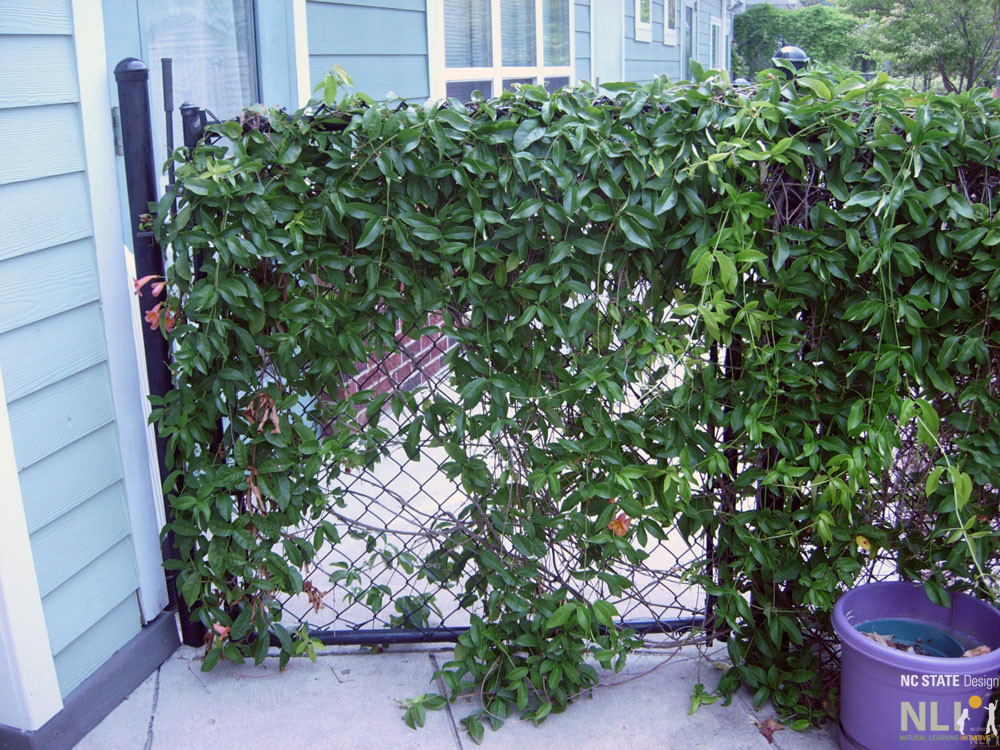
For safety and supervision reasons, childcare centers have fences along the perimeters of their outdoor learning environments. The vast majority of these fences are constructed from chain link. Although a cost effective option, chain link is not the most attractive type of fence. Fortunately, it is easy and inexpensive to naturalize a chain link fence with vines. Typically, hardy perennial vines (preferably evergreen) will create a permanent green fence. However; annual, food-producing vines are an option to consider in some cases.
Select vines that are:
Hardy, vigorous.
Perennial, herbaceous or annual.
Twining (wind their stems around the fence) or have tendrils that can wrap around the fence.
Space the vines along the fence based on their mature spread. For example, if the vines will spread 10 feet, plant them 10 feet apart.
Plant vines against the fence to protect the plant from trampling. Sometimes it is best to plant the vines just on the other side of the fence outside the outdoor learning environment, so the roots will not get compacted by little feet.
Train the vines to grow on the fence. After the vine is planted and as needed through the growing season, tie vines back to the fence to insure proper growth and even coverage of the fence – and in the case of fruiting vines, ease of harvesting.
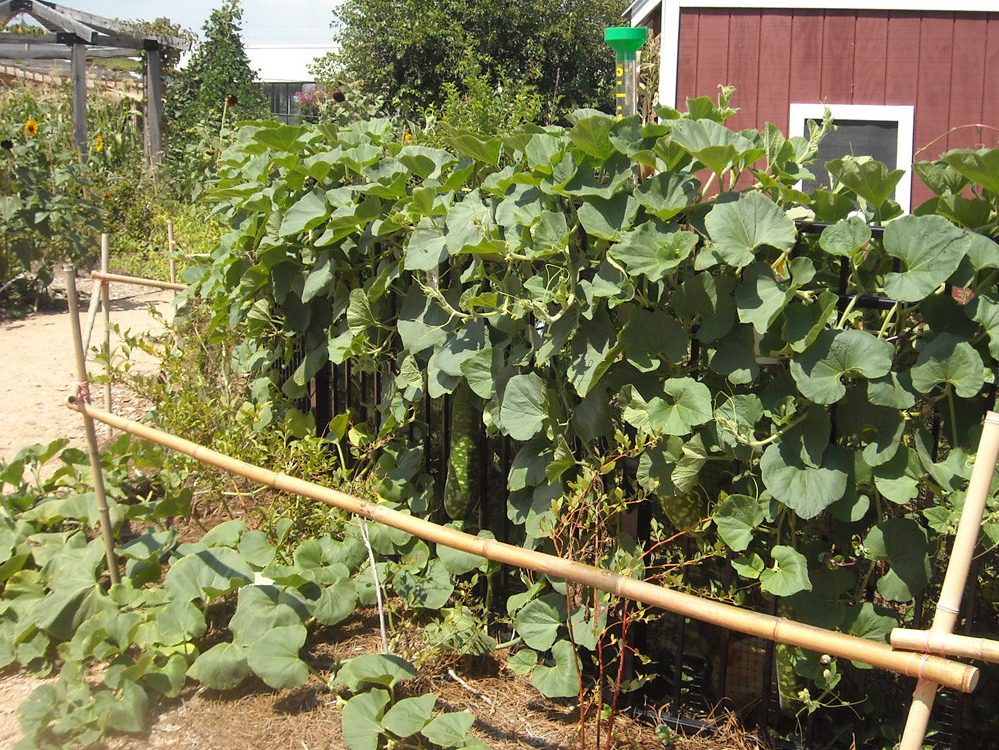
Edibles on fences. Perennial fruiting vines such as hardy kiwi or annual vegetable vines such as beans can be planted along fence lines, supported by the fence. This saves space and allows some vines to be more productive. If space allows, ground-level vegetable beds can be installed in front with the vertical garden as a backdrop.
Green gates. Vines can be used to naturalize chain link gates. Plant along the fence near the hinged side of the gate. As the vine grows and spreads, it can be trained across the gate. Because it is growing from the hinged side, gate use is not impeded.
Raising Funds and Resources for Outdoor Learning Environments
How can I raise funds to naturalize our child care center’s outdoor learning environment?
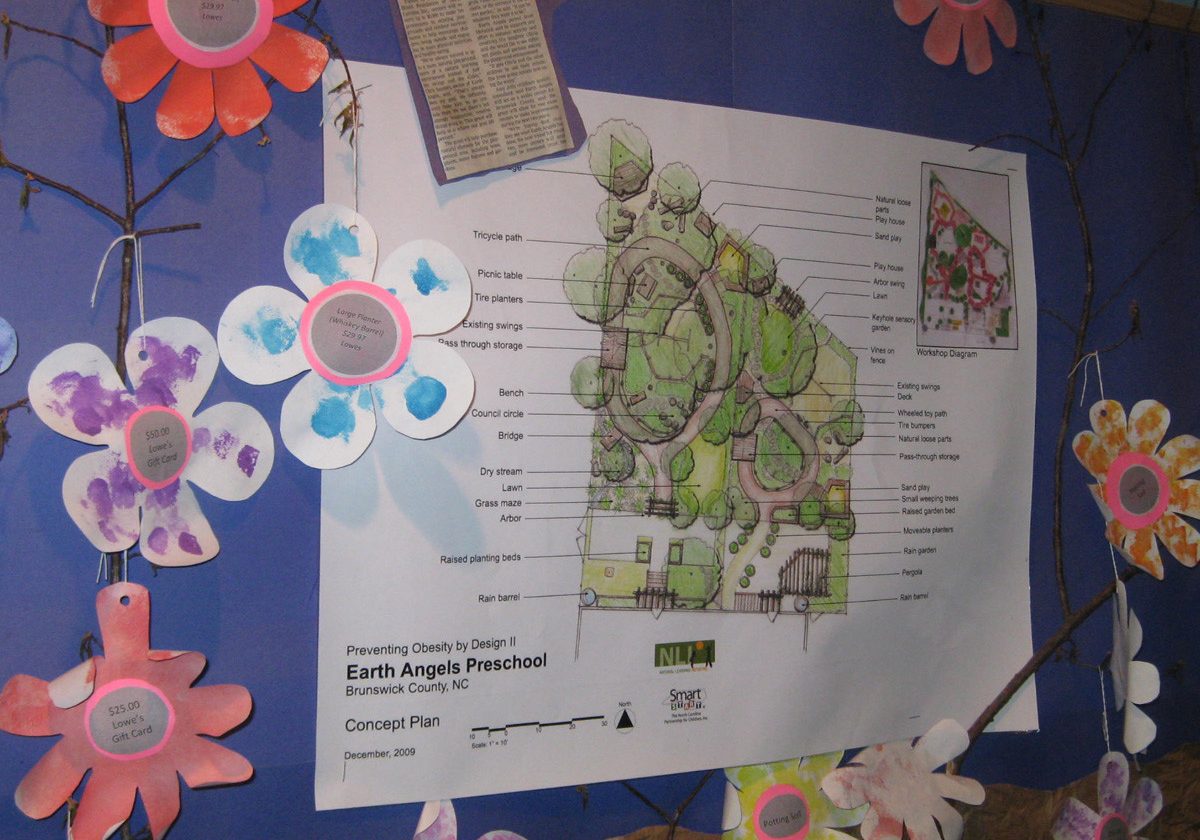
Naturalizing your center’s outdoor learning environment (OLE) by adding trees, shrubs, flowers, grasses and vegetable gardens doesn’t require huge expenditures. At the community level, fundraising often starts with ‘friend-raising” – knowing your community and making connections to potential resources and funders. The more your own community knows about your center and what you hope to accomplish, the more successful you will be in the long run.
There are many ways to acquire the resources you need for your OLE. Some elements may be free, donated or discounted by community businesses, such as plants from local nurseries or construction materials from a landscaping or construction company in your community. Some items or services may have to be purchased, and you will raise funds for these items.
Using a variety of approaches will reap the greatest rewards. Consider all of these possibilities:
Solicit Donations of Materials
Put your wish-list on your parent bulletin board and ask parents to contribute by making a donation. Identify local businesses which sell the various needed items (plants, child-size garden tools, seeds, lumber, etc.) and ask them for donated or discounted supplies and materials.
Host a Fundraiser
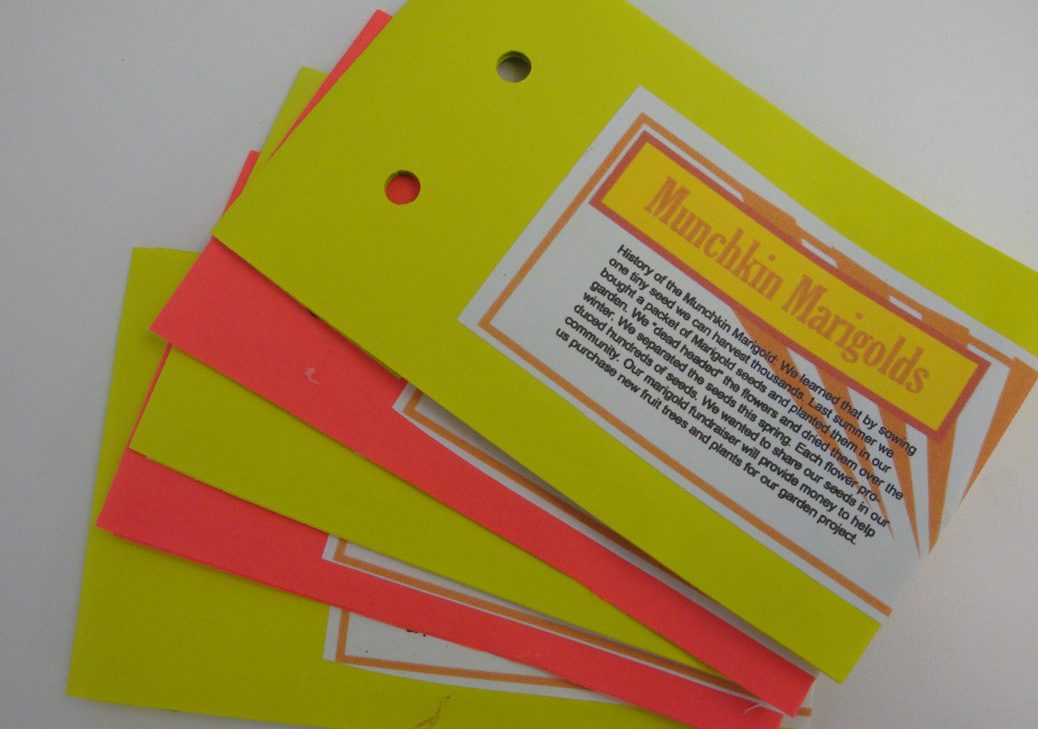
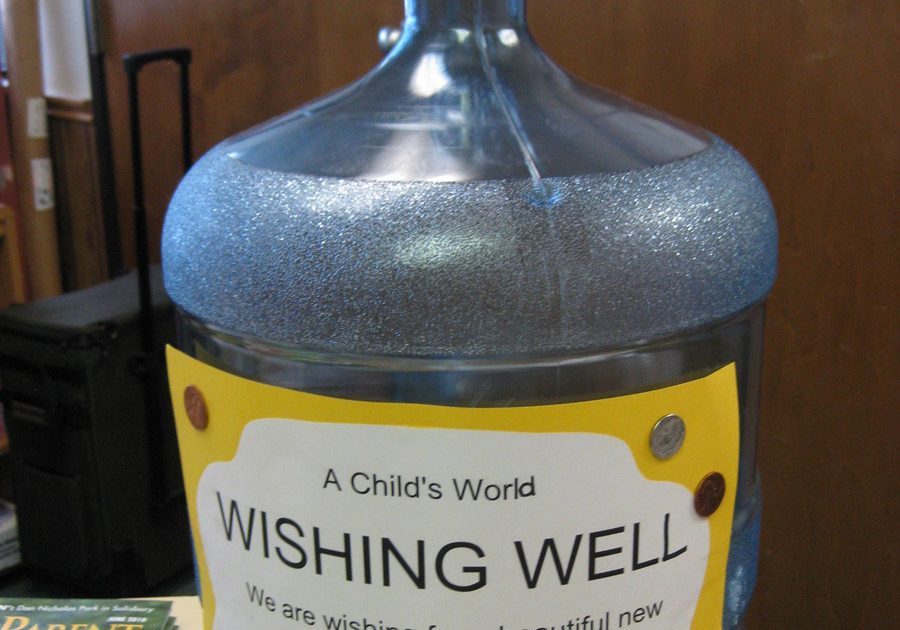
Many centers create their own fundraisers, such as plant sales, garden parties, cookbooks with healthy recipes and yard sales. Ideally, the fundraiser will reach beyond parents, teachers and staff and into the wider community.
Apply for Grants
Many organizations provide small grants or free materials when you write a specific request via an application. Most grants are competitive and offered only on certain cycles so be sure and know your funder’s process and deadlines. At the local level, contact area businesses or local community foundations via their website to learn about their community contributions process.
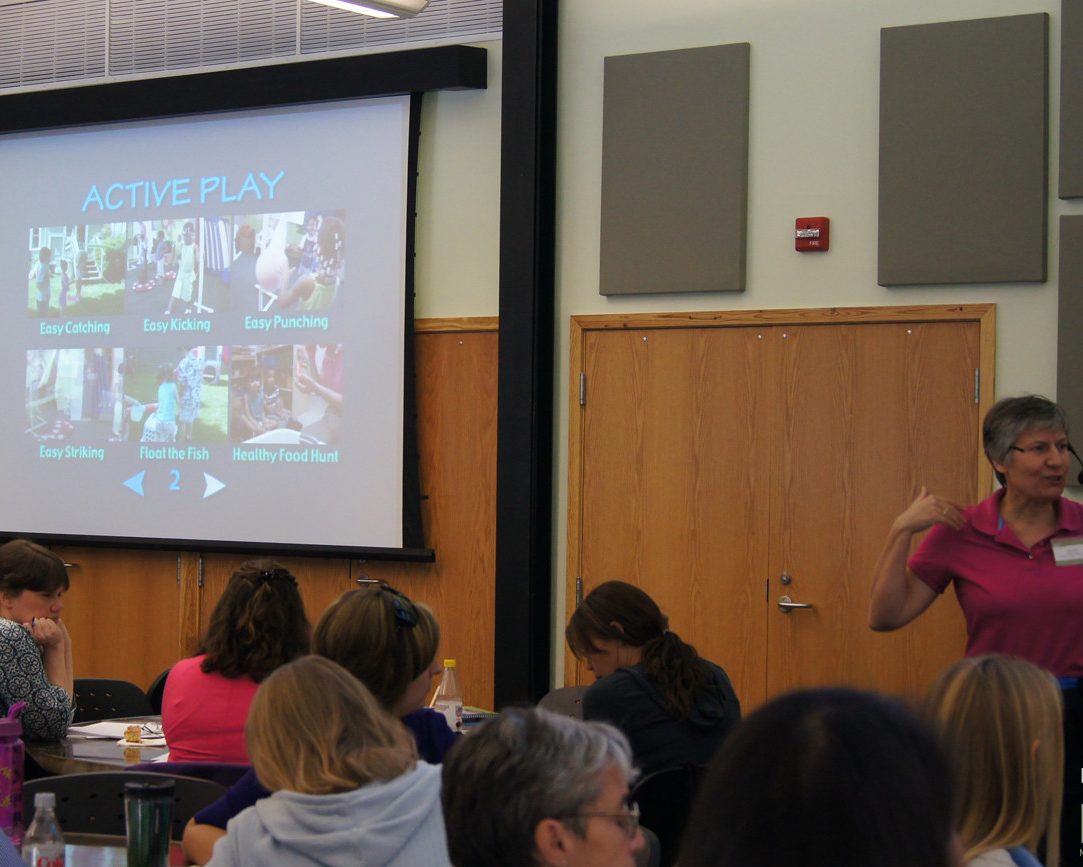
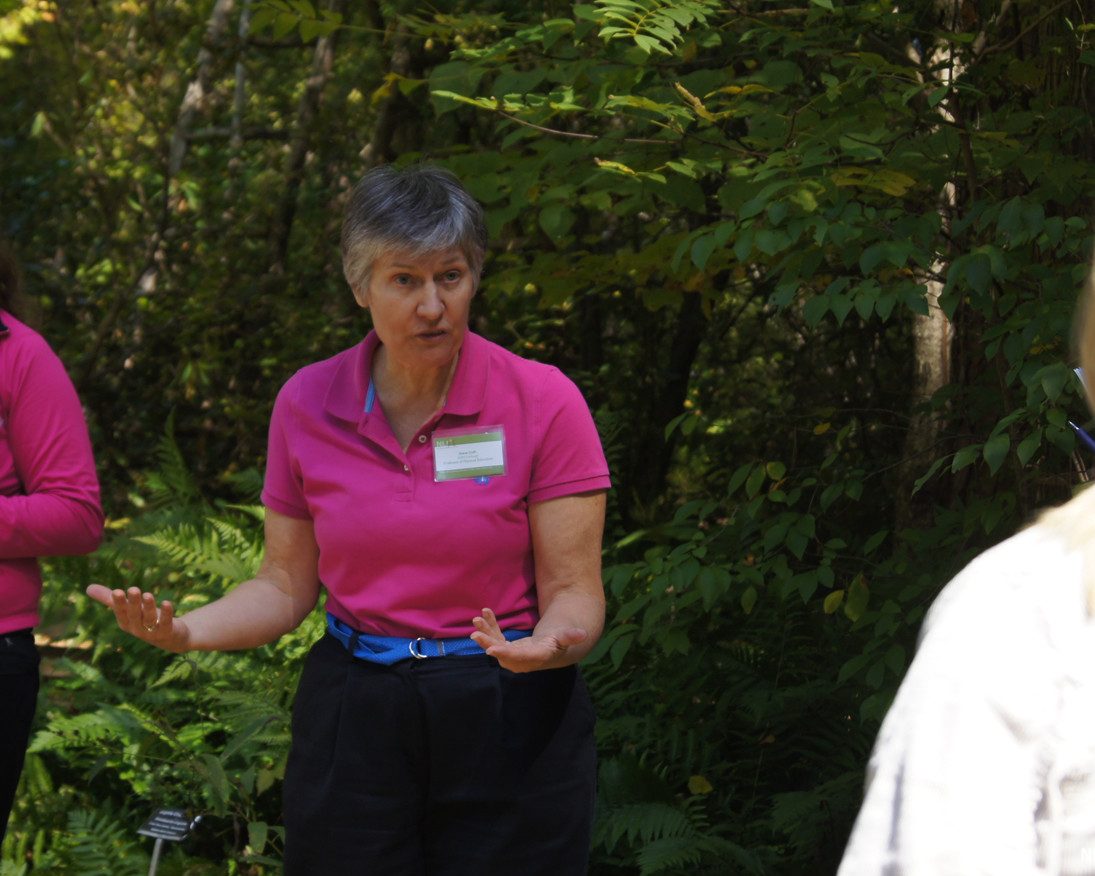
Where can I find the resources for increasing physical activity levels that Dr. Diane Craft highlighted during her presentation at the Design Institute?